
In the lexicon of civic tradition, few honors carry as much weight—or as much mystery—as “getting the key to the city.” Historically, this gesture was a literal exchange, granting a trusted visitor access to a fortified town’s gates. Today, while the physical locks have vanished, the symbolic value of the key has transformed into a high-stakes instrument of brand strategy, corporate identity, and local market positioning.
When a brand, a founder, or a corporate entity receives the key to a city, it signals more than just a momentary PR victory. It represents a deep integration of a brand into the cultural fabric of a specific geography. In an era where “localization” and “authenticity” are the benchmarks of successful marketing, understanding what getting the key to the city means—and how to leverage it—is essential for any organization aiming to dominate a regional market.

The Evolution of the Key: From Medieval Security to Modern Brand Equity
To understand the brand implications of this honor, we must first look at its transition from a functional military necessity to a powerful communication tool. The “key” has moved from the realm of security to the realm of storytelling.
The Shift from Physical Access to Symbolic Authority
In medieval times, cities were walled, and gates were locked at night. Presenting a key to a visiting merchant or diplomat was a sign of ultimate trust; it meant the city was open to them for trade and residence. In the modern context, this “openness” translates to brand authority. When a brand is “given the key,” it is effectively being endorsed by the local government as a trusted partner. For a corporation, this is the ultimate form of third-party validation, bypassing traditional advertising to achieve a level of “preferred status” in the minds of the citizenry.
The Role of Civic Branding in Corporate Narratives
Municipalities are brands in their own right. New York, Tokyo, London, and Paris all have distinct “brand personalities.” When a corporate brand is awarded a key to one of these cities, a “brand rub” occurs. The attributes of the city—be it the innovation of San Francisco or the grit and resilience of Detroit—are transferred to the recipient. This alignment helps a company refine its corporate identity, grounding a global entity in local values.
The Brand Authority of Recognition: Why Symbolic Honors Matter
In a saturated digital market, consumers are increasingly skeptical of paid advertisements. They seek “social proof” and “earned media.” Getting the key to the city is one of the highest forms of earned media a brand can achieve, serving as a powerful signal of legitimacy.
The Halo Effect of Municipal Endorsement
The “Halo Effect” is a psychological phenomenon where our impression of a person or company in one area influences our feelings in another. When a mayor presents a key to a CEO or a brand representative, they are extending the city’s credibility to that brand. This endorsement can lower the barriers to entry in new markets. For a brand looking to expand, the key acts as a “seal of approval” that can streamline regulatory hurdles and accelerate consumer adoption by fostering an immediate sense of familiarity and trust.
Strengthening Personal Branding for Leadership
Often, the key is presented to a specific individual—a founder or a high-profile executive. This is a masterstroke in personal branding. It positions the leader not just as a business person, but as a civic pillar. This elevation is crucial for B2B brands where the reputation of the leadership often dictates the value of the contracts. A leader with the “key to the city” is perceived as someone with high “social capital,” making them a more attractive partner for investors and stakeholders.
Creating a Narrative of Longevity and Commitment
One of the greatest challenges for modern brands is overcoming the perception of being “transient” or “extractive.” Many companies enter a city, utilize its resources, and leave. Receiving the key to the city allows a brand to rewrite this narrative. It suggests a long-term commitment to the community. By publicizing the honor through brand storytelling, a company can position itself as a “legacy brand”—one that is woven into the history of the location rather than just a temporary service provider.
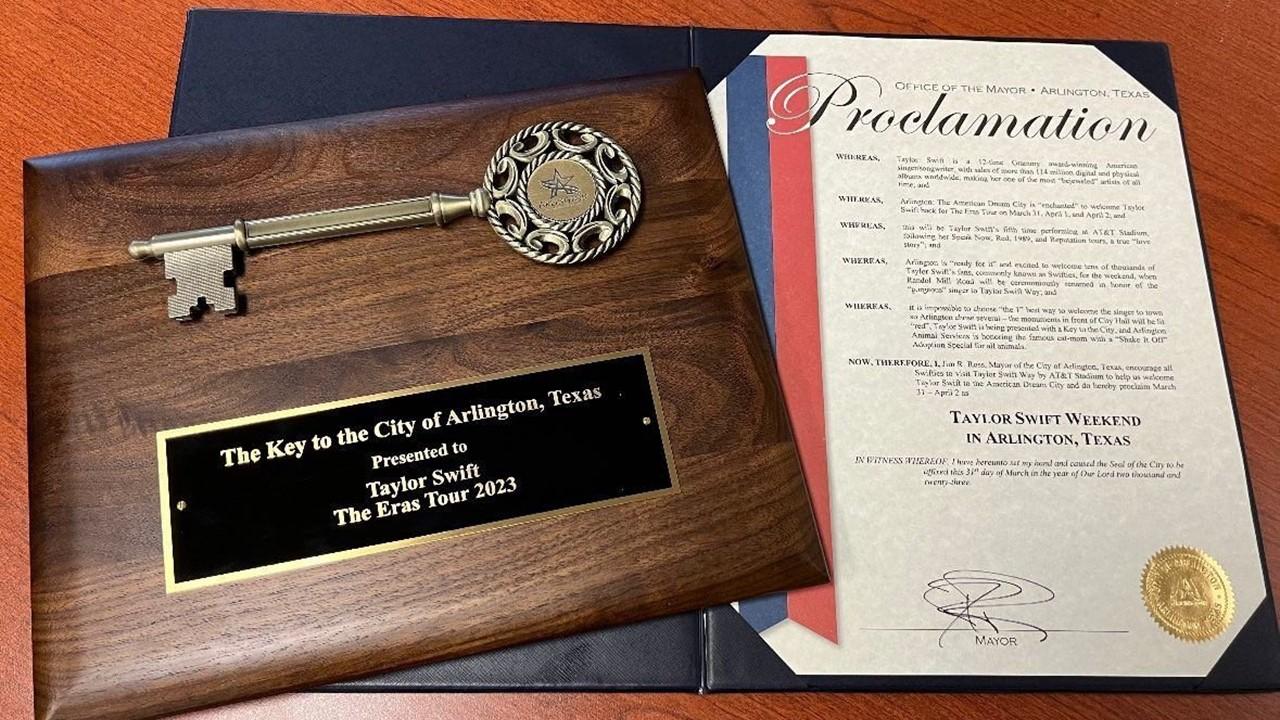
Strategic Integration: How Brands “Earn” the Key Through Community Impact
A key to the city is rarely given by accident; it is usually the result of a calculated, long-term brand strategy centered on Corporate Social Responsibility (CSR) and community engagement. Brands that understand this use the pursuit of civic honor as a roadmap for local market integration.
Aligning Corporate Identity with Local Values
To be considered for such an honor, a brand must demonstrate that its values align with the city’s mission. This requires deep research into the “brand DNA” of the city itself. Is the city focused on sustainability? Technology? Social equity? By tailoring their CSR initiatives to solve specific local problems—such as a tech firm funding local STEM education—brands create the “value exchange” necessary to earn civic recognition. The key is the trophy; the work is the strategy.
The Power of Localized Public Relations
The ceremony of receiving the key is a prime PR opportunity. However, the true brand strategy lies in the “after-action” content. A professional brand strategy involves capturing this moment and distributing it across multi-channel platforms to reinforce the brand’s local relevance. This isn’t just about a photo op; it’s about creating a “case study” of successful urban partnership that can be used to win over other cities in future expansion efforts.
Building Ecosystems of Trust
Getting the key to the city is often the result of building a local ecosystem. This involves partnering with local non-profits, small businesses, and community leaders. From a marketing perspective, this is “influence marketing” on a structural level. When these local entities advocate for a brand to be recognized by the city, the brand gains a level of grassroots support that is impossible to buy through traditional media channels.
Measuring the ROI of Symbolic Accolades
In the world of brand strategy, every action must be measured. While a key to the city is a symbolic gesture, its impact on the bottom line is tangible if managed correctly.
Impact on Brand Sentiment and Media Reach
One of the primary metrics for a civic honor is the shift in brand sentiment. Using social listening tools, brands can measure the “lift” in positive mentions following the announcement of a civic honor. Furthermore, the “earned media value” (EMV) of the news coverage surrounding the event often exceeds the cost of the community initiatives that led to the award. For a global brand, being “the company that saved the local library” or “the firm that revitalized the downtown core” is a narrative that pays dividends in consumer loyalty.
Enhancing Employee Branding and Recruitment
The “Key to the City” also serves an internal branding purpose. Employees want to work for companies that are respected in their communities. This type of recognition boosts internal morale and serves as a powerful recruitment tool. In the “war for talent,” a brand that is a recognized civic leader has a competitive edge in attracting top-tier local professionals who want their work to have a visible impact on their own backyard.
Long-Term Market Defense
Finally, getting the key to the city acts as a “moat” against competitors. Once a brand has established itself as a civic institution, it becomes much harder for a new competitor to enter the market and displace them. The emotional connection and the political capital built through the process of earning the key create a barrier to entry that price-cutting or aggressive advertising from a rival cannot easily overcome.
Conclusion: The Key as a Catalyst for Growth
What does getting the key to the city mean? In the context of modern brand strategy, it means the successful transition from a “service provider” to a “community stakeholder.” It is the ultimate validation of a brand’s local relevance, a testament to its corporate identity, and a powerful engine for building long-term brand equity.
For organizations looking to leave a lasting mark, the “key” is not just a piece of metal or a ceremonial plaque; it is a strategic milestone. It signifies that the brand has stopped speaking at the community and has started working with it. In a world where consumers demand more heart and more history from the companies they support, earning the key to the city remains one of the most prestigious and effective ways to unlock a market’s full potential.
aViewFromTheCave is a participant in the Amazon Services LLC Associates Program, an affiliate advertising program designed to provide a means for sites to earn advertising fees by advertising and linking to Amazon.com. Amazon, the Amazon logo, AmazonSupply, and the AmazonSupply logo are trademarks of Amazon.com, Inc. or its affiliates. As an Amazon Associate we earn affiliate commissions from qualifying purchases.