
In the fast-paced world of digital communication and internet subcultures, slang evolves at a breakneck speed. Terms that originate in obscure gaming forums or niche social media threads frequently migrate into mainstream lexicon, often losing their original technical nuances in the process. Among these, the phrase “get wrecked” has become a pervasive fixture. While it may sound like a simple exclamation, its application varies significantly depending on the context of online interaction, competitive gaming, and professional digital branding. Understanding the etymology and current usage of this phrase is essential for anyone navigating the modern digital landscape, whether they are managing an online community, participating in esports, or simply attempting to stay current with digital trends.
The Linguistic Roots and Gaming Origins
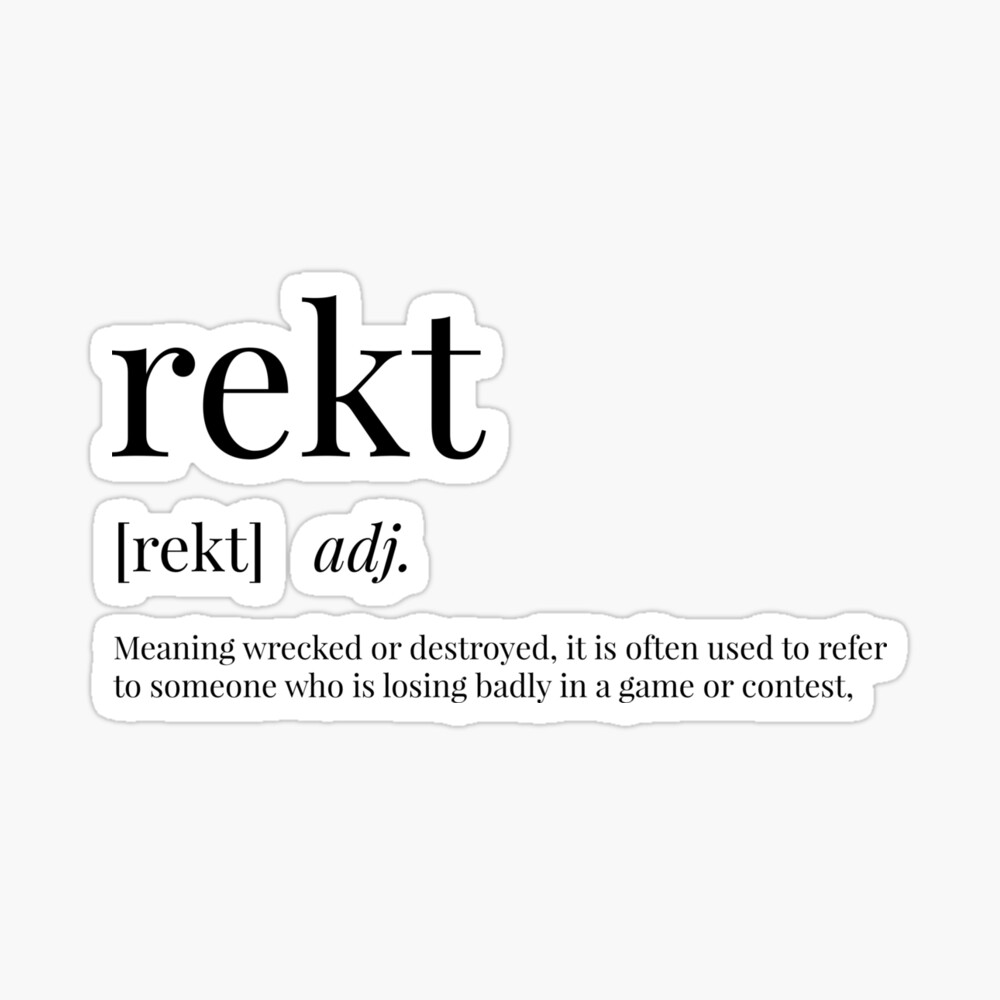
The term “get wrecked” finds its primary ancestry in the competitive gaming sphere. In the early days of online multiplayer gaming—specifically within the first-person shooter (FPS) and real-time strategy (RTS) genres—the phrase was utilized as a derogatory, albeit common, form of trash talk.
The Mechanism of Dominance
When a player significantly outperforms their opponent, often ending a match with a lopsided score or executing a humiliating tactical maneuver, the victor might type “get wrecked” into the chat. At this level, the phrase functions as a shorthand for total domination. It implies that the opponent’s strategy, reflexes, and overall performance were not just countered, but completely dismantled. It is the digital equivalent of a “knockout” in combat sports.
Psychological Impact in Competitive Play
The psychological intent behind the phrase is to establish hierarchy. In high-stakes digital environments where anonymity is the norm, “get wrecked” serves to signal superiority. Over the last decade, this terminology bled out of private server chats and into major esports broadcasts. Commentators and analysts began adopting the term to describe moments where a team loses a critical objective or fails to capitalize on a massive advantage. Consequently, the term became institutionalized, transforming from a simple insult into a descriptive verb phrase used to characterize any overwhelming loss in a digital environment.
Evolution into Internet Slang and Social Media
As gaming culture moved from the periphery to the center of global entertainment, the terminology associated with it followed suit. “Get wrecked” soon transcended the confines of gaming consoles and PCs, embedding itself into the vernacular of Twitter, TikTok, and Reddit.
The Shift to “Total Failure”
In broader social media discourse, the meaning has broadened. If a public figure makes a gaffe during a live stream, or if an individual’s argument is dismantled in a public thread by a superior rebuttal, observers will often label the event as the subject “getting wrecked.” Here, the term has moved away from physical combat or gaming mechanics toward the concept of social or intellectual defeat.

The Tone of Irony and Humor
Interestingly, the usage has also shifted toward the ironic. In meme culture, “get wrecked” is frequently used to mock individuals who perform acts of stupidity or who suffer from minor, non-consequential accidents. By applying such a “heavy” term to trivial events, internet users create a humorous juxtaposition. This nuance is critical; understanding whether “get wrecked” is being used as a genuine insult or an ironic observation is vital for anyone analyzing digital sentiment or managing community engagement.
Strategic Implications for Digital Branding
For brands and professional content creators, the emergence and proliferation of terms like “get wrecked” present both a challenge and an opportunity. Misusing slang is a common pitfall in brand strategy, often resulting in “cringe-worthy” marketing that alienates target demographics.
The Risk of Performative Authenticity
Many companies, in a desperate attempt to appear “relatable” to Gen Z or Alpha audiences, attempt to integrate gaming slang into their corporate identity. When a brand tweets “get wrecked” at a competitor or uses it in a customer service context, the reaction is almost universally negative. The term carries a specific cultural weight—an edge of aggression that rarely fits within the professional guardrails of corporate communication. A brand attempting to use this language often comes across as performative, signaling a lack of genuine understanding of the digital subcultures they are trying to tap into.
Managing Community Sentiment
Conversely, for platforms that host gaming communities or digital forums, recognizing the term is essential for moderation. Because “get wrecked” originated as a form of toxic trash talk, it is frequently flagged by automated moderation systems as part of harassment or bullying. Community managers must strike a delicate balance: discerning between playful banter between friends and genuine, targeted harassment. If a platform treats every instance of “get wrecked” as a violation of community guidelines, they risk stifling the natural, competitive energy of their user base. Developing nuanced moderation policies that account for the evolving definitions of slang is a hallmark of a mature digital platform.
Future Projections of Digital Vernacular
Language is a living entity, and the trajectory of phrases like “get wrecked” follows the standard lifecycle of internet slang: innovation, saturation, and eventual obsolescence.
The Lifecycle of Slang
We are currently in the saturation phase, where the term is understood by almost everyone who uses the internet. However, as it becomes more mainstream, its “edge” is dulled. Younger demographics, always seeking to differentiate their vocabulary from older generations, are already moving toward newer, more obscure terminology to describe failure or domination. As a result, “get wrecked” may eventually be relegated to the dustbin of “cringe” slang, similar to terms like “pwned” or “noob” from the early 2000s.

Staying Ahead of Linguistic Trends
For those operating in the technology and digital spaces, the lesson here is not necessarily to adopt the latest slang, but to remain observant of how language changes the way users interact with technology. The phrase “get wrecked” provides a window into the competitive nature of the internet—a place where speed, efficiency, and the ability to project dominance are highly valued. Whether you are building an app, designing a community space, or crafting a marketing message, the evolution of this specific phrase reminds us that digital communication is rarely static. It is a reflection of the power dynamics inherent in our online lives.
Ultimately, “get wrecked” is more than just a two-word phrase; it is a marker of the digital age. It captures the essence of the “win-at-all-costs” mentality that has defined the last twenty years of online interaction. While its popularity may fluctuate, the underlying human desire to compete, to succeed, and to call out the failure of others remains constant. As the digital landscape continues to evolve, our vernacular will surely continue to mutate, but the core psychological drivers behind these phrases will endure, waiting to be encapsulated by the next viral expression that defines our interconnected reality.
aViewFromTheCave is a participant in the Amazon Services LLC Associates Program, an affiliate advertising program designed to provide a means for sites to earn advertising fees by advertising and linking to Amazon.com. Amazon, the Amazon logo, AmazonSupply, and the AmazonSupply logo are trademarks of Amazon.com, Inc. or its affiliates. As an Amazon Associate we earn affiliate commissions from qualifying purchases.