
When navigating the complex landscape of event pricing, the term “General Admission” (GA) is perhaps the most ubiquitous. Yet, for many consumers and event organizers alike, the implications of a GA ticket go far beyond a simple entry pass. In the world of business finance and event management, understanding the underlying economics of General Admission is crucial for both maximizing revenue for the organizer and managing personal expenses for the attendee. By deconstructing the GA model, we can better understand how ticket tiers influence cash flow, profitability, and the broader marketplace of experiences.
The Economic Foundation of General Admission
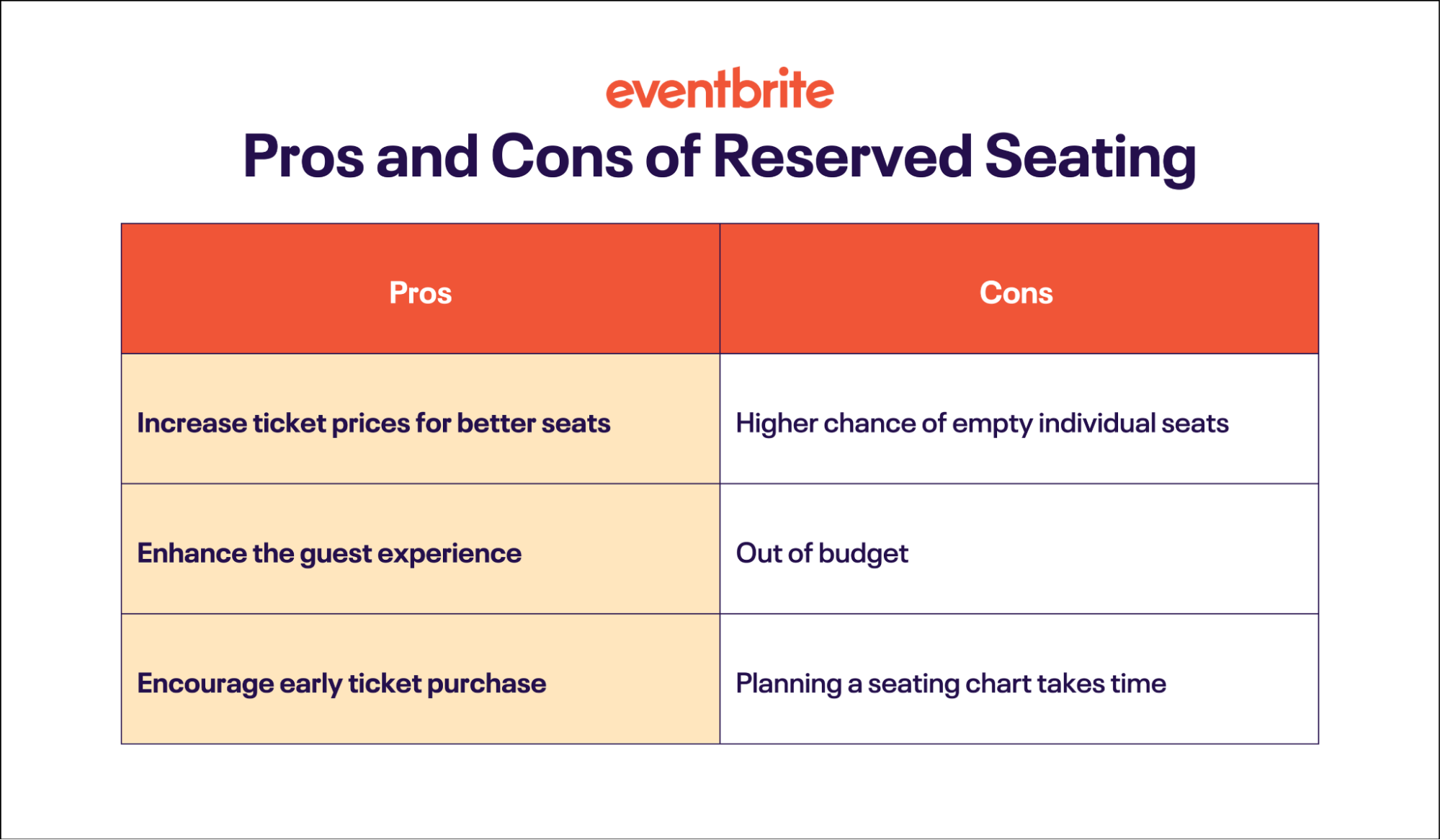
At its core, General Admission represents a standardized, non-reserved pricing model. Unlike premium ticketing, which relies on scarcity and exclusivity to drive high-margin revenue, the GA model is built on volume. From a business finance perspective, this is a strategic choice designed to ensure high occupancy rates and consistent cash flow.
The Volume-Profitability Tradeoff
For an event organizer, the primary goal of issuing GA tickets is to hit capacity. Because GA tickets lack assigned seating, they are generally the lowest-priced tier. While the margin per unit is smaller than that of VIP or reserved seating, the high volume of sales creates a predictable baseline of income. This allows businesses to cover fixed costs—such as venue rental, insurance, and marketing—long before the event takes place.
Pricing Strategies and Revenue Management
Pricing a General Admission ticket requires a delicate balance. If priced too low, the organizer leaves potential revenue on the table. If priced too high, they risk under-attendance, which can lead to negative brand perception and lost secondary revenue opportunities, such as concessions and merchandise sales. Effective revenue management in this sector often involves “dynamic pricing,” where the price of a GA ticket increases as the event date approaches or as initial tiers sell out. This creates urgency, incentivizing early purchases and improving the organizer’s immediate liquidity.
The Consumer Perspective: Value and Personal Finance
For the attendee, a General Admission ticket is often the most cost-effective way to access an event. However, it requires a different approach to personal finance and strategic planning. When you purchase a GA ticket, you are essentially purchasing access rather than a specific location or experience.
Calculating the True Cost of Admission
When assessing whether a General Admission ticket is a smart financial decision, one must look beyond the sticker price. In a GA environment, the “first-come, first-served” nature of the experience dictates the quality of the attendee’s view or interaction. To secure a prime spot near the stage or the center of the action, attendees often must arrive hours early. From a personal finance standpoint, this translates into an opportunity cost: the value of your time spent waiting.
Furthermore, because GA areas are often crowded, they can lead to increased secondary spending. Attendees are often confined to standing areas where they may be more inclined to purchase expensive concessions or merchandise due to the lack of mobility or ability to easily leave and return. Smart event-goers should budget for these “hidden” costs to avoid overspending on the day of the event.

Mitigating Risks and Financial Protection
One of the distinct financial characteristics of General Admission tickets is their impact on resale value. Because GA tickets are not tied to specific seats, they are generally more liquid in the secondary market. If an attendee cannot attend, a GA ticket is often easier to sell than a reserved seat because the buyer does not need to worry about the proximity or angle of the view. However, organizers are increasingly implementing digital ticketing systems with non-transferable codes, which can complicate the resale process. Understanding the specific terms of the ticket contract is essential for protecting your financial investment.
Strategic Operational Models for Businesses
Beyond simple entry, General Admission acts as a base layer for complex tiered pricing strategies. Businesses often use the GA price point as the “anchor” for their entire marketing and sales campaign.
Tiered Pricing as a Financial Lever
By positioning GA as the foundational entry level, organizers can create “upsell” pathways. This is a common tactic in professional conference management and corporate events. By showing the price difference between a standard GA ticket and a “Premium” or “All-Access” pass, organizers make the higher-priced options appear to offer greater value. This psychological pricing strategy relies on the consumer’s desire to avoid the limitations inherent in GA, such as lack of networking access or limited seating, thereby driving them toward more expensive, higher-margin tickets.
The Impact of GA on Venue Economics
The efficiency of a GA model is tied directly to the venue’s operational overhead. For the venue owner, GA setups often require less labor-intensive management than reserved seating. There is no need for seat-numbering systems, specialized ushering for seat locations, or complex ticketing software that tracks individual seat availability. This reduction in administrative and operational complexity contributes to lower overhead, which, in a well-managed financial model, should theoretically translate to lower ticket prices for the consumer. However, in practice, this efficiency is often captured by the organizer to boost net profit margins.
Future Trends in Ticket Pricing and Access
The concept of General Admission is currently undergoing a digital transformation that is fundamentally shifting how these tickets are valued and traded.
The Role of Technology in Ticketing
The rise of blockchain and NFT-based ticketing is changing the financial landscape of General Admission. By using smart contracts, organizers can now mandate that a portion of any resale value for a GA ticket is returned to the original issuer. This turns the ticket from a one-time transaction into a revenue-generating asset that continues to provide returns on the secondary market. For the investor or the commercial organizer, this represents a significant shift in how secondary market dynamics are managed.
Subscription-Based Access
We are also seeing a shift toward subscription-based models for General Admission. Instead of buying a ticket for a single event, consumers are increasingly opting for “season pass” or “subscription” models. From a business finance perspective, this is the gold standard: it provides guaranteed, recurring revenue and stabilizes cash flow throughout the year. For the consumer, it requires a shift in financial mindset from transaction-based spending to service-based budgeting, effectively turning event attendance into a fixed monthly utility cost.
Ultimately, “General Admission” is far more than a simple term for an unreserved entry pass. It is a critical component of a larger financial ecosystem. Whether you are an event organizer looking to balance volume with profitability or a consumer looking to maximize the value of your entertainment budget, viewing GA through the lens of financial strategy provides a much clearer picture of what you are actually buying—and what you are potentially giving up. By analyzing the interplay between pricing, demand, and operational efficiency, stakeholders can navigate the ticketing market with greater precision and financial foresight.
aViewFromTheCave is a participant in the Amazon Services LLC Associates Program, an affiliate advertising program designed to provide a means for sites to earn advertising fees by advertising and linking to Amazon.com. Amazon, the Amazon logo, AmazonSupply, and the AmazonSupply logo are trademarks of Amazon.com, Inc. or its affiliates. As an Amazon Associate we earn affiliate commissions from qualifying purchases.