
The Subtle Erosion of Self: Protecting Your Personal Brand
Gaslighting, a pervasive form of psychological manipulation, fundamentally aims to make an individual question their own reality, memory, perceptions, and sanity. For anyone striving to cultivate and maintain a strong personal brand, recognizing the insidious patterns of gaslighting is not merely an act of self-preservation; it is a critical defense mechanism against the erosion of one’s authenticity, credibility, and self-worth. Your personal brand is intrinsically linked to your narrative, your values, and your ability to present a consistent, trustworthy self to the world. Gaslighting directly attacks this foundation.
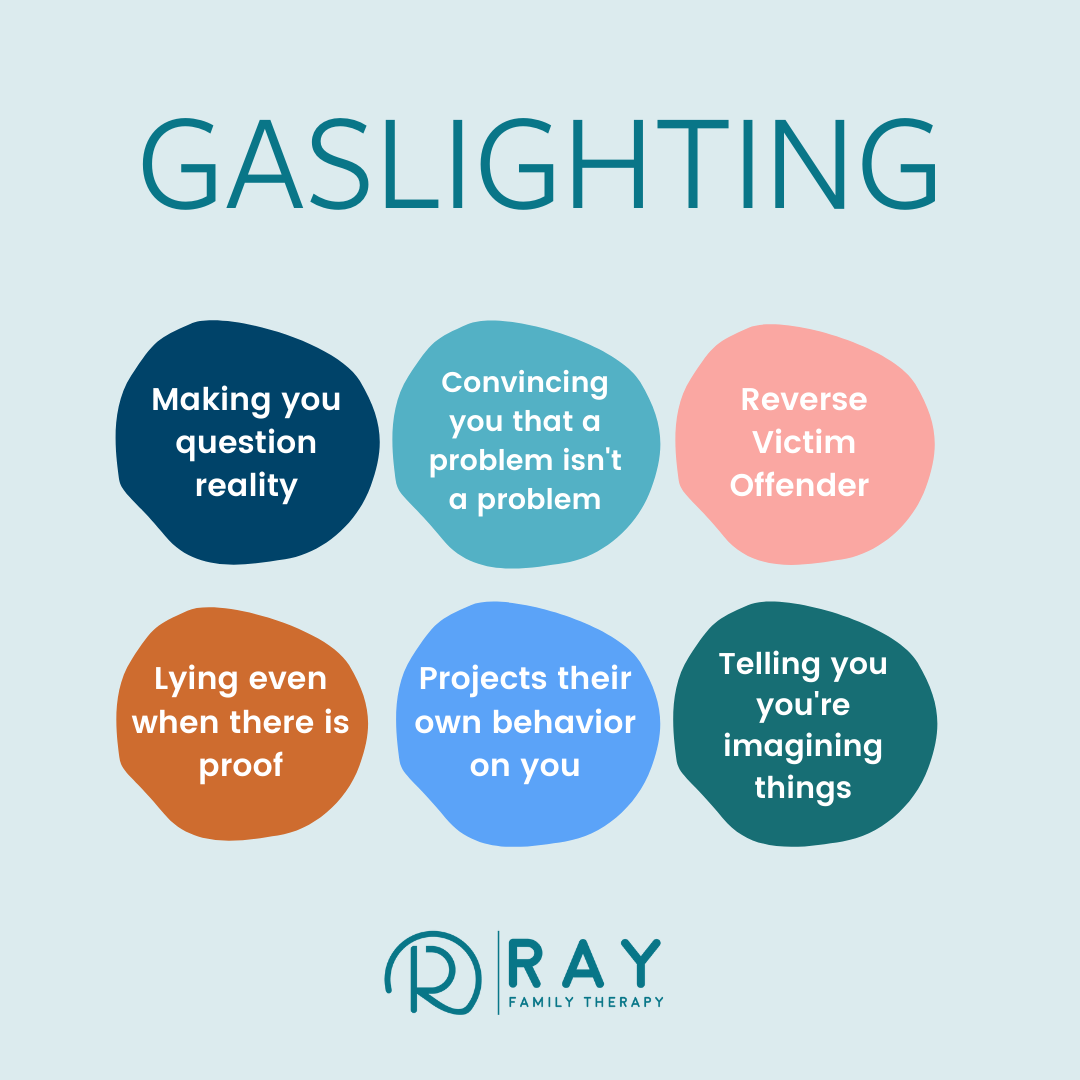
At its core, gaslighting thrives on distortion. A gaslighter might deny events that clearly occurred, dismiss your feelings as “overreactions,” or accuse you of imagining things. Phrases like “That never happened,” “You’re too sensitive,” or “Are you crazy?” are common refrains designed to sow seeds of doubt. Over time, this consistent invalidation leads the target to internalize the gaslighter’s narrative, doubting their own memory, judgment, and ultimately, their sanity. This internal turmoil directly undermines the coherence and confidence required to project a genuine personal brand. An authentic personal brand is built on a clear sense of self and an unwavering belief in one’s experiences and perspectives. When this belief is systematically dismantled, the ability to articulate one’s vision, stand firm on one’s values, or even trust one’s own decisions becomes severely compromised, impacting every facet of personal and professional life. The individual becomes hesitant, insecure, and less capable of asserting their unique identity, which is the very essence of effective personal branding.
Gaslighting in the Professional Arena: Safeguarding Your Reputation
The workplace, often a complex ecosystem of power dynamics and collaborative efforts, is unfortunately not immune to gaslighting. Here, the manipulation can be even more damaging, directly threatening one’s professional reputation, career trajectory, and perceived competence. Gaslighting in a professional context often manifests as a manager systematically undermining an employee’s contributions, a colleague taking credit for work, or a team member denying conversations or agreements.
Consider a scenario where a superior consistently dismisses your ideas as “unrealistic” or “ill-conceived,” even when they align with company goals, while simultaneously presenting similar ideas as their own innovative solutions. They might deny ever having given you specific instructions, leading to missed deadlines or errors for which you are then blamed. They may subtly imply you’re forgetful or unreliable by saying, “I don’t recall ever telling you that, perhaps you misunderstood?” This consistent chipping away at your professional credibility can make you doubt your capabilities, your memory of instructions, or your strategic thinking. Colleagues might start to perceive you as less reliable or competent, not because of actual performance issues, but because of the insidious narrative created by the gaslighter. Your professional brand, which you meticulously build through competence, reliability, and clear communication, is thus actively targeted. This erosion of trust and competence not only hinders your ability to perform but also impacts your prospects for promotion, client relations, and overall career satisfaction. Protecting your professional brand means recognizing these tactics early and having strategies to counteract them, ensuring that your contributions are acknowledged and your reputation remains untarnished by manipulative behaviors.
Detecting Manipulative Communication: Broader Implications for Brand Trust
While often discussed in interpersonal relationships, the principles of gaslighting extend to broader communicative contexts, particularly in the realm of brand strategy and public perception. Brands, whether personal or corporate, rely heavily on trust, transparency, and a consistent narrative. When communication strategies deviate from these principles in ways that mirror gaslighting tactics, they can severely damage a brand’s integrity and long-term viability.
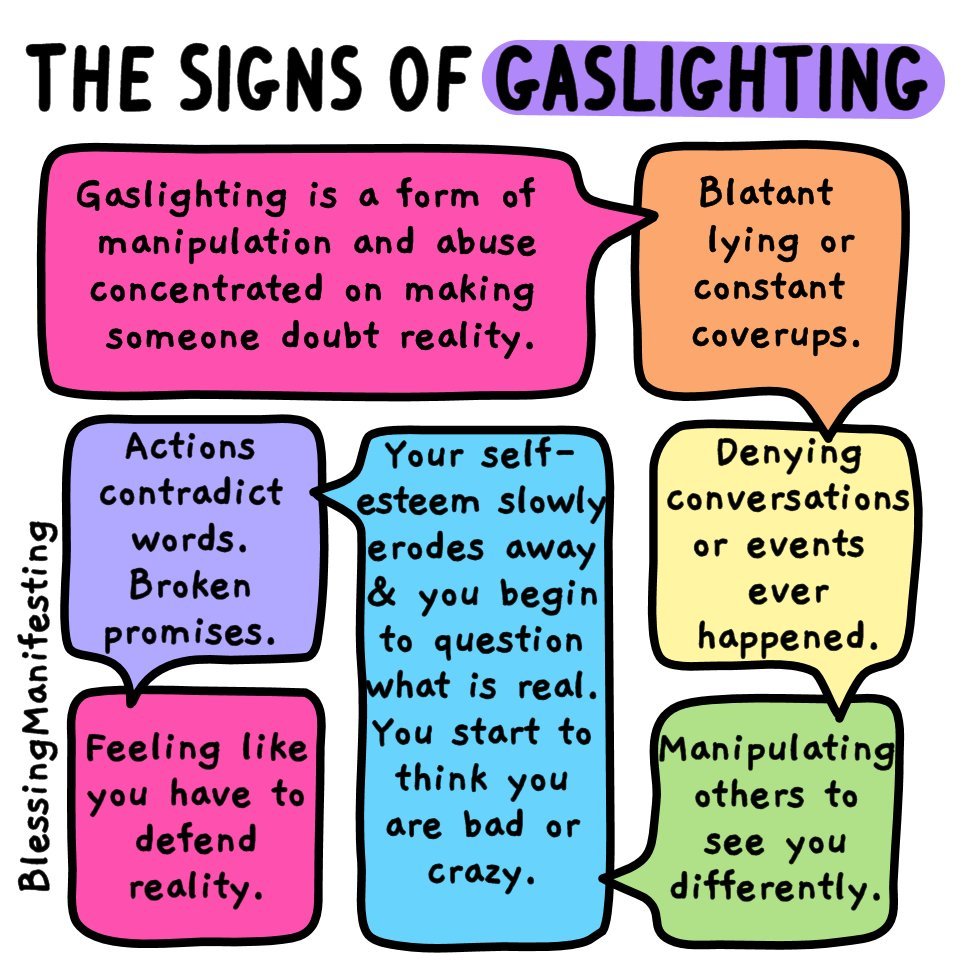
For instance, consider a corporate brand that consistently denies product flaws despite overwhelming customer feedback, dismisses legitimate complaints as “isolated incidents,” or attempts to reframe past mistakes as “misunderstandings” or “customer error.” This pattern of denial, invalidation, and distortion of reality mirrors gaslighting. It forces customers and stakeholders to question their own experiences and perceptions, eroding their trust in the brand’s honesty and accountability. Such tactics, even if not intentionally malicious, create a sense of cognitive dissonance for the audience, leading to disengagement and distrust. A brand’s identity is built on its promises, its actions, and its perceived integrity. When a brand’s communication strategy gaslights its audience, it risks being seen as manipulative, dishonest, and untrustworthy. This can lead to significant reputational damage, customer churn, and a decline in market share. True brand strength comes from acknowledging reality, taking responsibility, and communicating openly and authentically. Understanding what gaslighting looks like helps brands not only avoid such damaging practices themselves but also to identify and respond effectively when external narratives attempt to gaslight them or their community. Ethical brand communication, therefore, explicitly avoids any strategy that could make stakeholders doubt their legitimate experiences or perceptions, instead fostering an environment of respect and mutual understanding.
Building Resilience: Fortifying Your Brand Against Manipulation
Recognizing gaslighting is the first critical step; the next is to build robust strategies to fortify your personal and professional brand against its corrosive effects. Resilience against manipulation requires a combination of external safeguards and internal strength, ensuring your narrative and self-perception remain intact.
Documenting Reality: Building an Evidence Trail
One of the most effective countermeasures against gaslighting is to diligently document reality. Because gaslighters thrive on making you doubt your memory, creating an objective record can be invaluable. This means keeping a detailed log of interactions, conversations, and commitments. For personal brand protection, this could involve journaling your experiences, noting down specific dates, times, and verbatim quotes. Professionally, this translates to keeping comprehensive email threads, meeting minutes, and records of tasks and approvals. When a gaslighter attempts to deny an event or conversation (“I never said that”), referring to a documented record provides concrete evidence, reinforcing your memory and validating your perception. This trail of evidence not only serves as a personal anchor of truth but also as a potential tool to present to a trusted third party, such as HR or a mentor, if the situation escalates.
Trusting Your Gut: Re-establishing Self-Trust
Gaslighting systematically undermines self-trust. Rebuilding this internal compass is paramount for maintaining a strong personal brand. Start by consciously acknowledging and validating your own feelings and instincts. If something feels off, it probably is. Practice self-affirmation and remind yourself of your experiences and competencies. Engage in activities that boost your confidence and reinforce your sense of self-worth. Seeking feedback from trusted friends, family, or colleagues who have no stake in the manipulative dynamic can provide objective validation, helping you distinguish your reality from the gaslighter’s distorted version. This external validation, coupled with internal self-reflection, gradually restores your confidence in your own judgment, enabling you to project an authentic and self-assured personal brand.

Setting Boundaries and Disengaging
Ultimately, protecting your brand from a gaslighter often requires establishing clear, firm boundaries and, in some cases, disengaging. This means defining what behavior you will and will not tolerate, and consistently enforcing those limits. It might involve limiting contact, refusing to engage in circular arguments, or directly confronting the gaslighter with your documented reality without seeking their validation. In professional settings, this could mean escalating concerns to HR, seeking a transfer, or even exploring new career opportunities if the environment becomes irredeemably toxic. Disengaging doesn’t mean you’ve lost; it means you’ve prioritized your mental well-being and the integrity of your personal and professional brand over continuing to participate in a destructive dynamic. By setting these boundaries, you reclaim control over your narrative and protect the very essence of who you are and how you wish to be perceived.
aViewFromTheCave is a participant in the Amazon Services LLC Associates Program, an affiliate advertising program designed to provide a means for sites to earn advertising fees by advertising and linking to Amazon.com. Amazon, the Amazon logo, AmazonSupply, and the AmazonSupply logo are trademarks of Amazon.com, Inc. or its affiliates. As an Amazon Associate we earn affiliate commissions from qualifying purchases.