
The art of narrative construction relies heavily on the delicate balance between revelation and concealment. As authors weave their tales, they often employ specific literary devices to guide the audience’s emotional trajectory and intellectual engagement. Among these tools, foreshadowing stands as perhaps the most vital component for building structural integrity and thematic depth. While a surface-level reading might suggest that foreshadowing is merely a hint of what is to come, its true value lies in how it shapes the reader’s cognitive experience, transforming a simple linear timeline into a layered, resonant masterpiece.
Cultivating Anticipation Through Strategic Narrative Planting
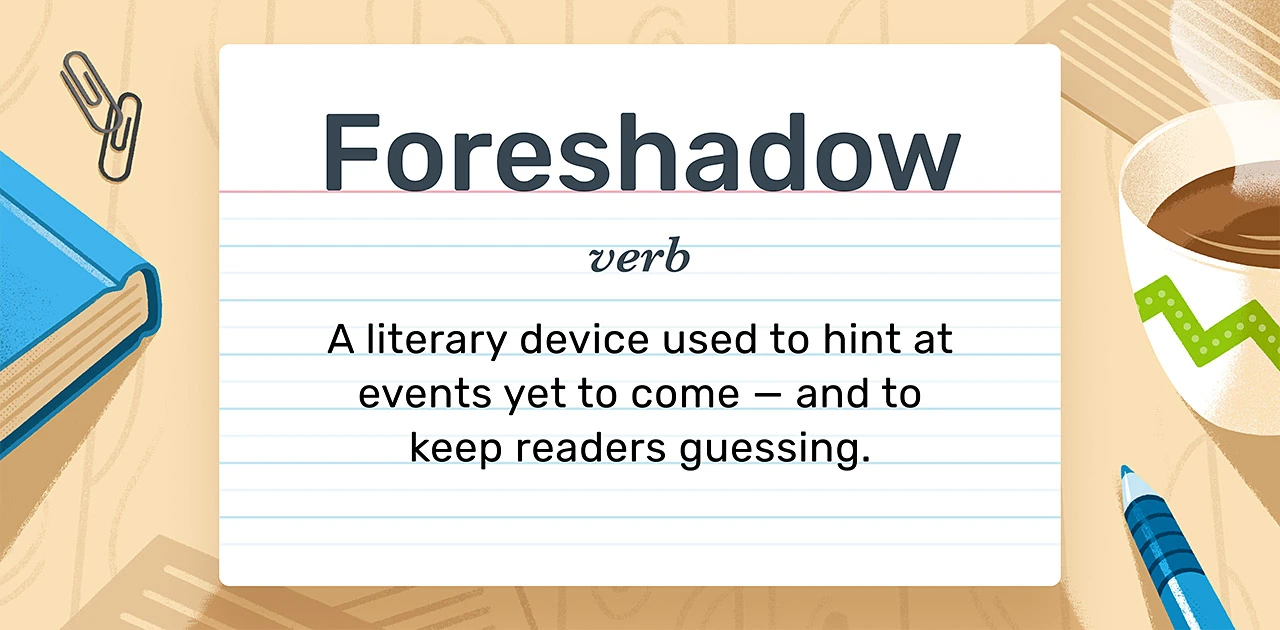
At its core, foreshadowing acts as an architect’s blueprint for the reader’s curiosity. By dropping subtle clues—whether through dialogue, atmospheric shifts, or symbolic objects—the author invites the audience to participate in the act of creation. This is not about spoiling the outcome, but rather about priming the reader’s psyche to anticipate change, tension, or resolution.
The Psychology of Predictive Engagement
When a reader encounters foreshadowing, their cognitive engagement intensifies. The brain is inherently designed to solve puzzles; when an author provides a breadcrumb trail, the reader subconsciously begins to construct hypotheses about the plot’s direction. This transformation of the reader from a passive observer to an active investigator is essential for maintaining momentum. When a character mentions a fear of deep water in the first chapter, the reader’s focus sharpens whenever the protagonist nears a lake or ocean later in the story. This anticipation creates a sustained state of tension that keeps the audience glued to the page, effectively managing the “pacing” of the narrative by keeping the future in the reader’s peripheral vision.
Balancing Mystery and Certainty
Effective foreshadowing provides just enough information to keep the reader grounded without removing the element of surprise. It establishes a “contract” of trust between the author and the audience. If an ending arrives without any prior indication of its possibility, it often feels like a cheap “deus ex machina” or a betrayal of the internal logic of the world. Conversely, well-placed foreshadowing ensures that when the climax arrives, it feels inevitable. It validates the reader’s intuition, making the eventual reveal feel earned rather than forced. This equilibrium is what elevates a story from a series of events to a cohesive, satisfying experience.
Establishing Thematic Cohesion and Depth
Beyond simple plot progression, foreshadowing serves as a powerful instrument for reinforcing the central themes of a narrative. It allows the author to weave subtext into the fabric of the story, ensuring that the ending resonates not just as a conclusion of plot, but as a realization of truth.
Symbolism as a Foreshadowing Engine
Objects and motifs are frequently used to foreshadow thematic developments. A recurring image, such as a wilting flower, a ticking clock, or a changing seasonal landscape, can mirror the internal transformation of a character. By introducing these symbols early, the author creates a visual shorthand for the story’s ultimate conclusion. When the reader recognizes these patterns, they are essentially experiencing the theme on an unconscious level before the protagonist has even articulated it. This gives the story a sense of weight and purpose, suggesting that the narrative is governed by a deeper design rather than random chaos.

Thematic Inevitability
Foreshadowing forces the reader to confront the “why” of the story before they encounter the “what.” By highlighting certain character flaws or societal structures early on, the author sets the stage for the consequences that follow. If a story aims to explore the corrupting nature of power, foreshadowing might include small, seemingly insignificant displays of arrogance in the protagonist’s early life. By the time the final tragedy occurs, the reader has already been conditioned to understand the thematic necessity of that downfall. This deepens the impact of the conclusion, as the audience is not merely surprised by the events, but emotionally convinced of their necessity.
Constructing Narrative Unity and Structural Integrity
For the reader, the experience of a story is often fragmented, moving through time and shifting perspectives. Foreshadowing acts as the glue that holds these disparate pieces together, ensuring that the narrative feels like a complete, singular vision rather than a disjointed sequence of scenes.
Creating the “Aha!” Moment
One of the most rewarding experiences for a reader is the retrospective realization—that moment when they look back and see how every detail was placed with intent. Foreshadowing facilitates this through the “re-readability” factor. When a reader discovers a clue they missed during their first pass, they gain a newfound appreciation for the author’s craftsmanship. This creates a sense of unity where the beginning and the end are intrinsically linked. The story becomes a closed loop, perfectly circular and logically sound, which provides the reader with a deep sense of intellectual satisfaction.
Managing Dramatic Irony
Foreshadowing is frequently the primary driver of dramatic irony, a situation where the reader knows more than the characters within the story. This dynamic shifts the reader’s role from a fellow traveler to an omniscient observer. When the audience detects a foreshadowed danger that the hero ignores, the resulting anxiety and empathy create an intense emotional bond between the reader and the protagonist. We want to shout at the page, to warn them, to intervene. This form of engagement is only possible through the strategic use of foreshadowing, which grants the reader a superior perspective that enhances the emotional stakes of the narrative.
Enhancing Emotional Impact Through Calculated Disclosure
The final, and perhaps most important, benefit of foreshadowing is its role in emotional preparation. Stories are rarely just about events; they are about how those events make us feel. Foreshadowing allows the author to modulate the intensity of the climax, ensuring that the emotional payoff hits with maximum force.
Subverting Expectations for Greater Resonance
Sometimes, the best use of foreshadowing is to set up an expectation only to pivot slightly at the last moment. This is often referred to as “red herring” foreshadowing. While this can be risky, when handled with skill, it allows the reader to engage in a high-stakes emotional gamble. By anticipating a specific outcome, the reader becomes invested in the success or failure of that expectation. Even if the actual outcome is different, the process of having anticipated the path has prepared the reader to process the true climax with greater depth and clarity.

The Comfort of the Inevitable
Ultimately, human beings are drawn to stories because we seek order in a chaotic world. Foreshadowing provides a form of structural comfort. It suggests that, in the world of the story, there is causality and meaning. By carefully mapping out the trajectory of the plot through foreshadowing, the author creates a sense of “narrative fate.” The reader feels that the ending was always meant to happen, that the journey was deliberate, and that the struggles endured were part of a coherent tapestry. This sense of completion is what allows a reader to close a book and feel that they have truly lived a secondary life, one that was perfectly realized from the very first sentence to the very last. Through the lens of foreshadowing, the story ceases to be a product and becomes an experience—one that lingers in the mind, demanding reflection long after the final page is turned.
aViewFromTheCave is a participant in the Amazon Services LLC Associates Program, an affiliate advertising program designed to provide a means for sites to earn advertising fees by advertising and linking to Amazon.com. Amazon, the Amazon logo, AmazonSupply, and the AmazonSupply logo are trademarks of Amazon.com, Inc. or its affiliates. As an Amazon Associate we earn affiliate commissions from qualifying purchases.