
In the rapidly evolving landscape of technology, the difference between a market-leading product and a catastrophic failure often lies in a company’s ability to anticipate problems before they occur. As software systems become more complex and hardware integration becomes more intricate, the need for a systematic approach to risk management has never been greater. This is where FMEA comes into play.
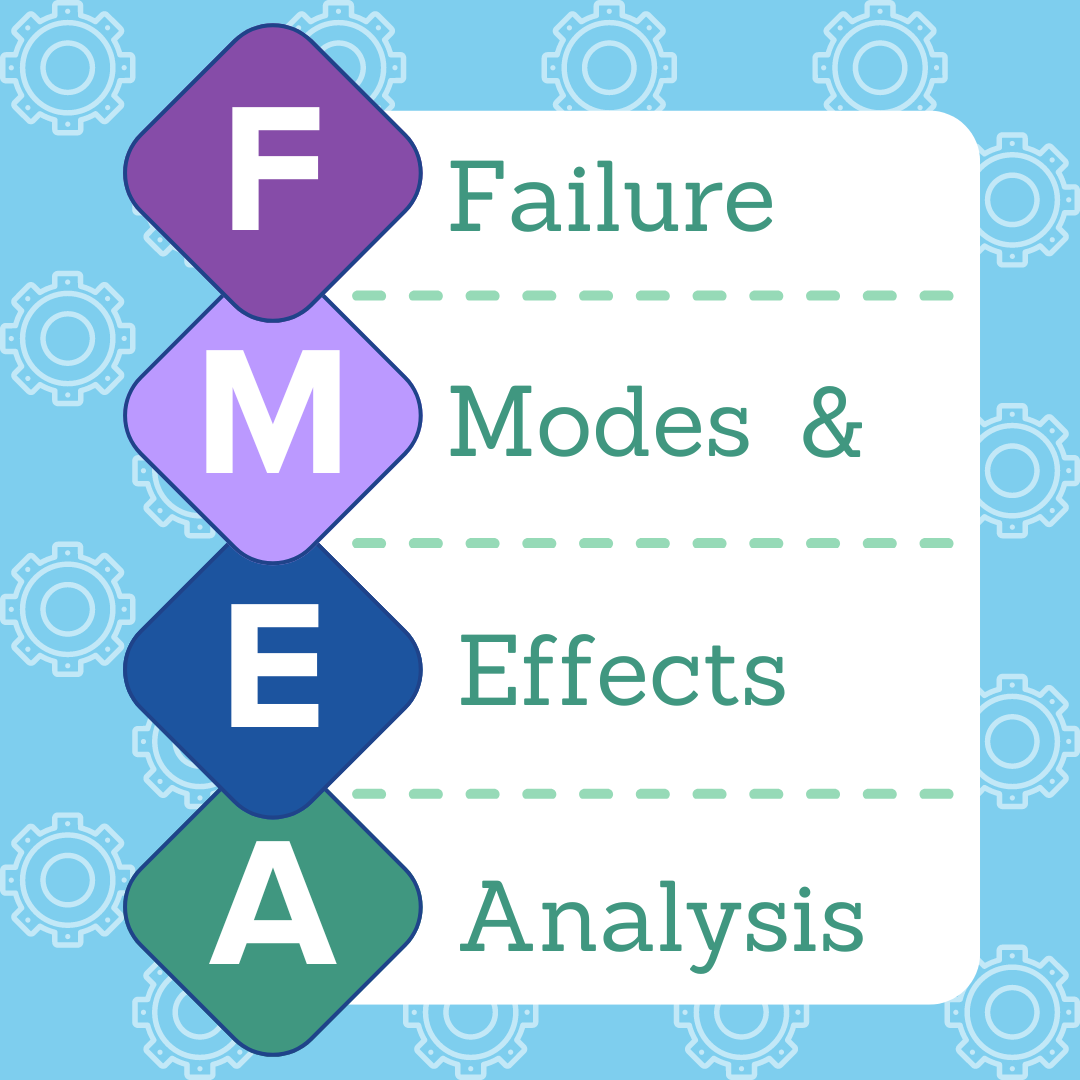
FMEA stands for Failure Mode and Effects Analysis. It is a proactive, step-by-step methodology used to identify all possible failures in a design, a manufacturing process, or a software system. By analyzing the “failure modes”—the ways in which something might fail—and the “effects”—the consequences of those failures—tech organizations can build more resilient, reliable, and secure products.
Decoding FMEA: Definition and Core Principles in Tech
At its core, FMEA is an engineering logic tool designed to prevent errors. In the tech sector, where a single bug can result in millions of dollars in losses or a breach of sensitive user data, FMEA serves as a foundational pillar of Quality Assurance (QA) and Reliability Engineering.
The Anatomy of Failure Modes
A “failure mode” refers to the specific manner in which a technological component or software module fails to meet its intended function. In a cloud computing environment, a failure mode might be a server timeout. In a consumer gadget, it could be a lithium-ion battery overheating. The goal of FMEA is to catalog every conceivable failure mode, no matter how unlikely it may seem during the initial design phase.
Understanding Effects and Severity
Once a failure mode is identified, the next step is “Effects Analysis.” This involves studying the consequences of that failure on the end-user or the system as a whole. Engineers must ask: If this database query fails, does the entire application crash (high severity), or does the user simply see a delayed loading icon (low severity)? By quantifying the severity of the effect, tech teams can prioritize which issues require immediate architectural changes and which can be managed through secondary patches.
The Origins and Evolution of FMEA
While FMEA is now a staple in software development and hardware engineering, it originated in the military and aerospace industries during the 1940s. It was later refined by NASA to ensure the success of the Apollo missions. Today, the tech industry has adapted these rigorous standards to fit the pace of digital transformation, moving from physical components to virtualized environments and automated code pipelines.
The FMEA Process in Software and Systems Engineering
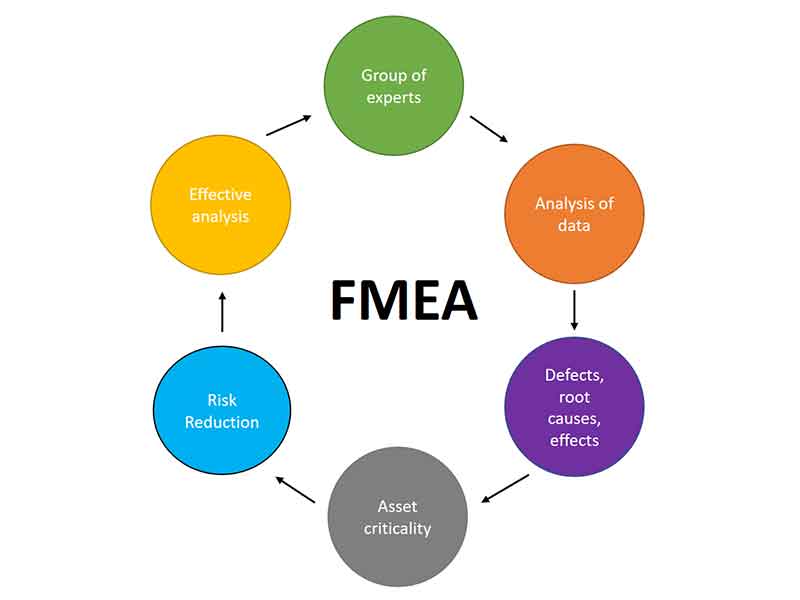
Implementing FMEA in a tech context requires a structured approach that involves cross-functional teams, including developers, product managers, and security analysts. The process is designed to turn abstract fears about system stability into actionable data points.
Identifying Potential Vulnerabilities
The process begins with a “functional breakdown.” For a software application, this means mapping out every feature—from user authentication to data export. For each function, the team brainstorms potential vulnerabilities. For instance, in an AI-driven tool, a potential failure mode might be “algorithmic bias,” where the model produces skewed results due to unrepresentative training data. Identifying these vulnerabilities early in the development lifecycle is significantly more cost-effective than fixing them after a public release.
Calculating the Risk Priority Number (RPN)
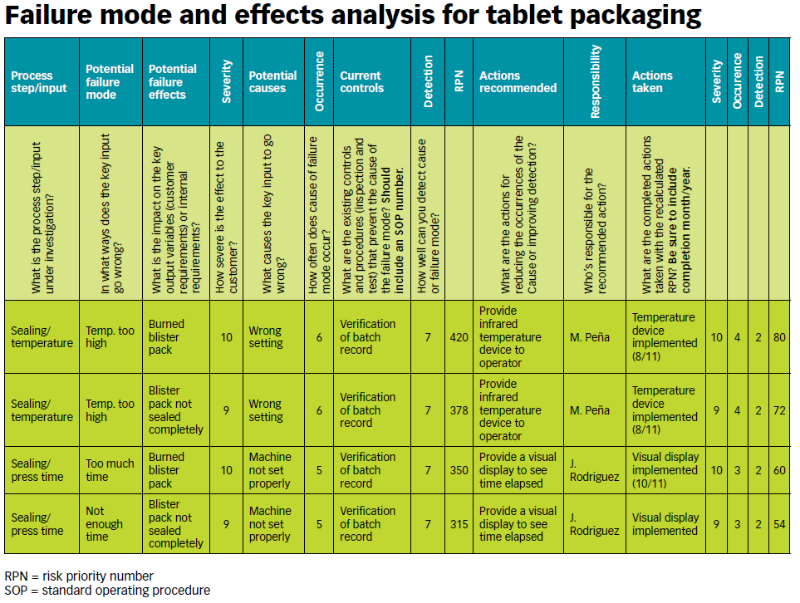
The most powerful aspect of FMEA is its ability to quantify risk using the Risk Priority Number (RPN). The RPN is calculated by multiplying three factors, usually on a scale of 1 to 10:
- Severity (S): How serious is the impact of the failure?
- Occurrence (O): How likely is this failure to happen?
- Detection (D): How easily can the failure be detected before it reaches the customer?
The formula (S × O × D = RPN) allows tech teams to rank risks objectively. A high-severity security flaw that is difficult to detect would receive a high RPN, signaling that it must be addressed immediately, even if its occurrence is relatively low.
Prioritizing Critical Fixes and Mitigations
Once the RPNs are established, the engineering team develops a mitigation plan. This might involve adding redundancy to a server cluster, implementing stricter input validation in the code, or redesigning a hardware thermal management system. The FMEA is not a one-time document; it is a living record that is updated as the technology evolves and new risks emerge.
Integrating FMEA into Agile and DevOps Workflows
In the modern era of “move fast and break things,” some might view FMEA as a slow, bureaucratic process. However, the most successful tech companies have found ways to integrate FMEA into Agile and DevOps workflows, ensuring that speed does not come at the expense of stability.
FMEA vs. Automated Testing
While automated testing (unit tests, integration tests, and end-to-end tests) is essential, it typically looks for “known” errors. FMEA, conversely, encourages engineers to think about “unknown” risks. By incorporating FMEA sessions during the “Sprinting” or “Planning” phase of Agile development, teams can design tests that specifically target the high-risk failure modes identified in the analysis. This creates a more robust testing suite that is aligned with actual business risks.
Continuous Improvement and the Feedback Loop
In a DevOps environment, FMEA provides a feedback loop for continuous improvement. When an outage occurs in a live environment—often referred to as an “Incident”—the post-mortem analysis should refer back to the original FMEA. If the failure mode was not identified in the FMEA, the document is updated. If the failure mode was identified but the RPN was underestimated, the scoring system is refined. This ensures that the organization’s collective intelligence grows with every deployment.
Facilitating Cross-Functional Communication
One of the hidden benefits of FMEA in tech is that it forces different departments to speak the same language. A developer might focus on code efficiency, while a security expert focuses on encryption and a product manager focuses on user experience. FMEA brings these stakeholders together to agree on what constitutes a “failure” and how much risk the organization is willing to tolerate for a specific release.
Future-Proofing Tech Infrastructure with FMEA
As we look toward the future of technology—dominated by Artificial Intelligence, the Internet of Things (IoT), and decentralized systems—the application of FMEA is becoming even more critical.
Predictive Maintenance and AI-Driven FMEA
The next frontier for FMEA is the integration of AI and machine learning to predict failure modes. Instead of humans brainstorming potential issues, AI models can analyze historical data from millions of devices to identify patterns that lead to failure. In industrial tech and IoT, this enables “predictive maintenance,” where a component is replaced just before it is calculated to fail, based on its specific FMEA profile.
Enhancing Digital Security through Risk Analysis
In the realm of cybersecurity, FMEA is used to analyze potential attack vectors. By treating a cyberattack as a “failure mode” of the security system, tech companies can evaluate the severity of a data breach and the likelihood of its occurrence. This allows for a more strategic allocation of cybersecurity budgets, focusing on protecting the most critical assets identified during the FMEA process.
Resilience in Cloud and Edge Computing
As tech moves toward Edge Computing—where processing happens closer to the user rather than in a central data center—the number of failure points increases exponentially. FMEA allows architects to build “graceful degradation” into these systems. This means that if one node fails, the system is designed to stay functional, albeit at a reduced capacity, rather than failing entirely.
Conclusion
Understanding what FMEA stands for is only the first step. For tech professionals, the true value lies in applying Failure Mode and Effects Analysis as a rigorous, data-driven framework for excellence. In an industry defined by innovation, FMEA provides the necessary guardrails that allow for creative risks without compromising system integrity.
By identifying failure modes early, calculating risk through the RPN, and integrating these insights into Agile and DevOps cycles, technology companies can build products that are not only innovative but also incredibly reliable. Whether you are developing a simple mobile app or a complex satellite communications network, FMEA remains the gold standard for ensuring that when the unexpected happens, your technology is ready to handle it.
aViewFromTheCave is a participant in the Amazon Services LLC Associates Program, an affiliate advertising program designed to provide a means for sites to earn advertising fees by advertising and linking to Amazon.com. Amazon, the Amazon logo, AmazonSupply, and the AmazonSupply logo are trademarks of Amazon.com, Inc. or its affiliates. As an Amazon Associate we earn affiliate commissions from qualifying purchases.