
In the lexicon of psychology, the term “flying monkeys” refers to third-party individuals who act on behalf of a narcissist or an aggressor to harass, spy on, or discredit a victim. The term is derived from L. Frank Baum’s The Wizard of Oz, where the Wicked Witch of the West dispatches winged primates to do her bidding. However, as our social and professional lives have migrated into the digital sphere, the concept of the “flying monkey” has undergone a profound technological transformation.
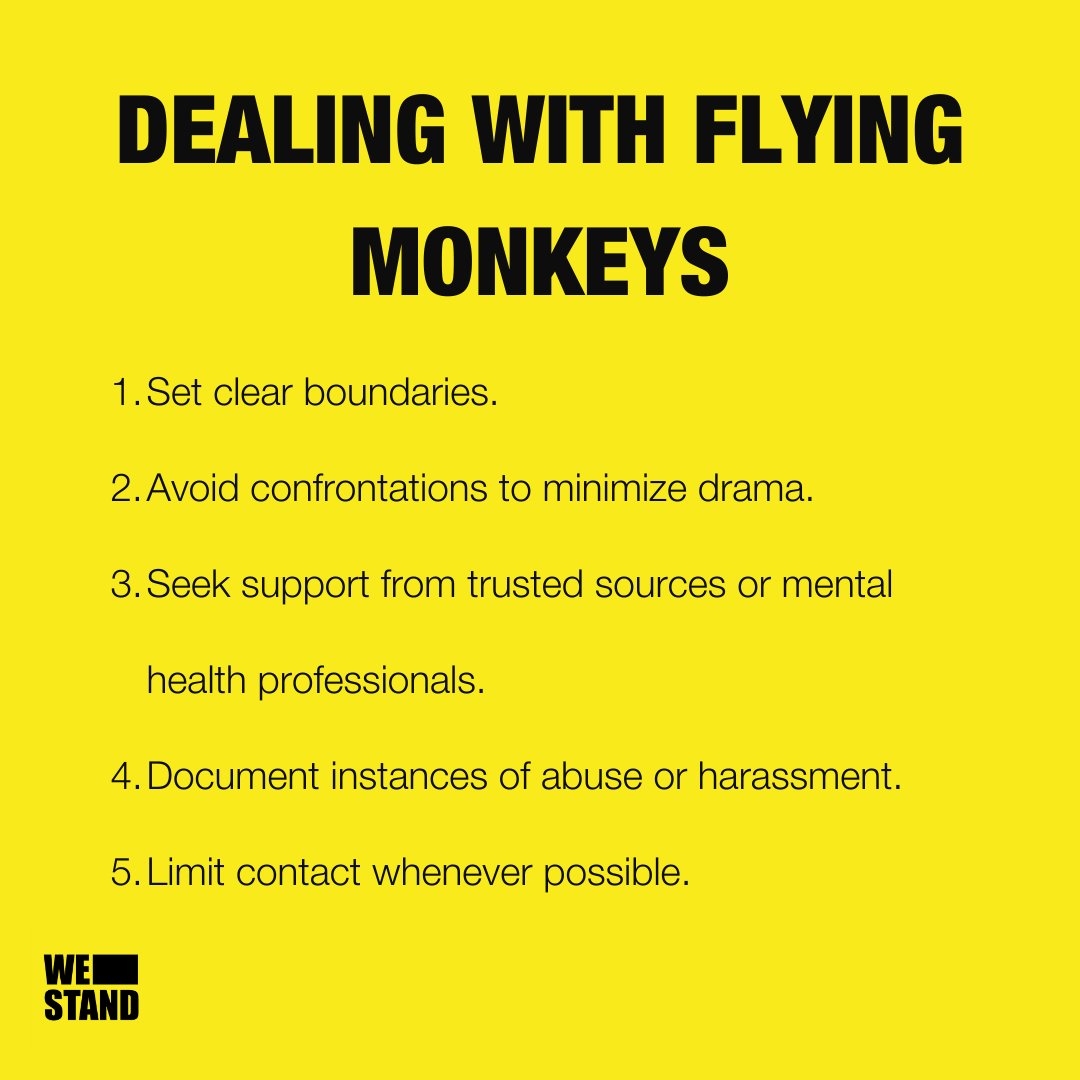
Today, when we ask “what does flying monkeys mean” in a technical context, we are no longer just discussing human behavior. We are discussing the intersection of social engineering, automated botnets, AI-driven misinformation, and the weaponization of digital platforms. In the realm of technology and digital security, “flying monkeys” represent a sophisticated model of coordinated inauthentic behavior (CIB) used to manipulate public perception, bypass security filters, and launch distributed attacks on reputations and infrastructures.
Decoding the Digital “Flying Monkey”: Automation and Orchestrated Influence
The modern digital “flying monkey” is a proxy. In technical terms, it is an entity—human, bot, or hybrid—that executes a secondary attack or influence operation to shield the primary actor from detection or accountability. This transition from individual psychology to scalable software architecture is a defining trend in 21st-century digital threats.
From Psychology to Software: Defining the Term
In a tech-centric niche, a flying monkey is defined as a node within a coordinated network designed to amplify a specific narrative or execute a targeted harassment campaign. Unlike a standard “troll,” which may act independently, a flying monkey operates as part of a hierarchical structure. The “Wicked Witch” is the central command-and-control (C2) server or the human operator using a dashboard to orchestrate thousands of accounts simultaneously.
The Mechanics of Coordinated Inauthentic Behavior (CIB)
Tech giants like Meta and Google frequently use the term “Coordinated Inauthentic Behavior” to describe the technological manifestation of flying monkeys. This involves a network of accounts that mislead users about who they are and what they are doing. From a software perspective, this requires sophisticated account management tools that can rotate IP addresses via proxy servers, simulate human typing cadences, and bypass multi-factor authentication (MFA) through session hijacking or social engineering.
The Tech Stack Behind Modern Digital Harassment
The scale at which modern “flying monkeys” operate is made possible by a specific stack of technologies. These tools have democratized the ability to launch massive influence operations that were once the exclusive domain of state-level actors.
AI-Powered Persona Management
The advent of Large Language Models (LLMs) has revolutionized the “flying monkey” phenomenon. Previously, botnets were easy to spot because they repeated the same phrases. Today, AI tools allow a single operator to generate thousands of unique, context-aware comments and posts. These AI-driven proxies can engage in complex arguments, mimic the slang of specific subcultures, and maintain a consistent “personality” over months, making them nearly indistinguishable from genuine users.
Scripting and Automation Tools for Social Engineering
Sophisticated software suites allow operators to manage “sockpuppet” accounts across multiple platforms from a single interface. These tools use Selenium or Puppeteer—libraries designed for web testing—to automate browser actions. By scripting the behavior of these digital monkeys, an operator can ensure that every time they post a piece of content, a hundred “flying monkeys” immediately like, share, and defend it, gaming the platform’s algorithms to grant the content artificial “velocity” and visibility.
Bot Farms and the Scaling of Influence
The hardware side of this operation often involves “phone farms”—clusters of physical mobile devices connected to a central server. This allows the flying monkeys to appear as if they are coming from unique hardware IDs and legitimate cellular networks, rather than a single data center. This makes it incredibly difficult for digital security systems to flag the activity as automated, as the signals mimic legitimate consumer hardware signatures.
Impact on Digital Security and Information Integrity

The presence of digital flying monkeys poses a significant threat to the integrity of the internet ecosystem. When these proxies are deployed, they do more than just annoy individuals; they degrade the quality of data and the reliability of digital security measures.
Distorting Public Perception via Algorithmic Manipulation
Most modern social and news platforms rely on algorithms to determine what is “trending.” Digital flying monkeys are specifically designed to exploit these algorithms. By creating a false consensus, they can force a niche or extremist viewpoint into the mainstream. This “algorithmic hijacking” is a primary concern for developers and data scientists who must constantly refine their models to distinguish between organic engagement and orchestrated “monkey” activity.
The “DDoS” of Personal and Corporate Reputation
In cybersecurity, a Distributed Denial of Service (DDoS) attack overwhelms a server with traffic. Digital flying monkeys perform a psychological and social version of this. By swarming a target’s mentions, reporting their accounts for “violations” in a coordinated strike, and flooding search engine results with negative content, they create a “Reputational DDoS.” The technology used here includes automated reporting scripts and SEO-poisoning tools that ensure the negative narrative remains at the top of Google’s search results.
Defensive Technologies: How to Counter Digital Flying Monkeys
As the technology to deploy flying monkeys evolves, so too does the tech used to detect and neutralize them. The battle is currently an arms race between automated aggression and automated defense.
AI Detection and Machine Learning Filters
Security firms are now deploying machine learning models trained specifically to identify “coordinated” movement. While an individual AI-generated post might look human, the timing of a thousand posts across different time zones often reveals a non-human pattern. High-frequency pattern analysis allows platforms to shadowban or rate-limit accounts that exhibit “monkey-like” behavior—such as responding to a specific keyword within milliseconds of it being posted.
Blockchain-Based Identity and Proof of Personhood
To combat the rise of digital proxies, many tech visionaries are looking toward “Proof of Personhood” protocols. By using blockchain technology, platforms can create decentralized identity markers that are difficult for bots to replicate. Technologies like “Worldcoin” or biometrically-linked NFT IDs aim to ensure that every account belongs to a unique human. While controversial due to privacy concerns, these tools represent a direct technological answer to the problem of scalable flying monkeys.
Future Trends: The Evolution of Autonomous Social Agents
Looking forward, the concept of “flying monkeys” is likely to move toward full autonomy. We are entering an era of “Autonomous Social Agents”—software entities that don’t just wait for instructions from a “Wicked Witch” but use goal-oriented AI to identify and attack targets based on a set of broad objectives.
In this future, a brand or individual might find themselves under attack by a self-optimizing swarm of bots that learns which insults or arguments are most effective in real-time. This necessitates a shift in digital security from reactive blocking to proactive, AI-driven “reputation firewalls.”
The Rise of Synthetic Influencers as Proxies
We are already seeing the emergence of high-fidelity synthetic influencers—CGI-rendered personalities with millions of followers. In the wrong hands, these act as the ultimate flying monkeys. Because they are corporate-owned and AI-managed, they can be used to pivot public opinion without the risk of a human “proxy” ever turning against the primary actor.

Conclusion: Navigating a Proxied World
Understanding “what flying monkeys mean” in the modern tech landscape is essential for anyone involved in digital marketing, cybersecurity, or software development. The term has evolved from a niche psychological observation into a framework for understanding how coordinated, automated influence functions in a hyper-connected world.
As we continue to build and inhabit digital spaces, the challenge will be maintaining the “human” element of the internet. Whether through better AI detection, more robust identity verification, or a deeper understanding of social engineering tactics, the goal remains the same: to ground the digital world in reality and prevent the “winged monkeys” of automation from drowning out authentic human discourse. The defense against these digital swarms is not just better code, but a more resilient and informed digital citizenry that can recognize the strings of the puppeteer behind the screen.
aViewFromTheCave is a participant in the Amazon Services LLC Associates Program, an affiliate advertising program designed to provide a means for sites to earn advertising fees by advertising and linking to Amazon.com. Amazon, the Amazon logo, AmazonSupply, and the AmazonSupply logo are trademarks of Amazon.com, Inc. or its affiliates. As an Amazon Associate we earn affiliate commissions from qualifying purchases.