
In the hyper-accelerated landscape of digital communication, language evolves at a pace that often leaves traditional brand strategies in the rearview mirror. For marketing executives, creative directors, and brand strategists, understanding the nuances of modern vernacular is no longer just a matter of staying “hip”—it is a critical component of cultural intelligence and audience resonance. Among the most prevalent terms to migrate from specific regional dialects to the global digital mainstream is “finna.”
To the uninitiated, “finna” might appear to be a mere typo or a fleeting trend. However, its roots are deep, and its usage in the professional sphere requires a sophisticated understanding of brand identity, cultural appropriation, and linguistic agility. Understanding what “finna” means and how it functions within the broader social discourse is essential for any brand aiming to navigate the complexities of modern consumer engagement.

Understanding the Etymology and Digital Proliferation of “Finna”
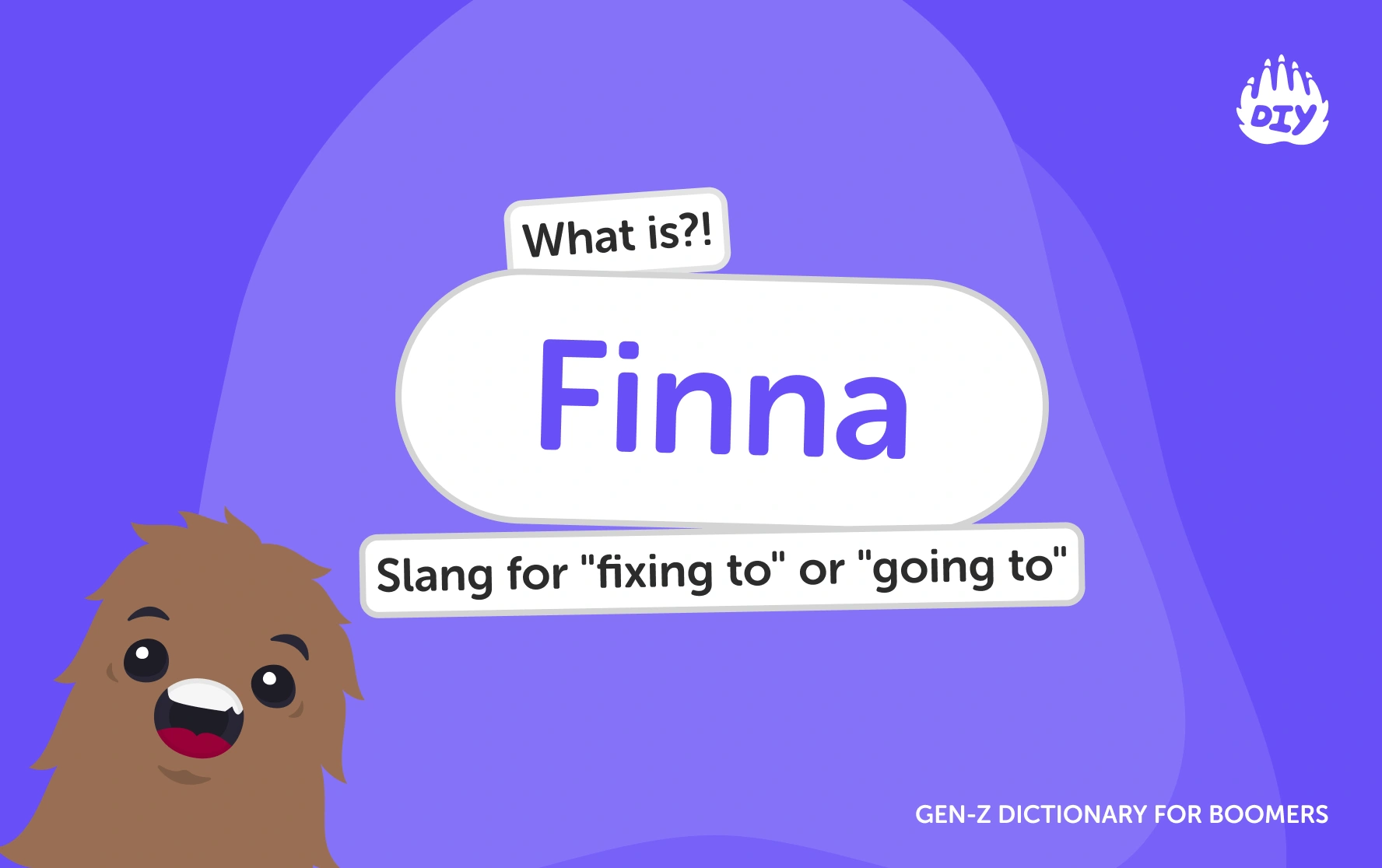
Before a brand can decide whether to integrate contemporary slang into its voice, it must understand the history and mechanics of the language it is borrowing. “Finna” is a contraction of the phrase “fixing to,” a staple of Southern American English and African American Vernacular English (AAVE). It functions as an immediate future tense marker, indicating an intention to perform an action in the very near future.
The Linguistic Mechanics of the Term
Linguistically, “finna” represents a phonological reduction. Just as “going to” became “gonna” and “want to” became “wanna,” “fixing to” transitioned through various stages of contraction to arrive at “finna.” In practice, saying “I’m finna go to the store” carries a specific sense of readiness and intent that differs slightly from the more general “I’m going to.”
For brands, this distinction is vital. Vernacular is rarely about replacing one word with another; it is about capturing a specific rhythm and attitude. When a brand uses “finna,” it is signaling an alignment with a specific cultural frequency.
The Journey from AAVE to Global Mainstream
The proliferation of “finna” across social media platforms like TikTok, X (formerly Twitter), and Instagram is a testament to the power of digital subcultures in shaping global discourse. What was once a localized dialectical feature has been amplified by the “creator economy.”
However, this transition from subculture to mainstream is often fraught with tension. When a term moves from its original context into the broader commercial lexicon, it often loses its original nuance and becomes a performance of “coolness.” Brands must recognize that using such terms is an entry into a cultural conversation that predates their marketing campaign.
The Role of Vernacular in Brand Strategy and Personal Branding
In an era where consumers crave authenticity and “human” connections, the rigid, corporate “we” of the past is being replaced by a more conversational, personable brand voice. The use of slang, including terms like “finna,” is often a strategic attempt to lower the barrier between the corporation and the consumer.
Creating a Relatable Corporate Identity
Personal branding and corporate identity have converged. Modern brands function as personas; they have “takes” on pop culture, they engage in banter, and they use the same language as their followers. By adopting contemporary slang, a brand can position itself as a peer rather than a distant provider. This is particularly effective in industries like streetwear, gaming, and fast-moving consumer goods (FMCG), where the target demographic is often Gen Z or Millennials.
When a brand successfully integrates vernacular, it creates a sense of “in-group” belonging. The consumer feels that the brand “gets” them. However, this strategy is a high-wire act. If the language feels forced or out of character, it triggers the “fellow kids” meme effect—a term used to describe corporations that try too hard to be trendy and end up appearing out of touch and insincere.
The Psychology of Linguistic Mirroring
Strategic use of slang is a form of linguistic mirroring. In psychology, mirroring is the subconscious replication of another person’s nonverbal signals to build rapport. In digital marketing, mirroring the language of the audience serves the same purpose. If a brand’s target audience is using “finna” to describe their excitement for a new product drop, the brand may choose to mirror that language to validate the audience’s enthusiasm.

The Risk of Performative Language: Navigating Authenticity and Appropriation
The most significant challenge for any brand strategy involving slang is the fine line between appreciation and appropriation. Because “finna” is rooted in AAVE, its use by non-Black creators or corporate entities can be perceived as “digital blackface” or cultural poaching if not handled with extreme sensitivity.
The Uncanny Valley of Corporate Slang
There is a concept in robotics known as the “uncanny valley,” where a robot looks almost human but not quite, causing a sense of unease. A similar phenomenon exists in branding. When a traditional, legacy institution—such as a major commercial bank or a high-end insurance firm—suddenly starts using terms like “finna” in its tweets, it creates a cognitive dissonance. The language doesn’t match the brand’s established equity, leading to a loss of trust.
Authenticity is the currency of the modern market. A brand’s use of language must feel like a natural extension of its values and history. If a brand has never engaged with the communities that originated a term, using that term for a quick engagement boost is often viewed as performative and exploitative.
The Ethics of Cultural Borrowing
Brand strategists must ask: Is our use of this language contributing to the culture, or is it merely extracting value from it? To avoid the pitfalls of appropriation, brands should:
- Diverse Creative Teams: Ensure that the people crafting the message are members of or deeply connected to the cultures from which the language originates.
- Contextual Relevance: Use slang only when it fits the specific context of the message and the platform.
- Long-term Commitment: Don’t just hop on a linguistic trend for a single post; engage with the culture consistently and respectfully.
Linguistic Agility: Integrating Slang into the Corporate Identity Framework
For a brand to use contemporary slang effectively, it needs a robust “Voice and Tone” guide that allows for linguistic agility. This means the brand must be able to shift its language based on the platform, the audience, and the urgency of the message.
Developing a Tiered Voice System
Not every communication channel requires the same level of formality. A brand might use “finna” in a casual TikTok comment or an Instagram Story, but avoid it in a press release or a customer service email.
- Tier 1: Formal/Institutional. (Annual reports, legal documents, PR). Stick to standard professional English.
- Tier 2: Relatable/Professional. (Website copy, email newsletters). Use conversational but grammatically standard language.
- Tier 3: Casual/Viral. (Social media engagement, influencer collaborations). This is where terms like “finna” can live, provided they align with the persona.
Monitoring Linguistic Life Cycles
Slang has a shelf life. What is “finna” today might be “cheugy” (outdated) tomorrow. A sophisticated brand strategy involves monitoring the life cycle of these terms. When a word moves from being a specialized slang term to being used by every corporate account on the internet, it often loses its “cool” factor. At that point, the most strategic move for a brand is to retire the term and move on to the next evolution of language.
Case Studies and Tactical Insights for Modern Marketers
To see how linguistic strategy plays out in the real world, we can look at the divergent paths taken by various brands in their social media presence.
The Success of “Native” Digital Brands
Brands like Netflix, Wendy’s, and Duolingo have built identities that feel native to the internet. They don’t just “use” slang; they participate in the culture that creates it. When the Duolingo mascot uses contemporary vernacular, it works because the brand has established a chaotic, humorous, and deeply human persona over several years. Their use of “finna” or other slang doesn’t feel like a marketing tactic; it feels like a character choice.
The Failure of Forced Relevance
Conversely, many brands have faced backlash for using AAVE or Gen Z slang in ways that feel patronizing. When a brand uses “finna” incorrectly—for example, using it to describe a past action or using it in a sentence where “going to” wouldn’t even fit—it reveals that the brand doesn’t actually understand the language it is using. This lack of linguistic competence is often ridiculed, leading to negative brand sentiment.
Key Takeaways for Brand Strategists
- Know the Meaning: Before using any slang, conduct a thorough audit of its origin, meaning, and current cultural standing.
- Assess the Fit: Does “finna” align with your brand’s core pillars? If your brand is built on “Stability” and “Legacy,” it probably doesn’t. If it’s built on “Innovation” and “Community,” it might.
- Listen First, Speak Second: Spend time in the digital spaces where your audience lives. Understand how they use the language before attempting to join the conversation.
- Prioritize Diversity: Cultural intelligence cannot be faked. It must be built into the fabric of the creative team.
In conclusion, “finna” is more than just a slang word; it is a signal of intent, a marker of cultural identity, and a tool for digital engagement. For brands, the decision to use such language is a strategic one that requires a balance of cultural sensitivity, linguistic precision, and a deep understanding of corporate identity. When used correctly, it can build bridges and foster community. When used poorly, it can alienate audiences and damage brand equity. In the modern marketplace, the brands that win are the ones that speak the language of their people—authentically, respectfully, and fluently.
aViewFromTheCave is a participant in the Amazon Services LLC Associates Program, an affiliate advertising program designed to provide a means for sites to earn advertising fees by advertising and linking to Amazon.com. Amazon, the Amazon logo, AmazonSupply, and the AmazonSupply logo are trademarks of Amazon.com, Inc. or its affiliates. As an Amazon Associate we earn affiliate commissions from qualifying purchases.