
In the competitive landscape of modern commerce, brands are increasingly looking beyond the visual and the auditory to forge deeper connections with their audiences. The concept of sensory branding—engaging all five senses to create a memorable brand identity—has moved from the fringes of marketing strategy to the center of luxury and lifestyle positioning. Within this olfactory revolution, one specific profile has emerged as the definitive signature of the contemporary, sophisticated brand: the fig.
But what does fig smell like, and why has it become the preferred scent for high-end hotels, boutiques, and lifestyle startups? To understand why this scent dominates the branding world, we must deconstruct its olfactory profile and analyze how its unique characteristics align with modern brand values.

Decoding the Olfactory Profile of Fig
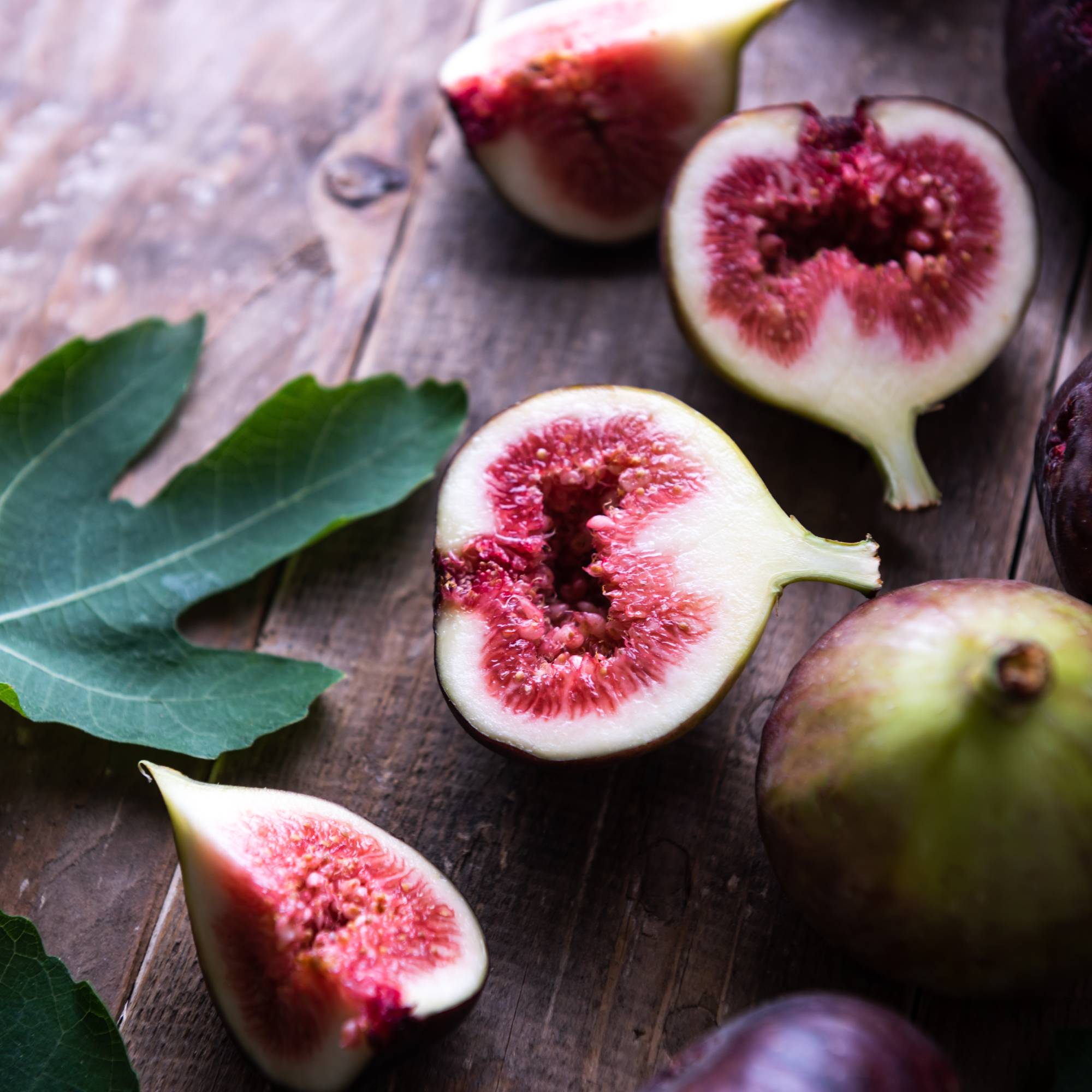
Unlike citrus or floral notes, which are often one-dimensional in their appeal, the scent of fig is complex, multi-layered, and inherently narrative-driven. In the world of perfumery and brand identity, a “fig” scent rarely refers to the sugary sweetness of a dried fruit. Instead, it captures the entire ecosystem of the fig tree.
The Anatomy of a Scent Note: Green, Milky, and Woody
A well-constructed fig profile typically balances three distinct elements. First is the “green” note—the sharp, crisp aroma of crushed leaves and stems. This provides an immediate sense of freshness and vitality, suggesting an outdoor, natural environment. Second is the “milky” or “lactonic” quality. This mimics the white sap found in the fig branches and the creaminess of the ripening fruit. This element adds a layer of comfort, softness, and luxury. Finally, there is the “woody” base, representing the bark and the earth.
This combination creates a scent that is both refreshing and grounding. For a brand, this complexity is an asset. It allows a company to project multiple brand attributes simultaneously: the vigor of the green notes, the indulgence of the milky accords, and the stability of the wood.
From Ancient Fruit to Modern Status Symbol
The historical associations of the fig contribute significantly to its brand equity. As a plant deeply rooted in Mediterranean history and classical mythology, the fig carries connotations of abundance, wisdom, and timelessness. In the 1990s, when the fragrance house Diptyque launched Philosykos, it revolutionized how the world perceived this scent, moving it away from traditional perfumes and toward an “atmospheric” experience.
Today, brands leverage this heritage to position themselves as “atemporal”—existing outside of fleeting trends. When a customer enters a retail space that smells of fig, they are subconsciously prompted to associate the brand with a refined, well-traveled, and culturally literate lifestyle.
Sensory Branding: Why Fig is the “It” Scent for Luxury Retail
The rise of fig as a brand signature is not accidental. It is a strategic choice driven by the need for differentiation in an oversaturated market. Sensory branding works by bypassing the rational brain and targeting the limbic system, where emotions and memories are processed.
Creating Emotional Connections through Scents
The primary goal of any brand strategy is to create a positive emotional resonance. Olfactory cues are the most direct way to achieve this. Fig, because it is neither traditionally masculine nor feminine, serves as the perfect gender-neutral scent. In an era where many brands are moving toward inclusivity and away from rigid gender roles, fig provides a sophisticated middle ground.
Furthermore, the scent of fig is often described as “sun-drenched.” It evokes the feeling of a Mediterranean summer, which is a universal symbol of leisure and high-quality living. By incorporating these notes into their physical spaces, brands can manufacture an “atmosphere of aspiration.” Customers are not just buying a product; they are inhaling a lifestyle that feels expensive yet effortless.
Case Studies in High-End Hospitality and Retail
Consider the transformation of high-end hospitality. Luxury hotels no longer rely solely on grand lobbies and velvet upholstery to communicate their status. They use signature scents to ensure that the moment a guest walks through the door, their brain signals “I have arrived.”
Many boutique hotel groups have opted for fig-heavy scent profiles because they feel “curated” rather than “commercial.” Unlike the aggressive, ozonic scents used by mid-market chains to mask odors, fig-based scents feel organic and intentional. Similarly, luxury fashion brands use fig in their flagship stores to slow down the customer’s pace. The earthy, milky qualities of fig have a calming effect, encouraging shoppers to linger longer, which statistically increases the likelihood of a high-value purchase.
Positioning and Packaging: How Fig Communicates Sophistication
A brand’s identity is not just about the scent itself, but how that scent is positioned within the broader marketing mix. The “fig” aesthetic has become synonymous with a specific visual language: minimalism, organic textures, and high-quality materials.
Minimalist Design and Organic Luxury
When a brand chooses fig as its olfactory signature, its visual branding usually follows suit. You will rarely see a fig-scented product in neon packaging. Instead, it is paired with amber glass, heavy paper stocks, and muted, earth-toned palettes. This is “Quiet Luxury” in scent form.
The scent of fig communicates that a brand does not need to shout to be noticed. It appeals to a consumer who values “if you know, you know” branding—a demographic that is increasingly skeptical of overt logos and looking for subtle markers of quality. By aligning with the fig profile, a brand signals that it is part of this sophisticated, understated tier of the market.
The Shift from Floral to Earthy Branding
For decades, the default scent for many consumer brands was either floral (feminine) or citrus (clean/utilitarian). However, the modern consumer’s palette has evolved. There is a growing demand for scents that feel “real” and “raw.”
The shift toward fig reflects a broader movement in brand strategy toward authenticity. Fig smells like a place—a grove, a garden, a coastline—rather than a laboratory. This “sense of place” is vital for brands that want to emphasize their origin stories, their commitment to natural ingredients, or their artisanal manufacturing processes.
Implementing Sensory Identity in Your Brand Strategy
Integrating an olfactory element like fig into a brand identity requires more than just buying a diffuser. It must be a holistic part of the brand’s strategic framework.
Beyond the Visual: Engaging the Subconscious
The most successful brands understand that identity is a multi-touchpoint experience. While a logo might be the first thing a customer sees, a scent is often the last thing they forget. In branding, this is known as the “remanence effect.”
When developing a brand strategy, companies should ask: What do we want our customers to feel when they interact with us? If the answer is “composed,” “refined,” or “intellectually curious,” then the olfactory profile of fig is a strong candidate. It works beneath the surface, reinforcing the visual and verbal messaging of the brand without being intrusive.
Consistency Across Touchpoints
For sensory branding to be effective, it must be consistent. This means the scent found in the flagship store should ideally be mirrored in the packaging of the e-commerce shipments and perhaps even in the brand’s corporate offices.
Some innovative brands have taken this a step further by offering their signature “fig” scent as a standalone product—a candle or a room spray. This turns a brand element into a revenue stream while simultaneously allowing the customer to take the brand’s “vibe” home with them. This creates a feedback loop where the scent continually triggers brand recall, strengthening customer loyalty over time.

Conclusion: The Future of Olfactory Identity
As we move further into a digital-first world, the value of physical, sensory experiences will only increase. The “smell of fig” has become a shorthand for a certain type of modern excellence. It is green yet warm, fresh yet deep, and classic yet contemporary.
For brand strategists and business owners, the lesson is clear: identity is no longer just about what people see; it is about the environment you create. By understanding the nuances of a scent like fig, brands can tap into a powerful, subconscious language that speaks of luxury, authenticity, and a deep-seated connection to the natural world. In the quest to build a brand that lasts, sometimes the most important element is the one that is invisible.
aViewFromTheCave is a participant in the Amazon Services LLC Associates Program, an affiliate advertising program designed to provide a means for sites to earn advertising fees by advertising and linking to Amazon.com. Amazon, the Amazon logo, AmazonSupply, and the AmazonSupply logo are trademarks of Amazon.com, Inc. or its affiliates. As an Amazon Associate we earn affiliate commissions from qualifying purchases.