
Fidgeting, a seemingly simple act of restless movement, has long been a topic of curiosity and sometimes, concern. In today’s hyper-connected world, where screens dominate our attention spans and digital environments demand constant engagement, the meaning and implications of fidgeting have evolved. This article delves into the multifaceted nature of fidgeting, exploring its psychological underpinnings, its manifestations in the digital sphere, and its potential impact on our cognitive processes, productivity, and overall well-being within the context of technology.
The Neuroscience and Psychology Behind Fidgeting
At its core, fidgeting is an involuntary or semi-voluntary motor activity that often serves as an outlet for excess energy or a coping mechanism for various psychological states. Understanding the underlying neurological and psychological factors provides a foundational understanding of why we fidget.
Innate Human Behavior and Sensory Input
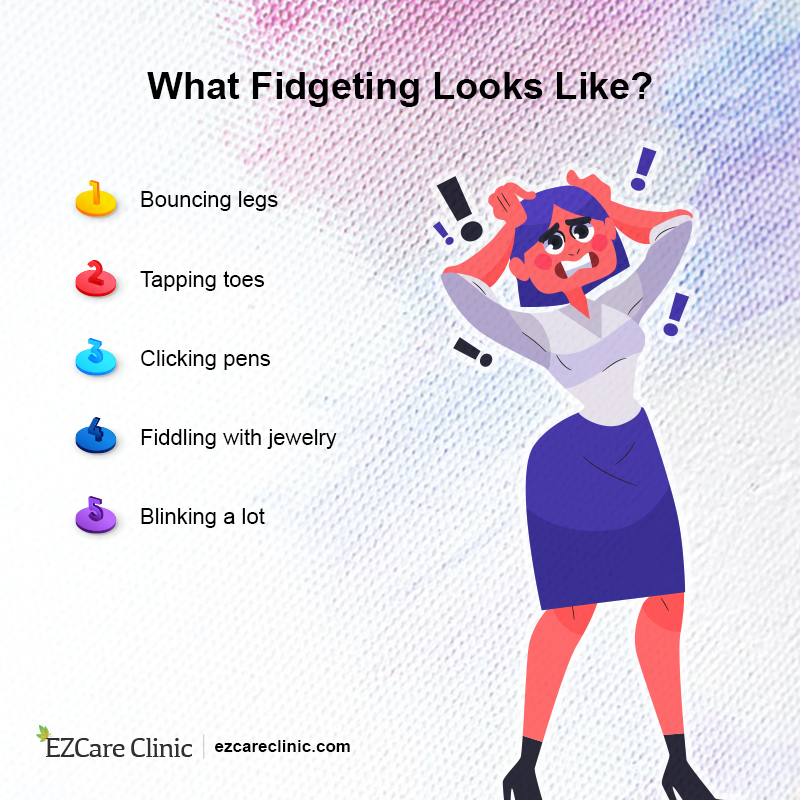
Fidgeting is, in many ways, an innate human behavior. From a young age, children often fidget as they explore their environment and process sensory information. This can manifest as wiggling toes, tapping fingers, or shifting in their seats. This constant, low-level movement allows the body to maintain alertness and engagement, particularly when exposed to monotonous stimuli. For example, a child sitting through a long lecture might unconsciously tap their foot to stay awake and focused. This serves a dual purpose: it provides a small sensory input that breaks the monotony and releases a portion of pent-up physical energy.
Stress, Anxiety, and Emotional Regulation
One of the most widely recognized triggers for fidgeting is stress and anxiety. When faced with a challenging situation, a looming deadline, or an uncomfortable social interaction, our bodies often respond with physiological changes, including increased heart rate, heightened muscle tension, and a desire for physical release. Fidgeting can act as a self-soothing mechanism, helping to dissipate some of this nervous energy. The repetitive nature of many fidgeting actions can be calming, providing a distraction from distressing thoughts and promoting a sense of control in overwhelming circumstances. Think of someone unconsciously playing with a pen during a tense meeting, or a student biting their nails before an exam. These actions, while not always consciously controlled, serve to regulate emotional states.
Attention and Cognitive Function
The relationship between fidgeting and attention is complex and often debated. For some individuals, particularly those with conditions like Attention-Deficit/Hyperactivity Disorder (ADHD), fidgeting can actually improve focus and cognitive performance. The theory suggests that for these individuals, the brain requires a certain level of sensory stimulation to maintain alertness. Without this stimulation, their minds may wander more easily. Fidgeting provides the necessary “background noise” to keep their attentional systems engaged with the primary task. Conversely, for others, excessive fidgeting can be a distraction, diverting attention away from the task at hand and hindering cognitive processing. This highlights the individual nature of fidgeting’s impact on attention, suggesting that its effectiveness is highly dependent on the person and the context.
Fidgeting in the Digital Landscape
The rise of digital technologies has profoundly altered our daily lives, and with it, the ways in which we fidget. Our interactions with screens, digital devices, and virtual environments have introduced new forms of fidgeting and amplified the importance of understanding this behavior in a technological context.
The Digital “Fidget” Tools and Trends

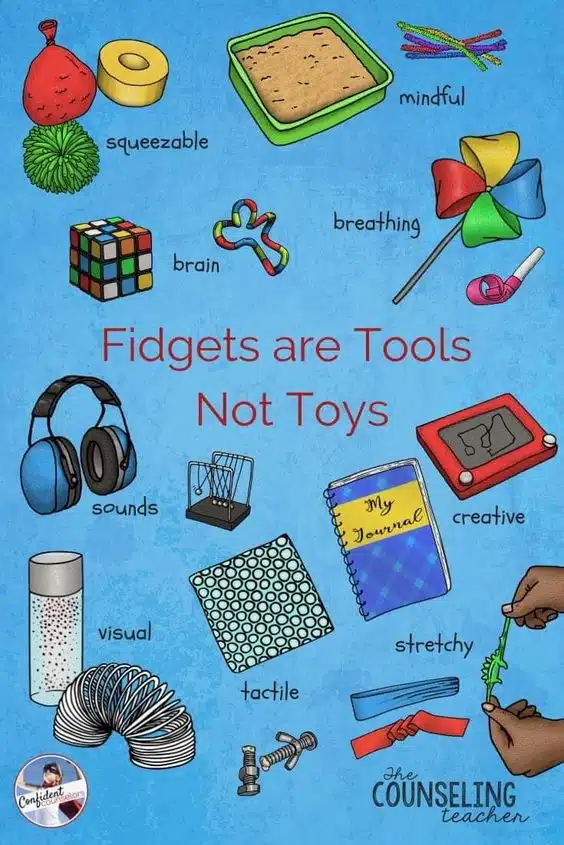
The market has responded to the modern need for fidgeting with a plethora of “fidget toys” and digital equivalents. From the ubiquitous fidget spinner, which gained widespread popularity for its simple, repetitive motion, to the more sophisticated fidget cubes with multiple sensory engagement points, these tools are designed to provide tactile and visual stimulation. Beyond physical objects, digital platforms have also fostered new forms of fidgeting. Think of the endless scrolling through social media feeds, the rapid switching between browser tabs, or the repetitive clicking and tapping on interfaces. These actions, though digital, share the core characteristic of fidgeting: providing a continuous stream of sensory input and a release of restless energy. The popularity of these tools and behaviors underscores a fundamental human need that technology, in its own way, has helped to address or perhaps even exacerbate.
Screen Time and the Modern Fidgeter
Our increased screen time has, for many, become a primary arena for fidgeting. The passive nature of consuming digital content can lead to restlessness, prompting individuals to engage in micro-movements or digital distractions. This might involve constantly checking notifications, refreshing web pages, or playing simple mobile games during work or study breaks. The very design of many digital interfaces encourages this behavior, with infinite scroll features and constant streams of new content designed to capture and hold our attention, often through a form of digital “fidgeting” by the user. This constant engagement with digital stimuli can blur the lines between intentional interaction and involuntary restless behavior, making it harder to discern when fidgeting is helpful versus when it is a symptom of digital overload.
Fidgeting as a Coping Mechanism for Digital Stress
The digital world, despite its conveniences, can also be a source of stress and anxiety. Information overload, the pressure to be constantly connected, and the fear of missing out (FOMO) can all contribute to feelings of unease. In this context, fidgeting, both physical and digital, can emerge as a coping mechanism. A person might use a physical fidget toy to de-stress during a particularly demanding online meeting, or they might find themselves compulsively checking their phone for updates as a way to manage anxiety about social interactions or work-related pressures. Understanding this connection is crucial for developing healthier digital habits and mitigating the negative impacts of digital stress.
The Impact of Fidgeting in a Tech-Dominated World
The pervasive presence of technology means that fidgeting, and our understanding of it, has significant implications for our cognitive abilities, productivity, and overall well-being in the modern era.
Enhancing or Hindering Productivity
The impact of fidgeting on productivity is a double-edged sword, particularly in the context of technology. For individuals who benefit from sensory input to maintain focus, a discreet fidgeting habit or the use of a tactile fidget tool can actually boost concentration and task completion, especially when working on computers or engaging in prolonged digital tasks. It can help to prevent mind-wandering and keep the brain actively engaged. However, for others, excessive fidgeting, especially digital fidgeting like constant app switching or social media checking, can severely disrupt workflow, leading to decreased efficiency and increased errors. The key lies in discerning when fidgeting is a tool for enhancement and when it becomes a self-sabotaging distraction.
Fidgeting and Learning in the Digital Age
In educational settings, the role of fidgeting is a subject of ongoing research and debate. For students with ADHD or other attention-related challenges, controlled fidgeting can be instrumental in facilitating learning. It can help them to process information more effectively and remain engaged during digital lectures or online learning modules. However, without proper guidance or appropriate tools, fidgeting can also become a distraction for both the fidgeter and their peers, hindering the learning process. Educators and parents are increasingly exploring how to incorporate appropriate fidgeting strategies and tools to support diverse learning needs in the digital classroom.
Fostering Mindfulness and Digital Well-being
While fidgeting can sometimes be a sign of distraction or anxiety, it can also, paradoxically, be a tool for cultivating mindfulness and improving digital well-being. By paying attention to the subtle physical sensations associated with fidgeting – the feel of a smooth stone, the click of a button, the gentle vibration of a device – individuals can become more aware of their own internal states. This awareness can help them to recognize when they are feeling stressed, anxious, or overwhelmed by digital stimuli. Furthermore, engaging in mindful fidgeting, where the act is deliberate and focused on sensory experience rather than compulsive distraction, can provide a brief respite from the digital world, allowing for mental recalibration and a return to tasks with renewed focus. This deliberate use of fidgeting as a grounding technique is becoming an increasingly valuable strategy for navigating the complexities of our digitally saturated lives.
aViewFromTheCave is a participant in the Amazon Services LLC Associates Program, an affiliate advertising program designed to provide a means for sites to earn advertising fees by advertising and linking to Amazon.com. Amazon, the Amazon logo, AmazonSupply, and the AmazonSupply logo are trademarks of Amazon.com, Inc. or its affiliates. As an Amazon Associate we earn affiliate commissions from qualifying purchases.