
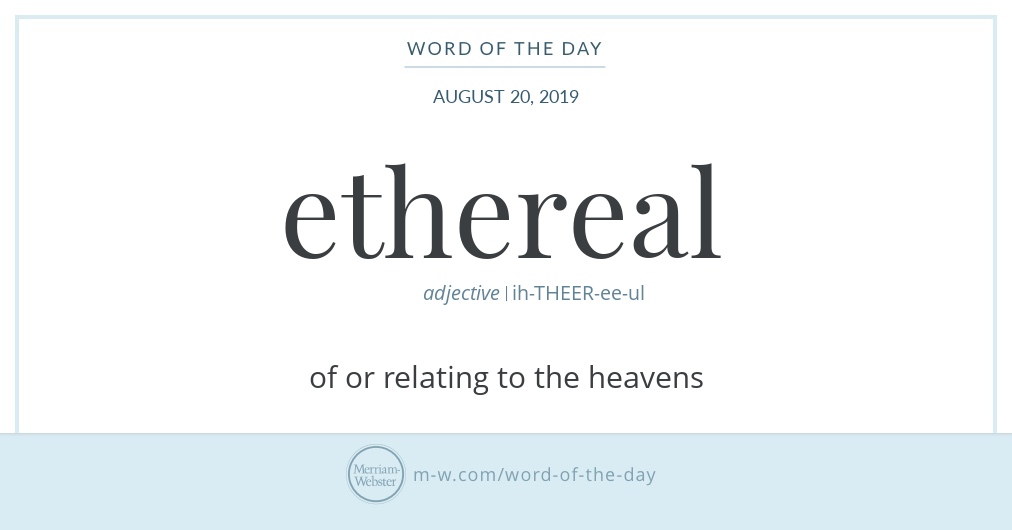
In the fast-paced, often cluttered world of modern marketing, the concept of “ethereal” has emerged as a powerful strategic tool for brands looking to differentiate themselves. Historically, the word “ethereal” refers to something extremely delicate and light in a way that seems too perfect for this world. It evokes imagery of the heavens, the upper atmosphere, and a sense of spiritual purity. However, in the context of brand strategy and corporate identity, “ethereal” takes on a more grounded—yet no less magical—meaning.
To a brand strategist, ethereal means the intentional use of lightness, translucency, and minimalist abstraction to create a sense of premium exclusivity and emotional transcendence. It is a departure from the “loud,” high-contrast marketing of the past, opting instead for a whisper that commands more attention than a shout. This article explores the multifaceted meaning of the ethereal aesthetic and how it serves as a cornerstone for some of the world’s most successful luxury and lifestyle brands.
Defining the Ethereal Aesthetic in Brand Identity
When we describe a brand as ethereal, we are discussing its visual and sensory “DNA.” This isn’t just about a logo; it is about the atmosphere a brand projects across every touchpoint, from social media grids to physical packaging.
The Visual Language of Light and Space
The foundation of an ethereal brand identity is the mastery of negative space and light. Unlike “maximalist” brands that fill every corner of a canvas with information, ethereal design breathes. It utilizes “high-key” lighting—a style that minimizes shadows and emphasizes brightness—to create a sense of openness. In digital design, this translates to clean interfaces, ample white space, and a rejection of heavy borders or clunky elements.
The color palette of an ethereal brand is often desaturated. We see a heavy reliance on “non-colors” like soft whites, cream, alabaster, and very light grays, often accented by iridescent or metallic finishes. This palette suggests a level of cleanliness and sophistication that implies the brand exists on a higher plane of quality than its competitors.
Evoking Emotional Resonance Through Minimalism
Ethereal branding is the ultimate expression of “less is more.” However, this minimalism is not cold or industrial; it is soft and inviting. By stripping away the “noise” of traditional sales pitches, an ethereal brand invites the consumer to project their own desires onto the brand.
This emotional resonance is achieved through “soft-focus” imagery and fluid lines. Instead of sharp, aggressive geometric shapes, ethereal brands often use organic, flowing forms that suggest movement and grace. This creates a subconscious association with peace, wellness, and timelessness—qualities that are highly sought after in a chaotic digital age.
The Psychology of Ethereal Marketing
Why do consumers gravitate toward brands that feel “otherworldly”? The answer lies in the psychological pull of aspiration and the human desire for a reprieve from the mundane.
Creating a Sense of Aspiration and Exclusivity
The ethereal aesthetic is inherently aspirational. Because it feels “too perfect for this world,” it suggests that by owning a product or engaging with a service, the consumer can momentarily step into that perfect realm. This is a classic hallmark of luxury brand strategy.
Luxury is no longer just about showing off wealth; it is about showing off a state of mind. An ethereal brand positions itself as a curator of tranquility and refinement. This creates a barrier to entry that isn’t just financial, but cultural. To appreciate an ethereal brand, a consumer must value subtlety and nuance, which reinforces the brand’s exclusivity. It communicates that the brand is for those who “know,” rather than those who just “buy.”
The Role of Storytelling in Transcendental Branding
Ethereal marketing often leans heavily on abstract storytelling rather than feature-driven advertising. Instead of listing the ingredients of a perfume or the specs of a luxury vehicle, an ethereal campaign might focus on a feeling or a dreamlike sequence.

This type of storytelling engages the “Right Brain,” which processes emotions and intuition. By bypassing the logical “Left Brain,” brands can build a deeper, almost spiritual connection with their audience. The goal is to make the consumer feel something before they understand why they feel it. When a brand successfully occupies this “ethereal” space, it becomes more than a commodity; it becomes a symbol of the consumer’s internal identity.
Case Studies: Brands That Master the Ethereal
To understand how ethereal translates into commercial success, we can look at several industries where this strategy has become a dominant force.
Luxury Fashion: The Dreamlike World of Dior and Chanel
The haute couture industry has long been the pioneer of the ethereal. Brands like Dior, particularly under various creative directors, have used the concept of “The Dream” as a central brand pillar. Their marketing campaigns often feature models in flowing, diaphanous fabrics, set against sprawling natural landscapes or hyper-minimalist architectural marvels.
By utilizing ethereal imagery, these brands distance themselves from the “fast fashion” world. Fast fashion is about the “now”—it’s trendy, loud, and disposable. Dior and Chanel position themselves as “forever.” The ethereal quality of their branding suggests that their products are timeless artifacts that exist outside the standard cycle of consumption.
Wellness and Beauty: Ritual and Glossier’s “Lived-In” Look
In the beauty and wellness sector, the ethereal mean has shifted from “perfection” to “luminosity.” Brands like Glossier disrupted the market by moving away from heavy, cakey makeup looks toward a “dewy” and “ethereal” glow. Their branding uses soft pinks, translucent packaging, and photography that looks like it was captured during the “golden hour” of a sunset.
Similarly, the supplement brand Ritual uses transparent capsules and clean, airy typography to signal purity. In an industry often clouded by complex chemical names and aggressive health claims, Ritual’s ethereal approach provides a sense of clarity and trust. The visual “lightness” of the brand reflects the physical “lightness” and health the consumer hopes to achieve.
How to Implement an Ethereal Strategy for Your Business
Implementing an ethereal brand strategy requires discipline. It is easy to add more elements to a design, but it is difficult to know what to take away.
Color Palettes and Typography Selection
If you are looking to pivot your brand toward an ethereal identity, start with your foundational assets.
- Typography: Move away from bold, heavy serifs or playful, chunky fonts. Instead, opt for light-weight sans-serifs with generous kerning (the space between letters). This creates a sense of airiness.
- Color: Build a palette based on “nature’s neutrals.” Think of the colors of a morning mist, the inside of a seashell, or a clouded sky. Use gradients sparingly, ensuring they are soft and subtle rather than high-contrast.
- Textures: In physical branding (packaging), use materials that have a tactile, premium feel—matte finishes, vellum overlays, or embossed logos that require a certain light to see clearly.
Balancing Abstract Concepts with Practical UX
One of the biggest risks of an ethereal brand strategy is becoming too abstract. If a brand is so “heavenly” that a consumer can’t figure out what it sells or how to navigate its website, the strategy has failed.
In digital design (User Experience/UX), you must balance the ethereal aesthetic with grounded functionality.
- Micro-interactions: Use smooth, fading transitions instead of abrupt “pops.”
- Hierarchy: Use the “lightness” of the brand to guide the eye. A single, well-placed call-to-action (CTA) button on a minimalist page is often more effective than five buttons on a cluttered one.
- Clarity: Ensure that while your imagery is ethereal, your copy remains clear. The “ethereal” part is the feeling; the “copy” is the direction.

Conclusion: The Future of Ethereal Branding
As the digital landscape becomes increasingly saturated with high-energy, high-noise content, the “ethereal” mean will only grow in value. It represents a sanctuary for the consumer—a brand space that feels calm, premium, and intentional.
For businesses, adopting an ethereal strategy isn’t just about looking “pretty.” It is a sophisticated brand positioning move that signals high-level craft, emotional intelligence, and a deep understanding of modern consumer psychology. By mastering the art of the delicate and the light, brands can transcend the noise of the marketplace and build a legacy that feels truly timeless.
aViewFromTheCave is a participant in the Amazon Services LLC Associates Program, an affiliate advertising program designed to provide a means for sites to earn advertising fees by advertising and linking to Amazon.com. Amazon, the Amazon logo, AmazonSupply, and the AmazonSupply logo are trademarks of Amazon.com, Inc. or its affiliates. As an Amazon Associate we earn affiliate commissions from qualifying purchases.