
In the fast-paced world of technology, clarity is the cornerstone of progress. Yet, one of the most common strings of text encountered by developers, system architects, and even casual users is the cryptic “err.” Whether it appears as a variable in a block of Go code, a prefix in a Linux terminal, or a notification on a mobile application, “err” is the universal shorthand for “error.”
While it may seem like a simple abbreviation, “err” represents a fundamental pillar of modern computing: error handling. Without robust mechanisms to identify, communicate, and resolve failures, our digital infrastructure would be a house of cards. This article explores the technical significance of “err,” its role in software development, its impact on user experience, and how the tech industry is evolving to manage digital fallibility.
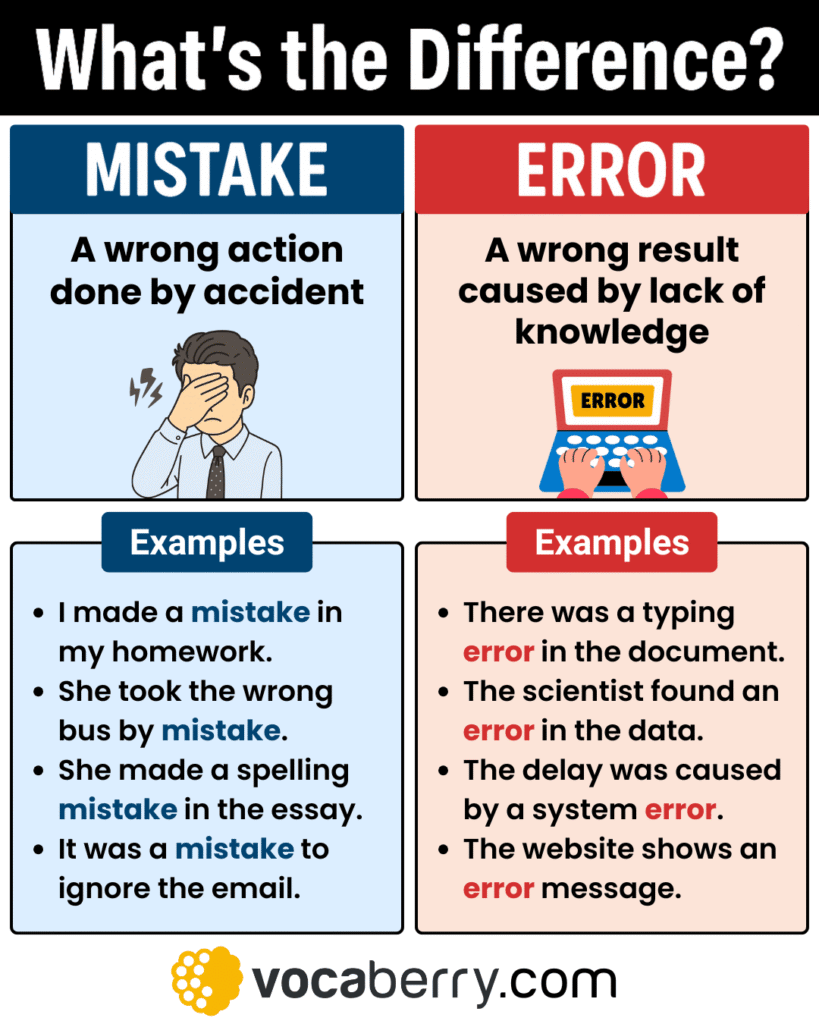
The Syntax of Failure: Understanding “err” in Software Development
At its most basic level, “err” is a naming convention used by programmers to represent an error object or value. It is the silent sentinel of the codebase, tasked with alerting the system when an operation does not go according to plan.
The Origins and Ubiquity of the “err” Variable
The use of “err” dates back to the early days of C and Unix programming, where brevity was a necessity due to limited screen real estate and memory. Instead of writing out “errorMessage” or “exceptionOccurred,” developers shortened it to “err.” This convention has persisted through decades of evolution.
In languages like Golang (Go), “err” is more than just a convention; it is a way of life. Go’s philosophy emphasizes explicit error checking. A typical function in Go returns both a result and an “err” value. The developer must then immediately check if err != nil. This approach forces the programmer to confront potential failures upfront rather than burying them in complex try-catch blocks found in languages like Java or Python.
“err” in Modern Languages and Frameworks
In JavaScript, particularly within Node.js, the “error-first callback” was for years the standard pattern. Functions would accept a callback where the first argument was reserved for “err.” If “err” was null, the operation succeeded; if it contained data, a failure had occurred.
Even as we transition to Promises and Async/Await patterns, the spirit of “err” remains. In a try-catch block, the caught object is frequently named err or e. This consistency across languages allows developers to quickly scan code and identify the logic responsible for maintaining system stability.
Beyond the Code: “err” as a System Protocol
“err” is not confined to the lines of a text editor. It exists within the very architecture of our operating systems and network protocols, serving as a vital communication tool between hardware and software.
Standard Error (stderr) vs. Standard Out (stdout)
In the world of Linux and Unix-like systems, there is a clear distinction between successful output and error messages. These are known as data streams. stdout (Standard Output) handles the successful results of a command, while stderr (Standard Error) is a dedicated stream for error messages.
By separating “err” messages into their own stream, system administrators can redirect errors to specific log files without cluttering the primary data output. This separation is critical for automation; a script can process thousands of files and only alert the human operator when something appears in the stderr stream, ensuring that “err” is never lost in the noise.
Error Logs and System Monitoring
In enterprise environments, “err” messages are the primary fuel for observability platforms like Datadog, Splunk, or the ELK stack. Every time a server encounters an “err,” it generates a log entry. These entries provide a forensic trail that allows engineers to perform “Root Cause Analysis” (RCA).
Modern monitoring tools use “err” frequency as a metric for “Error Budgeting.” If a service’s “err” rate exceeds a certain percentage, it triggers an incident response. In this context, “err” is no longer just a word; it is a data point that determines whether an engineering team spends their day building new features or fixing critical bugs.
The Philosophy of Error Handling: Why “err” Matters for UX
The technical management of “err” eventually trickles down to the end-user. The way a system handles an internal “err” determines whether a user sees a helpful guidance message or a frustrating, broken interface.

Defensive Programming Strategies
The best tech products are built with “defensive programming.” This mindset assumes that things will go wrong—the internet will cut out, a database will time out, or a user will enter an invalid date. By anticipating these “err” states, developers can build “graceful degradation.”
Graceful degradation ensures that if one part of an app fails (an “err” occurs in the weather widget), the rest of the app (the calendar and email) continues to function. Handling “err” effectively prevents a single point of failure from cascading into a total system blackout.
Communicating Errors to the End-User
There is a significant gap between a technical “err” and a user-facing error message. A developer might see err: 0x8004210B, but a user should see “We’re having trouble connecting to the server. Please check your internet connection.”
Excellent tech design focuses on translating “err” into actionable intelligence. Cryptic error codes lead to “churn,” where users abandon a product out of frustration. Forward-thinking companies invest in “UX Writing” for error states, ensuring that every “err” is met with a clear explanation and a path toward resolution.
Digital Security and the Risks of Verbose Errors
While “err” is essential for debugging, it can also be a liability. In the realm of digital security, what an “err” message reveals can be just as important as what it hides.
The Danger of Verbose Error Messages
When a web application encounters an “err,” it sometimes returns a “stack trace”—a detailed list of every function call leading up to the failure. To a developer, this is gold. To a hacker, it is a map.
Verbose error messages can leak sensitive information, such as database schema names, internal IP addresses, or the versions of software being used. This information allows attackers to tailor their exploits. Therefore, a key tenet of secure software development is “Error Masking”: capturing the detailed “err” internally for logs but showing the user a generic message.
“err” as a Signal for Intrusion Detection
On the defensive side, a sudden spike in “err” logs can be an early warning sign of a cyberattack. For example, a massive surge in “401 Unauthorized” or “403 Forbidden” errors often indicates a brute-force attack or a credential stuffing attempt. Security Operations Centers (SOCs) monitor “err” patterns to identify anomalies, proving that “err” is a vital tool in the cybersecurity arsenal.
AI and the Future of Automated Debugging
As we enter the era of Artificial Intelligence, the way we interact with “err” is changing. We are moving away from manual debugging and toward autonomous system recovery.
Predictive Error Analysis
Machine Learning models are now being trained on decades of “err” logs to predict when a system is likely to fail before it actually does. By analyzing subtle patterns in system latency and minor “err” occurrences, AI can alert engineers to a pending hardware failure or a memory leak. This shift from reactive to proactive error management is a game-changer for digital reliability.
Self-Healing Code and Autonomous Systems
We are seeing the rise of “self-healing” infrastructure, particularly in cloud environments like Kubernetes. When a containerized application throws a fatal “err” and crashes, the system automatically detects the failure and spins up a fresh instance.
Furthermore, Generative AI tools like GitHub Copilot are now able to interpret an “err” message in real-time. A developer can copy an “err” from their console, and the AI will not only explain what it means but also suggest the exact line of code needed to fix it. This collapses the time between “failure” and “fix,” making software development more efficient than ever before.

Conclusion: Embracing the “err”
The term “err” is a testament to the reality that no system is perfect. In the world of technology, errors are not signs of total failure, but rather opportunities for correction and refinement. From its humble beginnings as a three-letter variable to its current role as a critical data point in AI-driven monitoring, “err” remains central to the digital experience.
Understanding what “err” means—and how to handle it—is what separates a hobbyist from a professional in the tech space. Whether you are writing a simple script, managing a global server network, or designing a user interface, your relationship with “err” will define the reliability and security of your work. In the end, the goal of technology is not to eliminate “err” entirely, but to build systems resilient enough to handle it with grace.
aViewFromTheCave is a participant in the Amazon Services LLC Associates Program, an affiliate advertising program designed to provide a means for sites to earn advertising fees by advertising and linking to Amazon.com. Amazon, the Amazon logo, AmazonSupply, and the AmazonSupply logo are trademarks of Amazon.com, Inc. or its affiliates. As an Amazon Associate we earn affiliate commissions from qualifying purchases.