
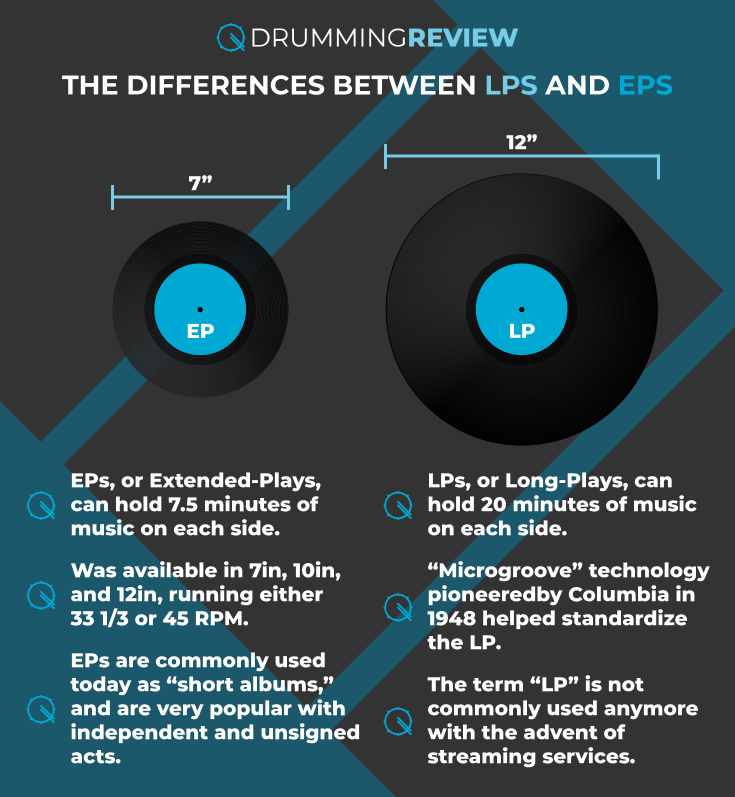
In the hyper-competitive landscape of the modern music industry, the term “EP”—short for Extended Play—has evolved far beyond its technical origins as a vinyl record format. While it technically sits in the middle ground between a single and a full-length album (LP), its functional value in 2024 is primarily as a high-leverage branding tool. For independent artists and major labels alike, the EP is the ultimate strategic vehicle for identity formation, market testing, and brand narrative development.
Understanding what an EP means for music requires looking past the tracklist count and focusing on the brand equity it builds. In an era of shrinking attention spans and algorithmic discovery, the EP serves as a concise manifesto—a way for a musical brand to assert its presence without the high risk and overhead of a fourteen-track project.
The EP as a Narrative Framework for Brand Identity
A brand is essentially a promise of a specific experience. In music, that experience is sonic, visual, and emotional. The EP provides a unique canvas that is large enough to tell a coherent story but small enough to remain digestible for a new audience.
Defining the Sonic Signature
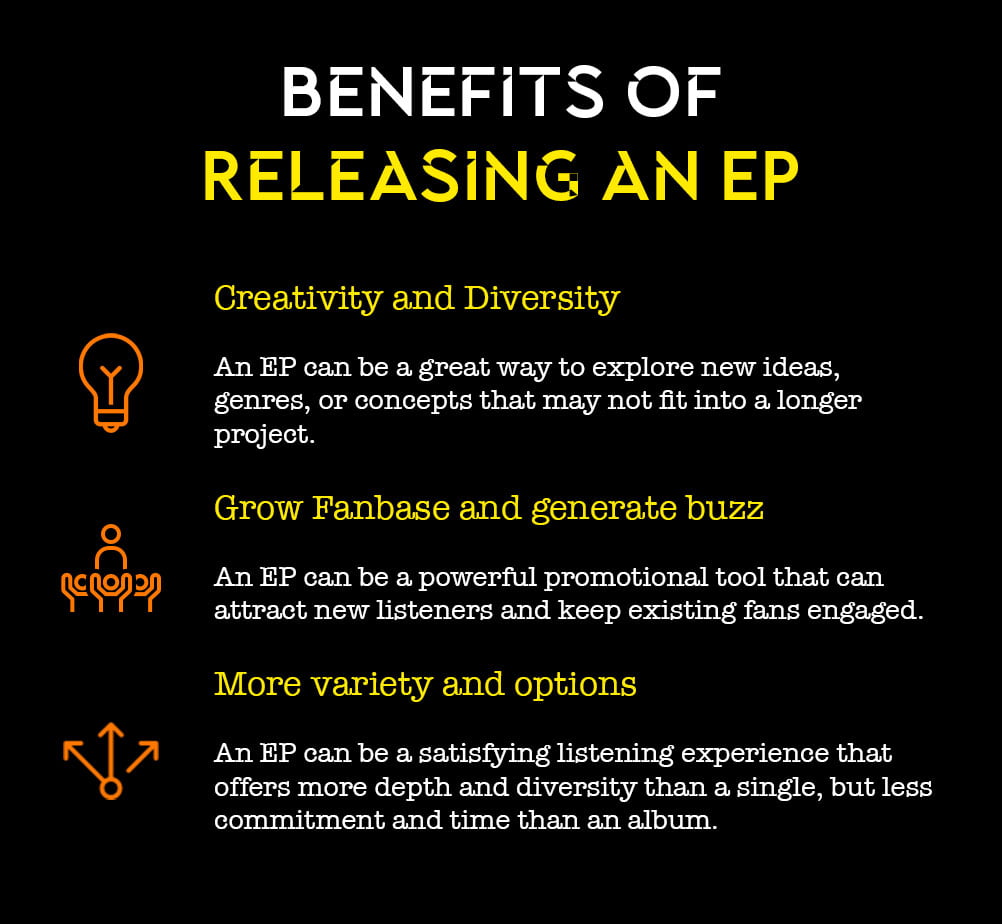
For a developing brand, the first few releases are critical in establishing a “sonic signature.” An EP allows an artist to showcase versatility within a controlled environment. By grouping four to six tracks together, an artist can demonstrate the “breadth” of their brand—perhaps including one high-energy anthem, a contemplative ballad, and an experimental track. This diversity helps the market understand the brand’s boundaries. It tells the listener, “This is the world I inhabit,” providing a more comprehensive brand experience than a standalone single ever could.
Bridging the Gap Between Concept and Reality
Many artists struggle with the “sophomore slump” or the pressure of a debut album because they haven’t yet solidified their brand’s core values. The EP acts as a transitional bridge. It allows a brand to evolve in “chapters.” Instead of a massive, four-year wait between albums, a series of EPs can document a brand’s evolution in real-time. This iterative branding approach keeps the artist relevant and allows the audience to feel like they are part of a developing journey, which is a powerful driver of brand loyalty.
Positioning and Market Entry Strategies
From a strategic perspective, the EP is a “low-friction” entry point into the marketplace. In brand management, “market entry” refers to the process of introducing a product to a new demographic. In music, the EP is the perfect sampling tool.
The EP as a “Proof of Concept”
Before a corporation launches a full product line, they often release a “minimum viable product” (MVP) to gauge consumer reaction. The EP is the music industry’s version of an MVP. It allows an artist to test a new creative direction or a specific aesthetic without committing the massive financial and temporal resources required for a full LP. If the EP’s branding resonates—if the “brand voice” attracts the right influencers and playlist curators—the artist can then double down on that direction for the full album. This reduces brand risk and ensures that the eventual LP has a pre-validated market.
Maintaining Momentum in the Attention Economy
Digital marketing is predicated on the frequency of “touchpoints.” A brand that remains silent for too long loses its “share of mind” among consumers. The EP is a vital tool for maintaining brand momentum. In the time it takes to produce one LP, an artist can release three EPs. Each release provides a new reason for a PR campaign, a new aesthetic for social media, and a new opportunity to appear on “New Music Friday” playlists. This constant drip-feed of content keeps the brand’s visibility high, ensuring that the algorithm continues to favor the artist’s profile.
Visual Identity and Multimedia Cohesion
In the digital age, we “see” music as much as we hear it. The EP provides a specific opportunity to build a cohesive visual identity that reinforces the brand’s message.
Aesthetic Consistency Across Limited Tracks
Because an EP is a shorter project, it is often easier to maintain a high level of aesthetic “polish.” Artists can commission a single photographer or designer to create a unified visual language for the EP’s cover art, promotional videos, and merchandise. This creates a “micro-world” for the brand. When a fan sees a specific color palette or typeface associated with an EP, it triggers an immediate brand recognition. This level of cohesion is often harder to sustain over the 12–18 month rollout of a traditional album.
Storytelling Through Short-Form Visuals
The rise of TikTok and Instagram Reels has changed how musical brands are consumed. An EP provides just enough content to fuel a 3-to-4-month visual storytelling campaign. Each track on the EP can represent a different “facet” of the brand’s personality, allowing for a structured rollout of visual content. This strategic scheduling ensures that the brand’s aesthetic remains consistent across all platforms, preventing the “fragmented brand” syndrome that occurs when artists post disconnected content.
Consumer Psychology and Brand Loyalty
Building a brand is ultimately about building a community. The EP plays a psychological role in how fans interact with and commit to an artist.
Overcoming Choice Paralysis
The modern consumer is overwhelmed by choice. In the streaming era, a 20-track album can feel like a chore to sit through, leading to “skip culture.” From a branding perspective, this is a nightmare—you want the consumer to experience the whole product. An EP, by virtue of its brevity, is more likely to be listened to from start to finish. This leads to a more profound “brand immersion.” When a consumer finishes an EP, they feel a sense of completion and mastery over the content, which leads to higher satisfaction rates and a stronger emotional connection to the brand.
Building an Inner Circle of Early Adopters
In brand strategy, “early adopters” are the most valuable customers. They are the ones who will promote the brand for free. The EP is the primary tool for cultivating this group. Releasing an EP feels more exclusive and “cult-like” than a major album release. It allows the artist to build a core “brand tribe” who feels they have discovered something special before it hits the mainstream. These fans become the foundation of the brand’s equity, providing the social proof needed to scale the brand to larger audiences later.

Strategic Conclusion: The EP as a Business Asset
Ultimately, the question “what does EP mean for music” is answered by its role as a strategic business asset. It is no longer just a technical format; it is a tactical choice made by artists who understand that their music is a brand.
The EP allows for:
- Agility: The ability to pivot the brand’s direction quickly based on market feedback.
- Efficiency: Maximizing brand exposure with a lower cost-per-touchpoint than a full-length album.
- Clarity: Cutting through the noise with a focused, cohesive message that is easy for the consumer to understand.
For the modern artist, the EP is the most effective way to build a sustainable, recognizable, and loyal brand. It is the “elevator pitch” of the music world—a concise, powerful statement of intent that sets the stage for everything that follows. In a world where every artist is a brand, the EP is the blueprint for success.
aViewFromTheCave is a participant in the Amazon Services LLC Associates Program, an affiliate advertising program designed to provide a means for sites to earn advertising fees by advertising and linking to Amazon.com. Amazon, the Amazon logo, AmazonSupply, and the AmazonSupply logo are trademarks of Amazon.com, Inc. or its affiliates. As an Amazon Associate we earn affiliate commissions from qualifying purchases.