
Elon Musk, a name synonymous with audacious technological leaps and groundbreaking innovation, has long been a figure of intense public fascination. Beyond his ventures in space exploration, electric vehicles, and artificial intelligence, there’s a persistent curiosity surrounding his personal life, and a significant part of that revolves around his living environment. While the specifics of his primary residence have evolved and been subject to much speculation, one thing remains constant: Musk’s approach to his living space, like his professional endeavors, is intrinsically linked to his forward-thinking philosophy and his deep engagement with technology. This exploration delves into what Elon Musk’s house might look like, not just in terms of physical structure, but through the lens of the technological integrations, design principles, and the overarching brand he cultivates.
The Evolving Narrative of Musk’s Residences: From Texas to the Modular Future
Elon Musk’s housing situation has been a topic of much discussion, marked by a public shift from traditional, albeit expansive, homes to a more minimalist and, some might argue, experimental approach. This evolution itself offers a glimpse into his priorities and his willingness to challenge conventional norms, even when it comes to the most fundamental aspect of human living: shelter.
The Post-Bel Air Era: Embracing Minimalism and Modular Living
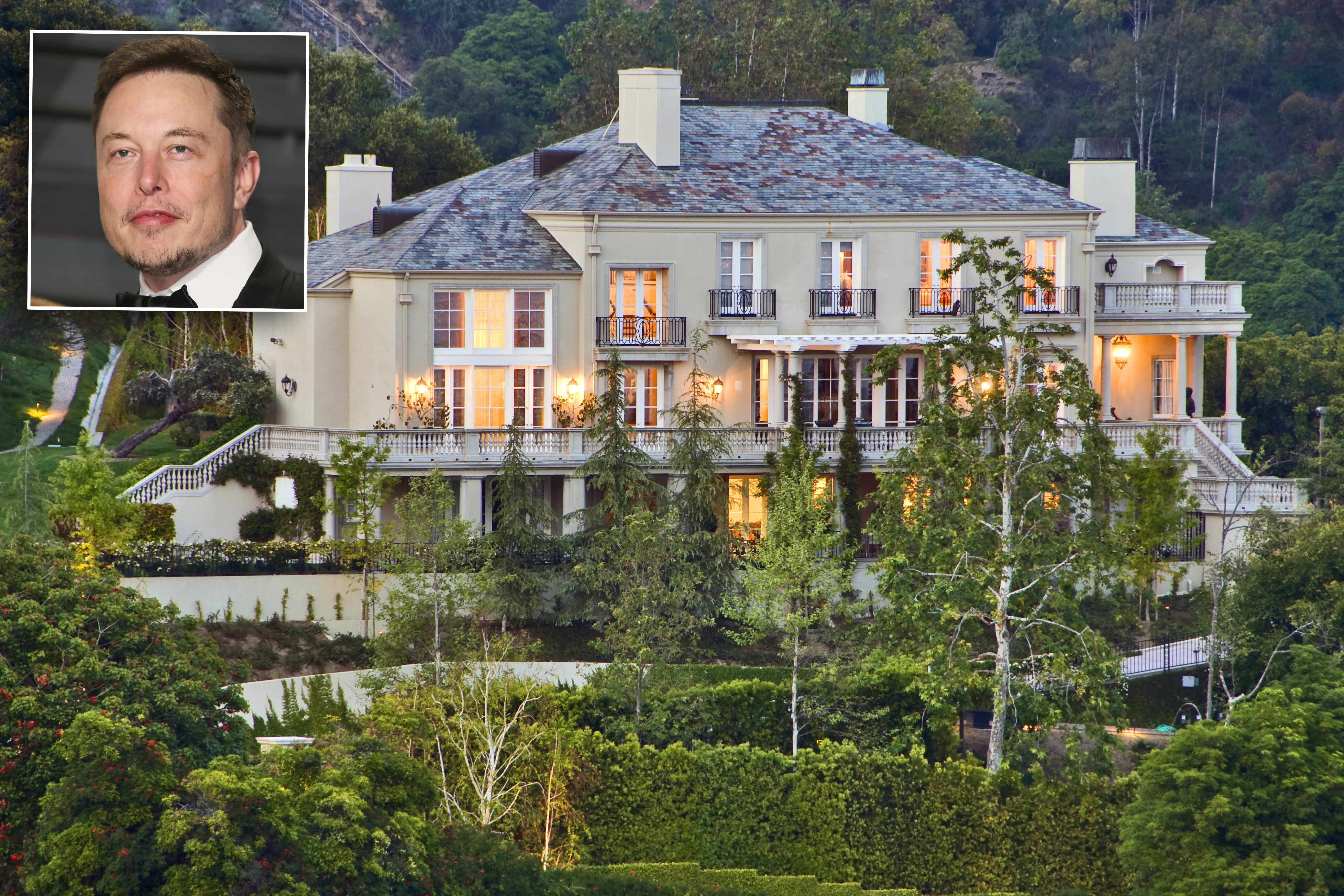
For a period, Musk famously sold off his large mansions, including his former home in Bel Air, California, stating a desire to simplify and focus on Mars colonization. This move was not just a personal choice but also a public statement about his priorities. He revealed that he was renting a modest, pre-fabricated house in Boca Chica, Texas, near SpaceX’s Starbase facility. This decision immediately signaled a departure from the ostentatious displays of wealth often associated with billionaires. Instead, it highlighted a practical, almost utilitarian approach to living, one that prioritizes functionality and proximity to his work.
The pre-fabricated nature of this dwelling is a key indicator of Musk’s interest in efficient and scalable housing solutions. Such modular homes can be manufactured off-site in controlled environments, reducing construction time and waste. This aligns perfectly with his broader ethos of optimizing processes and exploring efficient production methods, a principle he applies to everything from rocket manufacturing to car assembly. While the exact specifications of this rental remain largely private, the concept itself suggests an intelligent design, likely incorporating smart home features and energy-efficient systems, reflecting his commitment to sustainable technology.
The Vision for Future Housing: Integration and Automation
While the rented Texas house may represent a current phase, Musk’s long-term vision for living spaces likely extends far beyond simple modularity. His work with Tesla, particularly its advancements in smart home technology and energy solutions, provides significant clues. It’s reasonable to surmise that any primary residence he inhabits, or designs for the future, would be a sophisticated integration of these technologies.
Imagine a home that is not merely a structure but a fully responsive ecosystem. This would encompass advanced automation for climate control, lighting, security, and even energy management. Tesla’s Powerwall and solar roof tiles could be integral, creating a self-sustaining energy grid for the residence, further reducing reliance on external infrastructure and aligning with his vision for a sustainable future. Furthermore, considering his involvement with AI, it’s not a stretch to envision a home with intelligent systems that learn and adapt to the inhabitants’ routines and preferences, optimizing comfort and efficiency without constant manual input. This could range from personalized ambient lighting that adjusts based on the time of day and activity, to security systems that can intelligently differentiate between authorized individuals and potential threats.
Technological Integration: The Smart Home, Reimagined
The concept of a “smart home” has been around for years, but Elon Musk’s involvement suggests an elevation of this concept to a level that is both highly functional and seamlessly integrated. His ventures are not just about building products; they are about creating interconnected systems that enhance human life.
Seamless Automation and AI-Driven Environments

When considering what Elon Musk’s house looks like from a technological perspective, the emphasis would undoubtedly be on unobtrusive, intelligent automation. This isn’t about a multitude of blinking lights and confusing interfaces, but rather about a system that anticipates needs and responds intuitively. Think of a home where the temperature subtly adjusts as you move from room to room, where ambient music fades in or out based on your presence, or where the lighting conditions are optimized for specific tasks, such as reading or working.
Artificial intelligence would play a crucial role here. Beyond simple pre-programmed routines, an AI could learn individual preferences and patterns, making predictive adjustments. For example, if the AI detects a pattern of waking up early on weekdays, it might gradually increase the room temperature and dim the lights to ease the transition into wakefulness. Security would also be a paramount concern, with advanced AI-powered systems offering not just detection but also intelligent analysis and response, potentially integrating with facial recognition and behavioral analysis to ensure a highly secure environment.
Energy Independence and Sustainability: A Core Principle
Given Musk’s leadership in sustainable energy with Tesla, his personal living space would almost certainly be a showcase for energy independence and self-sufficiency. This goes beyond simply installing solar panels. It would likely involve a comprehensive ecosystem of energy generation, storage, and management.
Tesla’s solar roof tiles, which seamlessly blend into the roofing structure, would be a logical choice, providing a discreet and aesthetically pleasing way to harness solar energy. Coupled with Tesla Powerwall battery systems, the home could store excess energy generated during the day for use at night or during periods of low solar production. Furthermore, the home’s energy consumption would be meticulously managed by smart systems that optimize usage based on grid prices, available solar power, and household demand. This approach not only reduces the carbon footprint but also offers significant cost savings and greater resilience against power outages. It’s a demonstration of how cutting-edge technology can be applied to everyday living to create a more sustainable and independent lifestyle.
Design Philosophy: Functionality, Efficiency, and the Future
The aesthetic and functional design of a Musk residence would likely mirror his broader brand philosophy: a focus on minimalism, efficiency, and forward-thinking functionality. It’s about creating spaces that are not just beautiful, but also highly effective and conducive to innovation and productivity.
Minimalist Aesthetics and Ergonomic Design
The visual aspect of Musk’s home would likely be characterized by clean lines, open spaces, and a deliberate absence of clutter. This minimalist aesthetic is not just a style choice; it’s a reflection of his emphasis on reducing distractions and focusing on what truly matters. In his professional life, Musk is known for optimizing workflows and eliminating inefficiencies. This same principle would likely extend to his living environment, where every element would serve a purpose.
Ergonomics would also play a significant role. Furniture and layout would be designed for comfort and functionality, supporting long hours of work and deep thinking. This might translate into cleverly integrated workspaces within the home, designed to maximize productivity. The use of natural light would be prioritized, and materials would likely be chosen for their durability, sustainability, and low environmental impact, further underscoring his commitment to a sustainable future. The overall impression would be one of sophisticated simplicity, where technology and design work in harmony to create a serene and functional living space.

Spaces for Innovation and Collaboration
Beyond personal comfort, a Musk residence would likely incorporate spaces dedicated to fostering innovation and collaboration. While he spends considerable time at his company facilities, it’s plausible that his home would also be equipped to support his work.
This could include dedicated home offices with advanced technological capabilities, such as high-speed internet, cutting-edge computing hardware, and sophisticated communication tools. Beyond individual workspaces, there might be areas designed for brainstorming sessions or informal meetings. These could be adaptable spaces, with modular furniture and interactive display technologies, allowing for dynamic presentations and collaborative problem-solving. The home, therefore, would not just be a place of rest but also an extension of his professional ecosystem, a hub where ideas can be nurtured and developed, reflecting his relentless pursuit of progress and his belief in the power of focused innovation.
In conclusion, while the exact dimensions and décor of Elon Musk’s current or future residences remain largely private, by examining his public statements, his technological ventures, and his overarching philosophy, we can construct a compelling picture. His living space is likely to be a testament to intelligent design, seamless technological integration, and a profound commitment to sustainability and efficiency. It’s a vision of a home that is not merely a dwelling, but a dynamic, responsive, and forward-thinking environment that reflects the innovative spirit of its inhabitant. The “what” of his house is less about opulent furnishings and more about the “how” – how technology enhances living, how efficiency drives sustainability, and how design can serve the purpose of pushing humanity’s boundaries.
aViewFromTheCave is a participant in the Amazon Services LLC Associates Program, an affiliate advertising program designed to provide a means for sites to earn advertising fees by advertising and linking to Amazon.com. Amazon, the Amazon logo, AmazonSupply, and the AmazonSupply logo are trademarks of Amazon.com, Inc. or its affiliates. As an Amazon Associate we earn affiliate commissions from qualifying purchases.