
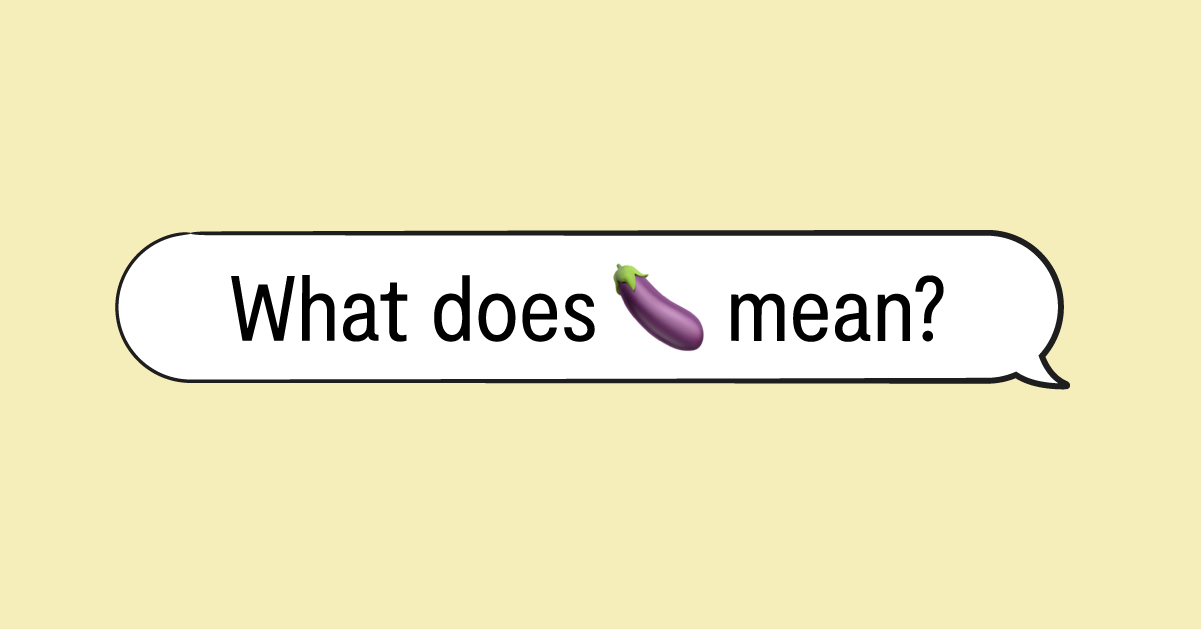
In the rapidly evolving landscape of digital communication, the way we transmit information has shifted from text-heavy interactions to a sophisticated blend of visual shorthand. Central to this transformation is the emoji—a standardized set of ideograms and smileys used in electronic messages and web pages. Among the thousands of symbols sanctioned by the Unicode Consortium, few have garnered as much cultural notoriety or technical scrutiny as the eggplant emoji ( ). While its literal representation is that of a common vegetable, its application in texting and social media apps has transformed it into a complex piece of digital semiotics. To understand what the eggplant emoji means in texting is to understand the intersection of linguistics, software development, and algorithmic moderation.

The Evolution of Visual Communication in Messaging Apps
To understand how a specific emoji gains a secondary meaning, we must first look at the technological framework that allows these symbols to exist. Emojis are not just pictures; they are standardized code points in the Unicode system, ensuring that a symbol sent from an iPhone in Tokyo appears correctly on a Samsung device in London.
From ASCII to Unicode: A Brief History
Before the eggplant emoji existed, digital users relied on ASCII art and emoticons—sequences of keyboard characters like :-) to convey emotion. The shift to graphical emojis began in the late 1990s in Japan but achieved global dominance with the integration of emoji keyboards into iOS and Android. This technological shift enabled a more nuanced, albeit abstract, form of communication. The eggplant was introduced in 2010 as part of Unicode 6.0, intended purely as a food-related icon. However, as messaging apps became the primary mode of human interaction, users began to repurpose these technical assets to fill gaps in digital expression.
Why Modern Platforms Prioritize Visual Shorthand
Technology thrives on efficiency. Mobile interfaces are designed for speed, and emojis offer a high-bandwidth way to communicate complex ideas with a single tap. In the context of “texting,” the eggplant emoji emerged as a linguistic displacement. Because digital platforms often have filters for “not safe for work” (NSFW) text, users adapted the eggplant emoji as a phallic symbol. This is a classic example of “leetspeak” or “algospeak,” where users modify their language to bypass technical restrictions or to create an in-group digital dialect.
Decoding the Eggplant Emoji: Technical Context and Usage
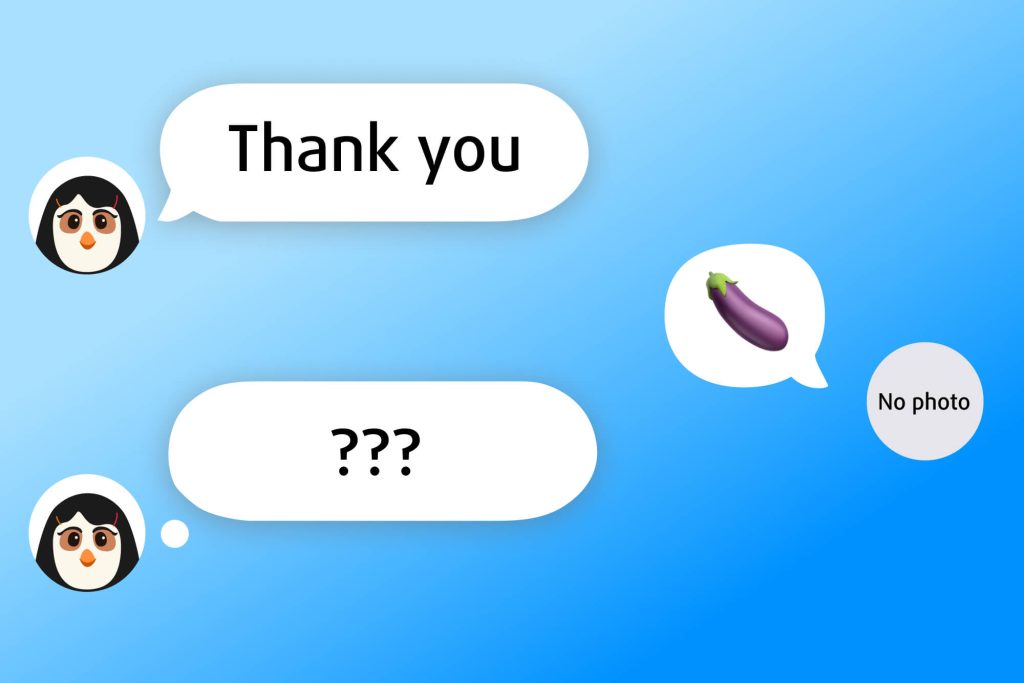
In contemporary texting, the eggplant emoji is almost exclusively used as a suggestive or flirtatious symbol. Its meaning is rarely literal unless the conversation explicitly revolves around cooking or gardening. This shift from a technical asset to a cultural signifier highlights how user behavior can redefine the utility of a software feature.
Linguistic Displacement and Symbolism
In the realm of digital linguistics, the eggplant emoji serves as a “euphemistic ideogram.” Because it is long, purple, and bulbous, it became the consensus choice across global tech platforms to represent male anatomy. This wasn’t a decision made by developers or the Unicode Consortium; it was a grassroots movement by millions of users across platforms like WhatsApp, Tinder, and Snapchat. The meaning is derived from the context: in a flirtatious exchange, it functions as a visual provocative; in a platonic context, it is often used ironically or as a joke regarding the emoji’s well-known reputation.
The Intersection of App Culture and Digital Slang
Different apps provide different contexts for the eggplant emoji. On professional platforms like Slack or Microsoft Teams, the use of the eggplant emoji is generally considered a violation of digital conduct policies due to its widely recognized secondary meaning. Conversely, on dating apps, it functions as a piece of “micro-content” that signals intent. The technology of the app—specifically its intended use case—dictates whether the emoji is seen as a harmless vegetable or a digital liability.
Moderation, Algorithms, and the “Banned” Emoji Controversy
The eggplant emoji’s transformation from a vegetable to a suggestive symbol created a significant challenge for tech companies. How does a platform moderate a symbol that is technically “safe” but contextually “unsafe”? This led to some of the most interesting developments in automated content moderation.
How Social Media Algorithms Handle Suggestive Content
In 2015, Instagram famously made the eggplant emoji unsearchable under its hashtag system. While users could still type the emoji in captions, searching for # yielded no results. This was a technical intervention designed to curb the spread of unsolicited NSFW content. The algorithm was programmed to treat this specific Unicode character differently than its counterparts, like the tomato or the apple. This represents a pivotal moment in tech history where a specific piece of data was “shadow-banned” not because of what it was, but because of how the community used it.
The Technical Challenges of Contextual Image Recognition
For AI-driven moderation tools, the eggplant emoji is a nightmare. Computer vision and Natural Language Processing (NLP) models must be trained to understand “intent.” If a user posts a photo of a ratatouille recipe with an eggplant emoji, the algorithm must recognize it as benign. If the emoji is paired with other suggestive symbols (like the water droplets or the peach), the AI must flag it as potentially suggestive. This requires massive datasets and sophisticated sentiment analysis to ensure that the technology doesn’t overreach and stifle legitimate communication.
The Future of Semiotics in Artificial Intelligence and Chatbots
As we move into the era of Generative AI and Large Language Models (LLMs), the way tech interprets emojis like the eggplant is becoming even more nuanced. AI is no longer just looking for “bad words”; it is learning the cultural weight of symbols.
Natural Language Processing (NLP) and Emoji Sentiment Analysis
Modern NLP models are trained on billions of lines of internet text, meaning they “understand” the eggplant emoji’s slang status as well as any human does. When you interact with an AI chatbot, the model uses tokenization to process emojis. The eggplant emoji is a specific “token” that carries a high probability of being associated with “adult” or “flirtatious” topics in its multi-dimensional vector space. This allows AI to maintain a professional persona or, conversely, to adopt a specific brand voice that understands modern slang.
AI-Driven Personalization in Messaging Interfaces
Predictive text and “smart reply” features now incorporate emoji suggestions based on the sentiment of the conversation. Tech giants like Google and Apple use machine learning to suggest emojis that fit the “vibe” of your message. You will notice that these systems are often cautious; they rarely suggest the eggplant emoji in a professional email context, demonstrating how developers have hard-coded “social awareness” into the predictive algorithms to avoid user embarrassment or corporate liability.
Digital Etiquette and Security in the Age of Visual Shorthand
Understanding the technical meaning of the eggplant emoji is also a matter of digital security and professional ethics. As the lines between personal and professional tech usage blur, the stakes of visual communication have never been higher.
Professional vs. Private Digital Communication
In a corporate tech environment, the eggplant emoji is often flagged by HR software designed to monitor for harassment. Tools like “Gaggle” or “Smarsh,” which archive and scan employee communications for compliance, treat the eggplant emoji as a high-risk indicator. For professionals, the technical takeaway is clear: the emoji’s cultural meaning has overwritten its literal meaning in the eyes of the law and corporate policy.
Avoiding Social Engineering and Phishing
In the world of digital security, symbols are often used in “social engineering” attacks. Phishing bots on platforms like Telegram or Discord often use suggestive emojis—including the eggplant—to lure users into clicking malicious links. The “meaning” of the emoji here is a psychological trigger designed to bypass a user’s skepticism through the promise of “adult” content. Understanding that these symbols are used as technical tools by bad actors is a crucial component of modern digital literacy.
Conclusion: A Symbol of the Power of User-Driven Tech
The eggplant emoji is more than just a joke or a piece of digital slang; it is a testament to how human behavior shapes technology. The Unicode Consortium provided a tool for representing a vegetable, but the global user base repurposed that tool to create a new form of expression. This forced tech companies to evolve, leading to advancements in algorithmic moderation, NLP, and digital conduct policies.
Whether we are looking at it through the lens of a software developer, a social media manager, or a casual texter, the eggplant emoji serves as a reminder that in the world of tech, the “meaning” of a feature is ultimately decided by the person using the keyboard. As digital communication continues to move toward more visual and AI-augmented forms, the lessons learned from the eggplant emoji will continue to inform how we build, moderate, and secure the platforms of the future.
aViewFromTheCave is a participant in the Amazon Services LLC Associates Program, an affiliate advertising program designed to provide a means for sites to earn advertising fees by advertising and linking to Amazon.com. Amazon, the Amazon logo, AmazonSupply, and the AmazonSupply logo are trademarks of Amazon.com, Inc. or its affiliates. As an Amazon Associate we earn affiliate commissions from qualifying purchases.