
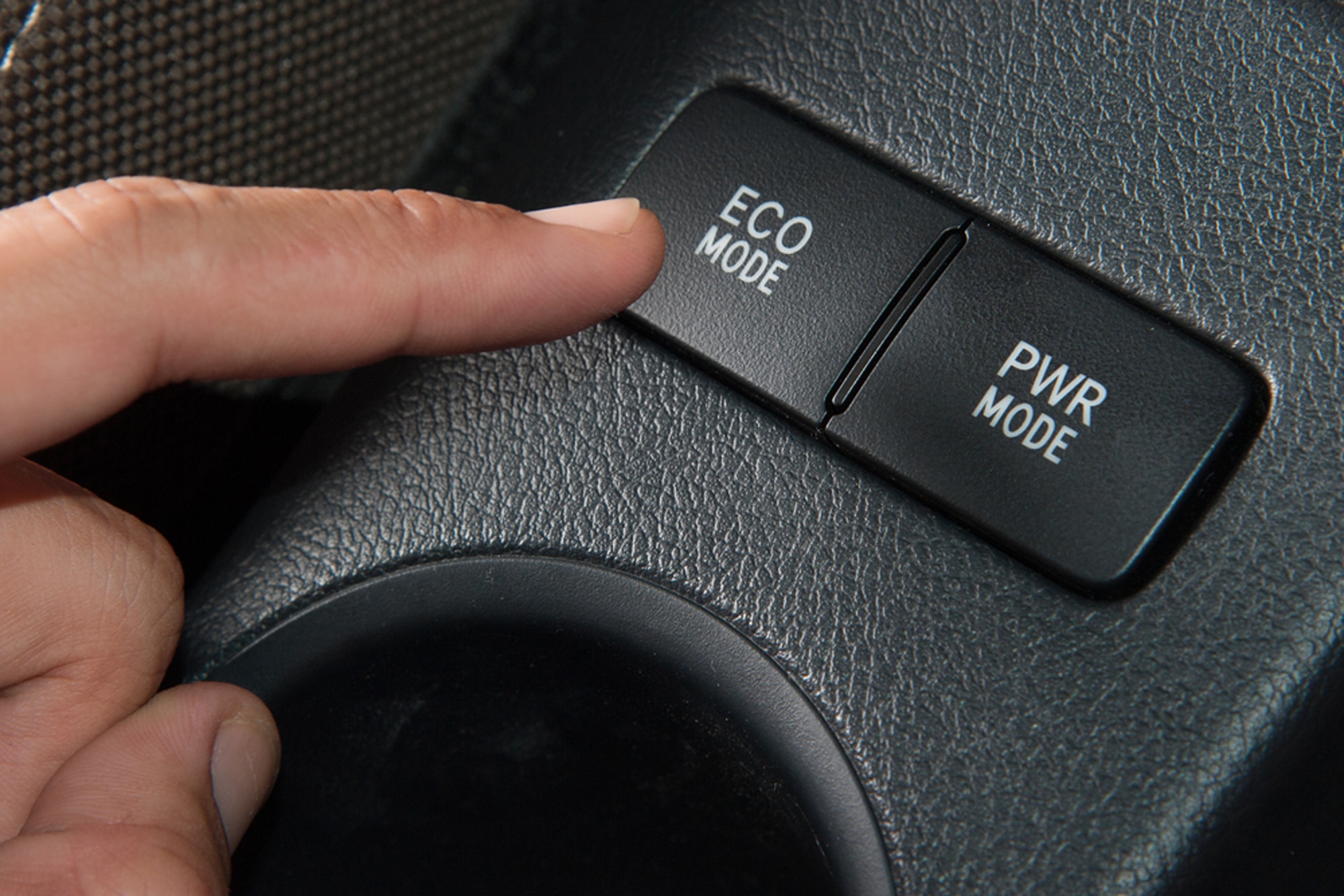
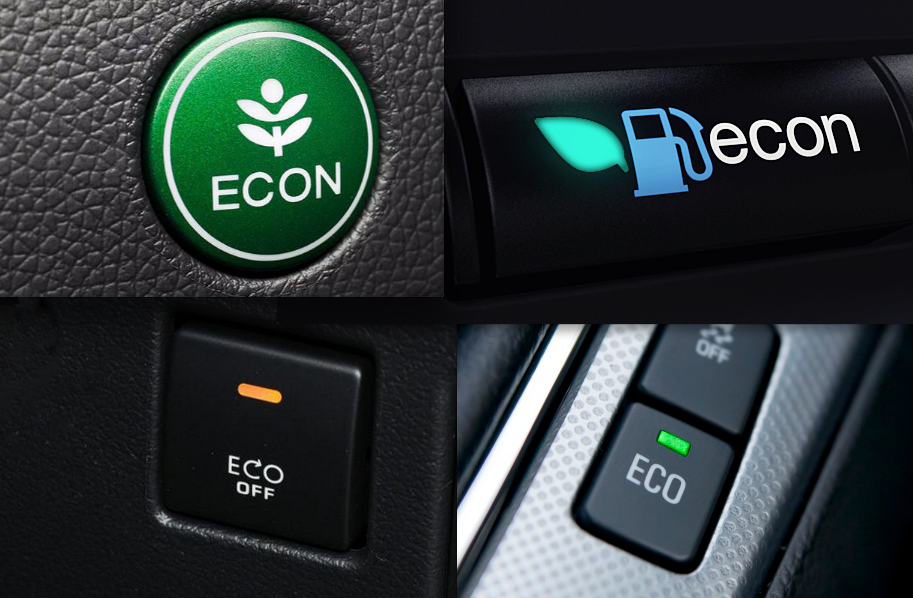
In the modern automotive landscape, the dashboard has become a sophisticated command center, filled with digital displays, sensor feedback, and a variety of driving modes. Among these, the “Eco” button—often represented by a green leaf or the simple word “ECON”—has become a standard fixture. While many drivers understand that pressing this button is intended to save fuel, the complex technological processes occurring beneath the chassis are far more intricate than a simple reduction in power.
Eco Mode is a comprehensive software-driven recalibration of a vehicle’s core systems. It represents a synergy between the Engine Control Unit (ECU), the Transmission Control Module (TCM), and the various peripheral electronics that manage comfort and utility. To truly understand what Eco means in a car, one must look past the marketing and examine the engineering logic that governs modern automotive efficiency.
The Digital Brain: Understanding the ECU’s Role in Eco Mode
At the heart of the Eco function lies the Engine Control Unit (ECU). In older vehicles, the connection between the accelerator pedal and the engine was mechanical—a physical cable that opened a butterfly valve in the throttle body. In the modern era of “drive-by-wire” technology, the pedal is essentially a high-precision sensor that sends an electrical signal to the ECU.
Software Remapping and Throttle Response
When Eco Mode is engaged, the software architecture governing the throttle response undergoes a significant transformation. Under normal or “Sport” settings, a 20% depression of the pedal might correlate to a 20% opening of the throttle. In Eco Mode, the ECU applies a “non-linear mapping” to this input. The software essentially dampens the driver’s request for acceleration.
By smoothing out the throttle curves, the ECU prevents rapid surges in fuel consumption. Even if a driver is aggressive with the pedal, the software interprets that signal and delivers a more gradual increase in air and fuel intake. This technical intervention minimizes the “pumping losses” associated with sudden throttle movements and ensures that the engine operates within its most efficient thermal range.
Fuel Injection Precision and Timing
Beyond mere throttle management, Eco Mode alters the fuel injection strategy. Modern engines utilize Direct Injection (DI) and Variable Valve Timing (VVT) to optimize combustion. When the vehicle is in its efficiency-oriented state, the ECU adjusts the timing of the fuel spray and the duration of the valve openings.
In many high-tech engines, Eco Mode may even trigger “lean burn” conditions where the ratio of air to fuel is increased, or it might initiate cylinder deactivation. If the software detects that the vehicle is cruising at a steady speed with low load, it can electronically shut down half of the engine’s cylinders, effectively turning a V6 into a three-cylinder engine to conserve energy.
Transmission Logic: How Algorithmic Shifting Maximizes Range
While the engine generates the power, the transmission is responsible for delivering it to the wheels. The Transmission Control Module (TCM) works in tandem with the ECU to ensure that the engine remains in its “sweet spot”—the specific RPM range where it produces the most torque for the least amount of fuel.
The Science of Short Shifting
In a standard driving profile, a transmission might wait until the engine reaches 3,000 or 4,000 RPM before shifting to a higher gear to provide a sense of power and acceleration. In Eco Mode, the TCM adopts a “short shifting” strategy. The software is programmed to upshift as early as possible, often keeping the engine speeds significantly lower, sometimes just above the point of stalling.
By keeping the RPMs low, the internal friction of the engine is reduced, and the number of combustion cycles per mile is minimized. This algorithmic preference for higher gears is one of the most effective ways the vehicle’s software can extend the range of a tank of gas or a battery charge.
Torque Management and Drivetrain Optimization
Modern transmissions, particularly Continuously Variable Transmissions (CVTs) and multi-speed automatics (8, 9, or 10 speeds), rely heavily on complex logic gates to decide the optimal gear ratio. In Eco Mode, the TCM limits downshifting. If a driver attempts to pass another vehicle, the software may resist “kicking down” to a lower gear unless the pedal is fully floored. This technical resistance forces the vehicle to rely on the engine’s existing torque rather than burning extra fuel to achieve a high-RPM surge.
Beyond the Powertrain: Smart Climate Control and Energy Recovery
Eco Mode is not limited to the drivetrain; it extends its influence to the vehicle’s peripheral systems, which can account for a surprising percentage of total energy consumption.
HVAC Power Management
The heating, ventilation, and air conditioning (HVAC) system is one of the largest parasitic loads on an engine. The air conditioning compressor is typically driven by a belt connected to the engine’s crankshaft, or in the case of EVs, powered by the high-voltage battery.
When the Eco toggle is active, the climate control software modifies its operation. The AC compressor may cycle on and off more frequently, or the fan speed may be capped. In some advanced systems, the car will prioritize recirculating cabin air rather than cooling hot intake air from outside, reducing the workload on the compressor. While this might result in a slightly slower cooling process for the passengers, the reduction in mechanical and electrical drag significantly improves the vehicle’s overall efficiency.
Regenerative Braking and Electrical Loads
In hybrid and electric vehicles (EVs), Eco Mode often increases the aggressiveness of regenerative braking. When the driver lifts off the accelerator, the electric motor reverses its function, acting as a generator to capture kinetic energy and store it back in the battery.
Furthermore, the vehicle’s power management software may reduce the voltage supplied to non-essential systems. This can include dimming the interior ambient lighting or optimizing the power draw of the seat heaters. While these adjustments are small individually, their cumulative effect over hundreds of miles is measurable.
The User Interface: Gamification and Real-Time Data Feedback
The technology of Eco Mode isn’t just hidden under the hood; it is also a vital part of the driver’s digital experience. Modern infotainment systems and digital clusters use Eco Mode to turn efficiency into a data-driven objective.
Visualizing Efficiency via the Instrument Cluster
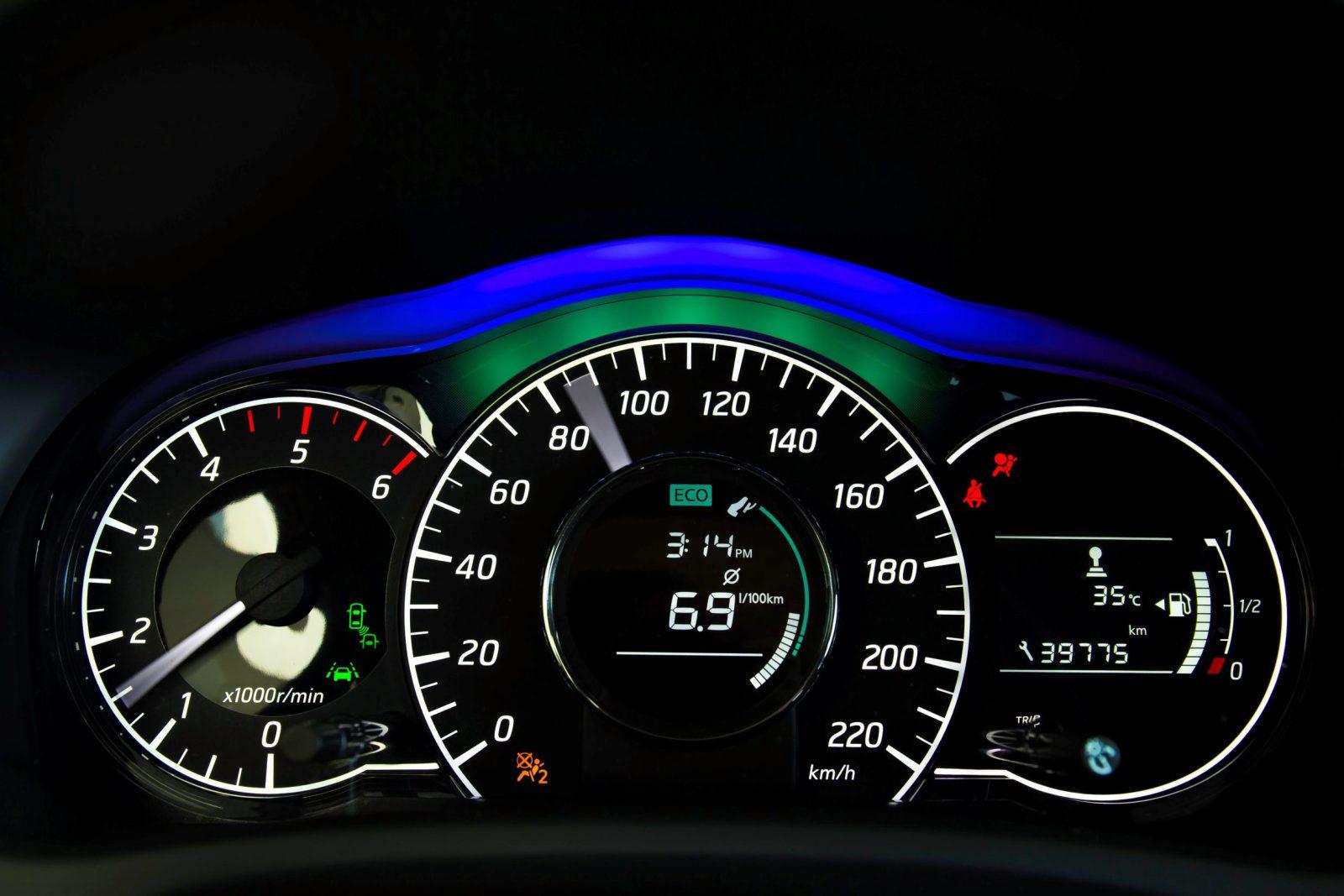
Many manufacturers use color-coded feedback—such as glowing green halos around the speedometer or digital “growing trees” on the dashboard—to inform the driver of their efficiency in real-time. This is more than just an aesthetic choice; it is a psychological application of haptic and visual feedback loops.
The software tracks parameters like brake pressure, throttle position, and coasting time to calculate an “Eco Score.” By presenting this data clearly, the vehicle encourages the driver to adjust their behavior to match the software’s efficiency goals. This “human-machine interface” (HMI) is a critical component of the Eco ecosystem, as the driver remains the most significant variable in fuel consumption.
Predictive Eco-Driving through GPS and AI
The next frontier of Eco technology involves integration with cloud data and Artificial Intelligence. High-end vehicles are now beginning to use GPS data to optimize Eco Mode. If the car knows—via the navigation system—that a long downhill stretch or a stoplight is approaching, it can proactively decouple the transmission (coasting mode) or adjust the battery charging strategy.
AI algorithms are also being used to learn a driver’s routine. If the software recognizes a daily commute, it can manage energy reserves more effectively, ensuring that a plug-in hybrid uses its last bit of electric charge just as it reaches a charging destination. This level of predictive technology transforms Eco Mode from a reactive toggle into a proactive management system.
When to Toggle the Switch: Balancing Technical Efficiency with Performance
Despite its technological advantages, Eco Mode is not a universal “set and forget” feature. The same software constraints that save fuel can also impact the driving dynamics in specific scenarios.
The primary trade-off is responsiveness. Because the software dampens throttle input and resists downshifting, merging onto a high-speed highway or overtaking on a two-lane road can become more difficult. In these situations, the “latency” introduced by Eco Mode’s processing can be a hindrance. Most modern systems are programmed with a “kick-down” override, where a full-throttle application will temporarily bypass Eco constraints for safety, but the inherent delay remains a factor of the software’s design.
Furthermore, in extreme weather conditions, the reduced HVAC performance of Eco Mode may struggle to keep the cabin at a comfortable temperature or clear a fogged windshield effectively. Engineering a vehicle for efficiency requires a balance between environmental impact and occupant comfort, and Eco Mode represents the furthest shift toward the former.
The Future of Efficiency Software
As the automotive industry pivots toward full electrification, the definition of Eco Mode will continue to evolve. In an EV, Eco Mode is less about “fuel injection” and more about sophisticated thermal management of the battery pack and the optimization of power inverter frequencies. The goal remains the same: to extract every possible meter of travel from every joule of energy.
Ultimately, “Eco” in a car is a testament to the power of modern software. It is a digital layer that sits between the driver and the machine, translating human intent into the most efficient physical actions possible. Through the intelligent management of the ECU, TCM, and peripheral systems, Eco Mode proves that the most significant gains in modern automotive performance are often found not in the hardware of the engine, but in the code that controls it.
aViewFromTheCave is a participant in the Amazon Services LLC Associates Program, an affiliate advertising program designed to provide a means for sites to earn advertising fees by advertising and linking to Amazon.com. Amazon, the Amazon logo, AmazonSupply, and the AmazonSupply logo are trademarks of Amazon.com, Inc. or its affiliates. As an Amazon Associate we earn affiliate commissions from qualifying purchases.