
In the vast lexicon of the automotive industry, acronyms often serve as shorthand for technical specifications or performance modes. However, when the letters “DS” appear on a vehicle today, they represent something far more significant than a mere mechanical setting. They represent one of the most ambitious brand-building exercises of the 21st century. While many casual observers might mistake “DS” for a transmission mode like “Drive Sport,” in the world of global corporate identity and luxury marketing, DS stands for DS Automobiles—a premium French brand that has successfully transitioned from a historic model name to a standalone pillar of the Stellantis group.
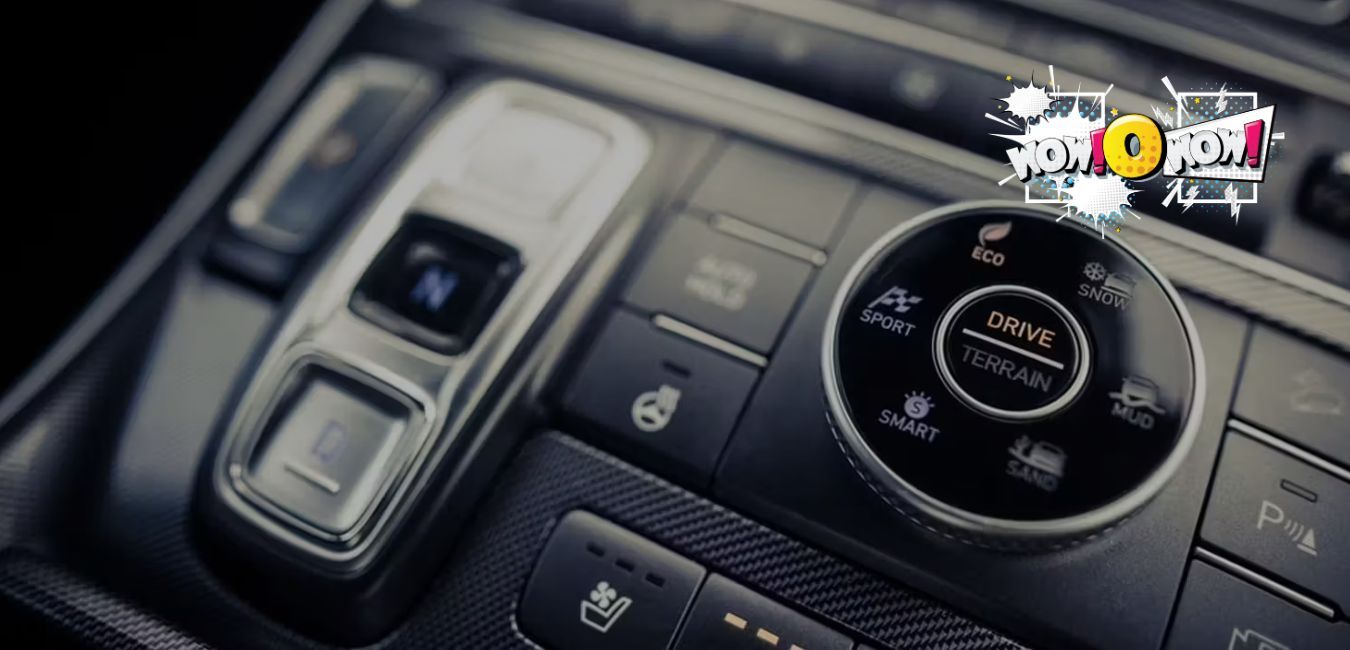
Understanding what DS means on a car requires a deep dive into brand strategy, heritage leveraging, and the complex art of positioning a “new” luxury player in a market historically dominated by established German giants.
The Heritage of Innovation: From Citroën Icon to Standalone Identity
To understand the brand strategy of DS, one must first understand its origins. The name is derived from the Citroën DS, a car unveiled at the 1955 Paris Motor Show that fundamentally changed the trajectory of automotive design. The name was a play on words: in French, “DS” is pronounced exactly like déesse, meaning “Goddess.”
The 1955 Legacy as a Brand Foundation
The original DS was a masterclass in avant-garde branding. It featured hydropneumatic self-levelling suspension, directional headlights, and a futuristic silhouette that looked decades ahead of its time. For the modern DS brand, this heritage is not just a history lesson; it is the “Brand DNA” used to justify its premium price point. In brand strategy, this is known as “heritage leveraging.” By anchoring a new brand in a legendary nameplate, the company bypasses the “newcomer” stigma, instantly inheriting a reputation for innovation and French sophistication.
The 2014 Pivot: Establishing Independence
For several years starting in 2009, DS was a premium sub-line within Citroën. However, corporate strategists recognized that to truly compete with the likes of Audi, BMW, and Lexus, the DS moniker needed to shed the “mass-market” associations of its parent company. In 2014, DS Automobiles was officially established as a standalone brand. This move was a classic example of brand architecture restructuring. By separating the entities, the company could create dedicated “DS Stores,” implement higher service standards, and develop a unique visual language that did not share the “double chevron” logo of Citroën.
Brand Positioning: Defining French Luxury in a German-Dominated Sector
The most significant challenge for DS Automobiles has been carving out a unique value proposition in a crowded premium segment. Their strategy focuses on a concept they call “The French Art of Travel.”
The Savoir-Faire Strategy
While German luxury brands (the “Big Three”: Mercedes-Benz, BMW, and Audi) often focus on engineering precision, horsepower, and “Vorsprung durch Technik,” DS positions itself through the lens of haute couture and French craftsmanship. Their branding emphasizes materials and techniques typically found in the fashion and watchmaking industries. For instance, the “watchstrap” leather upholstery and the “Clous de Paris” guilloché finish on the interior toggles are strategic design cues meant to signal luxury to a sophisticated, design-conscious demographic.
Targeting the “Creative Class”
DS does not attempt to out-perform a BMW M-series on a racetrack. Instead, their marketing strategy targets the “creative class”—individuals who value aesthetic distinction, sustainable luxury, and a departure from the “default” choices of the corporate elite. This is a psychographic segmentation strategy. By positioning themselves as the “alternative” luxury choice, DS creates a brand community based on individuality rather than raw status.
Strategic Growth: How DS Automobiles Navigates the Stellantis Ecosystem
A brand is only as strong as the infrastructure supporting it. Following the merger of PSA Group and FCA to form Stellantis, DS was placed in the “Premium” cluster alongside Alfa Romeo and Lancia. This corporate positioning is vital for its long-term viability.
Platform Sharing and Economies of Scale
A common critique in automotive branding is “badge engineering”—the practice of taking a mass-market car and simply putting a luxury logo on it. To avoid this, DS employs a strategy of “shared platforms but unique touchpoints.” While a DS 7 might share some underlying architecture with a Peugeot 3008, the brand ensures that every consumer-facing element—the suspension tuning, the acoustic insulation, and the interface design—is bespoke. This allows the brand to benefit from the massive R&D budgets of Stellantis while maintaining the exclusivity of a boutique brand.
The Electrification Halo
Modern brand strategy is inextricably linked to sustainability. DS was the first Stellantis brand to commit to an all-electric future, announcing that every new model launched from 2024 onwards would be 100% electric. This “E-Tense” branding serves a dual purpose: it aligns the brand with modern environmental values and provides a technological “halo effect.” By positioning themselves as leaders in electrification, DS reinforces their historical identity as a brand that looks toward the future.
The Future of the DS Identity: Digital Transformation and Market Expansion
As we look at what “DS” means on a car in the current decade, the focus has shifted toward the digital experience and the globalization of French luxury.
The “Only You” Experience
Luxury branding in the 2020s is less about the product and more about the ecosystem of services. DS has launched the “Only You” program, a suite of services including valet pick-up for servicing and access to exclusive events. From a brand management perspective, this is “Relationship Marketing.” By creating a high-touch, personalized service model, DS builds brand loyalty that transcends the mechanical features of the car itself.
Formula E and Global Prestige
To build international brand equity, DS has invested heavily in Formula E (the electric racing series). Success on the track provides the “social proof” needed to validate the brand’s technical prowess. For a brand trying to break into markets outside of Europe, particularly in Asia, motorsports provide a platform for global visibility. The “DS Techeetah” partnership has been instrumental in showing that “French Luxury” also possesses world-class performance capabilities.

Conclusion: The Meaning of the Monogram
So, what does “DS” mean on a car? While the uninitiated might see a stylish vehicle or a specific drive mode, a closer look reveals a sophisticated exercise in brand evolution.
DS represents the successful transformation of a historic icon into a modern corporate identity. It is a brand built on the tension between heritage and futurism, using the “Savoir-Faire” of French luxury to challenge the status quo of the automotive industry. For Stellantis, DS is the vanguard of their premium ambitions; for the consumer, it is a statement of aesthetic independence. As the brand continues to pivot toward a fully electric, digitally integrated future, the “DS” monogram will remain a symbol of how a storied past can be strategically re-engineered to define the luxury of tomorrow. In the high-stakes world of automotive branding, DS is not just a name—it is a masterclass in how to sell a vision of the future by honoring the soul of the past.
aViewFromTheCave is a participant in the Amazon Services LLC Associates Program, an affiliate advertising program designed to provide a means for sites to earn advertising fees by advertising and linking to Amazon.com. Amazon, the Amazon logo, AmazonSupply, and the AmazonSupply logo are trademarks of Amazon.com, Inc. or its affiliates. As an Amazon Associate we earn affiliate commissions from qualifying purchases.