
For pet owners and brand managers in the veterinary wellness space, understanding the visual indicators of canine skin health is paramount. When we analyze the market for pet care products, “dry skin” is a primary pain point that drives consumer purchasing behavior. Whether you are developing a marketing strategy for a new grooming line or managing a brand focused on pet health, identifying the physical symptoms of canine dermatitis is the first step in bridging the gap between product utility and consumer needs.
Visual Manifestations and Texture Changes
The first step in addressing dry skin is recognizing the physical anomalies on the dog’s epidermis. From a diagnostic marketing perspective, dry skin—or xerosis—is rarely a singular symptom; it is usually a cluster of visual cues that tell a story of systemic or localized distress.
The Appearance of Flaking (Dandruff)
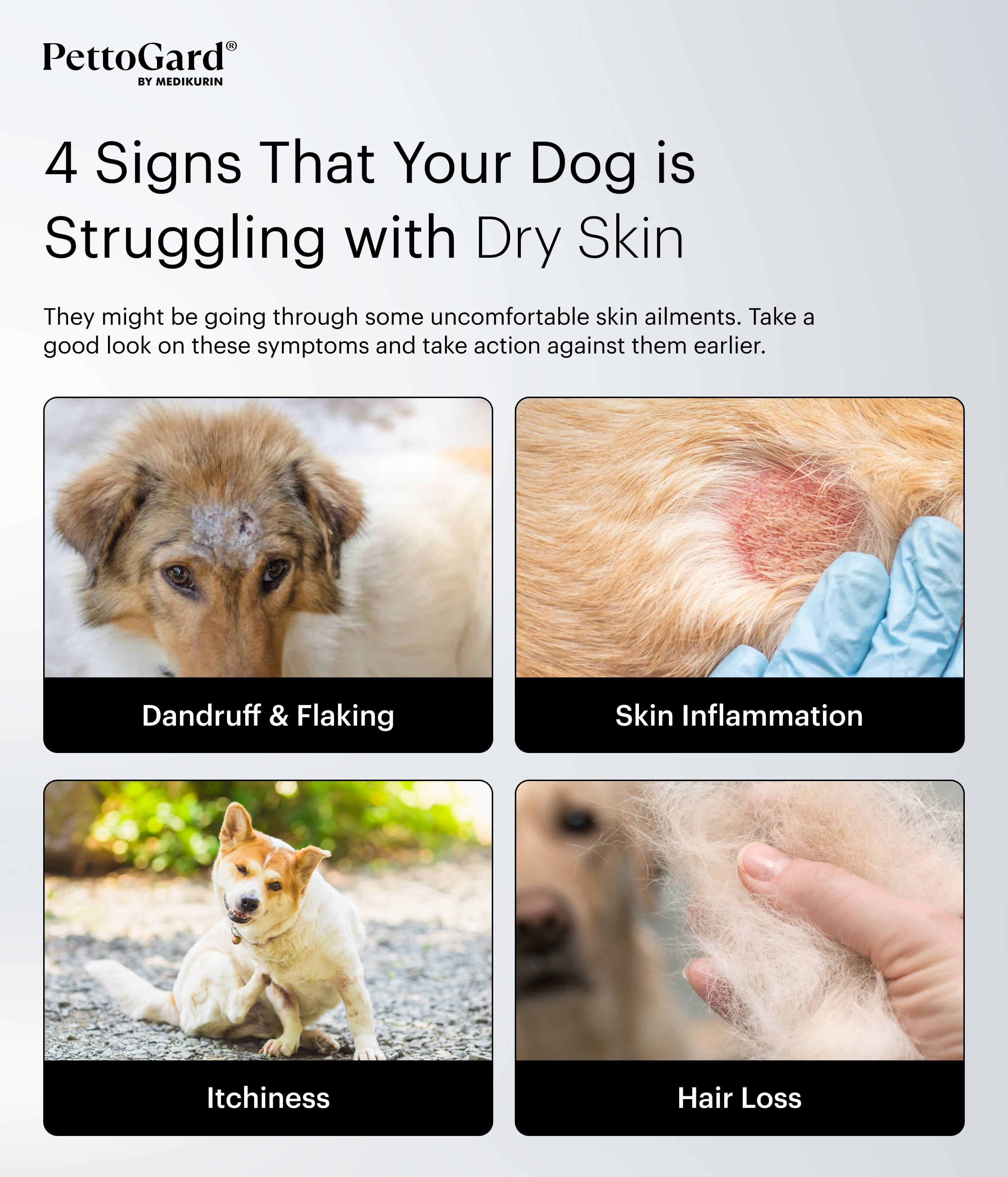
The most common indicator of canine dry skin is the presence of white, flaky scales. In the pet care industry, this is often marketed as “canine dandruff.” These scales are essentially dead skin cells shedding at an accelerated rate. When branding products designed to treat this, it is essential to distinguish between localized shedding (often caused by environmental triggers) and full-body flaking (which may indicate nutritional deficiencies or systemic illness). Visually, this presents as white specks scattered across the coat, particularly noticeable in dogs with darker fur.
Changes in Coat Texture and Luster
Dry skin rarely occurs in isolation from coat health. A healthy dog’s coat should be supple and reflect light; a dog with dry skin often displays a “brittle” coat. The hairs may feel coarse or straw-like to the touch. From a brand strategy standpoint, this is a key opportunity to highlight the efficacy of conditioning agents, oils, and moisture-retentive polymers in your product line. When the skin loses its natural lipid barrier, the hair follicles become malnourished, leading to a loss of elasticity in the fur itself.
Behavioral Indicators Linked to Dermatological Health
In the realm of pet product marketing, it is vital to link the “look” of the skin to the “behavior” of the dog. Consumers often buy products not because of how the skin looks, but because of how the dog’s discomfort disrupts the household.
The Cycle of Pruritus (Itching)
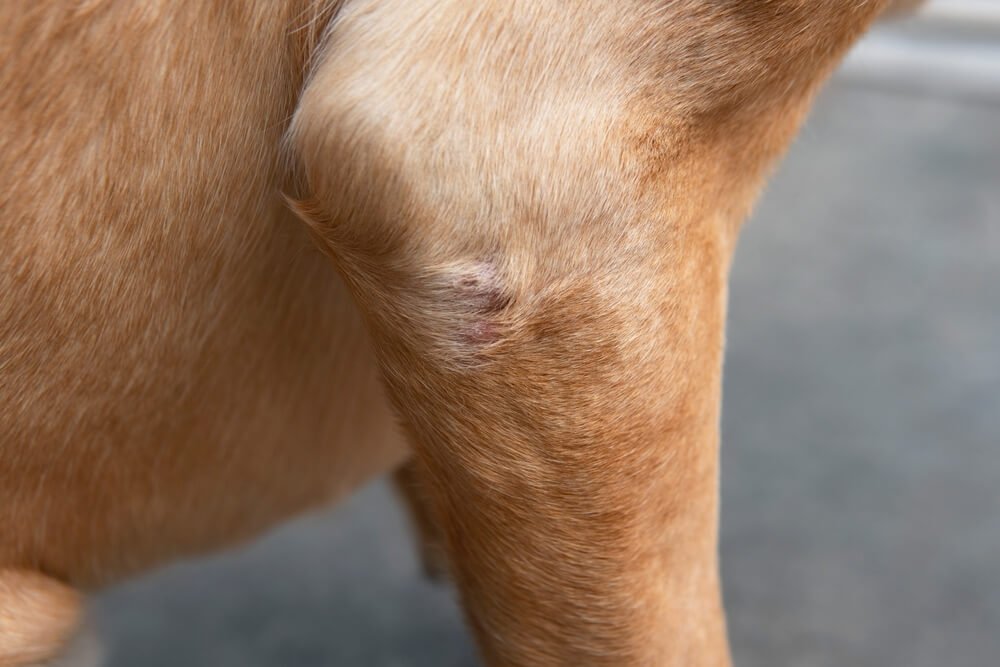
Dry skin is almost always accompanied by pruritus, or intense itching. When analyzing the customer journey, the “itch-scratch cycle” is the primary driver for high-intent purchasing. Visually, this translates into localized redness or “hot spots.” If the dog is constantly licking or scratching a specific area, the skin will appear raw, inflamed, and perhaps hairless. For brands, positioning a solution as an “anti-itch” agent is secondary; the primary value proposition must be “barrier restoration.”
Excoriation and Secondary Lesions
If left unaddressed, the visual appearance of dry skin shifts from simple flaking to skin trauma. This includes:
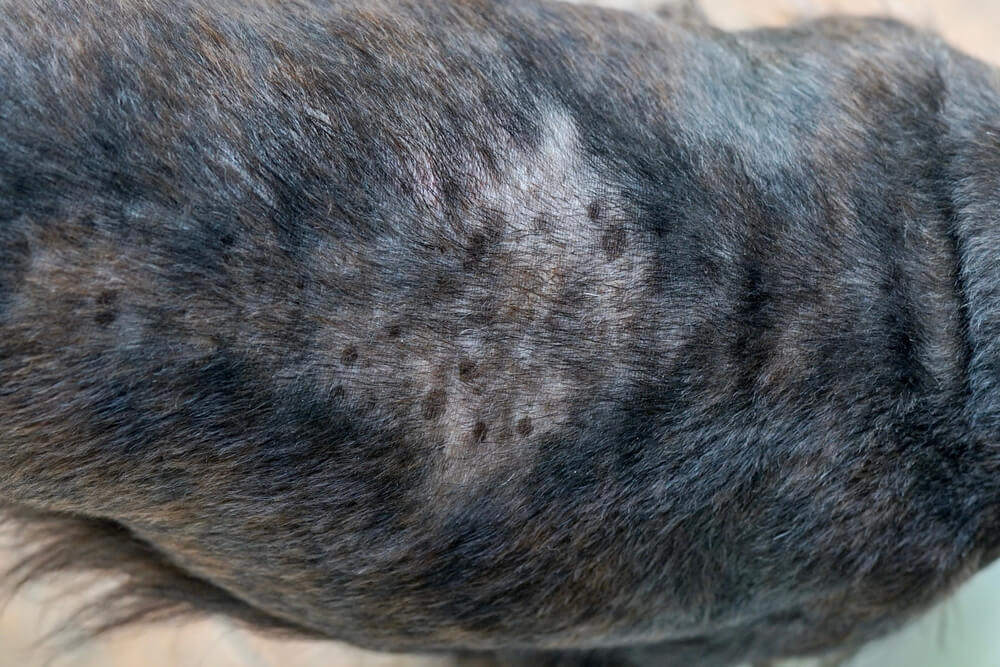
- Alopecia: Patches of hair loss caused by constant friction or biting.
- Hyperkeratosis: Thickening of the skin, often appearing leathery or darkened (hyperpigmentation).
- Crusting: Where moisture has been lost and the surface of the skin has begun to scab or crack, creating an environment for opportunistic bacteria.
Differentiating Between Environmental and Systemic Triggers
From a brand positioning perspective, understanding the root cause allows for better segmentation of your target audience. Not all dry skin is created equal, and marketing a “one-size-fits-all” solution can be detrimental to brand trust.
Seasonal and Environmental Dryness
In many climates, canine dry skin is a seasonal phenomenon. During winter months, indoor heating systems significantly lower humidity levels, leading to trans-epidermal water loss. In this context, the skin looks tight and flaky. Brands focusing on seasonal marketing can capitalize on this by promoting “Winter Relief” kits, focusing on humectants like glycerin or hyaluronic acid, which are buzzwords that resonate with modern, ingredient-conscious pet owners.
Diet-Induced Dermatological Issues
Sometimes, the appearance of dry skin is a visual indicator of an internal deficit. Dogs lacking essential fatty acids (EFAs), particularly Omega-3 and Omega-6, often exhibit a dull, dry, and flaky appearance. For brands operating in the pet supplement or premium food sector, this visual link is a critical marketing tool. By educating the consumer that “dry skin starts from the inside out,” you shift the consumer’s focus from topical shampoos to high-margin nutritional supplements or therapeutic diets.
Branding and Communicating Solutions to Pet Owners
How a brand communicates the solution to these symptoms dictates its long-term market authority. When a consumer searches for “what does dry skin on a dog look like,” they are at the top of the sales funnel—the awareness stage.
Visual Content and Educational Branding
To capture this audience, brands must provide high-quality visual content—infographics, high-resolution photography of healthy versus dry skin, and clear, descriptive language. Using professional, clinical terminology (such as “ceramide replenishment” or “lipid barrier support”) builds institutional trust. Consumers are no longer satisfied with generic “moisturizing” labels; they demand transparency regarding the science of the skin barrier.
The Importance of Ingredient Transparency
As the pet care market trends toward “human-grade” and “clinical-grade” formulations, brands must emphasize the ingredients that address the symptoms identified above.
- Oatmeal and Aloe: Traditional staples for soothing immediate redness.
- Ceramides: Crucial for repairing the compromised moisture barrier.
- Essential Fatty Acids: Vital for long-term health and luster.
When these ingredients are highlighted in product descriptions, the brand isn’t just selling a soap; it is selling a targeted treatment for a specific, identifiable condition. This is the hallmark of a sophisticated brand strategy: identifying the consumer’s problem (via the visual symptoms of dry skin) and mapping the brand’s product directly to the solution.
The Future of Pet Dermatological Product Development
Looking ahead, the intersection of tech-driven pet health and traditional grooming is poised for rapid growth. We are seeing a rise in diagnostic apps that allow users to upload photos of their dog’s skin, which are then analyzed by AI to suggest specific product categories. For brands, this means that visual appearance will soon be linked directly to real-time purchase triggers.
Data-Driven Personalization
Companies that leverage data to understand the most common skin issues in specific breeds or geographic regions will lead the market. If data shows a high incidence of dry skin in a particular climate, predictive marketing can deliver advertisements for moisturizing shampoos before the season even begins. This moves the brand from reactive to proactive, cementing its place as a trusted partner in the pet’s health journey.
Building Trust Through Clinical Advocacy
Finally, successful branding in the pet wellness space requires a delicate balance of emotional connection and scientific rigor. You are marketing to someone who treats their dog like a family member. When that dog exhibits dry, flaky, or inflamed skin, the owner feels a sense of urgency. By providing clear, expert-led guidance on what that dry skin looks like and why it happens, your brand stops being a vendor and starts being an advocate. This shift is the ultimate goal of corporate identity in the pet industry: creating a relationship based on empathy, education, and effective, evidence-based results.
Ultimately, recognizing the visual signs of dry skin is more than a diagnostic exercise for pet owners—it is a critical data point for the industry. By understanding how these symptoms look, feel, and manifest, brands can refine their messaging, improve their product formulations, and better serve the evolving needs of the modern pet parent. Whether through nutrition, grooming, or diagnostic support, the goal remains the same: restoring the skin’s integrity and ensuring the dog’s comfort, one healthy, flake-free coat at a time.
aViewFromTheCave is a participant in the Amazon Services LLC Associates Program, an affiliate advertising program designed to provide a means for sites to earn advertising fees by advertising and linking to Amazon.com. Amazon, the Amazon logo, AmazonSupply, and the AmazonSupply logo are trademarks of Amazon.com, Inc. or its affiliates. As an Amazon Associate we earn affiliate commissions from qualifying purchases.