
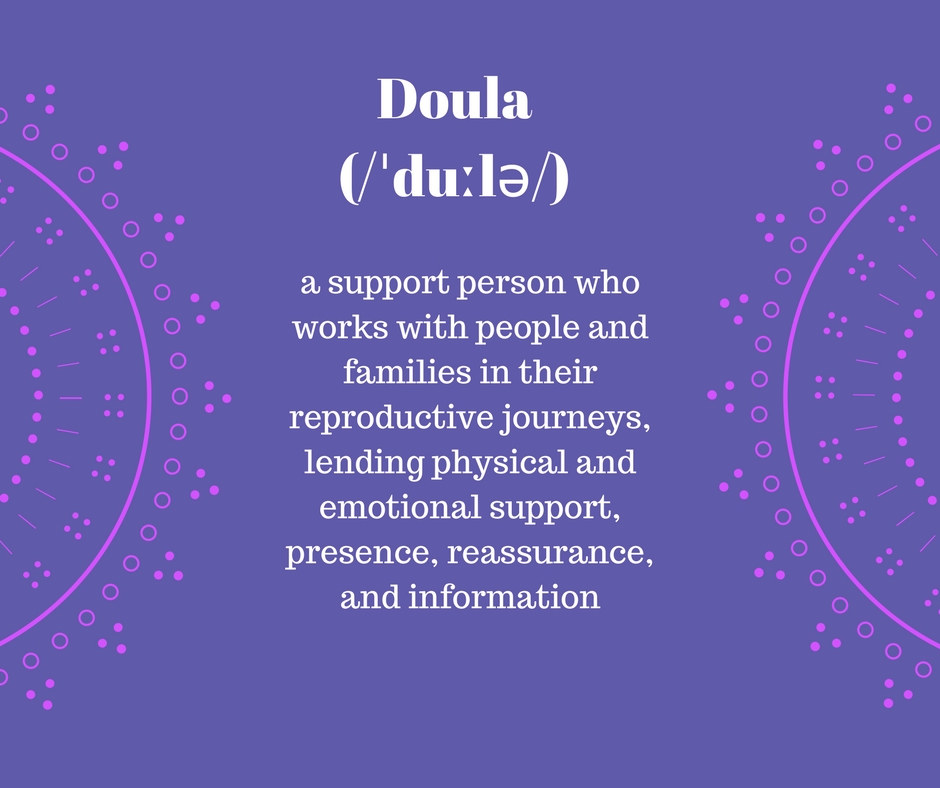
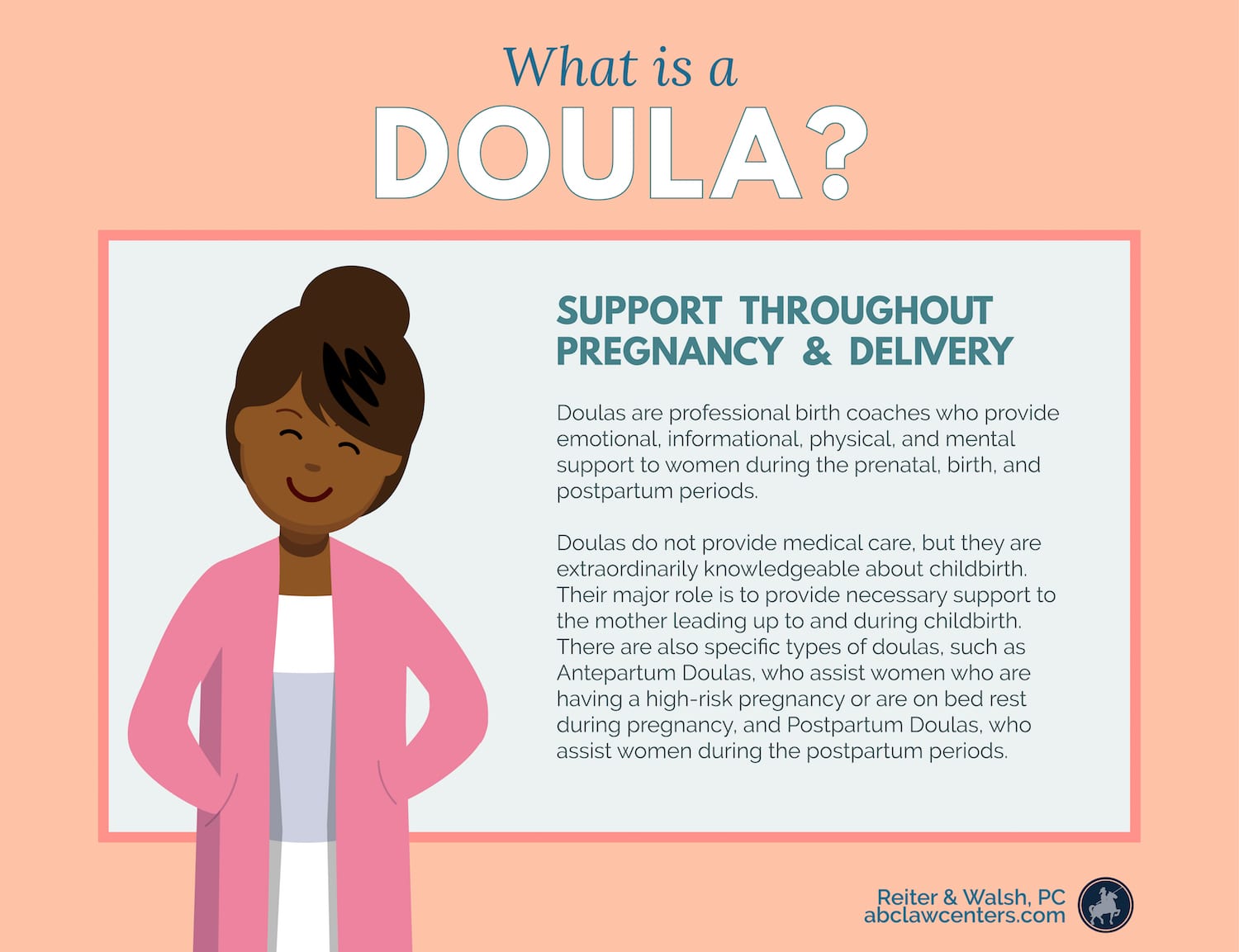
The term “doula” has gained increasing recognition in recent years, often appearing in discussions about childbirth and postpartum support. However, for many, the precise meaning and scope of a doula’s role remain somewhat nebulous. Far from being a medical professional, a doula is a trained companion who provides non-medical, emotional, and physical support to pregnant individuals and their families throughout pregnancy, labor, and the postpartum period. Understanding the “what” of a doula necessitates exploring their historical roots, their diverse functions, the benefits they offer, and how they integrate into the broader landscape of family support.
The Evolution and Essence of Doula Support
The concept of a doula is not a modern invention but rather a modern revival of ancient traditions. Historically, women have always supported each other through childbirth. This support often came from experienced mothers, grandmothers, or community elders who offered practical advice, comfort, and a sense of solidarity during this profound life event. In many cultures, these roles were informal but integral to the birthing experience.
Ancient Roots and Modern Revival
The word “doula” itself originates from the ancient Greek word “doulē,” meaning “female slave” or “servant.” While the etymology might seem jarring in a modern context, it reflects the historical role of a woman dedicated to serving and supporting another woman during a vulnerable and critical time. In contemporary usage, the “servant” aspect is understood not as subservient, but as dedicated, attentive, and devoted to the client’s needs.
The modern doula movement gained momentum in the late 20th century, driven by research highlighting the positive impact of continuous emotional and physical support on birth outcomes. Pioneers like Ina May Gaskin and Penny Simkin were instrumental in advocating for the role of doulas, emphasizing their ability to empower birthing individuals and improve satisfaction with the birth experience. This revival was a response to the increasingly medicalized and often impersonal nature of hospital births, aiming to restore a sense of agency and human connection to the process.
Defining the Doula’s Non-Medical Role
It is crucial to understand what a doula is not. A doula is not a medical practitioner. They do not perform clinical tasks such as taking vital signs, administering medication, or making medical diagnoses. They do not deliver babies, assist with surgical procedures, or provide any form of medical advice. This distinction is fundamental to their role.
Instead, doulas operate in a complementary capacity to the medical team. They are advocates for the birthing person, ensuring their wishes and birth plan are heard and respected within the medical setting. Their support is holistic, encompassing emotional encouragement, physical comfort measures, and informational guidance. This focus on non-medical support allows doulas to dedicate their attention to the well-being and autonomy of the individual they are supporting, fostering a sense of empowerment and trust throughout the journey.
The Multifaceted Functions of a Doula
The role of a doula is diverse and adaptable, with their responsibilities extending across pregnancy, labor, and the postpartum period. Their interventions are tailored to the individual needs and preferences of the birthing family, creating a personalized support system.
During Pregnancy: Preparation and Planning
The journey with a doula typically begins during pregnancy. This phase is crucial for building rapport, understanding the individual’s desires for their birth, and providing comprehensive prenatal education.
- Emotional Support and Empowerment: Pregnancy can bring about a range of emotions, from excitement to anxiety. Doulas offer a consistent, non-judgmental presence, listening to concerns, validating feelings, and fostering a sense of confidence. They help birthing individuals connect with their inner strength and trust their bodies’ ability to give birth.
- Informational Support and Advocacy: Doulas provide evidence-based information about pregnancy, labor, birth options, and postpartum care. They help individuals understand medical interventions, their risks and benefits, and assist in developing a birth plan that aligns with their values and preferences. They also help navigate the healthcare system and advocate for the birthing person’s wishes with their medical providers.
- Physical Comfort Techniques: While not medical, doulas can teach and facilitate various comfort measures that can be used during pregnancy and labor. This might include breathing techniques, relaxation exercises, positioning for comfort, and massage. They can also suggest helpful resources for prenatal nutrition and exercise.
During Labor and Birth: Continuous Presence and Comfort
The presence of a doula during labor is perhaps the most recognized aspect of their role. Their continuous support can significantly impact the birthing experience.
- Continuous Emotional Encouragement: Labor can be a long and challenging process. Doulas provide unwavering emotional support, offering words of encouragement, reassurance, and a calming presence. They help manage fear and anxiety, allowing the birthing person to focus on their labor.
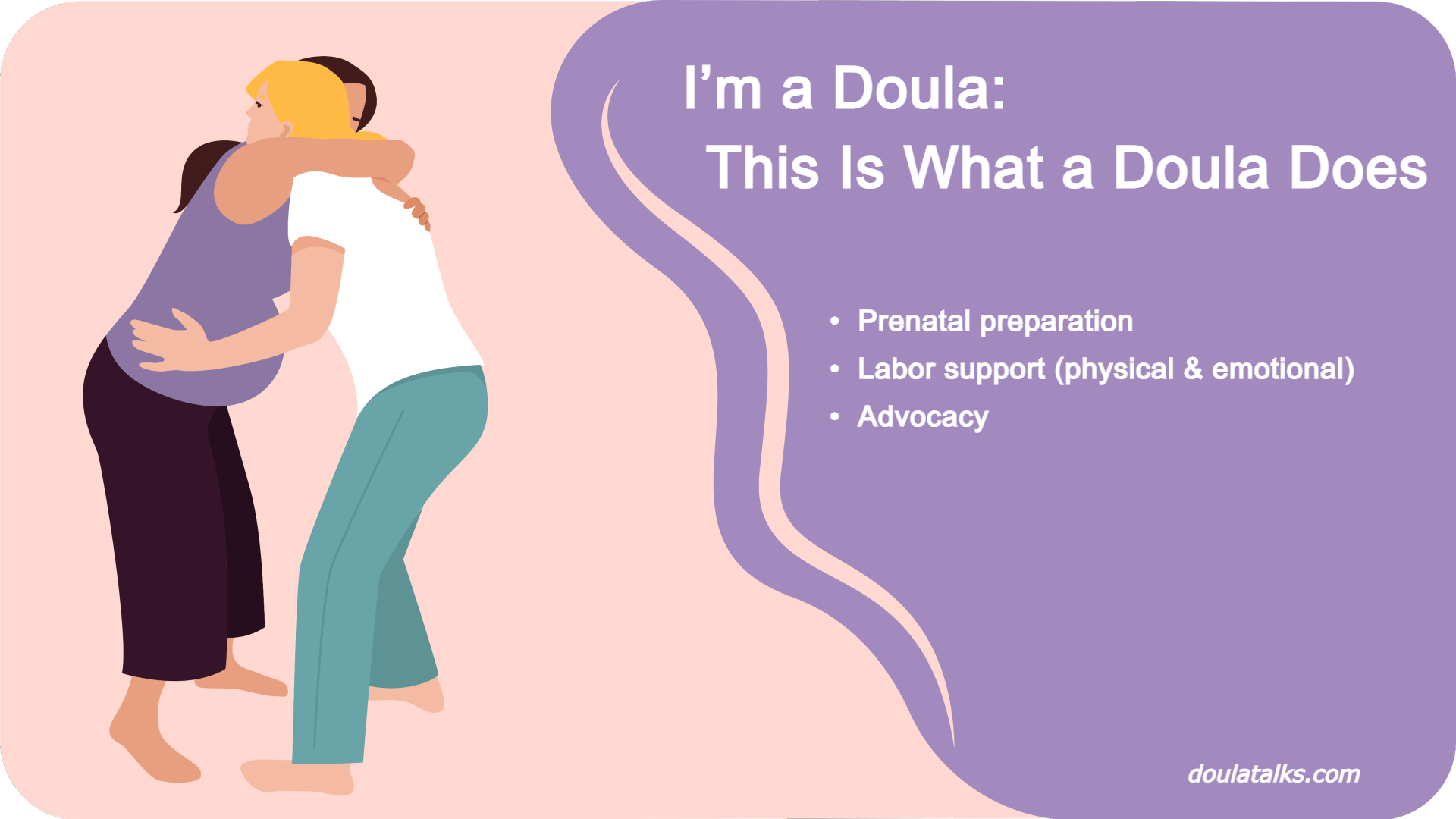
- Physical Comfort Measures: Doulas are skilled in various non-medical comfort measures that can alleviate pain and promote relaxation. This includes massage, counter-pressure, hip squeezes, guiding through different labor positions, and assisting with hydrotherapy (baths or showers). They work with the birthing person to find what feels most helpful at each stage of labor.
- Advocacy for Preferences: Doulas act as a liaison between the birthing person and the medical staff, ensuring that the birth plan is understood and respected as much as possible within the clinical environment. They can help communicate needs and preferences to nurses and doctors, ensuring the birthing person’s voice is heard.
- Partner Support: Doulas also support the birthing partner, offering guidance on how they can best assist and provide comfort. They can empower partners to be active participants in the birth without feeling overwhelmed or unsure of how to help.
Postpartum Support: Recovery and Adjustment
The postpartum period is a significant transition for new families, and doula support can extend into this time, providing crucial assistance as the family adjusts to life with a new baby.
- Emotional and Practical Support: New parents often experience a range of emotions, including joy, exhaustion, and sometimes overwhelm. Postpartum doulas offer a listening ear, validate their experiences, and provide encouragement. They can also assist with practical tasks such as light housekeeping, preparing simple meals, or running errands, freeing up parents to rest and bond with their baby.
- Infant Care Guidance: While not providing medical advice, postpartum doulas can offer guidance and support with basic infant care, such as bathing, diapering, and soothing techniques. They can also assist with breastfeeding support, helping new mothers with latch and positioning, and connecting them with lactation consultants if needed.
- Family Well-being: Postpartum doulas focus on the well-being of the entire family unit, helping them navigate the challenges and joys of early parenthood. They can facilitate communication between partners, support the adjustment of older siblings, and help establish healthy routines.
The Tangible Benefits of Doula Support
The effectiveness of doula support is not merely anecdotal; it is backed by a growing body of research demonstrating significant positive outcomes for both birthing individuals and their babies. These benefits span physical health, emotional well-being, and overall satisfaction with the birth experience.
Improved Birth Outcomes and Reduced Interventions
Studies have consistently shown that continuous labor support provided by a doula is associated with a lower incidence of certain interventions.
- Reduced Cesarean Birth Rates: One of the most significant findings is the reduced likelihood of a Cesarean birth for individuals who have doula support. This is attributed to the continuous emotional and physical comfort provided, which can help labor progress more smoothly and reduce the need for medical interventions often associated with prolonged or difficult labors.
- Lower Use of Pain Medication: Doula support is also linked to a decreased need for pharmacological pain relief, such as epidurals. The comfort measures and emotional support provided by doulas can empower individuals to cope with labor pain more effectively using non-medical strategies.
- Shorter Labor Durations: While not always the case, some research suggests that doula support can contribute to shorter labor durations, potentially due to increased relaxation and reduced anxiety.
Enhanced Emotional Well-being and Parental Satisfaction
The emotional impact of doula support is profound, leading to greater confidence and satisfaction with the birth experience.
- Reduced Risk of Postpartum Depression: By providing consistent emotional support throughout pregnancy and postpartum, doulas can help mitigate the risk of postpartum mood disorders. They offer a safe space to process emotions and can connect families with resources if needed.
- Increased Parental Confidence: The guidance and encouragement from a doula can foster a sense of confidence and preparedness in new parents. Knowing they have a supportive presence can empower them to navigate the challenges of early parenthood with greater ease.
- Higher Satisfaction with Birth Experience: Ultimately, many individuals who have doula support report higher levels of satisfaction with their birth experience. This is often attributed to feeling heard, respected, supported, and empowered throughout the process.
Benefits for the Baby
The positive impact of doula support extends to the newborn as well.
- Improved Infant Apgar Scores: Some studies have indicated that babies born with doula support may have higher Apgar scores, a measure of a newborn’s health shortly after birth.
- Better Bonding and Breastfeeding Initiation: The calm and supportive environment fostered by a doula can contribute to a smoother transition for the baby and may positively influence early bonding and breastfeeding initiation.
Navigating the Doula Landscape: Finding and Working with a Doula
For those considering the benefits of doula support, understanding how to find and engage with a doula is an important step. The process involves research, interviews, and establishing a trusting relationship.
Finding a Doula: Certification and Referrals
- Certification and Training: While not legally mandated in all regions, many doulas are certified through various organizations. These certifications often involve comprehensive training in labor support, postpartum care, anatomy, physiology, and ethics, as well as practical experience and ongoing continuing education. Reputable organizations include DONA International, CAPPA, and ICEA.
- Referrals and Online Resources: Recommendations from friends, family, healthcare providers (midwives, obstetricians), and childbirth educators can be valuable sources for finding doulas. There are also online directories and platforms dedicated to connecting clients with doulas in their area.
- Initial Consultation: Most doulas offer an initial consultation, often free of charge. This is an opportunity for potential clients to discuss their needs, ask questions, and assess whether the doula is a good fit in terms of personality, philosophy, and availability.
The Doula Contract and Client Relationship
- Understanding the Contract: Once a doula is chosen, a contract will typically be drawn up outlining the services provided, fees, cancellation policies, and expectations for both parties. It is essential to read and understand this contract thoroughly before signing.
- Building Trust and Communication: The relationship with a doula is deeply personal. Open and honest communication is key. Clients should feel comfortable sharing their fears, hopes, and any concerns they may have. A good doula will foster an environment of trust, respect, and non-judgment.
- Collaboration with Healthcare Providers: Doulas are not replacements for medical professionals. They work collaboratively with your obstetrician, midwife, and hospital staff. It is important to inform your healthcare provider that you plan to have a doula.
The Cost of Doula Support and Accessibility
The cost of doula services can vary significantly based on location, experience, and the scope of services offered. Some insurance plans are beginning to cover doula care, making it more accessible. For those facing financial barriers, exploring sliding scale fees, community doula programs, or seeking out doulas in training who may offer reduced rates can be options. Advocating for greater insurance coverage and community integration of doula services remains an ongoing effort to ensure this valuable support is available to all who desire it.
In conclusion, the term “doula” signifies a dedicated, trained companion providing invaluable non-medical support throughout the pregnancy, birth, and postpartum journey. Their role is rooted in ancient traditions of female solidarity and has evolved into a professional service recognized for its ability to empower individuals, improve birth outcomes, and foster well-being for the entire family. Understanding what a doula means is recognizing the profound impact of continuous, compassionate, and informed support during one of life’s most significant transitions.
aViewFromTheCave is a participant in the Amazon Services LLC Associates Program, an affiliate advertising program designed to provide a means for sites to earn advertising fees by advertising and linking to Amazon.com. Amazon, the Amazon logo, AmazonSupply, and the AmazonSupply logo are trademarks of Amazon.com, Inc. or its affiliates. As an Amazon Associate we earn affiliate commissions from qualifying purchases.