
DoorDash has become an ubiquitous presence in the modern food delivery landscape, offering unparalleled convenience at the tap of a screen. While the allure of having your favorite meals arrive at your doorstep is undeniable, understanding the true cost of this service involves a deeper dive than simply glancing at menu prices. This article aims to provide a thorough financial analysis of DoorDash, dissecting the various fees, subscription options, and hidden costs that contribute to the overall expenditure for both consumers and, by extension, the businesses that utilize its platform. From the perspective of personal finance and smart spending, unraveling these components is crucial for making informed decisions about when and how to leverage DoorDash.
Understanding the Core Fee Structure: More Than Just Food Prices
When you place an order through DoorDash, the final bill is a composite of several distinct charges. Recognizing each of these elements is the first step in demystifying the overall expense. These fees are designed to cover the operational costs of the platform, including driver compensation, marketing, and technological infrastructure.
The Base Delivery Fee: The Foundation of the Charge
The most straightforward component of your DoorDash bill is the base delivery fee. This is a fixed or variable charge that directly compensates the delivery driver for their time and mileage to bring your food from the restaurant to your location.
-
Factors Influencing Base Delivery Fee: The base delivery fee isn’t static. Several factors can influence its amount. Proximity between the restaurant and your delivery address is a primary driver; the further the distance, the higher the potential fee. Time of day and demand also play a significant role. During peak hours, such as lunch or dinner rushes, or on days with high order volumes (like holidays or during inclement weather), delivery fees can increase to incentivize more drivers to be active on the platform. Restaurants themselves may also set different delivery fees based on their agreements with DoorDash. Some restaurants may offer free delivery as a promotional tactic or absorb the cost as part of their overall pricing strategy.
-
Variable Fee Structures: It’s important to note that DoorDash doesn’t always employ a single, flat-rate delivery fee. Some orders might feature a lower base fee, while others, particularly those with longer distances or during high demand, will incur a higher charge. This variability is a key aspect of how DoorDash manages supply and demand for its delivery services.
Service Fees: The Platform’s Cut
Beyond the delivery fee, DoorDash also imposes a service fee on most orders. This fee is distinct from the delivery charge and contributes to the overall operational costs and revenue of the DoorDash platform itself.
-
Purpose of Service Fees: Service fees are typically a percentage of the subtotal of your order, excluding taxes and tips. This revenue stream helps DoorDash fund its technology development, customer support, marketing efforts, and general administrative expenses. It’s the platform’s primary mechanism for generating revenue from individual transactions.
-
Percentage-Based vs. Flat-Rate Service Fees: While often expressed as a percentage, the exact calculation of the service fee can vary. Some orders might have a standard percentage, while others could have a tiered system or even a small flat fee. Factors like the restaurant’s partnership level with DoorDash, promotional offers, or the specific type of cuisine being ordered can sometimes influence the service fee amount. Understanding this percentage is crucial, as it can significantly add to the total cost, especially for larger orders.
Small Order Fees: Discouraging Low-Value Transactions
For orders that fall below a certain monetary threshold, DoorDash often implements a “small order fee.” This fee is designed to ensure that the economics of a delivery remain viable for drivers and the platform, even when the order subtotal is low.
-
Rationale Behind Small Order Fees: Delivering a very small order can sometimes be less profitable than delivering a larger one, especially considering the fixed costs associated with driver time and vehicle usage. The small order fee helps to bridge this gap, making it more financially feasible for drivers to accept and complete these less substantial orders. For consumers, it serves as a disincentive to place very small orders, encouraging them to consolidate their purchases or consider picking up the order themselves.
-
Impact on Budgeting: If you frequently order small meals or snacks, these small order fees can accumulate, adding an unexpected premium to your spending. Being aware of the minimum order value for avoiding this fee can help you strategize your orders to minimize this extra cost.
Surge Pricing: When Demand Outstrips Supply
Similar to ride-sharing services, DoorDash can implement surge pricing during periods of exceptionally high demand. This is a dynamic pricing mechanism designed to incentivize more drivers to join the platform and accept orders when demand is at its peak.
-
Triggers for Surge Pricing: Surge pricing is typically activated during major events, holidays, adverse weather conditions, or simply during the busiest meal times in a particular area. When demand for deliveries significantly exceeds the number of available drivers, DoorDash will increase the delivery fees to encourage more drivers to log on and accept orders.
-
Visual Cues and Cost Implications: DoorDash often visually indicates surge pricing on its app, usually with a multiplier or a colored icon. This means the delivery fee, and potentially other fees, will be higher than usual. For consumers, this translates to a more expensive order. While it ensures delivery availability during busy times, it’s a cost that can catch unsuspecting users off guard if they aren’t paying close attention to the app’s real-time pricing.
Subscription Services and Discount Programs: Mitigating Costs
DoorDash offers subscription services and various promotional opportunities that can significantly reduce the overall cost of using the platform for frequent users. These programs are designed to foster customer loyalty and encourage more regular engagement.
DashPass: The Flagship Subscription for Savings
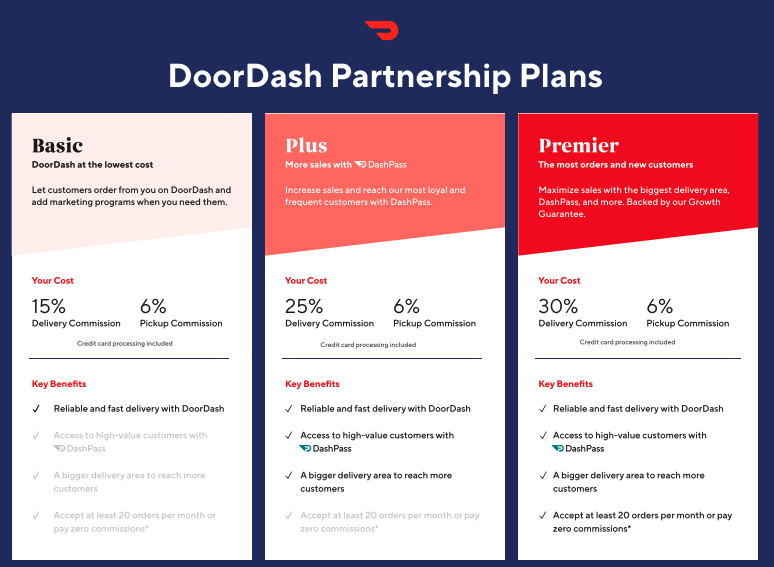
DashPass is DoorDash’s premium subscription service, offering a host of benefits aimed at reducing delivery costs for its members. For those who order frequently, DashPass can provide substantial savings over time.
-
Core Benefits of DashPass: The primary benefit of DashPass is $0 delivery fees on eligible orders. This applies to orders from participating restaurants that meet a minimum subtotal (which can vary). Additionally, DashPass members often receive 5% off eligible orders, further enhancing the value proposition. Access to exclusive offers and promotions is another perk that can translate into tangible savings.
-
Cost-Benefit Analysis for Consumers: The decision of whether DashPass is financially worthwhile hinges on your ordering frequency. DoorDash typically offers a free trial period, allowing users to test the service. If you order from DoorDash more than a few times a month, the savings on delivery fees alone can quickly recoup the monthly or annual subscription cost. However, for infrequent users, the subscription fee might outweigh the potential savings. A careful assessment of your past ordering habits is essential for making an informed decision.
Promotions, Discounts, and Referral Programs: Occasional Savings
Beyond DashPass, DoorDash frequently offers a variety of promotions, discounts, and referral incentives that can reduce the cost of individual orders.
-
Types of Discounts: These can include percentage-off discounts on specific restaurants or cuisines, dollar-off coupons for first-time users or on orders above a certain amount, and even buy-one-get-one-free offers from partner restaurants. Referral programs incentivize existing users to bring new customers to the platform by offering credits or discounts for successful referrals.
-
Maximizing Savings: Staying updated on these promotions is key to maximizing savings. This involves regularly checking the DoorDash app for banners and notifications, signing up for email lists from DoorDash and your favorite restaurants, and actively participating in referral programs. For budget-conscious consumers, leveraging these occasional discounts can make DoorDash a more affordable option.
Beyond the Bill: Indirect Costs and Financial Considerations
While the immediate fees are the most apparent costs associated with DoorDash, there are several indirect financial implications and considerations that consumers should be aware of to fully grasp the financial impact of using the service.
Restaurant Markups: The Hidden Premium
It’s a common practice for restaurants listed on delivery platforms like DoorDash to increase their menu prices compared to their in-house dining or take-out prices. This practice is a crucial, often overlooked, aspect of the true cost of ordering through DoorDash.
-
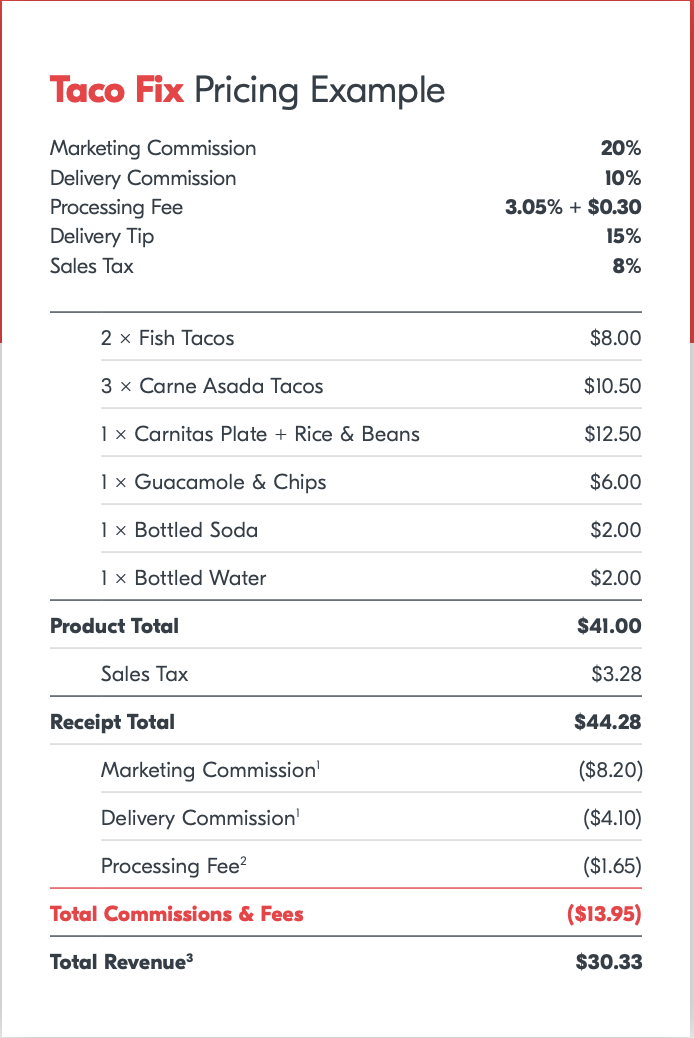
Reasons for Menu Price Increases: Restaurants face significant commission fees from DoorDash, often ranging from 15% to 30% or even higher for premium placement. To offset these commissions and maintain their profit margins, restaurants pass on a portion of this cost to the consumer through higher menu prices. Additionally, the costs associated with packaging for delivery and the convenience factor are also factored into these inflated prices.
-
Impact on Purchasing Power: This means that even without explicit delivery or service fees, you are likely paying more for your food when ordering through DoorDash compared to dining in or picking up directly from the restaurant. For a frequent user, these price markups can represent a substantial hidden cost that accumulates over time. Comparing prices between the app and the restaurant’s own website or menu can reveal these discrepancies.
Tipping: Acknowledging Driver Effort
Tipping is an integral part of the DoorDash ecosystem, serving as a direct financial incentive for delivery drivers. While not a fee levied by DoorDash itself, it is a significant and expected component of the total cost for the consumer.
-
Standard Tipping Practices: DoorDash provides suggested tipping amounts based on order value and distance. However, the “standard” tip often falls between 15% and 20% of the order subtotal. Many users opt for higher tips, especially during challenging delivery conditions or for exceptional service.
-
Tipping’s Role in Driver Earnings: It is crucial to understand that driver earnings on DoorDash are heavily reliant on tips. While DoorDash provides a base pay per delivery, tips often constitute the largest portion of a driver’s income. Therefore, a tip is not merely an optional gratuity but a vital component of fairly compensating the individual performing the delivery. When budgeting for DoorDash, it’s essential to factor in a generous tip to ensure fair compensation for the driver.
Opportunity Cost and Impulse Spending
Beyond direct financial outlays, using DoorDash can also incur an opportunity cost and contribute to impulse spending, which have their own financial implications.
-
The Convenience Factor: The sheer convenience of DoorDash can lead to more frequent ordering than might otherwise occur. Instead of planning meals, cooking, or even going out to eat, the ease of ordering can encourage spontaneous decisions. This can lead to higher overall food spending and potentially less healthy eating habits if not managed carefully.
-
Impact on Financial Goals: For individuals focused on budgeting and achieving financial goals, frequent reliance on DoorDash can hinder progress. The accumulated costs of delivery fees, service fees, inflated menu prices, and tips can divert funds that could otherwise be allocated to savings, investments, or debt repayment. Consciously considering these indirect costs and the potential for impulse spending is vital for maintaining financial discipline.
Conclusion: Making Informed Decisions About DoorDash Costs
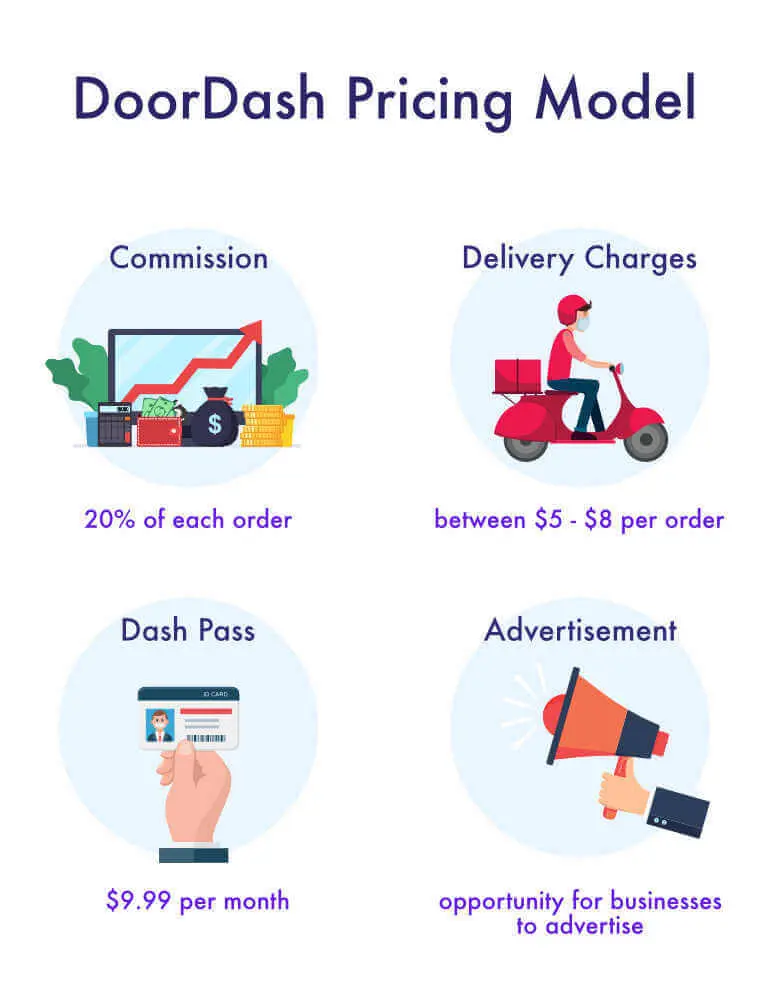
Understanding the true cost of DoorDash requires looking beyond the superficial price of a meal. From the base delivery fees and service charges to the potential for surge pricing and restaurant markups, each element contributes to the final bill. By carefully considering these costs, evaluating the benefits of subscription services like DashPass, and being mindful of indirect expenses such as tipping and the potential for impulse spending, consumers can make more informed and financially sound decisions about their reliance on food delivery platforms. Ultimately, DoorDash offers unparalleled convenience, but like any service, its utilization should be aligned with individual financial goals and a clear understanding of its comprehensive cost structure.
aViewFromTheCave is a participant in the Amazon Services LLC Associates Program, an affiliate advertising program designed to provide a means for sites to earn advertising fees by advertising and linking to Amazon.com. Amazon, the Amazon logo, AmazonSupply, and the AmazonSupply logo are trademarks of Amazon.com, Inc. or its affiliates. As an Amazon Associate we earn affiliate commissions from qualifying purchases.