
When we ask, “What does Dolce & Gabbana mean?” the answer transcends a simple translation of words. On the surface, it represents the surnames of two of the most influential designers in history: Domenico Dolce and Stefano Gabbana. However, in the realm of brand strategy and corporate identity, the name has evolved into a global signifier of “Sicilianity,” unapologetic luxury, and the romanticization of Italian heritage.
Understanding the meaning of Dolce & Gabbana requires peeling back the layers of their brand architecture. It is a case study in how personal identities can be fused to create a singular, monolithic brand image that resonates across cultures, decades, and industries.
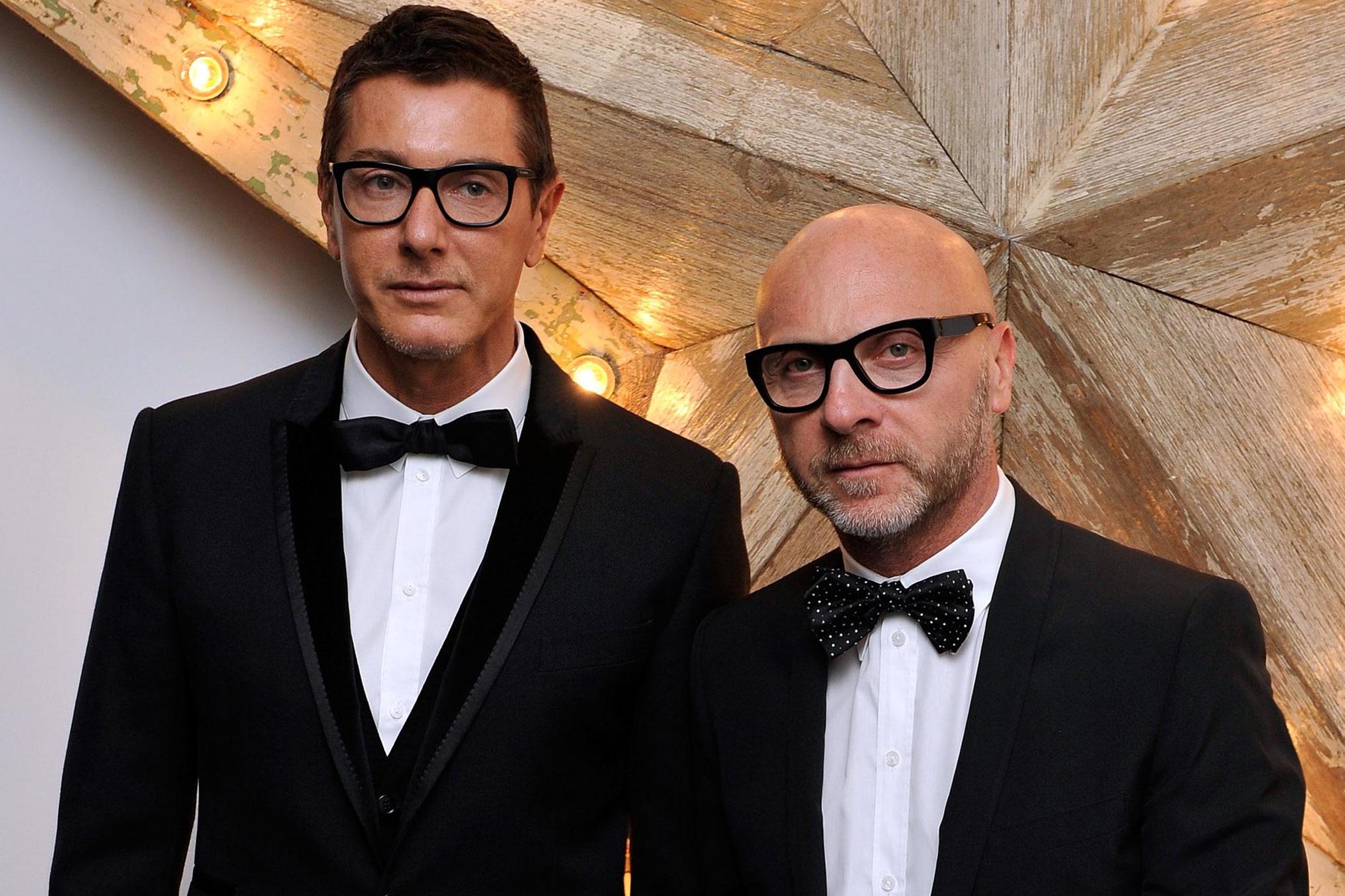
The Origin of the Name: More Than Just Two Surnames
To understand the brand, one must first understand the creators. The name is a literal union of two distinct personalities who brought different strengths to the table. In the world of branding, this partnership is often cited as the “golden ratio” of creative collaboration.
The Meeting of Domenico and Stefano
The brand’s story began in Milan in 1980. Domenico Dolce, born in Sicily, brought the technical precision of a traditional tailor. His upbringing in a family-run clothing business gave him an innate understanding of structure and fabric. Stefano Gabbana, a Milanese with a background in graphic design, brought the visual flair and an eye for how a brand should be “seen.”
When they founded their designer consulting studio in 1982, they initially billed separately. It wasn’t until an accountant suggested they invoice together to simplify their bookkeeping that the name “Dolce & Gabbana” was born. This logistical shift became one of the most significant branding decisions in fashion history.
Fusing Individual Identities into a Collective Vision
In branding, the “Power of Two” can be a double-edged sword. However, Dolce & Gabbana succeeded because they didn’t just merge their names; they merged their philosophies. The name came to mean the bridge between the rustic, soulful traditions of Southern Italy (Dolce’s roots) and the cosmopolitan, fast-paced energy of Northern Italy (Gabbana’s influence). This duality created a brand identity that felt both ancient and modern, a key driver in its global appeal.
Brand Identity: Decoding the “Dolce Vita” Aesthetic
Beyond the founders, the name Dolce & Gabbana carries a heavy semiotic load. When consumers see the DG logo, they aren’t just seeing clothes; they are seeing a specific lifestyle. This is the result of decades of meticulous brand positioning.
The Sicilian Influence as a Brand Pillar
If you ask a fashion historian what Dolce & Gabbana means, they will likely point to Sicily. The brand took the imagery of the “Sicilian widow,” the “Italian stallion,” and the “Catholic matriarch” and elevated them to high-fashion status.
This was a masterful brand strategy. By anchoring their identity in a specific geographic and cultural location, they escaped the trap of being “just another fashion house.” They didn’t just sell dresses; they sold the Mediterranean sun, the smell of citrus groves, and the drama of an Italian opera. This “hyper-local” approach ironically made them more “hyper-global,” as international audiences craved the authenticity of the Sicilian narrative.
Sensuality and Sophistication: The Visual Language
The brand’s visual identity is built on a foundation of “contrasting harmonies.” Dolce & Gabbana means the juxtaposition of the masculine and the feminine. Think of a sharp, pinstriped power suit worn with a delicate lace corset.
In terms of marketing and design, this creates a “signature look” that is instantly recognizable without even seeing the label. Successful brand strategy relies on this level of distinctiveness. Whether it is their use of animal prints, religious iconography, or ornate floral patterns, the brand identity is consistent, bold, and emotionally evocative.
Marketing Mastery: How D&G Built a Global Icon

The transition from a high-end boutique to a global household name was not accidental. It was the result of aggressive marketing and a keen understanding of celebrity culture as a vehicle for brand equity.
Celebrity Endorsements and Red Carpet Dominance
In the early 1990s, the brand’s meaning was redefined by its association with pop culture icons. Perhaps the most pivotal moment was their partnership with Madonna for her “Girlie Show” world tour. By aligning with a figure who represented rebellion and sexuality, the brand name became synonymous with the “avant-garde.”
This strategy continued through the decades. From dressing Hollywood royalty for the Oscars to partnering with influencers in the digital age, Dolce & Gabbana has maintained its relevance by ensuring its name is always associated with the “cultural elite.” This keeps the brand’s perceived value high, allowing them to maintain premium pricing across their product lines.
Strategic Diversification: Beyond Haute Couture
What does Dolce & Gabbana mean in the context of a shopping mall? It means perfumes, sunglasses, and leather goods. One of the brand’s most successful strategies was the “diffusion” of their identity.
While their Alta Moda (high fashion) collections maintain the brand’s prestige, their beauty and accessory lines provide an entry point for the aspirational consumer. By licensing their name for fragrances like “Light Blue,” they turned a high-fashion name into a sensory experience accessible to millions. This diversification is a textbook example of corporate identity expansion: maintaining the “soul” of the brand while scaling the “sales” of the brand.
The Evolution of Brand Strategy in the Modern Era
In the 21st century, the meaning of a brand is no longer static. It is a living entity that must adapt to social changes, technological shifts, and new consumer expectations.
Balancing Tradition with Digital Innovation
Dolce & Gabbana was one of the first luxury houses to embrace the digital revolution. From live-streaming runway shows to being early adopters of NFT fashion and the “Metaverse,” the brand has worked hard to ensure that “Dolce & Gabbana” means “forward-thinking.”
However, they have done this without losing their core identity. Even in their digital campaigns, the Sicilian motifs remain. This balance between tradition (the “Old World” charm) and innovation (the “New World” tech) is what keeps the brand strategy resilient. They understand that while the medium of communication changes, the brand story must remain constant.
Navigating Cultural Sensitivity and Brand Resilience
No analysis of the Dolce & Gabbana brand would be complete without acknowledging its challenges. The brand has faced significant PR crises, particularly regarding cultural representation and marketing choices in international markets like China.
These moments forced a re-evaluation of what the brand “means” to a global audience. The lessons learned here are vital for any brand strategist: in a globalized world, a brand’s identity is not just what the creators say it is, but how the global community perceives it. The brand’s efforts to rebuild trust—through localized initiatives and a more nuanced approach to global marketing—show the importance of brand resilience and the ability to evolve under pressure.
Conclusion: The Lasting Legacy of the DG Monogram
Ultimately, “What does Dolce & Gabbana mean?” The answer is a complex tapestry woven from history, art, and business acumen.
In the world of Brand Strategy, it means the successful fusion of two personal visions into a singular corporate identity. It means the monetization of culture and heritage in a way that feels authentic rather than exploitative. In the world of Marketing, it represents the power of storytelling—the ability to make a consumer in Tokyo or New York feel the warmth of a Sicilian summer through a bottle of perfume or a silk scarf.
Dolce & Gabbana is more than a fashion label; it is a symbol of the “Italian Dream.” It stands for the idea that tradition can be trendy, that craftsmanship is timeless, and that a brand name, when managed with passion and precision, can become a permanent fixture in the global cultural lexicon. Whether viewed through the lens of their iconic black dresses or their multi-billion dollar fragrance empire, the name continues to define what it means to live—and dress—with “La Dolce Vita.”
aViewFromTheCave is a participant in the Amazon Services LLC Associates Program, an affiliate advertising program designed to provide a means for sites to earn advertising fees by advertising and linking to Amazon.com. Amazon, the Amazon logo, AmazonSupply, and the AmazonSupply logo are trademarks of Amazon.com, Inc. or its affiliates. As an Amazon Associate we earn affiliate commissions from qualifying purchases.