
In the contemporary consumer packaged goods (CPG) landscape, a product’s success is rarely dictated by its utility alone. Instead, it is the intersection of identity, sensory experience, and strategic positioning that defines a brand’s longevity. When consumers ask, “What does Doc Pop Poppi taste like?” they are participating in a carefully choreographed brand narrative. Poppi, a leader in the prebiotic soda revolution, has not simply released a beverage; it has engineered a sensory case study in brand disruption.
“Doc Pop,” Poppi’s take on the classic pepper-style soda, serves as a cornerstone of the brand’s identity. By analyzing the “taste” of Doc Pop through the lens of brand strategy, we can uncover how Poppi transitioned from a “Shark Tank” hopeful to a dominant force challenging legacy giants like Keurig Dr Pepper and Coca-Cola.

The Evolution of a Functional Powerhouse: From Vinegar to Vitality
To understand the brand significance of the Doc Pop flavor, one must first understand the pivot that defined the company. Originally branded as “Mother,” the product focused heavily on its core ingredient: apple cider vinegar (ACV). While functional, the “Mother” brand leaned too heavily into the medicinal aesthetic of health tonics, a niche market with limited mass-appeal scalability.
Reimagining the “Functional Beverage” Category
The rebrand to Poppi shifted the focus from the process (vinegar) to the persona (pop). This was a strategic masterstroke in corporate identity. By categorizing themselves as “Prebiotic Soda” rather than “Vinegar Tonic,” the brand entered a category where they could compete on taste while maintaining a functional edge.
Doc Pop was instrumental in this transition. For a brand to successfully disrupt the soda industry, it must provide a bridge between the “guilty pleasure” of traditional soda and the “virtuous health” of functional drinks. Doc Pop’s flavor profile—a complex blend of spicy, sweet, and botanical notes—was designed to be that bridge. It wasn’t just a healthy drink; it was a “better-for-you” version of an American icon.
The Role of Flavor as a Brand Ambassador
In the world of brand strategy, flavor is a form of communication. For Poppi, the Doc Pop flavor communicates “accessibility.” While some functional beverages lean into earthy, difficult-to-acquire tastes, Doc Pop leans into the familiar. By mimicking the cherry, vanilla, and spicy undertones of traditional Dr Pepper, Poppi signals to the consumer that they do not have to sacrifice their palate for their health. This creates an immediate brand trust, lowering the barrier to entry for mainstream consumers.
Deconstructing the Doc Pop Persona: Decoding a Nostalgic Flavor Profile
When a consumer asks what Doc Pop tastes like, the answer is steeped in “Nostalgia Marketing.” From a brand perspective, Poppi isn’t just selling a prebiotic drink; they are selling a memory of a classic soda experience, minus the refined sugar and phosphoric acid.
The Psychology of Nostalgia in Modern Marketing
Nostalgia is one of the most powerful tools in a brand strategist’s arsenal. Doc Pop taps into the collective memory of the “soda fountain” era. The flavor profile—characterized by its distinct carbonation and a proprietary blend of fruit and spice—is a strategic homage. By capturing the essence of a “pepper” soda, Poppi positions itself as a nostalgic brand that has evolved with the modern consumer’s values.
This approach allows Poppi to capture “The Switcher”—the consumer who grew up on legacy sodas but is now concerned about metabolic health. The taste of Doc Pop is engineered to satisfy the “mouthfeel” and “flavor hit” that these consumers crave, ensuring that the brand is perceived as an upgrade rather than a compromise.
Balancing Health Consciousness with Indulgent Expectations
The technical challenge of the Doc Pop brand was achieving a high-intensity flavor using clean ingredients. The brand uses a combination of fruit juice, organic cane sugar, and stevia. Strategically, this balance is crucial. If the drink tasted too much like stevia, the “Doc Pop” brand would be relegated to the “diet” category—a category currently struggling with a reputation for artificiality.
By achieving a flavor profile that emphasizes the richness of the spices and the crispness of the ACV (without the harshness), Poppi reinforces its identity as a premium, craft-adjacent beverage. The “taste” is a testament to their R&D as a brand asset, proving that “healthy” and “delicious” are no longer mutually exclusive in the CPG space.
Strategic Competitive Edge: Poppi vs. The Legacy Giants
The existence of Doc Pop is a direct challenge to the market share of legacy soda brands. In brand strategy, this is known as “Category Disruption.” Poppi is not trying to be a different type of drink; it is trying to be a better version of the same drink.
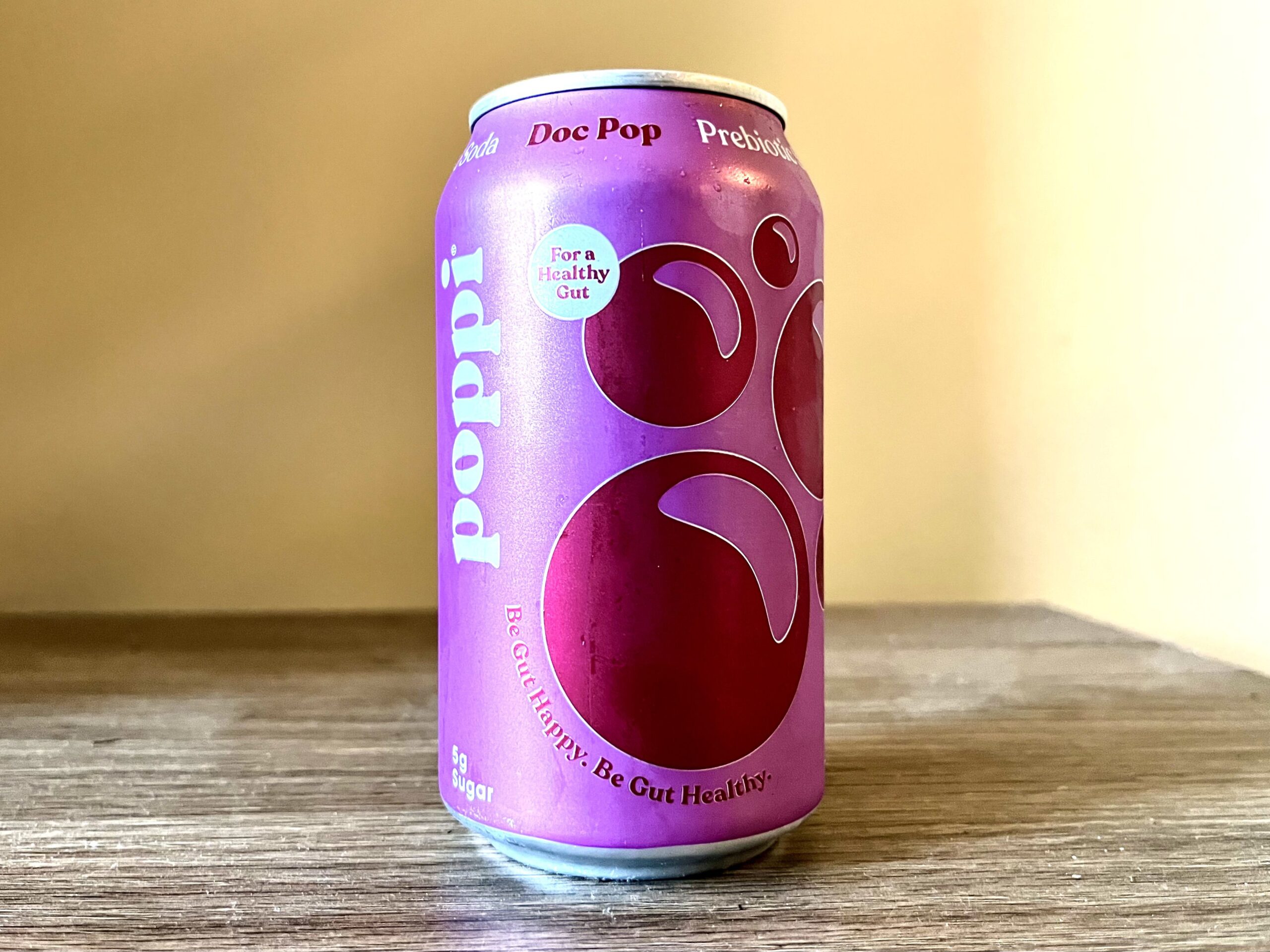
The David and Goliath Narrative of Doc Pop
The branding of Doc Pop is inherently subversive. The name itself is a playful, legally-distinct nod to Dr Pepper. This “wink and a nod” to the consumer creates a sense of community. The consumer feels like they are “in on the joke” or part of a movement against big-corporate sugar.
This David and Goliath narrative is central to Poppi’s corporate identity. Every can of Doc Pop sold represents a shift in consumer loyalty away from hundred-year-old conglomerates toward a modern, female-founded startup. The taste—vibrant, clean, and refreshing—serves as the physical evidence of this revolution.
Strategic Ingredients as a Unique Selling Proposition (USP)
While the taste of Doc Pop is the hook, the “Why” behind the taste is the brand’s USP. The inclusion of prebiotics for gut health transforms the act of drinking soda into an act of self-care.
From a marketing standpoint, Poppi has successfully turned “gut health” into a lifestyle aesthetic. Doc Pop doesn’t taste like a supplement; it tastes like a treat. This allows the brand to command a premium price point (often double or triple the price of a standard soda) because the consumer is paying for the brand’s promise of wellness without the clinical bitterness of a traditional health product.
Digital Presence and Community-Led Growth: The Aesthetic of Flavor
Poppi’s brand strategy is inseparable from its digital execution. The “taste” of Doc Pop is sold through visuals long before the consumer ever takes a sip. This is the hallmark of modern, digital-first branding.
Leveraging TikTok and the “Aesthetic” of Flavor
Poppi has mastered the “unboxing” and “lifestyle” integration of its products. The Doc Pop can—with its bright, minimalist, and “Instagrammable” design—is a key part of the brand’s visual identity. On platforms like TikTok, influencers don’t just talk about what Doc Pop tastes like; they show how it fits into their “Clean Girl” aesthetic or their “Office Reset” routine.
The flavor becomes part of a curated lifestyle. When followers see their favorite creators enjoying a Doc Pop, the brand communicates that this is what “modern health” looks like. The taste is framed as a reward for a well-lived life, further solidifying the brand’s emotional connection with its audience.
Cultivating Brand Loyalty Through Sensory Experience
Brand loyalty in the beverage industry is notoriously fickle, yet Poppi has managed to create “Superfans.” This is achieved by creating a sensory experience that is consistent. The “pop” of the can, the specific level of carbonation, and the lingering spicy-sweet finish of Doc Pop create a sensory anchor.
When a brand can own a specific sensory profile, it creates a moat. Other prebiotic sodas may enter the market, but they will not have the specific “Doc Pop” flavor that Poppi’s community has come to identify with the brand’s core values of fun, health, and transparency.
The Future of Flavor-Driven Branding
As Poppi continues to scale, the Doc Pop flavor remains a vital benchmark for their brand strategy. It represents the perfect execution of taking a known quantity (Dr Pepper) and reinventing it for a new generation.
Scalability and the Evolution of Taste
The success of Doc Pop has paved the way for Poppi to experiment with other “reimagined” flavors. However, the core lesson remains: a brand’s identity is built on its ability to meet the consumer where they are. Poppi recognized that consumers didn’t want to stop drinking soda; they wanted to stop drinking bad soda.
By focusing on a flavor profile that is 90% familiar and 10% innovative (the ACV/prebiotic twist), Poppi has created a scalable model for brand growth. They are not just selling a liquid; they are selling an evolved version of the American beverage tradition.

Conclusion: The Brand is the Flavor
Ultimately, what Doc Pop tastes like is more than a list of ingredients or a tasting note. It tastes like a strategic pivot, a nostalgic embrace, and a digital-first revolution. It is the taste of a brand that understood that in the modern market, your product must be its own best marketing.
Poppi’s Doc Pop stands as a masterclass in brand strategy. It proves that by deconstructing what people love about the past and reconstructing it with the values of the present—health, transparency, and vibrant design—a brand can move from the fringes of a niche market to the center of a cultural conversation. For the modern consumer, Doc Pop isn’t just a alternative to Dr Pepper; it is the new standard for what a brand should be: functional, fashionable, and, above all, flavorful.
aViewFromTheCave is a participant in the Amazon Services LLC Associates Program, an affiliate advertising program designed to provide a means for sites to earn advertising fees by advertising and linking to Amazon.com. Amazon, the Amazon logo, AmazonSupply, and the AmazonSupply logo are trademarks of Amazon.com, Inc. or its affiliates. As an Amazon Associate we earn affiliate commissions from qualifying purchases.