
In an age defined by constant connectivity, the relentless barrage of notifications, calls, and digital distractions has become an inherent part of our daily lives. While technology has undeniably revolutionized the way we work, communicate, and live, it has also introduced a new challenge: managing the omnipresent digital noise. Enter “DND,” a seemingly simple acronym that stands for “Do Not Disturb,” yet encapsulates a powerful suite of technological features designed to reclaim our focus, enhance our well-being, and give us back control over our digital environments. Far more than just a mute button, DND is an intelligent system embedded within our devices and applications, strategically crafted to filter out distractions and create pockets of digital tranquility. This article delves into the multifaceted functionality of DND, exploring its core mechanisms, its profound benefits, its diverse implementations across various platforms, and how users can leverage it to foster a more productive, mindful, and less overwhelmed existence in our hyper-connected world.

The Core Functionality of Do Not Disturb
At its heart, Do Not Disturb is a sophisticated notification management system. Its primary objective is to provide users with a customizable shield against unwanted interruptions, allowing them to dictate when and how their devices demand their attention. The functionality extends beyond a simple toggle, offering nuanced control over various forms of digital communication.
Silencing Notifications and Calls
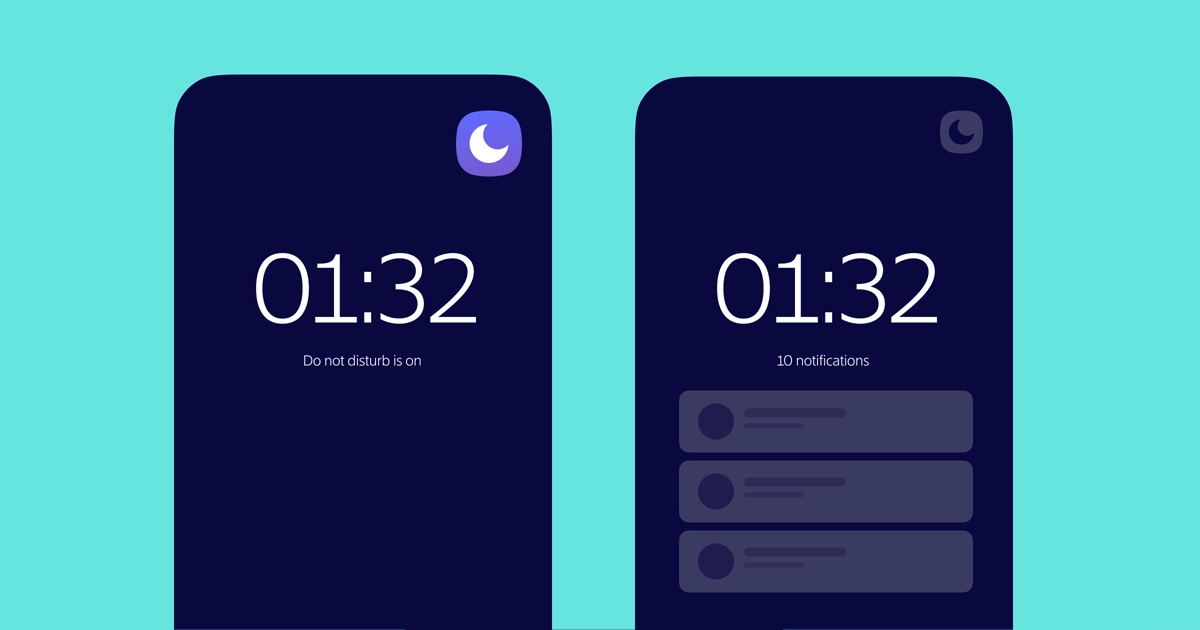
The most fundamental action of DND is to suppress alerts. When activated, DND prevents incoming notifications from apps, emails, messages, and social media platforms from appearing on your screen, vibrating your device, or emitting sound. This means no pop-up banners, no badge icons updating, and no auditory cues disrupting your concentration. Similarly, phone calls are typically routed to voicemail without the device ringing, ensuring that sudden rings or vibrations don’t break your train of thought. This comprehensive muting mechanism is crucial for creating an uninterrupted environment, whether you’re deep in a work task, engaged in a conversation, or simply seeking a moment of peace.
Scheduled Activation and Customization
Recognizing that users often have predictable periods when they require silence, modern DND implementations offer robust scheduling capabilities. Users can set specific times for DND to automatically activate and deactivate – for instance, during work hours, overnight sleep, or even during a recurring meeting. This automation removes the burden of manually toggling the feature, ensuring consistency. Beyond scheduling, DND provides extensive customization options. Users can often specify whether DND should block all notifications, all but specific ones, or only silence the screen without affecting vibrations or sounds for certain alerts. This granular control empowers individuals to tailor DND precisely to their unique needs and daily routines, making it a truly personalized tool rather than a blunt instrument.
Emergency Bypass and Exceptions
While silence is golden, certain communications are genuinely urgent and cannot be missed. Recognizing this critical need, DND features typically include an “emergency bypass” or “exceptions” mechanism. This allows users to designate specific contacts whose calls or messages will always break through DND, regardless of the active settings. For instance, family members, emergency contacts, or crucial work colleagues can be added to an “allowed contacts” list. Furthermore, many systems offer a “repeated calls” feature, where if the same number calls twice within a short period (e.g., three minutes), the second call will ring through, signaling a potential emergency. These intelligent exceptions ensure that while distractions are minimized, vital communications remain accessible, striking a crucial balance between focus and responsiveness.
Beyond Silence: The Benefits of DND in a Hyper-Connected World
The impact of DND extends far beyond simply muting a device; it touches upon core aspects of our productivity, mental health, and personal boundaries in an increasingly demanding digital landscape.
Enhancing Focus and Productivity
In an economy built on knowledge and creativity, sustained focus is a precious commodity. Each notification, however fleeting, acts as a “context switch,” pulling our attention away from the primary task and requiring cognitive effort to re-engage. Studies have shown that it can take significant time to regain full concentration after an interruption. By eliminating these constant digital nudges, DND creates an uninterrupted workspace, allowing individuals to dive deeper into complex tasks, engage in “deep work,” and achieve flow states. This leads to higher quality output, reduced task completion times, and a greater sense of accomplishment, directly boosting overall productivity for professionals, students, and anyone needing dedicated time for concentration.
Improving Digital Well-being and Mental Health
The incessant demands of digital communication contribute significantly to stress, anxiety, and burnout. The feeling of always being “on call” or needing to respond immediately creates a subtle but constant mental burden. DND serves as a powerful antidote by allowing individuals to intentionally disconnect and reclaim their mental space. It fosters a healthier relationship with technology by creating clear boundaries between engagement and disengagement. By preventing endless scrolling through notifications, it reduces FOMO (Fear Of Missing Out) and the psychological pressure to constantly monitor social feeds. This deliberate detachment promotes mental calm, reduces cognitive overload, and provides much-needed moments of respite, contributing positively to overall digital well-being and mitigating the detrimental effects of digital overwhelm.
Protecting Privacy and Personal Time
DND is also a tool for setting personal boundaries and protecting one’s private life. In an era where work often spills into personal hours, and social expectations demand instant replies, DND allows individuals to establish clear demarcation lines. By scheduling DND for evenings, weekends, or during vacations, users send a clear signal – to themselves and to others – that this is designated personal time, free from digital work interruptions. This not only reinforces the importance of self-care but also safeguards precious moments dedicated to family, hobbies, rest, and personal reflection. It asserts agency over one’s availability, ensuring that personal time remains truly personal, undisturbed by the digital world’s insistent demands.
DND Across Platforms: Diverse Implementations and Features
The concept of Do Not Disturb is universally beneficial, leading to its integration across a wide array of technological devices and software platforms, each with its unique nuances and advanced features.
Smartphones (iOS, Android) and Smartwatches

Smartphones are arguably where DND first gained widespread prominence and where its most robust features reside. On Apple’s iOS, “Focus Modes” (an evolution of DND) allow users to create multiple customized DND profiles for different activities like “Work,” “Personal,” “Sleep,” or “Driving.” Each Focus Mode can have specific apps allowed to send notifications, particular home screens enabled, and even designated contacts allowed to call through. Android offers similar “Do Not Disturb” settings with options for schedules, exceptions, and “priority conversations.” Both platforms also integrate DND seamlessly with smartwatches, ensuring that when your phone is in DND, your watch also silences its alerts, providing a truly unified quiet experience. These mobile implementations are the cornerstone of personal digital quiet.
Computers (Windows, macOS) and Browsers
DND functionality is not limited to mobile devices. Both major desktop operating systems have their own versions. macOS features “Focus” (mirroring iOS), allowing users to sync their DND/Focus modes across all Apple devices. When a Focus mode is activated on an iPhone, it can automatically apply to a linked Mac, silencing desktop notifications and preventing distracting pop-ups. Windows offers “Focus Assist” (formerly “Quiet Hours”), which can be scheduled, manually activated, or even automatically engaged during screen mirroring or gaming. It offers different levels of suppression: “Alarms only,” “Priority only,” or “Alarms and priority only.” Beyond OS-level DND, many modern web browsers and productivity extensions offer their own “focus modes” that can temporarily block distracting websites, manage tab overload, or silence browser notifications, creating a focused digital workspace on your computer.
Communication Apps and Collaborative Tools
Recognizing the need for uninterrupted work within specific digital environments, many individual communication and collaboration platforms have integrated their own forms of DND. Apps like Slack, Microsoft Teams, and Zoom all offer “Do Not Disturb” statuses that users can manually set or schedule. When activated, these statuses prevent messages or calls within that specific application from notifying the user, and often display a “DND” indicator to colleagues, informing them of the user’s unavailability. This is particularly useful in remote or hybrid work environments where instant communication is the norm, allowing individuals to temporarily step away from the digital chatter of a specific team channel without going completely offline from all digital communication.
Mastering DND: Best Practices for Optimal Use
To truly harness the power of DND, it’s not enough to simply know it exists; it requires thoughtful configuration and integration into one’s daily habits.
Tailoring Settings to Your Lifestyle
The most effective DND setup is one that perfectly aligns with your individual needs and routines. Instead of using default settings, take the time to customize schedules for work, sleep, and personal time. Create specific “Focus Modes” for different activities: a “writing mode” might only allow calls from editors, while a “family mode” might permit calls from children’s schools. Experiment with different levels of notification suppression – perhaps allowing only “priority” contacts through during the day, but only “alarms” at night. Regularly review and adjust these settings as your lifestyle or work demands change. A personalized DND setup is exponentially more effective than a generic one.
Integrating DND with Other Digital Wellness Tools
DND is a powerful tool, but it’s even more potent when used in conjunction with other digital wellness strategies. Combine DND with app limits or screen time restrictions to not only silence notifications but also limit passive consumption. Utilize DND during “digital detoxes” or “offline hours” to enforce complete disconnection. Consider using DND in tandem with physical boundaries, such as putting your phone in another room or in a drawer, to reduce the temptation to check it even when it’s silent. Integrating DND into a broader digital wellness strategy creates a more holistic and sustainable approach to managing technology.
Educating Others on Your DND Habits
While DND helps you manage your own digital environment, it can also impact others who might be trying to reach you. It’s helpful to communicate your DND habits to close contacts, family members, and colleagues. Let them know your typical DND hours or when you’ll be using specific Focus Modes. Explain that while you’re in DND, urgent matters should be communicated via the designated bypass (e.g., a repeated call, or a message to a specific allowed contact). This transparency manages expectations, prevents frustration, and ensures that truly critical communications can still reach you, fostering understanding rather than confusion or irritation.
The Future of Digital Silence: Evolving DND Capabilities
As our interaction with technology continues to evolve, so too will the sophistication of our tools for managing digital noise. The future of DND promises even more intelligent, seamless, and integrated experiences.
AI-Powered Contextual DND
The next frontier for DND will likely involve advanced artificial intelligence. Imagine a DND system that not only adheres to schedules but also learns your patterns and context. AI could automatically activate DND when it detects you’re in a meeting (via calendar integration and microphone input), when you start driving, when you’re engaging in a deep work application, or even when your biometrics suggest you’re trying to sleep. This contextual awareness would make DND even more proactive and effortless, anticipating your needs for focus without constant manual intervention.
Cross-Device Synchronization and Unified Settings
While current DND features offer some cross-device syncing, the future points towards a truly unified “digital silence” experience across all your personal and professional tech. A single DND setting configured on one device would ideally propagate seamlessly to your smartphone, tablet, laptop, smartwatch, smart home speakers, and even your car’s infotainment system. This would create a cohesive and consistent environment of digital calm, eliminating the need to manage DND settings individually on multiple platforms and ensuring no digital stone is left unturned in your quest for focus.
Enhanced Focus Modes and Digital Retreats
Building on current “Focus Modes,” future iterations could offer even more granular control and deeper integration. Imagine a “digital retreat mode” that not only silences notifications but also greys out distracting apps, automatically sends pre-written “away messages” to specific channels, and even temporarily suspends non-essential background processes to conserve battery and processing power. These enhanced focus modes could be tailored for specific tasks, creative sessions, or even extended periods of complete digital disconnection, turning our devices into powerful tools for intentional disengagement rather than relentless connection.
In conclusion, “what does DND do?” is a question that reveals the profound shift in our relationship with technology. No longer just a simple toggle, the Do Not Disturb feature has evolved into a sophisticated digital guardian, empowering users to curate their digital experiences. It is a critical component of digital well-being, a powerful amplifier of productivity, and an essential tool for maintaining sanity in a world that constantly vies for our attention. As technology continues to embed itself deeper into our lives, mastering and championing the concept of digital silence through DND will become increasingly vital for anyone seeking to thrive in the modern age.
aViewFromTheCave is a participant in the Amazon Services LLC Associates Program, an affiliate advertising program designed to provide a means for sites to earn advertising fees by advertising and linking to Amazon.com. Amazon, the Amazon logo, AmazonSupply, and the AmazonSupply logo are trademarks of Amazon.com, Inc. or its affiliates. As an Amazon Associate we earn affiliate commissions from qualifying purchases.