
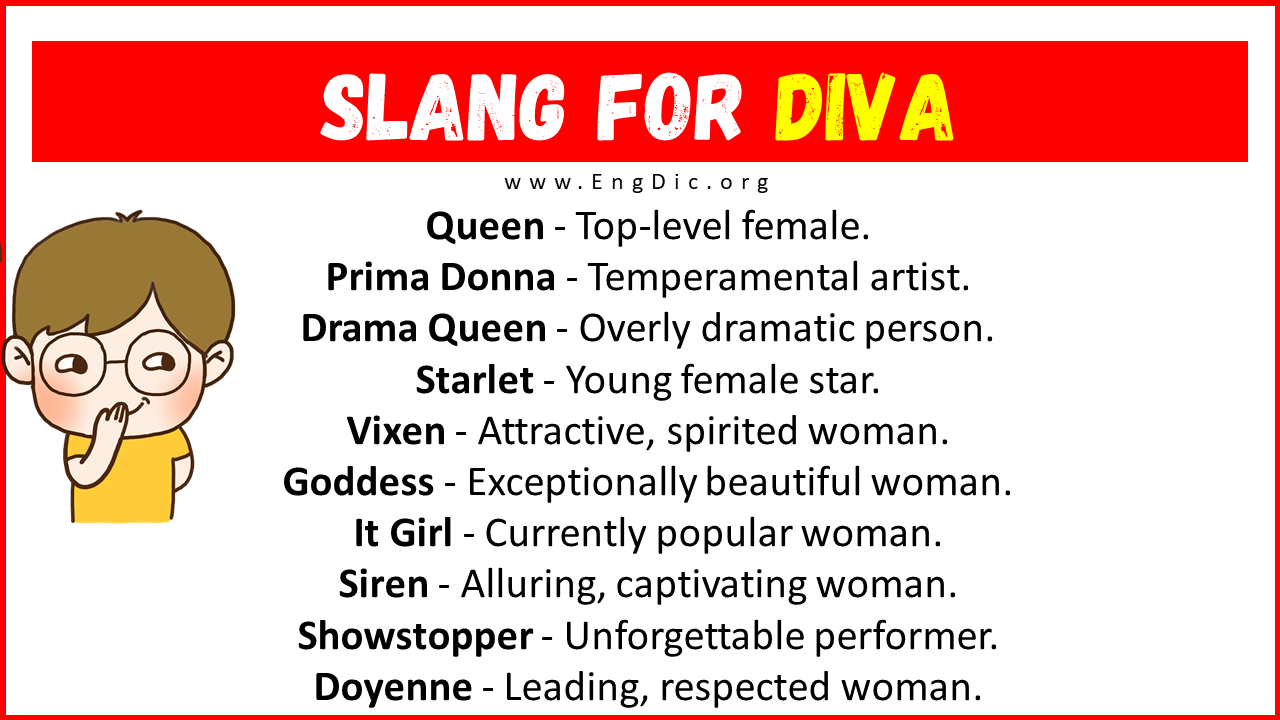
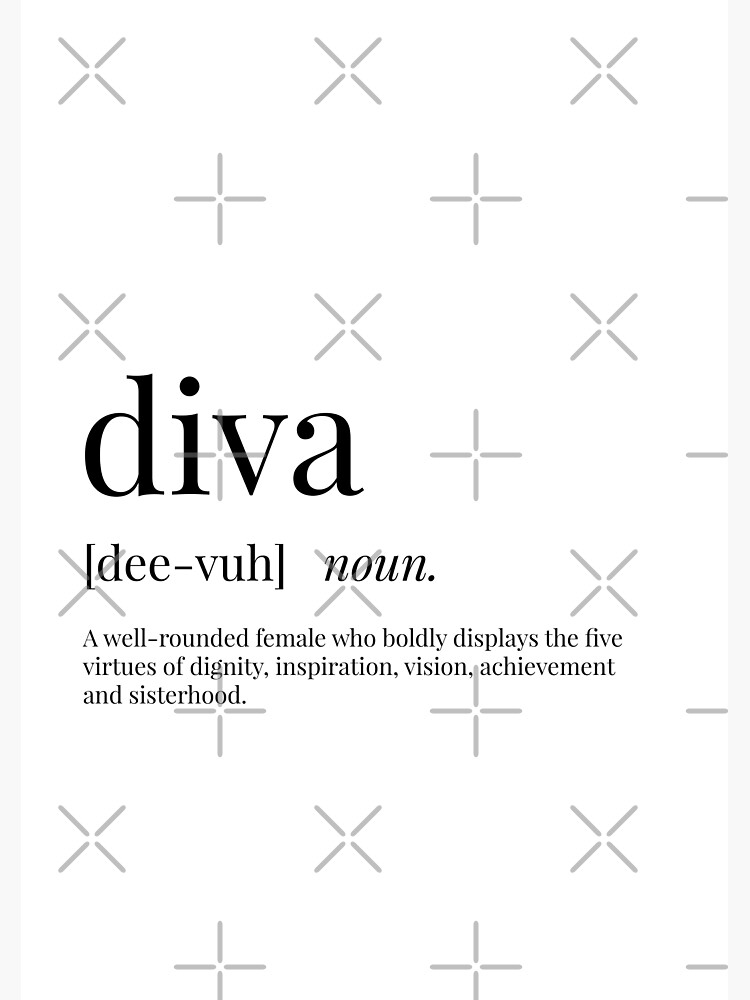
In the lexicon of modern culture, few words carry as much weight, nuance, and historical baggage as “diva.” Originally derived from the Italian word for “goddess” and reserved for the elite sopranos of the opera world, the term has undergone a radical transformation. In contemporary slang, a “diva” is no longer just a talented singer; it is a complex personality archetype that oscillates between a high-maintenance nightmare and a high-performance powerhouse.
From a professional brand strategy perspective, the “diva” label is a fascinating case study in reputation management, personal branding, and corporate identity. Understanding what “diva” means in the context of modern slang allows marketers and individuals to navigate the fine line between being perceived as a difficult collaborator and being recognized as an uncompromising visionary. This article explores how the diva archetype influences branding, how the slang is being reclaimed by leaders, and the strategic implications of high-standards positioning.

The Evolution of the Diva Archetype in Modern Branding
The shift of “diva” from a technical musical designation to a ubiquitous slang term reflects broader changes in how we perceive authority and excellence. In the world of personal branding, the diva archetype represents a specific type of market positioning characterized by rarity, excellence, and a refusal to settle for mediocrity.
From Opera House to Boardroom: The Shift in Meaning
In its earliest slang iterations, being called a “diva” was often an insult—a way to diminish a person’s professional demands by framing them as emotional or irrational. However, as the digital age empowered individuals to build their own platforms, the slang began to shift. Today, in many professional circles, the “diva” is seen as someone who knows their worth. This evolution mirrors the trajectory of “disruptor” branding. Just as disruptors were once seen as nuisances and are now hailed as innovators, the diva is increasingly viewed through the lens of high-performance leadership.
The “Diva” as a High-Performance Personal Brand
A “Diva Brand” is one that prioritizes quality above all else. When we look at iconic personal brands—from celebrity entrepreneurs to high-level consultants—the traits associated with the diva slang are often the very traits that create brand equity. These include an obsession with detail, a specific “rider” or set of conditions for performance, and a curated public persona. In branding, this translates to “exclusive positioning.” By being selective and demanding, a brand signals to the market that its output is of a higher caliber than the competition.
Reclaiming the Label: Empowerment and Authority
In recent years, there has been a concerted effort in marketing and social discourse to “reclaim” the diva title. This movement is particularly prevalent in female-led brand strategies, where traditional slang terms used to suppress ambition are being repurposed as badges of honor. Reclaiming “diva” means owning one’s expertise and refusing to apologize for having high standards. For a brand, this creates a narrative of confidence and unshakeable identity, which is essential for building a loyal, cult-like following.
Strategic Diva Branding: Leveraging High Standards for Market Positioning
When a brand leans into the positive connotations of the diva archetype, it utilizes a strategy of “prestige positioning.” This isn’t about being difficult for the sake of it; it’s about signaling to the consumer that the brand occupies a space of luxury and uncompromising quality.
Quality Control and the Pursuit of Perfection
The core of the “diva” slang in a professional sense is the refusal to accept “good enough.” For a corporate brand, this translates to rigorous quality control and a distinct design language. When Apple refuses to include certain ports on a laptop or when a luxury fashion house burns unsold stock to maintain exclusivity, they are exhibiting “diva” behavior. Strategically, this protects the brand’s integrity. It tells the market that the brand’s vision is non-negotiable, which paradoxically increases the brand’s desirability.
Command of Presence: Standing Out in a Crowded Market
A diva, by definition, commands the room. In branding, this is known as “Share of Voice.” Brands that adopt a diva-like presence use bold aesthetics, provocative messaging, and high-visibility marketing campaigns. They do not blend in; they lead. This approach is highly effective in saturated markets where being “nice” or “accommodating” leads to invisibility. By adopting a “diva” stance—assertive, flashy, and unapologetic—a brand can cut through the noise and establish an immediate emotional connection with its target audience.
The Luxury Association: Why Divas Demand Premium Pricing
There is a direct correlation between the diva archetype and premium pricing strategies. In slang, a diva is someone who expects the best—the best suite, the best lighting, the best service. In brand strategy, this translates to the “Premium Price Floor.” If a brand positions itself as a diva, it cannot compete on price; it must compete on value and experience. This creates a psychological barrier for the consumer: if it’s this expensive and this demanding, it must be the best. This “Diva Tax” is a legitimate strategy used by high-end brands to maintain an aura of exclusivity.
Navigating the Pitfalls of the “Diva” Label in Corporate Identity
While the “diva” archetype can be a powerful tool for personal and corporate branding, it is fraught with risks. The slang term still carries negative baggage that can alienate employees, partners, and customers if not managed with care.
Balancing Assertiveness with Approachability
The greatest challenge in “Diva Branding” is the “Likeability Paradox.” While consumers admire the excellence of a diva brand, they can quickly turn on a brand that seems elitist or out of touch. Successful brand strategy involves balancing the “diva” excellence with moments of human vulnerability or corporate social responsibility. A brand must show that while its standards are high, its heart is in the right place. Without this balance, the “diva” slang becomes a synonym for “toxic,” which can be fatal for corporate identity.
The Difference Between a Diva and a Difficult Employee
In internal branding and corporate culture, the slang “diva” is often used to describe high-performers who are hard to manage. From a leadership perspective, it is crucial to distinguish between a “Value-Adding Diva” (someone whose high standards improve the product) and a “Destructive Diva” (someone whose ego erodes the team). A brand’s internal identity is just as important as its external one. If a company’s culture is perceived as enabling “divas” at the expense of the collective, it can lead to talent drain and a tarnished employer brand.
Crisis Management: When the Diva Brand Becomes a Liability
The “diva” persona is high-stakes. When a brand that has positioned itself as perfect makes a mistake, the fall is much harder. We see this in celebrity branding when a “diva” star has a public meltdown; the slang is immediately weaponized against them. For corporate brands, this means that crisis management must be swift and humble. You cannot be a diva when you are in the wrong. Acknowledging faults while maintaining the brand’s core values is the only way to survive a reputation crisis when your brand is built on an archetype of perfection.
Building Your Own High-Impact Personal Brand Strategy
Whether you embrace the “diva” slang or prefer a more understated approach, the principles of the archetype can be applied to any personal brand looking to increase its impact and market value.
Identifying Your Unique Value Proposition (UVP)
Every diva has a “signature.” For your personal brand, this is your UVP. What is the one thing you do better than anyone else? To build a brand that commands “diva-level” respect, you must identify this niche and dominate it. Your UVP should be the foundation of everything you do, ensuring that your demands for excellence are always backed up by undeniable results.
Consistency: The Key to Iconic Brand Recognition
A diva is nothing if not consistent. Whether it’s their look, their tone of voice, or their output, you always know what to expect. In brand strategy, consistency builds trust. To cultivate a powerful brand identity, you must ensure that your messaging is cohesive across all platforms. This “unwavering identity” is what turns a person into a brand and a brand into an icon.
Audience Engagement: Turning Fans into Brand Ambassadors
The most successful divas in history—from Maria Callas to Rihanna—have one thing in common: a fiercely loyal fan base. They don’t just have customers; they have “stans.” To achieve this, a brand must create an emotional narrative that the audience can see themselves in. By positioning your brand as an aspirational figure—a diva who has fought for their place—you invite your audience to share in that strength and success.
In conclusion, the slang term “diva” is far more than a derogatory label for a demanding person. In the realm of brand strategy, it is a blueprint for excellence, exclusivity, and authority. By understanding the nuances of the diva archetype, brands can leverage high standards and bold positioning to dominate their markets, while carefully avoiding the pitfalls of arrogance. Ultimately, a “diva” brand is a brand that knows its worth—and ensures the world knows it, too.
aViewFromTheCave is a participant in the Amazon Services LLC Associates Program, an affiliate advertising program designed to provide a means for sites to earn advertising fees by advertising and linking to Amazon.com. Amazon, the Amazon logo, AmazonSupply, and the AmazonSupply logo are trademarks of Amazon.com, Inc. or its affiliates. As an Amazon Associate we earn affiliate commissions from qualifying purchases.