
In the realm of global commerce, few entities command the level of psychological real estate that The Walt Disney Company occupies. When we ask, “What does Disney World do?” the answer transcends the mechanical operations of a theme park or the logistics of hospitality. From a strategic perspective, Walt Disney World serves as the world’s most sophisticated laboratory for brand identity, experiential marketing, and emotional resonance. It is not merely a collection of rides and resorts; it is a physical manifestation of a corporate promise.
For brand strategists, marketing executives, and entrepreneurs, Disney World represents the gold standard of “Brand Ecosystems.” It is a place where the intangible assets of a company—its stories, values, and characters—are converted into tangible, high-margin consumer experiences. By deconstructing the Disney model, we can uncover the pillars of brand mastery that have allowed the organization to maintain market dominance for over half a century.
The Architecture of Immersive Storytelling
At the core of the Disney World brand is the concept of “The Story.” Unlike many corporate entities that view branding as a veneer applied to a product, Disney treats the brand as the foundational narrative from which every product emerges. This is the essence of “Imagineering”—the blending of imagination and engineering to ensure that no detail is left to chance.
Sensory Branding and the “Wick” Theory
Disney World is a masterclass in multisensory branding. The brand understands that human memory is deeply tied to olfactory and auditory triggers. To reinforce the “Home” and “Magic” brand pillars, Disney utilizes “Smellitizers”—ventilation systems that pump the scent of fresh-baked cookies onto Main Street, U.S.A., or the smell of burning wood in the Spaceship Earth attraction.
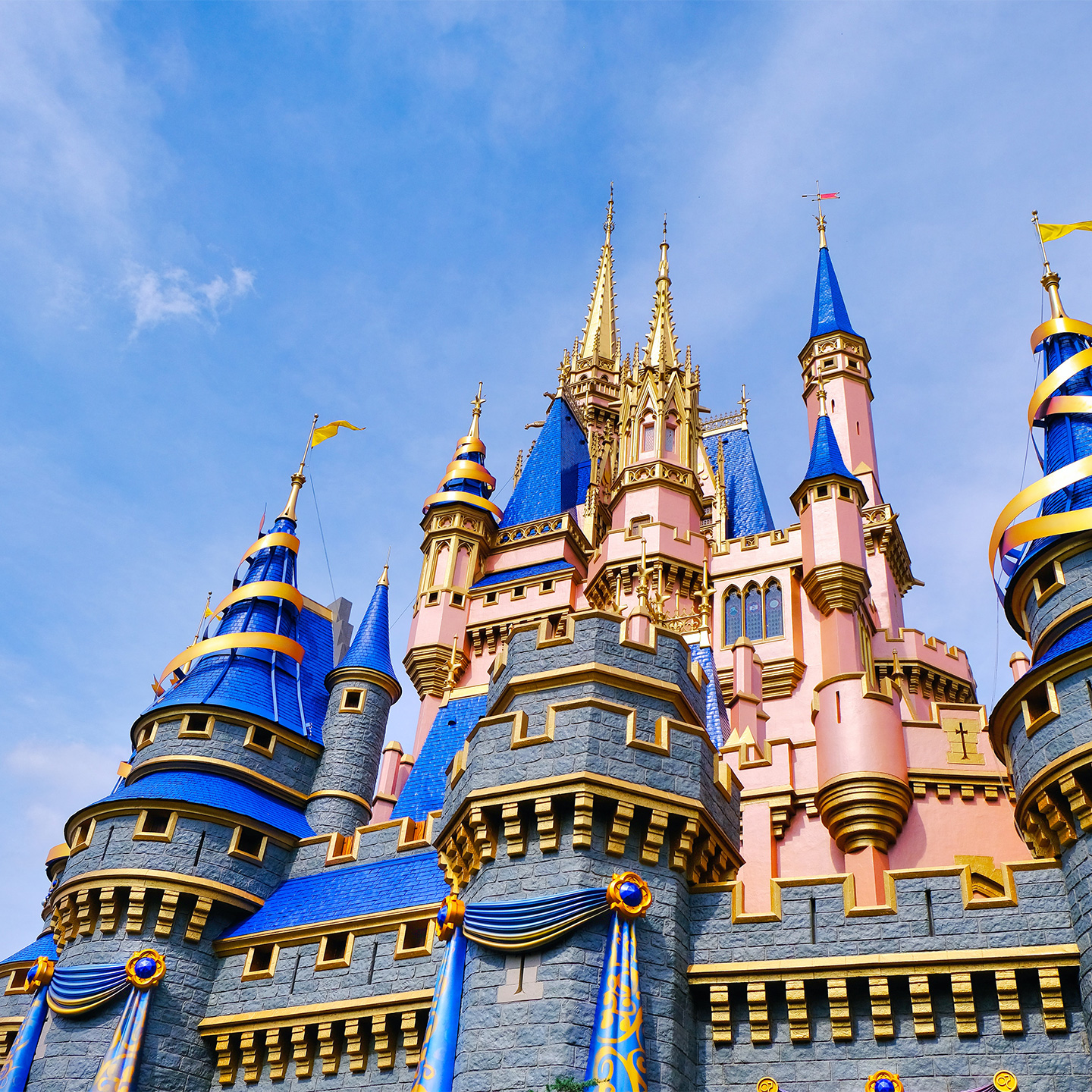
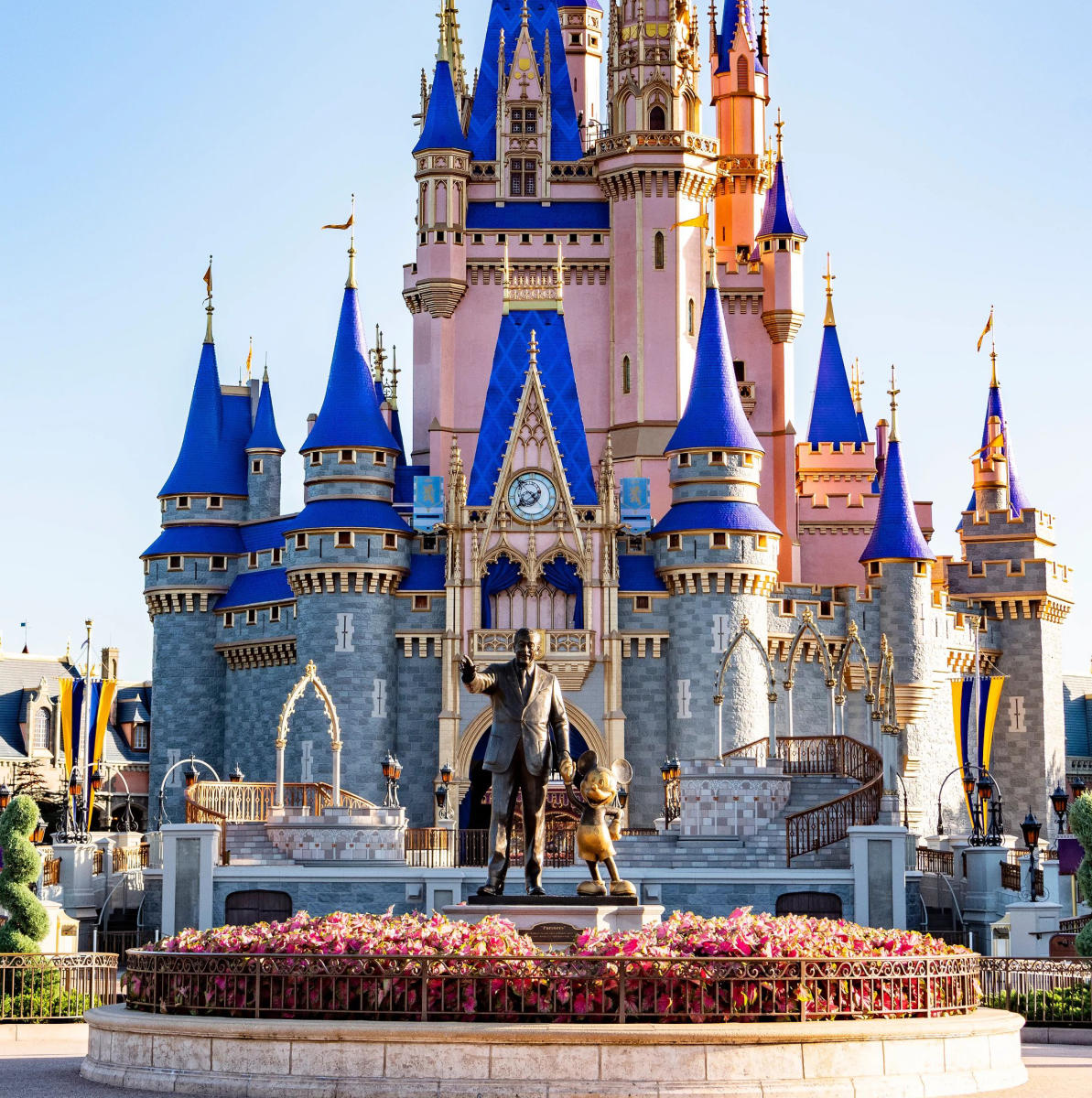
This is not accidental; it is a strategic effort to bypass the rational mind and create an emotional anchor. When a brand can own a scent, a sound, or a specific visual silhouette (like the Cinderella Castle), it moves from being a service provider to being a part of the consumer’s identity.
Maintaining the “Illusion” through Operational Consistency
One of the most profound branding lessons from Disney World is the management of “sightlines.” In the parks, the brand goes to extreme lengths to ensure that a guest in one “land” cannot see into another. This prevents a “thematic collision” that would break the immersion.
In corporate branding, this translates to consistency across touchpoints. If a brand promises luxury but delivers a clunky, low-tech checkout experience, the “illusion” is broken. Disney ensures that its “cast members” (employees) never break character, and even the trash cans are spaced according to calculated human behavior to ensure the environment remains pristine. The brand is the environment, and the environment is the brand.
Customer Experience as the Ultimate Brand Equity
Disney World has effectively pivoted the conversation from “Customer Service” to “Guest Experience.” In the modern economy, products are easily commoditized. What cannot be easily replicated is a proprietary experience that makes the consumer feel seen, valued, and safe.
The Transition from Service to Hospitality
In the Disney lexicon, there are no “customers,” only “guests.” This linguistic shift is a fundamental pillar of their brand strategy. While “service” is transactional, “hospitality” is relational. Disney’s “Four Keys” framework—Safety, Courtesy, Show, and Efficiency—prioritizes the human element of the brand over the mechanical.
By empowering employees to create “Magical Moments”—small, unexpected gestures of kindness—Disney builds massive brand equity. These moments are shared on social media, told as anecdotes to friends, and become the “word-of-mouth” engine that drives billions in revenue. This teaches us that the strongest brands are those that empower their frontline staff to act as brand ambassadors.
Personalization at Scale: The MagicBand Ecosystem
Disney World’s use of the MagicBand (and the more recent MagicMobile) is a prime example of using technology to enhance a brand promise rather than distract from it. The goal of the brand is to remove “friction.” By integrating room keys, park tickets, credit cards, and photo passes into a single wearable, Disney allows the guest to stay “in the story” without the interruptions of traditional logistics.
From a brand perspective, this creates a seamless loop. The more frictionless the experience, the more “magical” it feels. Brands today must ask: Where is the friction in our customer journey, and how can we use technology to make our brand feel like an intuitive extension of the user’s life?
Strategic Evolution: Adapting the Legacy Brand for a New Era
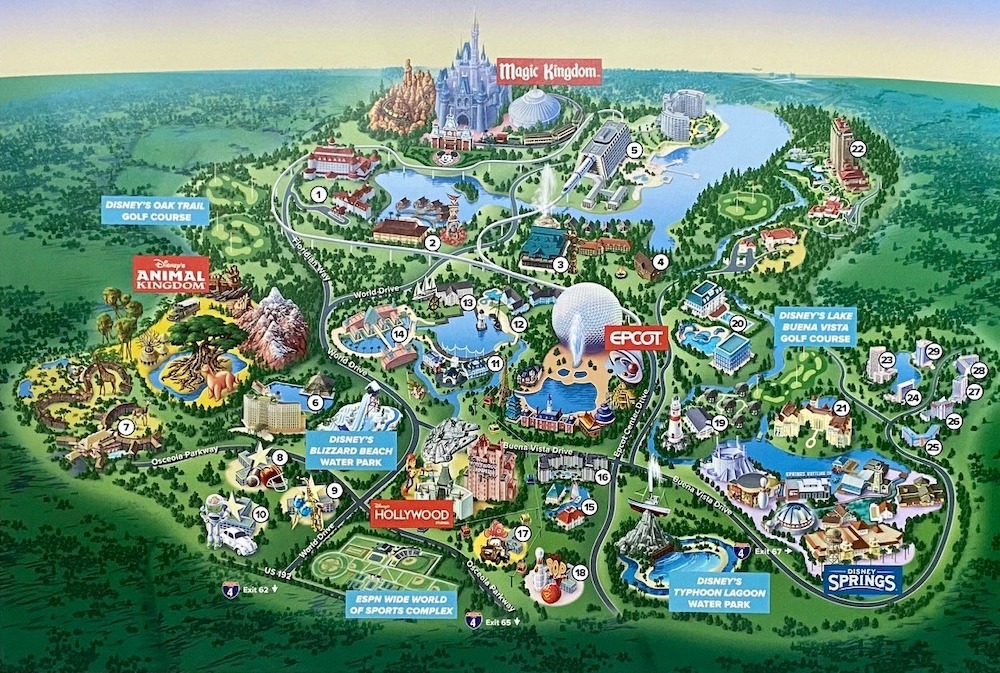
One of the greatest challenges for any legacy brand is remaining relevant without alienating its core base. Disney World is a case study in “Dynamic Nostalgia”—the art of honoring the past while aggressively innovating for the future.
Balancing Nostalgia with Innovation
Disney World faces the constant pressure of “The Way It Used to Be.” Long-term fans are protective of the brand’s history. However, a brand that relies solely on nostalgia eventually stagnates. Disney manages this by updating classic attractions with modern technology or reimagining underperforming areas of the park with fresh Intellectual Property (IP).
The strategy here is “Evolutionary Branding.” By slowly introducing elements of Star Wars, Marvel, and Avatar into the parks, Disney ensures that the brand remains culturally relevant to Gen Z and Alpha, while the core “Magic Kingdom” remains an anchor for Boomers and Millennials.
Content Integration: From Screen to Physical Space
The “Disney Flywheel” is perhaps the most famous brand strategy in business history. It illustrates how a movie (content) drives interest in a theme park attraction (experience), which in turn drives merchandise sales (product). Disney World is the physical manifestation of this flywheel.
When a guest enters Star Wars: Galaxy’s Edge, they are not just entering a theme park area; they are stepping into a brand they have spent hundreds of hours with via movies and streaming. This deep integration ensures that the brand is omnipresent. For businesses, this highlights the importance of an integrated marketing strategy where every platform reinforces the other.
The Economic Power of Brand Loyalty
The ultimate goal of Disney’s brand strategy is to create “Evangelists.” These are not just repeat customers; they are individuals whose loyalty to the brand is so high that they become resistant to price increases and competitors.
Creating “Evangelist” Customers
Disney World has mastered the art of the “Loyalty Loop.” Through programs like the Disney Vacation Club (DVC) and Annual Passes, they lock in lifetime value. These guests aren’t just buying a vacation; they are investing in a lifestyle. This level of loyalty is achieved by consistently over-delivering on the brand promise until the brand becomes a reliable source of “guaranteed happiness.”
For a brand, the cost of acquiring a new customer is significantly higher than retaining an old one. Disney’s focus on the “return guest” is a testament to the financial power of a strong, emotionally resonant brand.
Premium Pricing and Perceived Value
Despite frequent price increases, Disney World remains at near-capacity. This is the “Premium Brand Paradox.” When a brand successfully builds enough emotional equity, it gains “pricing power.” Consumers are willing to pay a premium because the perceived value (the “Magic,” the memories, the status) far outweighs the actual cost.
In a brand strategy context, Disney teaches us that you don’t compete on price if you can dominate on value. By focusing on the “unbuyable” elements—the feeling of a child seeing Mickey Mouse for the first time—Disney moves out of the commodity market and into the luxury/experiential market.
Conclusion: The Disney World Blueprint
What does Disney World do? It proves that a brand is not a logo; it is a promise kept. Through the meticulous management of storytelling, the obsessive focus on guest experience, and the strategic integration of content and commerce, Disney has created a brand that is virtually bulletproof.
For any organization looking to elevate its brand, the lessons from Orlando are clear:
- Details Matter: Every touchpoint is an opportunity to reinforce or break the brand story.
- Experience Over Transaction: Move beyond “service” to create moments that guests want to share.
- Innovate with Intent: Use technology to remove friction, not to add complexity.
- Build the Flywheel: Ensure your products, services, and content work together to create a self-sustaining ecosystem of loyalty.
Disney World is more than just a destination; it is a masterclass in how to build a brand that lasts for generations. By treating the brand as a living, breathing entity, Disney ensures that the “Magic” is not just a marketing slogan, but a sustainable business model.
aViewFromTheCave is a participant in the Amazon Services LLC Associates Program, an affiliate advertising program designed to provide a means for sites to earn advertising fees by advertising and linking to Amazon.com. Amazon, the Amazon logo, AmazonSupply, and the AmazonSupply logo are trademarks of Amazon.com, Inc. or its affiliates. As an Amazon Associate we earn affiliate commissions from qualifying purchases.