
In the common vernacular, “dishonest” is often simplified to the act of lying or stealing. However, when we apply this term to the world of money—encompassing personal finance, corporate strategy, and global investing—the definition expands into a complex web of ethical breaches, calculated omissions, and systemic failures. In finance, dishonesty is rarely a simple “no” when the answer should be “yes.” Instead, it is the manipulation of information to create an unfair advantage, the masking of risk, and the erosion of the trust that facilitates the global exchange of value.

Understanding what “dishonest” means in a financial context is essential for any investor, entrepreneur, or individual seeking to build long-term wealth. Because money is effectively a proxy for trust, any act of dishonesty acts as a corrosive agent, devaluing assets and destabilizing markets. This exploration delves into the multifaceted nature of financial dishonesty, from the psychological triggers of individual fraud to the sophisticated mechanisms of corporate “window dressing.”
The Definition of Financial Dishonesty: Beyond Simple Deceit
In the realm of personal and business finance, dishonesty is defined as any intentional act or omission designed to deceive others, resulting in a loss to one party and a gain to the perpetrator. Unlike social dishonesty, which may involve “white lies” to spare feelings, financial dishonesty has a measurable impact on the bottom line. It thrives in the gap between what is disclosed and what is true.
The Psychology of the “Slippery Slope”
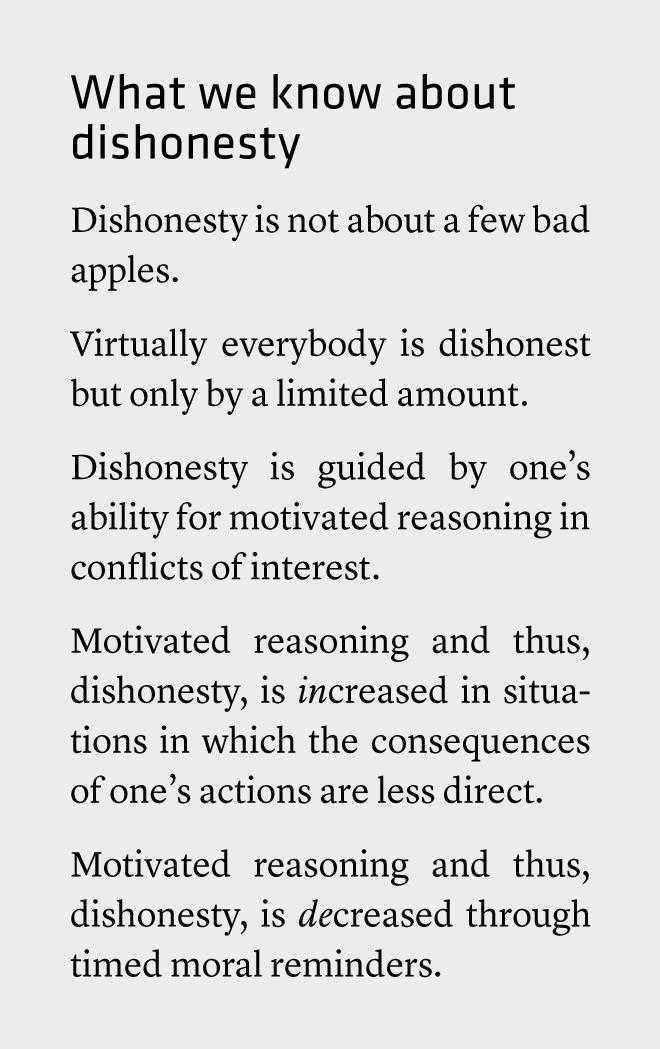
Dishonesty in finance often begins with small, rationalized steps rather than a grand, villainous scheme. Behavioral economists frequently point to the “Fraud Triangle”—a framework that explains the three factors leading to financial dishonesty: pressure (the need for money), opportunity (a gap in oversight), and rationalization (the internal justification for the act).
In many side hustles or startup environments, founders may feel pressured to exaggerate their “burn rate” or user acquisition numbers to secure the next round of funding. They rationalize this by believing the ends justify the means. However, this initial dishonesty often sets a precedent. What starts as a minor overstatement can quickly evolve into systemic reporting fraud, illustrating that in finance, dishonesty is a cumulative habit that compounds just like interest.
Legal vs. Ethical Dishonesty in Money Management
A significant challenge in modern finance is the distinction between what is illegal and what is merely dishonest. The financial industry is heavily regulated, yet “regulatory arbitrage”—the practice of capitalizing on loopholes in different jurisdictions—often sits in a gray area.
For instance, a financial advisor might technically meet their legal “suitability” requirements while still being fundamentally dishonest by steering a client toward a high-commission product that isn’t in the client’s best interest. This is a breach of fiduciary duty in spirit, if not always in letter. Understanding dishonesty requires looking beyond the legal fine print and evaluating whether an action prioritizes transparency or exploits a lack of knowledge for profit.
Corporate Dishonesty: From Creative Accounting to Market Manipulation
When we look at the corporate level, the definition of “dishonest” scales up to include actions that can impact thousands of employees and millions of shareholders. Corporate dishonesty is often a strategic choice, used to maintain a high stock price or to hide an impending liquidity crisis.
Understanding Creative Accounting and Window Dressing
One of the most common forms of corporate dishonesty is “creative accounting.” This involves using accounting techniques to follow the law but deviate from the spirit of the rules, making a company’s financial health appear much better than it is.
“Window dressing” is a specific iteration of this, where firms manipulate their balance sheets at the end of a fiscal quarter to present a more favorable picture to investors. This might involve delaying payments to suppliers or pulling forward future revenue to meet analyst expectations. While these tactics can provide a short-term boost to a brand’s financial standing, they are fundamentally dishonest because they distort the true economic reality of the business, leading investors to make decisions based on manufactured data.
The Rise of ESG Dishonesty and “Greenwashing”
As ethical investing and Environmental, Social, and Governance (ESG) criteria become central to modern portfolio management, a new form of dishonesty has emerged: greenwashing. This occurs when a company or an investment fund misleads investors about the environmental or social benefits of their products.
When a financial tool is marketed as “sustainable” while its underlying assets are tied to high-emission industries, the provider is engaging in a specific type of financial dishonesty. This doesn’t just mislead the investor; it misallocates capital. By falsely claiming ethical high ground, these entities siphon money away from truly sustainable enterprises, creating a market imbalance based on a lie. In this context, dishonesty is a tool used to capture the “morality premium” of the modern market without doing the work to earn it.
Personal Finance and Dishonesty: The Silent Wealth Killer
While corporate scandals make headlines, the most common forms of dishonesty occur at the individual level. Personal financial dishonesty—whether directed toward oneself, a partner, or a lender—can be the single greatest barrier to achieving financial independence.
The Impact of “Financial Infidelity” in Relationships
Financial infidelity is a term used to describe the act of hiding money, debt, or expenditures from a partner or spouse. It is a profound form of dishonesty that affects nearly 40% of couples. Whether it is a secret credit card, a hidden gambling habit, or an undisclosed side hustle, this behavior undermines the foundational trust of a household’s economic unit.
From a money management perspective, financial infidelity makes it impossible to create an accurate budget or long-term investment plan. It introduces “hidden risk” into a portfolio. Just as a corporation cannot survive with off-balance-sheet debt, a household cannot thrive when one party is operating with a different set of books. Dishonesty here is not just about the money; it’s about the fragmentation of shared goals.
Predatory Lending and Deceptive Financial Products
Dishonesty also flows from the institution to the individual through predatory lending practices. This occurs when lenders use deceptive, coercive, or unscrupulous tactics to induce borrowers to take out loans they cannot afford, often with hidden fees or astronomical interest rates.
What makes this particularly dishonest is the intentional use of complexity to mask the true cost of capital. By burying the “Annual Percentage Rate” (APR) in jargon or focusing the consumer solely on a low monthly payment, lenders engage in a form of intellectual dishonesty. They exploit the consumer’s lack of financial literacy, creating a transaction where the lender’s gain is entirely predicated on the borrower’s eventual failure.
The True Cost of Dishonesty: Market Volatility and Eroded Trust
The aggregate effect of dishonesty across the financial landscape is more than just a series of isolated losses; it is the degradation of the market’s “social capital.” When dishonesty becomes normalized, the entire economic system becomes less efficient and more volatile.
How Institutional Deceit Devalues the Global Economy
Trust is a lubricant for the economy. When we trust that a company’s financial statements are accurate or that a bank is solvent, transactions happen quickly and cheaply. When that trust is broken—as it was during the 2008 financial crisis through the dishonest rating of subprime mortgages—the cost of doing business skyrockets.
Risk premiums rise because investors must account for the “honesty risk.” This means that in a dishonest market, even honest businesses have to pay more for capital because lenders become skeptical of everyone. In this sense, a single act of high-profile dishonesty acts as a “tax” on the entire financial system, slowing down innovation and reducing the overall velocity of money.

Strategies for Building a Transparent Financial Future
Overcoming the prevalence of dishonesty requires a shift toward radical transparency and the adoption of robust financial tools. For the individual investor, this means conducting due diligence that goes beyond the surface level. It means looking for companies with “clean” balance sheets and avoiding financial products that are too complex to explain simply.
For businesses, the antidote to dishonesty is the implementation of strong internal controls and an ethical culture that rewards transparency over short-term gains. In the age of digital finance, blockchain and distributed ledger technologies are also being utilized to fight dishonesty by providing an immutable, transparent record of transactions. While technology is not a total cure for the human impulse toward deceit, it creates an environment where “what does dishonest mean” is answered by the impossibility of altering the record.
In conclusion, “dishonest” in the world of money is the antithesis of value. It is a strategy of subtraction—subtracting truth from reports, subtracting clarity from contracts, and ultimately subtracting wealth from the many to benefit the few. By recognizing the various forms of financial dishonesty, from the subtle rationalizations of the individual to the complex manipulations of the corporation, we can better protect our assets and contribute to a more stable, transparent financial future.
aViewFromTheCave is a participant in the Amazon Services LLC Associates Program, an affiliate advertising program designed to provide a means for sites to earn advertising fees by advertising and linking to Amazon.com. Amazon, the Amazon logo, AmazonSupply, and the AmazonSupply logo are trademarks of Amazon.com, Inc. or its affiliates. As an Amazon Associate we earn affiliate commissions from qualifying purchases.