
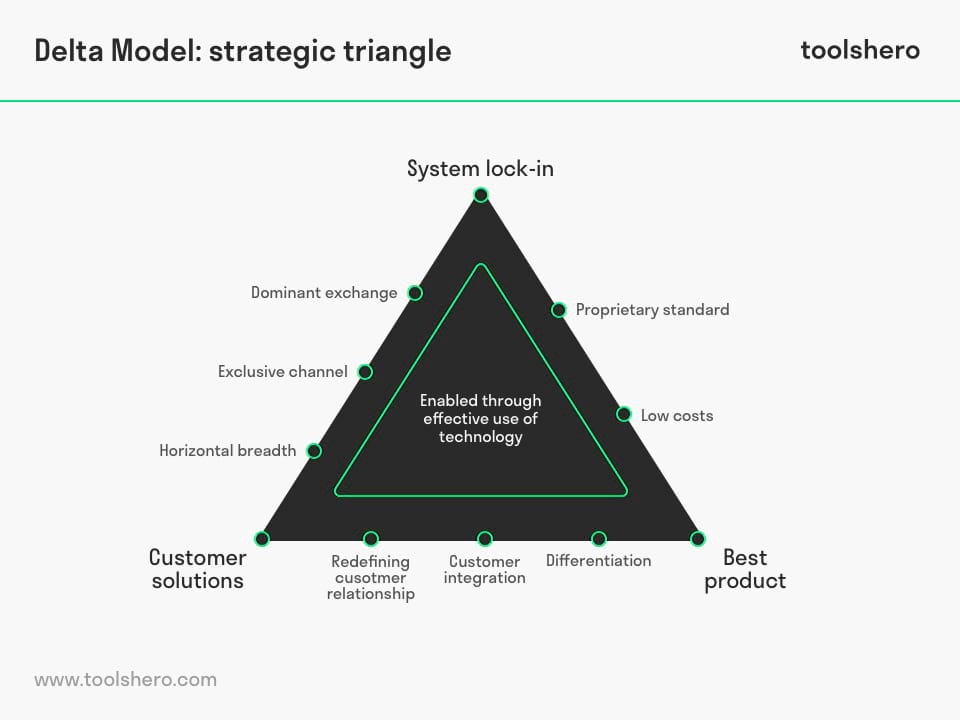
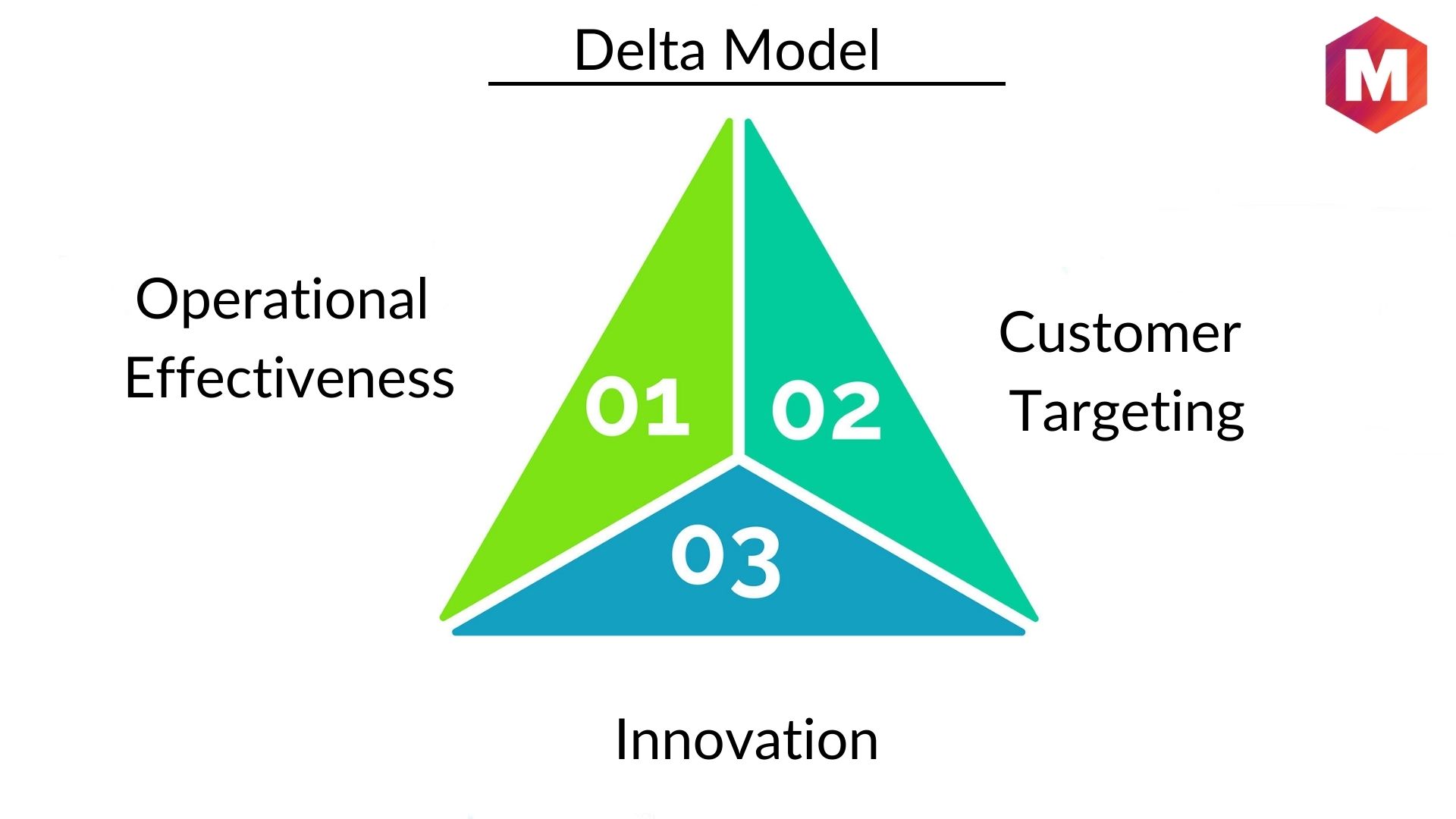
The term “delta” in a business context, particularly when discussed within the realm of finance and economics, signifies change. It is a Greek letter, commonly used in mathematics and science to represent a difference or a rate of change. In business, understanding and measuring these changes is paramount for strategic decision-making, risk management, and performance evaluation. While the broad definition is “change,” its specific meaning and application can vary significantly depending on the particular aspect of business being analyzed. This article will delve into the multifaceted meanings of “delta” in business, focusing exclusively on its implications within the Money niche, encompassing personal finance, investing, online income, side hustles, business finance, and financial tools.
Delta in Investment Analysis: Measuring Sensitivity and Risk
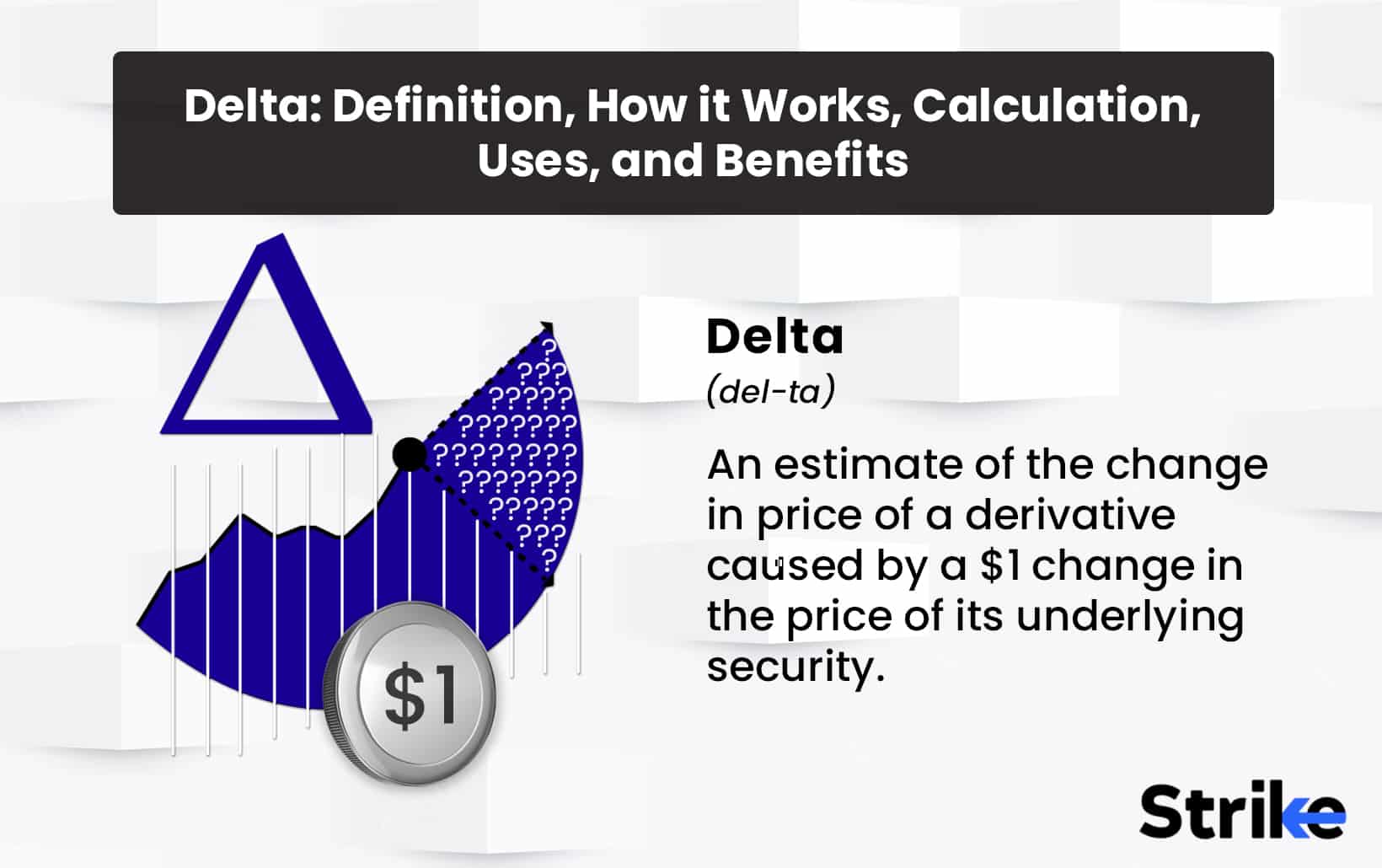
In the world of investing, “delta” is a crucial concept, especially in options trading, but its underlying principles of measuring sensitivity to change have broader applications in financial analysis. It quantifies how one variable is expected to change in response to a change in another.
Delta in Options Pricing: The Gatekeeper of Risk
Options trading is where the term “delta” is most formally and extensively utilized. Here, delta is one of the “Greeks,” a set of metrics used to measure the sensitivity of an option’s price to various factors.
Understanding Options Delta
Options delta measures the expected change in an option’s price for every $1 change in the price of the underlying asset. For example, if a call option has a delta of 0.50, it means that for every $1 increase in the underlying stock price, the option’s price is expected to increase by $0.50. Conversely, a put option with a delta of -0.50 would see its price decrease by $0.50 for every $1 increase in the underlying stock price.
Delta and Hedging Strategies
The primary use of delta in options is for hedging. Portfolio managers and traders use delta to construct portfolios that are hedged against movements in the underlying asset. By holding a position that offsets the delta of their options, they can reduce their exposure to price fluctuations. For instance, if an investor buys a call option with a delta of 0.60, they have a bullish exposure equivalent to owning 60 shares of the underlying stock (assuming a standard contract size of 100 shares). To hedge this, they could sell 60 shares of the underlying stock, creating a “delta-neutral” position.
The Range of Delta and its Implications
Options delta ranges from 0 to 1 for call options and from -1 to 0 for put options.
- Call Options: A delta of 1 signifies that the option’s price will move in lockstep with the underlying asset. This typically occurs for deep in-the-money call options. A delta of 0 indicates that the option’s price is largely insensitive to changes in the underlying asset’s price, characteristic of far out-of-the-money options.
- Put Options: A delta of -1 means the option’s price will move in the opposite direction of the underlying asset’s price, again, typical for deep in-the-money put options. A delta of 0 for put options signifies insensitivity to the underlying’s price, characteristic of far out-of-the-money put options.
Understanding these ranges helps investors gauge the probability of an option expiring in-the-money and its expected sensitivity to market movements.
Delta in Broader Financial Analysis: Beyond Options
While prominently featured in options trading, the concept of delta – measuring the change in one financial variable due to a change in another – extends to other areas of financial analysis and business finance.
Delta in Currency Exchange Rate Analysis
Businesses that operate internationally are acutely aware of currency fluctuations. The “delta” in this context represents the change in the value of one currency relative to another. For example, if a U.S. company imports goods from Europe, an unfavorable delta (meaning the Euro strengthens against the USD) would increase the cost of those imports in dollar terms. Conversely, a favorable delta (Euro weakens) would reduce costs.
Financial professionals analyze historical currency deltas to forecast future movements and manage foreign exchange risk through hedging instruments like forward contracts and options. Understanding the sensitivity of a company’s revenue or costs to currency shifts is a critical aspect of its financial health.
Delta in Interest Rate Sensitivity
For businesses that rely on debt financing or hold interest-bearing assets, the delta of their financial instruments with respect to interest rate changes is a vital metric. This sensitivity, often measured by concepts like duration in bond markets, quantifies how much the value of an investment or loan will change if interest rates rise or fall. A company with a high interest rate delta might see its debt servicing costs surge if rates increase, impacting its profitability and cash flow. Financial tools and models are employed to calculate and manage this delta, ensuring the business can withstand various interest rate scenarios.
Delta in Economic Indicators
Macroeconomic analysis often employs “delta” to understand the rate of change in key economic indicators. For instance, the delta of GDP growth signifies the quarter-over-quarter or year-over-year change in economic output. Similarly, the delta of inflation measures the rate at which prices are rising. Businesses use these deltas to make strategic decisions about expansion, investment, and hiring, anticipating future economic conditions and their impact on demand and costs.
Delta in Business Finance: Performance and Variance Analysis
Within a company’s internal financial operations, “delta” is frequently used to analyze performance against targets, budgets, or previous periods. This is where the concept bridges into the practicalities of business finance and management accounting.
Variance Analysis: Identifying Deviations from the Plan
Variance analysis is a cornerstone of management accounting, and “delta” is its fundamental metric. It involves comparing actual results to planned or budgeted figures and analyzing the differences (variances).
Revenue Delta
The revenue delta represents the difference between actual revenue and budgeted revenue. A positive revenue delta indicates that the company has outperformed its revenue targets, while a negative delta signifies underperformance. Understanding the drivers behind this delta is crucial. Is it due to higher sales volumes, improved pricing, or a combination of factors? Analyzing the delta helps identify successful strategies to replicate and areas where performance needs improvement.
Cost Delta
Similarly, cost deltas compare actual costs incurred to budgeted costs. A favorable cost delta means costs were lower than planned, while an unfavorable delta indicates higher-than-expected expenses. This could relate to direct materials, labor, or overhead. Managers meticulously examine cost deltas to pinpoint inefficiencies, negotiate better supplier prices, or re-evaluate production processes.
Profitability Delta
Ultimately, the deltas in revenue and costs translate into a profitability delta. This measures the difference between actual profit and budgeted profit. A significant negative profitability delta, for instance, might trigger a deep dive into the underlying revenue and cost variances to understand the root causes and implement corrective actions.
Trend Analysis: Monitoring Progress Over Time
Beyond comparing to a budget, “delta” is also used to track changes in financial metrics over consecutive periods. This trend analysis provides insights into the trajectory of the business.
Year-over-Year (YoY) Delta
Calculating the YoY delta for key metrics like sales, net income, or customer acquisition cost helps assess long-term growth and performance. A consistently positive YoY delta in sales suggests a growing business, while a declining delta might signal market challenges or competitive pressures.
Quarter-over-Quarter (QoQ) Delta
The QoQ delta offers a more granular view of performance, highlighting seasonal trends or the immediate impact of recent strategic initiatives. For a business focused on rapid online income streams or side hustles, understanding the QoQ delta can be vital for adapting to fast-changing market dynamics.
Financial Tool Integration: Automating Delta Calculation
Modern financial tools and software play a pivotal role in calculating and visualizing deltas, making this analysis more accessible and efficient for businesses of all sizes.
Accounting Software and ERP Systems
Enterprise Resource Planning (ERP) systems and robust accounting software automatically track financial transactions. They are designed to generate variance reports and trend analyses, effectively calculating numerous deltas. These systems allow for custom dashboards that highlight key deltas, providing management with real-time insights.
Business Intelligence (BI) Tools
Business Intelligence tools take this a step further by integrating data from various sources and offering advanced analytical capabilities. BI platforms can visualize deltas through charts and graphs, making complex financial data easier to interpret. For instance, a BI dashboard could show the revenue delta for each product line over the last four quarters, highlighting which are contributing positively or negatively to growth.
Spreadsheet Software and Financial Modeling
Even with sophisticated software, spreadsheets like Microsoft Excel or Google Sheets remain powerful tools for calculating deltas, especially for smaller businesses or specific ad-hoc analyses. Financial models built within these tools can dynamically adjust and calculate the impact of various “delta” scenarios on profitability and cash flow.
Delta in Online Income and Side Hustles: Navigating Volatility
The pursuit of online income and the growth of side hustles often involve navigating a dynamic and sometimes volatile landscape. Understanding “delta” here relates to the fluctuations in income, conversion rates, and audience engagement.
Income Streams Delta: Tracking Earning Fluctuations
For individuals and small businesses generating income online through e-commerce, affiliate marketing, content creation, or freelance services, tracking the delta in their earnings is crucial for stability and growth.
E-commerce Sales Delta
An online store owner selling products will closely monitor the delta in their daily, weekly, or monthly sales. A positive delta means more revenue is coming in than in the previous period, while a negative delta might signal a dip in demand, a change in advertising effectiveness, or increased competition. Understanding this delta helps in inventory management, marketing adjustments, and financial planning.
Freelance Project Delta
A freelancer might experience fluctuations in the number of projects secured or the average project value. The delta in these metrics directly impacts their income. Analyzing the delta can help identify periods of high demand and low demand, allowing for better time management and proactive client acquisition strategies.
Affiliate Marketing Commission Delta
Affiliate marketers rely on commissions generated from promoting other companies’ products. The delta in these commissions can be influenced by seasonal shopping trends, algorithm changes on their platform (e.g., YouTube, a blog), or the performance of the products they promote. Tracking this delta is key to optimizing content and marketing efforts.
Conversion Rate Delta: Optimizing User Engagement
In the digital realm, conversion rates are a vital indicator of success. “Delta” is used to measure changes in these rates, which directly impact income.
Website Conversion Rate Delta
For a business selling products or services online, the conversion rate represents the percentage of website visitors who take a desired action, such as making a purchase. A positive delta in conversion rate means more visitors are becoming customers, leading to increased revenue. This delta might be influenced by website design improvements, user experience enhancements, or more effective calls to action.
Lead Generation Delta
For service-based businesses or those using lead magnets, the delta in lead generation rates is significant. If a company offers a free e-book in exchange for an email address, a positive delta in the download rate means they are acquiring more potential customers. This directly impacts their sales pipeline.
Click-Through Rate (CTR) Delta
Online advertising campaigns rely heavily on CTRs. A positive delta in CTR for an ad means more people are clicking on it, potentially leading to more website traffic and sales. Analyzing the delta in CTR helps marketers refine ad copy, targeting, and creatives.
Audience Growth and Engagement Delta: Building a Sustainable Online Presence
For content creators, social media influencers, and online communities, understanding the delta in audience growth and engagement is fundamental to building a sustainable income.
Follower Growth Delta
The delta in the number of followers on social media platforms or subscribers to a newsletter indicates the growth of a creator’s reach. A consistent positive delta suggests the content is resonating with a wider audience.
Engagement Rate Delta
Beyond just follower count, engagement rate (likes, comments, shares, views) is a critical metric. A positive delta in engagement rate signifies that the audience is actively interacting with the content, which is often a precursor to monetization opportunities. Platforms also often favor content with higher engagement, indirectly impacting reach and potential income.
Online Income Tooling: Analytics and Dashboards
The tools used to track online income and side hustles are heavily reliant on analytics. Platforms like Google Analytics, social media analytics dashboards, and specific e-commerce platform reports provide the data needed to calculate and visualize these deltas. Understanding the trends and fluctuations in these numbers, informed by delta analysis, empowers individuals and businesses to make data-driven decisions for optimizing their online ventures.
In conclusion, the term “delta” in business, particularly within the financial and economic spheres, universally signifies change. Whether it’s the sensitivity of an option to its underlying asset, the variance between actual and budgeted costs, or the fluctuation in online income, understanding and measuring these changes is not just an academic exercise but a critical imperative for financial health, strategic agility, and ultimately, sustained success. By mastering the concept of delta and leveraging the appropriate financial tools, businesses and individuals can navigate the complexities of the market with greater insight and confidence.
aViewFromTheCave is a participant in the Amazon Services LLC Associates Program, an affiliate advertising program designed to provide a means for sites to earn advertising fees by advertising and linking to Amazon.com. Amazon, the Amazon logo, AmazonSupply, and the AmazonSupply logo are trademarks of Amazon.com, Inc. or its affiliates. As an Amazon Associate we earn affiliate commissions from qualifying purchases.