
The hum of a washing machine is a familiar sound in most households, a testament to our reliance on technology to simplify chores. As washing machines have evolved, so too have their features, offering a bewildering array of options designed to tackle everything from delicate silks to heavily soiled workwear. Among these, the “Deep Fill” setting, or variations of it, has emerged as a point of interest for those seeking an enhanced laundry experience. But what exactly does this feature entail, and is it a genuine technological advancement or simply a marketing gimmick? This article will delve into the meaning of “Deep Fill” on a washing machine, exploring its implications from a technological and practical standpoint, and how it relates to optimizing your laundry routine for superior results.
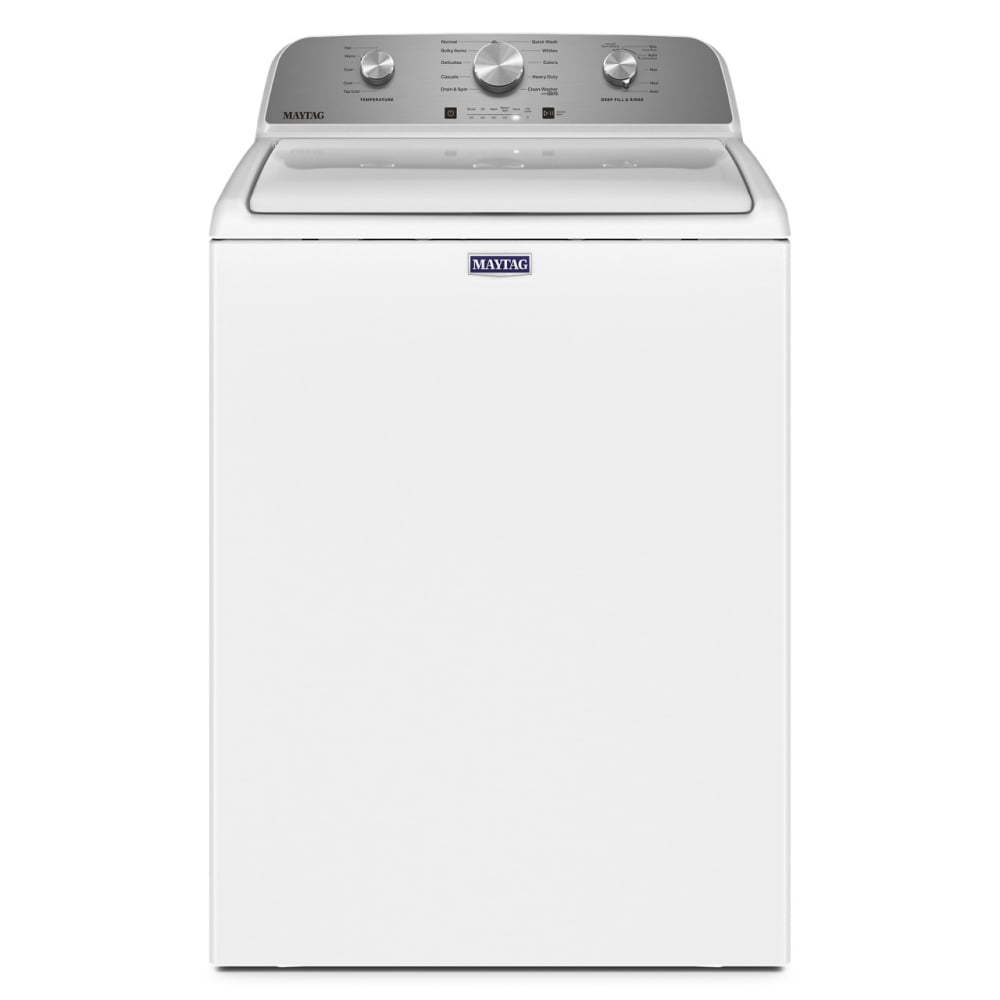
While “Deep Fill” might sound straightforward – implying more water – its implementation and benefits are more nuanced. Understanding this feature requires a look at the evolving landscape of laundry technology, where efficiency and performance are constantly being balanced.
The Evolution of Washing Machine Water Levels: From Manual to Smart
Washing machines haven’t always been equipped with complex water level sensors. In the early days of automatic washing, users often had to manually select a water level or rely on pre-set cycles. This could lead to inefficiencies, such as using too much water for a small load or not enough for a larger one, impacting both cleaning effectiveness and resource consumption.
Traditional Water Level Selection
Older machines typically offered a few distinct water level options: “low,” “medium,” and “high.” These were largely guesswork, relying on the user’s estimation of the load size. This manual approach, while offering a degree of control, was prone to error. Too little water means clothes might not agitate effectively, leading to suboptimal cleaning and potential residue. Too much water, on the other hand, wastes water and energy, and can also dilute detergents, reducing their effectiveness.
The Rise of Load Sensing Technology
The advent of load sensing technology marked a significant leap forward. Modern washing machines, particularly high-efficiency (HE) models, are equipped with sensors that detect the weight or volume of laundry in the drum. Based on this data, the machine automatically adjusts the amount of water needed for the chosen wash cycle. This innovation was driven by a desire for greater efficiency, aiming to reduce water and energy consumption without compromising cleaning performance.
The “Deep Fill” Concept: A Refinement or a Return?
This is where “Deep Fill” enters the conversation. In the context of machines that already employ load sensing, a “Deep Fill” option often signifies a deliberate override of the automatic water level. Instead of relying on the sensor’s calculation for a standard wash, the “Deep Fill” setting instructs the machine to fill the drum with a significantly higher volume of water than it would typically deem necessary.
This might seem counterintuitive in an era focused on water conservation. However, the rationale behind such a feature often lies in specific laundry needs that automated systems might not perfectly address.
Why Would You Need “Deep Fill”? Unpacking the Benefits and Use Cases
The existence of a “Deep Fill” option isn’t arbitrary. It’s designed to cater to certain scenarios where a traditional or even an automatically sensed water level might fall short. Understanding these scenarios is key to appreciating the utility of this feature.
Enhanced Agitation and Cleaning Power
One of the primary reasons for increased water in a washing machine is to facilitate better agitation. In a standard wash cycle, clothes are meant to tumble and move freely within the water. This movement, combined with the detergent, is what lifts dirt and stains from the fabric.
When a load is particularly bulky or densely packed, it can limit the free movement of clothes. This can result in areas of the fabric not being adequately exposed to the detergent or the mechanical action of the wash. A “Deep Fill” setting provides more space for the clothes to move and circulate, ensuring that every part of the garment comes into contact with water and detergent. This is particularly beneficial for:
- Heavily Soiled Items: Items like sports uniforms, work clothes caked in mud or grease, or bedding that has absorbed spills might require more thorough rinsing and agitation to dislodge stubborn grime.
- Large or Bulky Items: Items such as comforters, sleeping bags, heavy blankets, or even large towels can absorb a significant amount of water and can pack tightly. A deeper water level ensures they are fully submerged and can move freely, leading to a more effective clean and rinse.
- Delicate Items Requiring Gentle Tumbling: While it might seem contradictory, in some cases, a deeper water level can provide a gentler washing action for certain delicate items that might snag or become overly compressed in a lower water level. The extra water acts as a cushion, allowing for more fluid movement.
Improved Rinsing Efficiency
Beyond just cleaning, effective rinsing is crucial to remove detergent residue, which can irritate the skin and even damage fabrics over time. If a load is too dense or the water level is too low, detergent might not be fully flushed out during the rinse cycles.
“Deep Fill” can aid in this by providing more water to carry away dissolved detergent. This is especially important for:
- Allergy Sufferers: Individuals with sensitive skin or allergies may benefit from the thorough rinsing provided by a deeper water level, reducing the risk of skin irritation from residual detergent.
- Babies and Children’s Clothing: Parents often prioritize thorough rinsing for baby clothes to ensure no harsh chemicals remain on their delicate skin.
- Densely Woven Fabrics: Some tightly woven fabrics can hold onto detergent more readily, making an extra rinse with more water beneficial.

Overcoming the Limitations of High-Efficiency (HE) Machines
Modern washing machines, particularly HE models, are designed to use significantly less water than their older counterparts. This is a positive step for environmental conservation and cost savings. However, in some specific scenarios, the reduced water levels in HE machines might not be sufficient for optimal cleaning or rinsing.
“Deep Fill” can act as a user-controlled override, allowing for a more traditional wash experience when desired, without sacrificing the energy efficiency of an HE machine for everyday loads. It offers the best of both worlds: the water-saving capabilities of modern technology for most washes, and the option for enhanced cleaning power when truly needed.
Navigating the “Deep Fill” Setting: Practical Considerations and Potential Downsides
While “Deep Fill” offers distinct advantages, it’s not a feature to be used indiscriminately. Understanding its implications and potential downsides is crucial for making informed decisions about your laundry routine.
When to Use “Deep Fill” (and When Not To)
Use “Deep Fill” for:
- Bulky items: Comforters, duvets, sleeping bags, large blankets, and rugs.
- Heavily soiled clothing: Workwear, sports gear, or items with stubborn stains that require maximum agitation.
- Loads with potential for residue: Items for babies, people with sensitive skin, or when using a potent detergent.
- Specific fabric types: Certain very absorbent or dense fabrics that might not get fully saturated in a standard wash.
Avoid “Deep Fill” for:
- Lightly soiled or small loads: This will unnecessarily waste water and energy.
- Everyday washes: Unless you have a specific reason, the load-sensing technology in most modern machines is optimized for regular use.
- Overloading the machine: Even with more water, an overloaded machine will not clean effectively and can damage your appliance. Always ensure there is enough space for clothes to move freely.
Water and Energy Consumption Implications
The most obvious downside of using “Deep Fill” is the increased consumption of water and, consequently, the energy required to heat that water. While the environmental benefits of water conservation are significant, sometimes a more thorough clean is prioritized. It’s a trade-off that users must consider based on their specific needs and priorities.
For those living in drought-prone areas or with strict water usage policies, the “Deep Fill” option might be best avoided. However, for others, the occasional use for challenging loads might be a worthwhile compromise for superior results.
Impact on Washing Machine Performance and Lifespan
While “Deep Fill” is a designed feature, consistently overfilling the machine beyond its intended capacity for regular washes could theoretically put a strain on its components, such as the motor and pump, over the very long term. However, this is less likely with a specific “Deep Fill” setting, which is engineered to handle higher water volumes. The primary concern is more about unnecessary wear and tear from overworking the machine with overly dense loads, regardless of the water level.
Understanding Your Machine’s Specifics
It’s important to note that the exact functionality and terminology of this feature can vary between manufacturers. Some machines might label it “Deep Fill,” others might have an “Extra Water” option, and some might integrate a more pronounced “Bulky Items” cycle that inherently uses more water. Always consult your washing machine’s user manual for the most accurate explanation of its features and recommended usage.
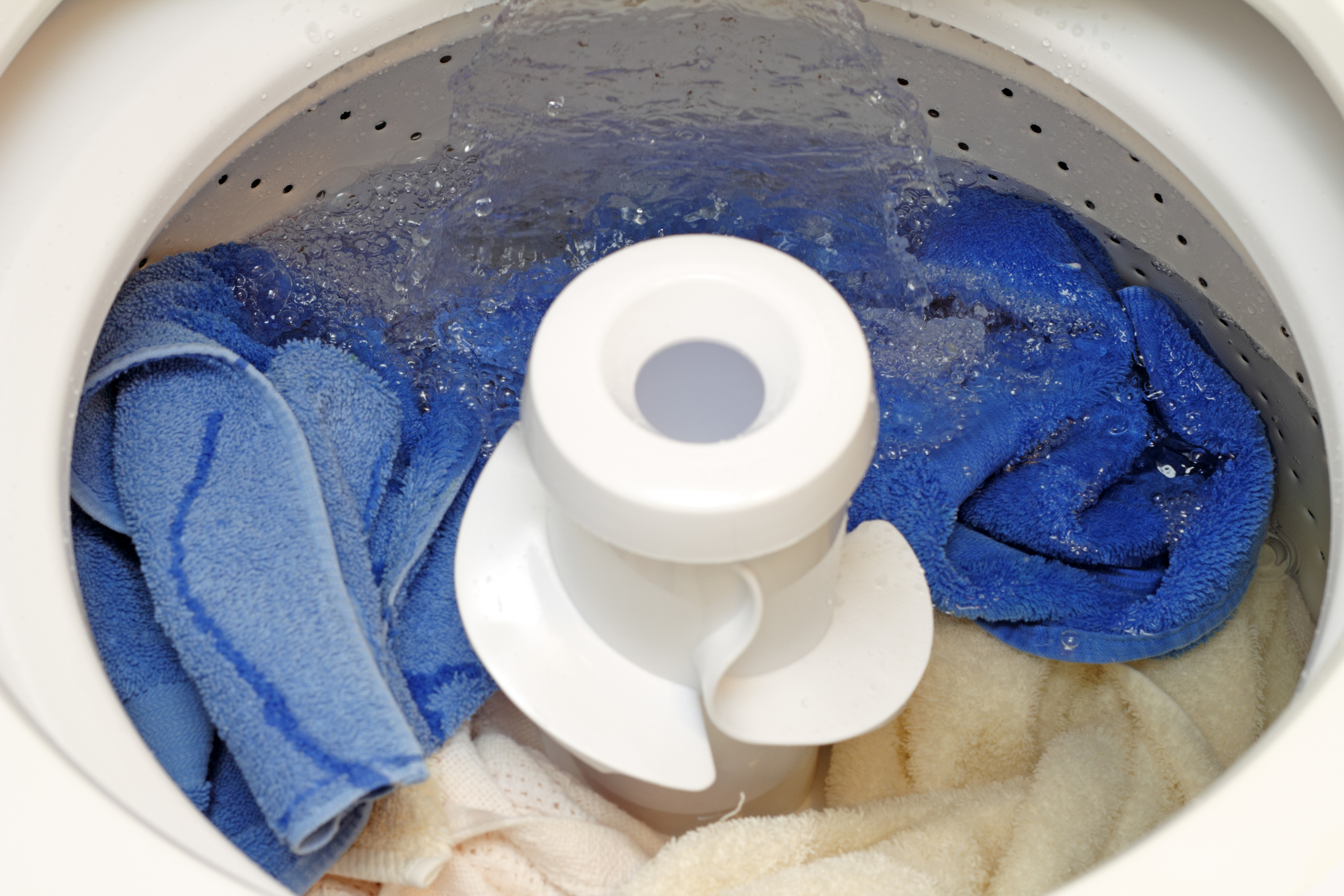
Beyond “Deep Fill”: Smart Tech and the Future of Laundry
The “Deep Fill” setting is a fascinating example of how manufacturers try to balance user needs with technological advancements. It acknowledges that while automation is beneficial, there are still occasions where user control and a more traditional approach to water usage can lead to superior results.
This feature also highlights the ongoing dialogue between technological efficiency and practical performance in our home appliances. As washing machine technology continues to evolve, we can expect further innovations that aim to:
- More sophisticated load sensing: Future machines might be able to differentiate not just the weight but also the type of fabric, adjusting water levels and agitation accordingly with even greater precision.
- AI-driven cycle optimization: Artificial intelligence could analyze the specific type of stain, fabric, and even soil level through advanced sensors, automatically selecting the optimal water level and wash parameters for each load, potentially making “Deep Fill” a redundant option in the future.
- User preference learning: Machines might learn from user overrides, such as frequent use of “Deep Fill,” to proactively adjust their default settings for similar future loads.
- Enhanced rinse cycles: Innovations in water recirculation and filtration could allow for more effective rinsing with less water, reducing the need for a “Deep Fill” to achieve residue-free results.
In conclusion, “Deep Fill” on a washing machine is a feature designed to provide an enhanced cleaning and rinsing experience by deliberately increasing the water volume beyond what automatic sensors might determine is necessary. While it’s a valuable tool for tackling bulky, heavily soiled, or residue-sensitive loads, it’s essential to use it judiciously to avoid unnecessary water and energy consumption. As technology advances, we can anticipate even more intelligent solutions that will further refine our laundry routines, ensuring both optimal cleaning and responsible resource management.
aViewFromTheCave is a participant in the Amazon Services LLC Associates Program, an affiliate advertising program designed to provide a means for sites to earn advertising fees by advertising and linking to Amazon.com. Amazon, the Amazon logo, AmazonSupply, and the AmazonSupply logo are trademarks of Amazon.com, Inc. or its affiliates. As an Amazon Associate we earn affiliate commissions from qualifying purchases.