
In the world of high-stakes finance, the term “stimulant” usually refers to a central bank lowering interest rates or a government injecting liquidity into the markets. However, a much more dangerous phenomenon exists within the realm of personal finance and individual investing: the “Crystal Meth” style of trading. This refers to the pursuit of hyper-volatile, high-risk, and short-term financial gains that provide an immediate “hit” of dopamine but lead to the long-term systemic decay of one’s net worth.
Just as a physical stimulant ravages the body while promising a temporary escape, certain financial behaviors—like excessive leverage, meme-stock chasing, and emotional day trading—offer a fleeting sense of euphoria while silently eroding the structural integrity of a financial future. Understanding the mechanics of this “financial addiction” is essential for any investor looking to move beyond the rush and toward sustainable wealth creation.
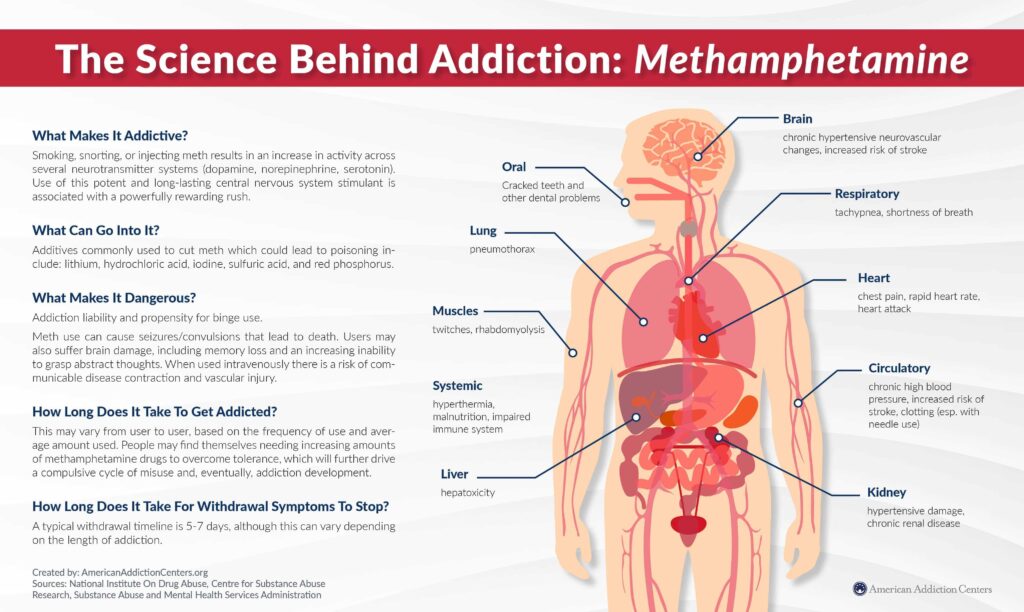
The Neuroeconomics of the Trade: Why We Crave the Volatility High
The human brain is not naturally wired for the slow, methodical pace of compound interest. It is, however, perfectly evolved to respond to the “jackpot” mechanics found in high-volatility markets. When an investor sees a 20% gain in a single afternoon from a speculative asset, the brain releases a flood of dopamine, the same neurotransmitter associated with addictive substances.
The Dopamine Loop in Digital Trading
Modern financial tools and apps have gamified the investing experience. With colorful interfaces, celebratory animations for successful trades, and real-time push notifications, the “Money” niche has become increasingly digital and, consequently, more addictive. This creates a feedback loop where the investor is no longer looking for value; they are looking for the “hit.” When you ask what this behavior “does to you,” the answer starts in the prefrontal cortex—it impairs your ability to make rational, long-term decisions, forcing you to prioritize the immediate high over a ten-year growth plan.
The Myth of the “Easy Win”
In the “Money” sector, the “Crystal Meth” strategy is characterized by the belief that one can bypass the traditional labor of fundamental analysis. This is the financial equivalent of a stimulant-induced hallucination. The investor begins to believe they have a “system” or a “feeling” for the market. This overconfidence is a classic symptom of high-risk financial behavior, leading to increased position sizes and a total disregard for diversification.
The Erosion of Wealth: How Volatility Mimics Portfolio Decay
While the initial phase of high-risk investing may feel like a rapid ascent, the long-term effects on a portfolio are devastatingly similar to the physical effects of chronic stimulant use. It is a process of “financial decay” where the assets are stripped away, leaving only the “bones” of the original capital.
The Cost of Slippage and Over-Trading
One of the most immediate “side effects” of an aggressive, high-frequency trading habit is the accumulation of hidden costs. Much like a body losing its resilience, a portfolio subjected to constant “churning” loses its value through brokerage fees, high capital gains taxes, and “slippage” (the difference between the expected price of a trade and the price at which the trade is executed). Over a year, an investor chasing the “high” of constant trades may find that even if their picks were decent, their net return is negative due to the sheer cost of maintaining the habit.
Structural Portfolio Fragility
When an investor focuses exclusively on high-beta (high volatility) assets, they lose the “immune system” of their portfolio: diversification. A healthy financial life requires a mix of defensive assets, such as bonds or index funds, and growth assets. The “Crystal Meth” approach discards the defensive layer entirely. When the market inevitably turns—as all markets do—the recovery is not just slow; it is often impossible. The portfolio suffers a “total system failure” because there was no structural support to catch the fall.
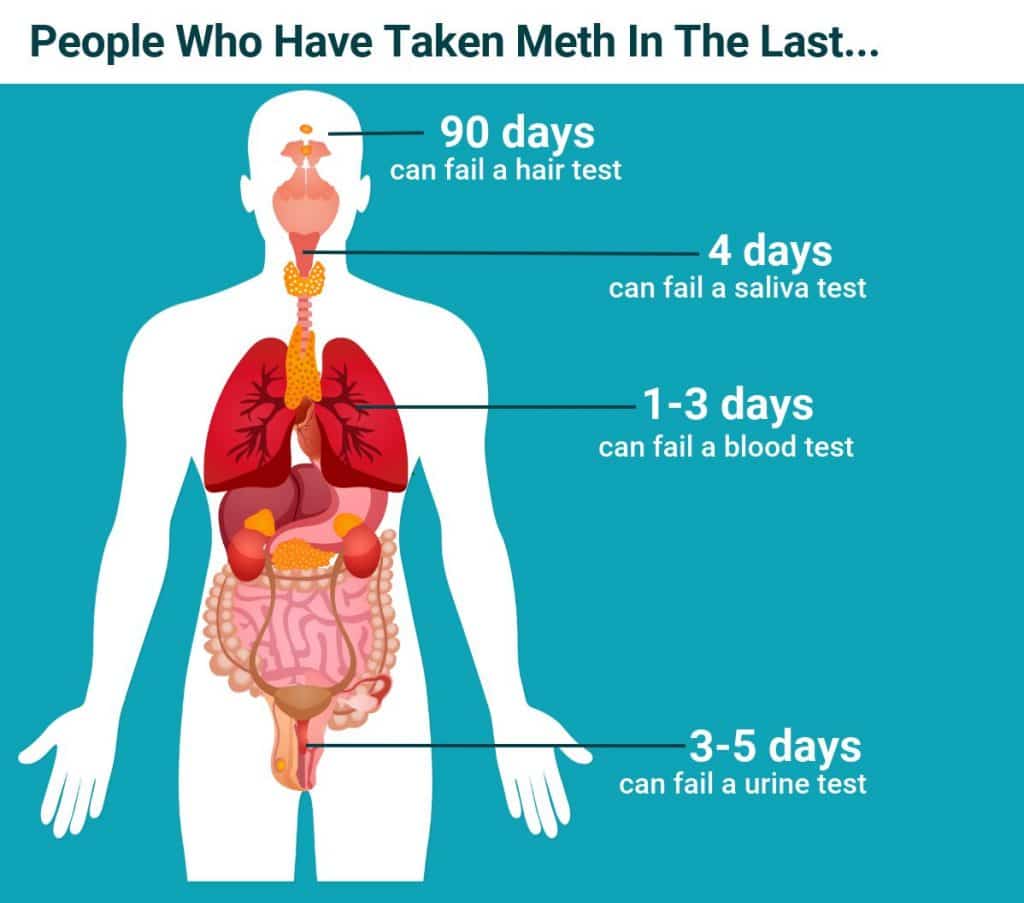
The Behavioral Finance Trap: Chasing the Next “Fix”
In personal finance, the “what does it do to you” question must address the psychological toll. Financial addiction changes your relationship with money from a tool for freedom into a master that demands constant attention.
The Sunk Cost Fallacy and “Double-Down” Culture
A hallmark of high-risk money management is the inability to walk away. In the “Money” niche, this is often called “averaging down” on a losing position, but in a toxic context, it is simply chasing a loss. The investor, desperate to regain the high of their initial peak net worth, pours more capital into a dying asset. This “financial obsession” mirrors the behavior of someone who has lost perspective on reality, leading to the liquidation of “safe” assets (like retirement accounts or emergency funds) to feed the speculative fire.
The Social Contagion of High-Risk Groups
Financial behavior doesn’t happen in a vacuum. Just as certain environments encourage substance abuse, certain digital communities encourage “Crystal Meth” investing. These groups celebrate “loss porn” and reckless “YOLO” (You Only Live Once) trades. This social reinforcement creates a distorted view of money, where prudent saving is mocked and catastrophic risk-taking is glorified. To the individual, it feels like being part of a movement; to the balance sheet, it is a slow-motion disaster.
Breaking the Cycle: Strategic Asset Allocation as Financial Sobriety
If “Crystal Meth” investing is defined by volatility, impulsivity, and decay, then “Financial Sobriety” is defined by discipline, strategy, and patience. Moving from a high-risk addiction to a stable financial identity requires a complete overhaul of one’s relationship with money.
Implementing the “Boring” Portfolio
The most effective “rehab” for a damaged portfolio is the implementation of low-cost, broad-market index funds. While these do not provide the 100% overnight returns that a “financial addict” craves, they provide something much more valuable: the mathematical certainty of participation in global economic growth. The first step in recovery is accepting that “boring is better.” By automating investments into a diversified portfolio, the investor removes the emotional “trigger” of the manual trade.
The Importance of a Financial “Sponsor”
In the world of money, professional guidance can act as the necessary friction between an impulsive thought and a destructive action. This might come in the form of a fee-only financial advisor or a robust set of automated rules (like a rebalancing schedule). These tools serve to protect the investor from themselves. They ensure that when the “urge” to speculate hits, there are barriers in place that prioritize the long-term health of the capital over the short-term thrill of the gamble.
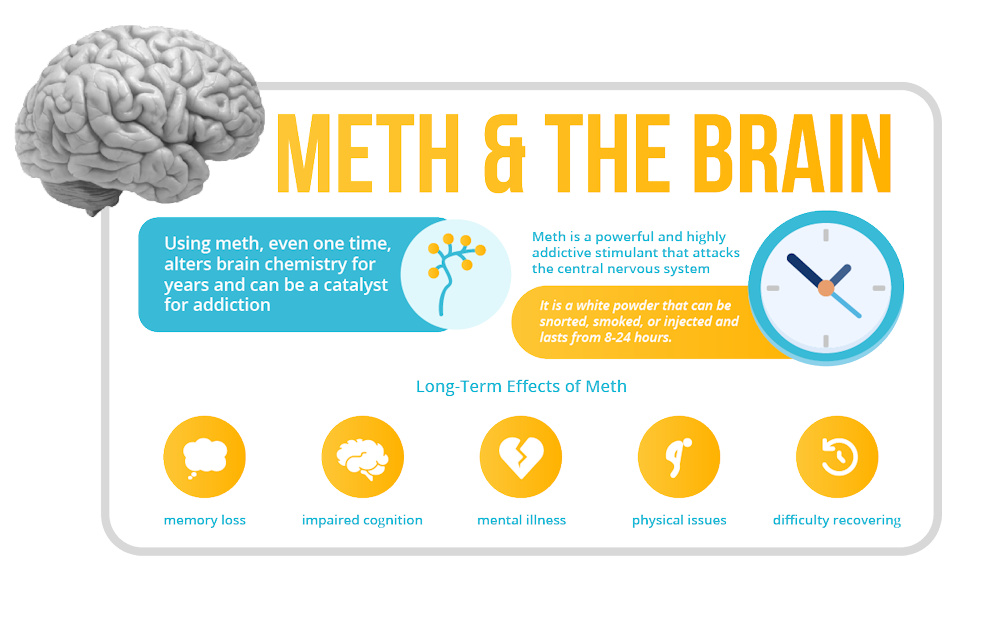
Conclusion: The Path to Sustainable Wealth
What does a “Crystal Meth” approach to money do to you? It exhausts your mental energy, depletes your hard-earned capital, and ruins your ability to appreciate the slow but steady progress of true wealth building. It turns the market from a theater of growth into a casino of despair.
True financial power does not come from the “rush” of a lucky trade; it comes from the quiet confidence of a well-structured plan. By recognizing the addictive patterns of high-risk behavior and pivoting toward the proven principles of personal finance—diversification, low costs, and long-term thinking—you can heal your portfolio and build a future that is not just high-performing, but truly resilient. The high might be addictive, but the peace of mind that comes from financial security is the only “hit” that lasts.
aViewFromTheCave is a participant in the Amazon Services LLC Associates Program, an affiliate advertising program designed to provide a means for sites to earn advertising fees by advertising and linking to Amazon.com. Amazon, the Amazon logo, AmazonSupply, and the AmazonSupply logo are trademarks of Amazon.com, Inc. or its affiliates. As an Amazon Associate we earn affiliate commissions from qualifying purchases.