
In the realm of personal finance, purchasing a home is often the largest single investment an individual will ever make. Because of the sheer scale of the capital involved, the process is rarely a simple exchange of currency for a deed. Instead, real estate transactions are governed by complex legal and financial frameworks designed to protect both the buyer’s assets and the seller’s interests. One of the most critical terms a prospective investor or homeowner will encounter is the “contingency.”
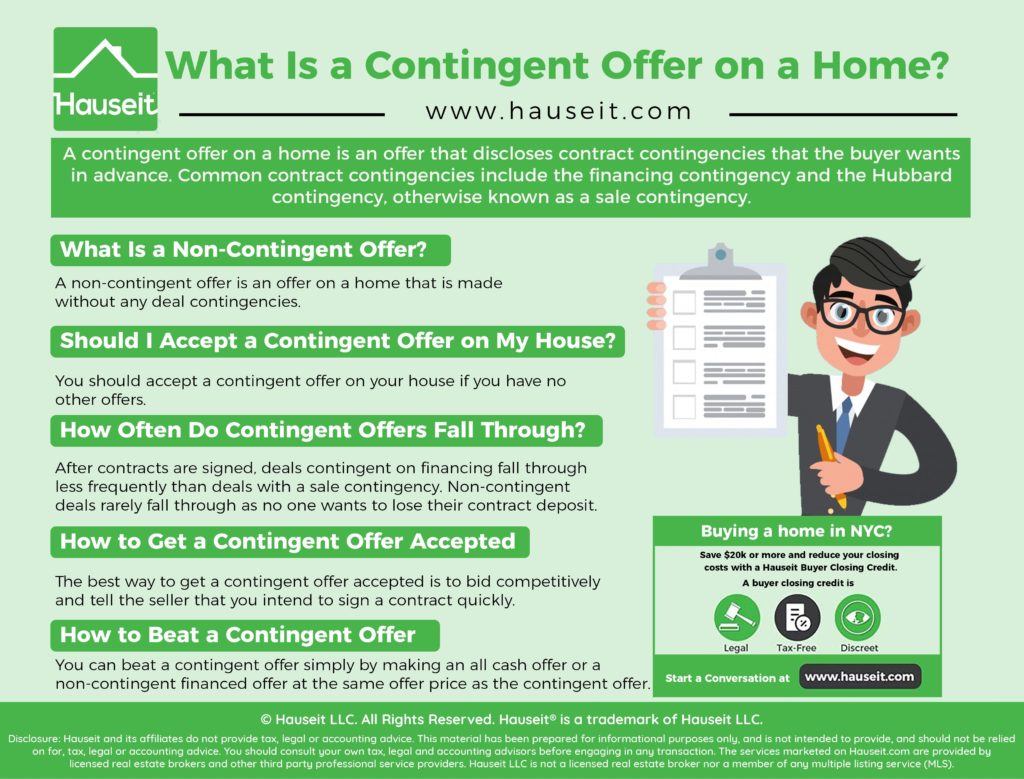
When a home is listed as “contingent,” it signifies that an offer has been accepted, but the finalization of the sale depends on specific conditions being met. From a financial perspective, a contingency acts as a safety net—a set of “if-then” scenarios that allow a buyer to withdraw from a contract without forfeiting their earnest money deposit. Understanding these conditions is vital for maintaining liquidity and protecting one’s net worth during the high-stakes process of property acquisition.
Understanding the Contingency as a Financial Safeguard
At its core, a contingency is a protective clause in a real estate contract. In the world of business finance, this is known as a condition precedent. For the buyer, it means that while they have “locked in” the property, they are not legally obligated to complete the purchase unless certain financial or physical benchmarks are satisfied.
The Mechanics of the Contingent Status
When a property moves from “Active” to “Contingent” on a listing service, the seller has signed a contract with a buyer. However, the deal is not yet “Pending.” The contingent period is a window of due diligence. During this time, the buyer’s capital is committed but not yet transferred. If a contingency is not met—for example, if a structural flaw is found or a loan is denied—the buyer can exit the deal. This prevents the buyer from being forced into a “money pit” or a situation where they are legally required to pay for an asset they can no longer afford.
Active Contingent vs. Pending
It is important for those managing their personal portfolios to distinguish between “contingent” and “pending.” A contingent status implies that there are still active hurdles to clear. A pending status usually means those hurdles have been cleared, and the transaction is moving toward the final disbursement of funds. For a buyer, staying in the “contingent” phase provides a level of financial flexibility that disappears once the deal moves to pending.
The Core Financial Contingencies Every Buyer Should Know
While there are dozens of possible clauses, three primary contingencies dominate most real estate transactions. Each of these serves a specific function in protecting the buyer’s financial health and ensuring the investment is sound.
The Financing Contingency
Perhaps the most significant clause is the financing (or mortgage) contingency. This stipulates that the offer is dependent on the buyer securing a loan at a specific interest rate or terms. In an era of fluctuating interest rates, this is a vital tool for wealth protection. If a buyer is pre-approved but the lender pulls the funding at the last minute due to a change in the buyer’s debt-to-income ratio or a shift in federal rates, the financing contingency allows the buyer to walk away with their earnest money intact. Without this, a buyer could be sued for breach of contract or lose tens of thousands of dollars in deposits.
The Appraisal Contingency
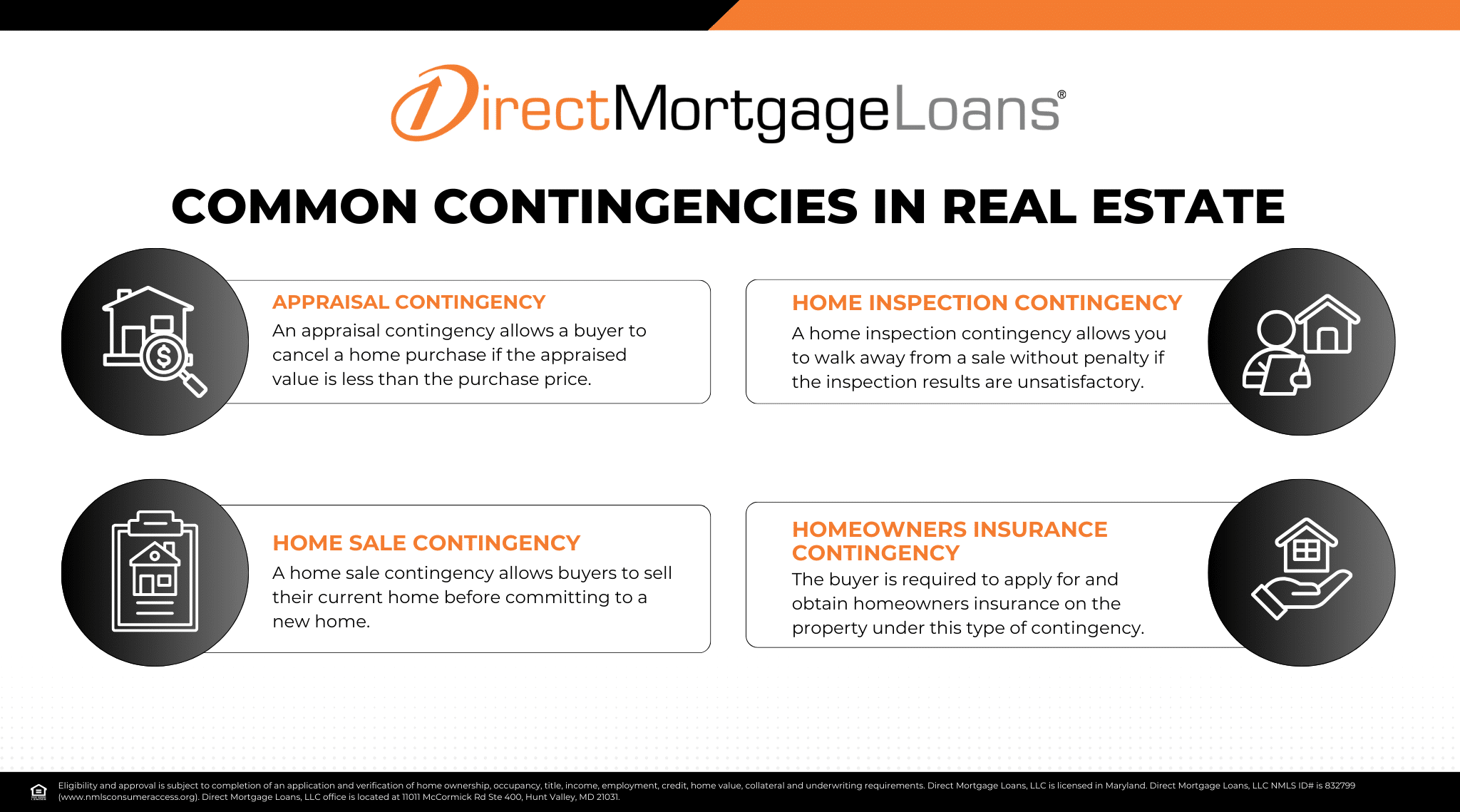
For an investor, the value of an asset must align with the price paid. The appraisal contingency ensures that a third-party professional evaluates the home’s market value. Lenders will only provide financing up to a certain percentage of the appraised value (Loan-to-Value ratio). If the appraisal comes in lower than the purchase price, a “valuation gap” is created. The appraisal contingency allows the buyer to renegotiate the price, cover the gap with additional cash, or exit the deal. This prevents the buyer from over-leveraging themselves on an underperforming asset.
The Inspection Contingency
Real estate is a physical asset subject to depreciation and unforeseen liabilities. The inspection contingency allows a buyer to hire professionals to assess the HVAC, roofing, plumbing, and structural integrity of the building. From a financial standpoint, this is a risk-mitigation strategy. Discovering a $30,000 foundation issue during the contingent period allows the buyer to demand repairs, ask for a price reduction (a “credit”), or cancel the contract. This prevents an unexpected drain on the buyer’s cash reserves immediately after closing.
Secondary Contingencies and Their Impact on Portfolio Liquidity

Beyond the standard protections, there are specific clauses that address the broader financial circumstances of the parties involved. These are often used by seasoned investors or families managing multiple properties.
The Home Sale Contingency
This clause is a common tool for buyers who are “asset rich but cash poor.” It states that the purchase of the new home is dependent on the successful sale and closing of the buyer’s current residence. From a liquidity perspective, this is crucial. It ensures the buyer does not end up owning two mortgages simultaneously, which could severely strain their monthly cash flow and increase their debt profile. While this makes an offer less attractive to a seller in a competitive market, it is a premier risk-management move for the buyer.
The Title Contingency
A “clean title” is a fundamental requirement for a secure investment. The title contingency allows the buyer’s legal team or a title company to review the history of the property to ensure there are no liens, unpaid taxes, or ownership disputes. If a “cloud” is found on the title—such as an unpaid contractor’s lien from five years ago—the seller must resolve it using their own capital before the sale can proceed. This protects the buyer from inheriting someone else’s financial liabilities.
The Financial Risks of Waiving Contingencies
In “hot” real estate markets, buyers often feel pressured to submit “clean” offers, which involves waiving some or all contingencies to appeal to the seller. While this can help secure a property in a bidding war, it carries immense financial risk that must be weighed against the potential ROI of the property.
The Danger to Earnest Money
When you waive a contingency, you are essentially making your earnest money non-refundable from day one. If you waive the financing contingency and your loan fails to close, the seller is legally entitled to keep your deposit. For a $500,000 home, an earnest money deposit of 3% represents $15,000. Losing this amount is a direct hit to one’s liquid net worth and can set back a financial plan by years.
Unforeseen Capital Expenditures
Waiving an inspection contingency is particularly dangerous for those with tight margins. If a buyer moves into a home and discovers a major environmental hazard or structural failure, they are 100% responsible for the costs. These “unforeseen cap-ex” (capital expenditures) can turn a profitable real estate investment into a net loss. Investors must ensure they have significant cash reserves if they choose the high-risk path of waiving contingencies.
Strategic Negotiation: Transitioning from Contingent to Closing
The goal of any real estate transaction is to move from a contingent state to a closed sale where the title is transferred and the asset begins to appreciate. Navigating this transition requires tactical financial negotiation.
Using Contingencies as Leverage
Contingencies are not just exit ramps; they are negotiation tools. If an inspection reveals a roof nearing the end of its life, a buyer can negotiate a “closing cost credit.” This means the seller contributes a portion of the sale proceeds toward the buyer’s closing costs, effectively keeping more cash in the buyer’s pocket at the time of purchase. This preserved liquidity can then be invested in a diversified portfolio or used for the actual repairs.
The Timeline of Contingency Removal
Every contract has a “contingency period,” usually lasting between 10 and 21 days. During this time, the buyer must actively “clear” or “waive” their contingencies in writing as they are satisfied. Managing this timeline is a critical task in financial project management. Missing a deadline could result in a “passive waiver,” where the buyer loses their right to back out, even if a problem is discovered later.
Finalizing the Investment
Once all contingencies are removed, the deal is legally “firm.” At this stage, the buyer’s risk is at its highest, but the path to asset ownership is clear. The final steps involve the transfer of the down payment and the signing of mortgage documents. By understanding and utilizing contingencies, the buyer ensures that when they finally reach the closing table, they are purchasing an asset whose value and condition are fully understood, and whose financing is secure.
In conclusion, “contingent” in real estate is a term of protection. For the savvy individual focused on money management and wealth building, these clauses are the primary defense against market volatility and physical property risks. By mastering the nuances of financing, appraisal, and inspection contingencies, a buyer transforms a stressful purchase into a calculated and secure financial move.
aViewFromTheCave is a participant in the Amazon Services LLC Associates Program, an affiliate advertising program designed to provide a means for sites to earn advertising fees by advertising and linking to Amazon.com. Amazon, the Amazon logo, AmazonSupply, and the AmazonSupply logo are trademarks of Amazon.com, Inc. or its affiliates. As an Amazon Associate we earn affiliate commissions from qualifying purchases.