
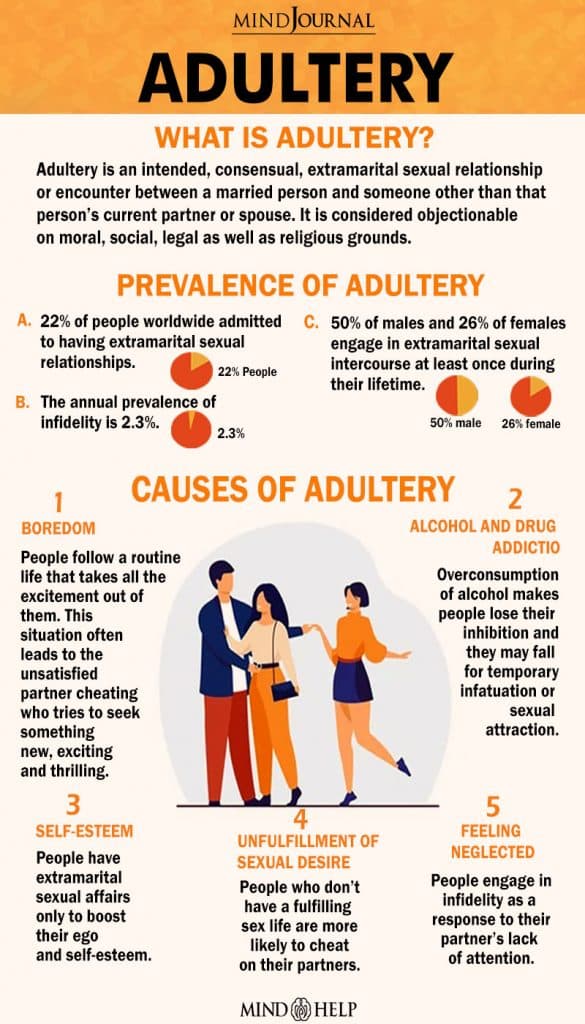
The concept of adultery, or infidelity, is as old as human relationships themselves, yet its definition and implications continue to evolve, shaped profoundly by societal norms, legal frameworks, and increasingly, by the pervasive influence of technology, personal branding, and financial considerations. At its core, committing adultery traditionally signifies engaging in sexual intercourse with someone other than one’s spouse, thereby breaking the vows and exclusive trust inherent in a marriage. It is a breach of covenant, a profound violation of trust that has emotional, social, and often, significant legal and financial repercussions. However, in our interconnected, digitally driven world, understanding “what committing adultery means” requires a broader lens, encompassing emotional fidelity, digital interactions, and the ripple effects on an individual’s reputation and economic stability.
Defining Adultery in the Modern Context
The traditional understanding of adultery is rooted in physical intimacy outside of a marital or committed relationship. This act is almost universally seen as a betrayal, fundamentally undermining the exclusivity and trust that are cornerstones of such unions. Historically, and in some cultures even today, adultery carried severe social stigmas, legal penalties, and moral condemnation. It often served as grounds for divorce, and in some religious or legal systems, the consequences could be devastating for the accused party, particularly women.
The Traditional View and Its Evolution
Historically, the definition of adultery was quite rigid, focusing explicitly on sexual intercourse. This narrow interpretation was often linked to lineage, property rights, and the legitimacy of heirs. In many legal systems, the act had to be proven physically for legal action, such as divorce, to proceed on grounds of fault. However, modern society, particularly in Western cultures, has seen a softening of some of these rigid interpretations, moving towards a more nuanced understanding of marital fidelity. While physical intimacy remains a primary component of the definition, the emotional and psychological dimensions of betrayal have gained increasing prominence.
The evolution of societal norms has led to a broader acceptance that infidelity isn’t solely physical. The concept of “emotional affairs,” where one partner develops a deep emotional or intimate connection with someone outside the marriage, is now widely recognized as a form of adultery or infidelity, even if it doesn’t involve sexual contact. This shift acknowledges that the damage caused by emotional betrayal can be as profound, if not more so, than a purely physical encounter, as it often involves sharing vulnerabilities, intimate thoughts, and time that traditionally belong within the primary relationship.
Beyond the Physical: Emotional and Digital Infidelity
The digital age has further complicated the definition, introducing the concept of “digital infidelity.” With the proliferation of social media, dating apps, messaging platforms, and virtual reality environments, the boundaries of fidelity have become increasingly blurred. What constitutes an affair when interactions can occur entirely online, with no physical proximity?
Digital infidelity can manifest in various ways:
- Flirtatious messaging or explicit photo exchanges with someone other than one’s partner.
- Secret online relationships, where individuals develop deep emotional and sometimes sexual connections through text, video calls, or virtual platforms.
- Using dating apps while in a committed relationship, even if no physical meeting occurs.
- Consuming pornography in a way that prioritizes it over a partner or develops into an emotional attachment to fictional characters or performers.
These forms of digital interaction, while not always involving physical contact, can violate the trust and exclusivity of a relationship just as profoundly as physical adultery. They consume time, emotional energy, and attention that are diverted from the primary partnership, often leading to feelings of betrayal, jealousy, and insecurity. The ease with which such connections can be formed and maintained discreetly online presents a new frontier in the landscape of infidelity, challenging traditional definitions and forcing couples to negotiate new boundaries for digital conduct.
The Technological Undercurrents of Modern Adultery
The rise of technology has fundamentally reshaped how infidelity is both committed and discovered. It has provided unprecedented tools for discreet communication, enabling emotional and sexual connections to flourish outside the primary relationship with relative ease. Simultaneously, technology leaves a digital footprint, offering new avenues for detecting and proving infidelity.
Digital Trails and the Unmasking of Infidelity
Every interaction online leaves a trace. From message histories on encrypted apps to location data on smartphones, social media activity, and browser histories, technology generates a continuous stream of personal data. This “digital trail” can become a powerful tool in uncovering infidelity. Spouses or partners, suspecting an affair, may turn to digital forensics to find evidence. This could involve:
- Accessing phone records or messaging apps: While privacy is paramount, in cases of suspected infidelity, partners may seek access to digital communications. Specialized software can even recover deleted messages or files.
- GPS tracking and location history: Many apps and devices record location data, which can reveal secret rendezvous.
- Monitoring social media activity: Changes in posting habits, hidden profiles, or suspicious interactions can raise red flags.
- Cloud storage and shared devices: Access to shared accounts or devices can reveal hidden files, photos, or documents related to an affair.
AI tools are also beginning to play a role. While not yet mainstream for infidelity detection, AI algorithms can analyze communication patterns, identify unusual activity, or even process vast amounts of data to flag potential discrepancies that human eyes might miss. The tension between digital privacy and the desire for truth in relationships is a significant ethical challenge in this landscape.
The Double-Edged Sword of Connectivity: Facilitating and Exposing
Technology acts as a double-edged sword when it comes to infidelity. On one hand, it lowers the barrier to entry for developing illicit connections. Dating apps specifically cater to married individuals seeking extramarital affairs, while social media platforms offer vast networks for reconnecting with old flames or meeting new people. The anonymity and perceived distance of online interactions can embolden individuals to engage in behaviors they might never consider offline. Encrypted messaging apps allow for discreet communication, and the ability to conduct an entire emotional or sexual affair virtually means physical proximity is no longer a prerequisite.
On the other hand, the very tools that facilitate infidelity also make it easier to expose. The pervasive nature of digital footprints means that secrets are harder to keep. A misplaced phone, an unclosed browser tab, or a forgotten password can reveal a hidden world. Tutorials for uncovering digital evidence are readily available, and a growing market for apps and services exists to help individuals monitor their partners’ digital activities (though often with significant ethical and legal implications). This constant digital presence creates a state where both the temptation for and the risk of exposure of infidelity are heightened, fundamentally altering the dynamics of trust and secrecy within relationships.
Privacy, Security, and the Digital Investigator
The discussion around digital infidelity inevitably leads to questions of privacy and digital security. While an individual has a right to privacy, the context of a committed relationship often implies a certain level of transparency, especially regarding interactions that could betray trust. The use of digital security measures, such as strong passwords, biometric locks, and end-to-end encryption, is essential for personal data protection. However, when infidelity is suspected, these same tools can be viewed as barriers by a suspicious partner, leading to attempts to bypass them.
This can escalate into privacy invasions, such as installing spyware, hacking into accounts, or secretly tracking location. Such actions raise serious ethical and legal concerns, potentially violating privacy laws and eroding the remnants of trust. The rise of digital security knowledge and tools means individuals might employ more sophisticated methods to conceal their activities, while others might use equally sophisticated methods to uncover them, turning personal relationships into digital cat-and-mouse games.
Adultery’s Impact on Brand and Reputation
Beyond the deeply personal pain and emotional fallout, committing adultery carries significant external consequences, particularly concerning an individual’s personal brand and reputation. In an era where personal and professional lives are increasingly intertwined, and information spreads rapidly, an act of infidelity can have far-reaching effects on one’s social standing, career, and even a corporation’s public image.
Personal Branding in the Crosshairs
Every individual, whether consciously or not, cultivates a personal brand – the perception others have of them based on their actions, values, and public persona. For public figures, executives, politicians, and even individuals in smaller communities, an accusation or proven act of adultery can severely damage this personal brand. The media, both traditional and social, often sensationalizes such events, leading to swift and widespread condemnation.
The fallout can include:
- Loss of credibility: Adultery is often seen as a sign of dishonesty and unreliability, which can translate into a loss of trust in professional settings.
- Reputational damage: The individual may be branded as untrustworthy, immoral, or selfish, leading to social ostracization or professional setbacks.
- Career repercussions: For those in roles requiring public trust or moral authority (e.g., religious leaders, educators, certain corporate positions), infidelity can lead to dismissal, forced resignation, or the inability to advance.
- Erosion of public image: This is particularly true for celebrities or politicians whose public image is carefully constructed around family values and integrity.

Rebuilding a damaged personal brand after an infidelity scandal is an arduous process, requiring genuine remorse, a period of public withdrawal, and consistent efforts to demonstrate changed behavior and regain trust. It’s a strategic undertaking akin to corporate brand crisis management.
Corporate Reputation: When Personal Becomes Professional
The personal actions of key individuals, especially those in leadership roles, can significantly impact a corporate identity and brand reputation. When an executive, founder, or prominent employee of a company is involved in an adultery scandal, the fallout can extend beyond the individual to the organization itself.
- Association with scandal: The company may be negatively associated with the perceived moral failing of its leader, leading to a tarnished brand image.
- Investor and stakeholder concern: Investors might question the judgment and stability of leadership, potentially affecting stock prices or investment opportunities.
- Employee morale and trust: Employees may lose faith in leadership, impacting internal culture, productivity, and retention.
- Public backlash and boycotts: Consumers, particularly those who value corporate ethics, might withdraw their business or support, leading to financial losses.
Companies often have robust brand strategy teams dedicated to protecting their corporate identity. When a personal scandal of a key figure erupts, these teams must engage in crisis communication, damage control, and often, swift action (such as executive resignations) to distance the company from the individual’s actions and protect its brand values. The challenge lies in managing the perception that an individual’s personal failing reflects a broader cultural or ethical issue within the organization.
Rebuilding Trust: A Brand Strategy for Relationships
The concept of trust is central to both strong brands and resilient relationships. Just as a brand builds trust with its consumers through consistent quality and ethical behavior, individuals build trust with their partners through honesty, loyalty, and fidelity. Adultery represents a catastrophic breach of this fundamental trust.
From a “brand” perspective for a relationship, rebuilding trust after infidelity involves:
- Acknowledgement and Accountability: The unfaithful partner must take full responsibility for their actions, without blame or excuses.
- Transparency: A willingness to be open, answer difficult questions, and provide reassurance (sometimes involving digital transparency).
- Consistent Behavior: Demonstrating a sustained commitment to fidelity and rebuilding the relationship over time.
- Professional Support: Engaging therapists or counselors can be seen as a “brand consultancy” for the relationship, providing tools and strategies for repair.
Rebuilding trust in a relationship, much like revitalizing a damaged brand, is a long-term strategy that requires patience, genuine effort, and a clear understanding of the values that were compromised. It’s about restoring belief in the “product” – the relationship itself – after its core promise has been broken.
The Financial Reckoning of Adultery
Beyond the emotional and reputational costs, committing adultery often comes with a significant financial price tag. These costs can range from immediate expenses to long-term financial restructuring, impacting personal finance, investing strategies, and even business stability.
The Tangible Costs: Divorce, Assets, and Support
In many jurisdictions, adultery can be a factor in divorce proceedings, potentially influencing the division of assets, alimony (spousal support), and child support. While some “no-fault” divorce laws minimize its impact, fault-based divorces or specific legal precedents can hold the unfaithful party financially accountable.
- Divorce Proceedings: Legal fees for divorce can be substantial, and if adultery is contested or used as leverage, these costs can skyrocket due to increased litigation.
- Asset Division: While not always punitive, some courts may consider marital misconduct when dividing assets, potentially resulting in a less favorable outcome for the unfaithful spouse.
- Alimony/Spousal Support: In certain cases, adultery can impact the amount or duration of alimony, with the “innocent” spouse sometimes receiving more support or the “guilty” spouse receiving less.
- Child Support: While child support is primarily based on parental income and the child’s needs, the emotional distress caused by adultery can sometimes lead to requests for additional provisions or affect custody arrangements, which have financial implications.
- Separate Households: The immediate cost of setting up a separate residence, often duplicated expenses, can be a heavy financial burden.
These direct financial costs can deplete savings, impact investment portfolios, and necessitate significant adjustments to personal financial planning.
Hidden Financial Lives and Their Consequences
Committing adultery often involves maintaining a hidden financial life. This can include:
- Secret Bank Accounts or Credit Cards: Used to fund clandestine dates, gifts, travel, or even to support a secondary relationship.
- Misappropriation of Joint Funds: Drawing from shared accounts without a partner’s knowledge to cover expenses related to the affair.
- Deception in Business Expenses: Claiming personal expenses related to an affair as legitimate business costs, which can have legal and tax repercussions.
- Online Income / Side Hustles (Misused): While side hustles are generally positive, individuals might use platforms for discreet online income generation (e.g., camming, escort services) to fund an affair or engage in activities that constitute digital infidelity. Alternatively, the financial stress of an affair or impending divorce can drive individuals to seek additional online income to cover rising costs.
When these hidden financial activities come to light, they not only expose the infidelity but can also lead to accusations of fraud, financial mismanagement, and a complete breakdown of trust, further complicating divorce settlements and asset division. Financial tools, such as joint bank statements, credit reports, and tax documents, can become critical forensic evidence in uncovering these hidden financial lives.
The Economic Ripple Effect: From Personal to Business
The financial repercussions of adultery can extend beyond the personal realm and affect business finance, especially for entrepreneurs, small business owners, or partners in a firm.
- Impact on Business Valuations: In divorces involving business owners, personal assets are often intertwined with business assets. An infidelity-driven divorce can trigger complex and costly business valuations, potentially forcing the sale or restructuring of the company.
- Loss of Productivity: The emotional toll of an affair and subsequent discovery can lead to decreased productivity, absenteeism, and an inability to focus on work, impacting business performance.
- Investor Relations and Partnerships: If a business partner or investor discovers an affair, it can erode trust in leadership, jeopardize investments, or strain professional relationships, particularly if the affair causes public scandal or financial instability.
- Loan and Credit Implications: A messy divorce, especially one involving asset division and legal fees, can negatively impact an individual’s credit score or ability to secure business loans, affecting future growth and investment.
The interconnectedness of personal and business finance means that the decision to commit adultery can have far-reaching economic consequences, impacting not just individual wealth but also the stability and future prospects of associated businesses.
Navigating the Complexities: Prevention and Recovery
Understanding what committing adultery means today involves acknowledging its evolving definition, the role of technology in both facilitating and exposing it, and its significant impact on personal brand and financial well-being. Preventing infidelity in a digitally saturated world requires proactive effort and open communication within relationships.
Building Resilient Relationships in a Connected World
Prevention largely revolves around fostering strong, trusting relationships. This includes:
- Open Communication: Regularly discussing expectations around fidelity, digital boundaries, and emotional needs.
- Prioritizing the Relationship: Actively investing time, energy, and emotional intimacy into the primary partnership.
- Digital Ethics: Agreeing on acceptable digital behavior, transparency regarding online interactions, and respecting each other’s digital privacy while maintaining accountability.
- Professional Support: Seeking couples counseling proactively to address issues before they escalate.

Digital Ethics and Personal Accountability
For individuals, personal accountability is paramount. This involves making conscious choices about digital interactions, understanding the potential for emotional and physical betrayal, and respecting the boundaries of one’s committed relationship. It means recognizing that even seemingly innocuous online interactions can cross lines and erode trust.
When adultery does occur, the path to recovery, if chosen, is arduous. It demands radical honesty, profound empathy, and often, professional intervention to navigate the complex emotional, psychological, and practical fallout. Whether a relationship ultimately survives or dissolves, the journey highlights the enduring significance of fidelity, trust, and integrity in human connections, profoundly impacted by the modern landscape of tech, brand, and money.
aViewFromTheCave is a participant in the Amazon Services LLC Associates Program, an affiliate advertising program designed to provide a means for sites to earn advertising fees by advertising and linking to Amazon.com. Amazon, the Amazon logo, AmazonSupply, and the AmazonSupply logo are trademarks of Amazon.com, Inc. or its affiliates. As an Amazon Associate we earn affiliate commissions from qualifying purchases.