
The color green, often associated with nature and growth, holds a rich tapestry of symbolic meaning within the Bible. From the lush greenery of Eden to the prophetic visions of a renewed earth, green consistently signifies life, hope, renewal, and divine blessing. This article will explore the multifaceted significance of the color green in biblical narratives, theology, and symbolism, demonstrating its enduring presence as a powerful metaphor for God’s faithfulness and the promise of eternal life.
The Genesis of Green: Life, Creation, and the Garden of Eden
The very first mentions of green in the Bible are intrinsically linked to the creation narrative and the foundational concept of life. Genesis 1:11-12 immediately establishes green as the color of vibrant, abundant life:
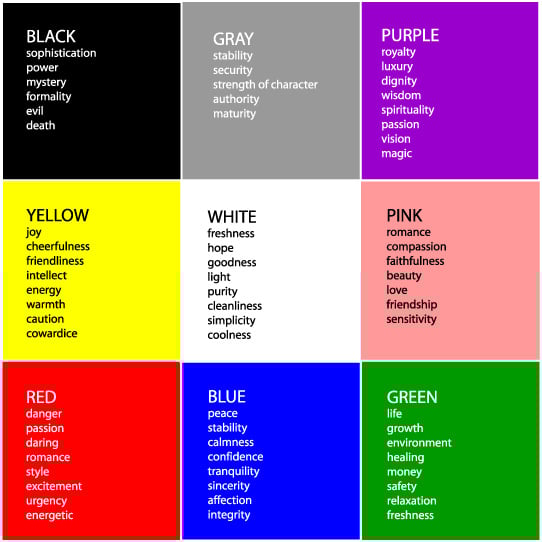
Verdant Earth: God’s Creative Flourishing
“Then God said, ‘Let the land produce vegetation: seed-bearing plants and trees on the land that bear fruit with seed in it, according to their kinds.’ And it was so. The land produced vegetation: plants bearing seed according to their kinds and trees bearing fruit with seed in it according to their kinds. God saw that it was good.”
This initial depiction of a green earth sets the stage for the color’s enduring association with fertility, growth, and the thriving abundance of God’s creation. The “vegetation” and “plants bearing seed” are inherently green, embodying the very essence of life’s perpetuation. This imagery underscores that from the outset, green was a visual representation of God’s provision and the flourishing potential He embedded in the natural world. It’s not just about existence; it’s about flourishing, about the dynamic process of life unfolding.
The Garden of Eden: A Paradise of Green Abundance
The Garden of Eden, the quintessential paradise, is painted with the hues of green. While specific descriptions of its color palette are sparse, the inherent nature of a garden—a place of lush vegetation, fruit-bearing trees, and abundant life—implies a dominant presence of green. This green symbolizes not only physical sustenance but also the perfect harmony and spiritual purity that existed before the Fall. The unblemished nature of Eden, a place of communion with God, is intrinsically tied to its verdant splendor. This greenness represents a state of grace, unmarred by decay or death, a perfect manifestation of God’s creative intent for humanity and the world. It is a foreshadowing of the spiritual abundance and peace that believers can find in communion with God.
Green as a Symbol of Renewal, Healing, and Hope
Beyond its association with creation, green in the Bible also represents the powerful concepts of renewal, healing, and the enduring nature of hope. These themes are particularly evident in passages dealing with judgment, restoration, and the promise of a redeemed future.
The Sprig of Hope: Jeremiah’s Prophecy
The prophet Jeremiah vividly uses the image of green to convey a message of hope amidst desolation. In Jeremiah 33:15, God promises a future restoration:
“In those days and at that time I will make a righteous Branch sprout from David’s line; he will do what is just and right in the land.”

While the word translated as “Branch” can also be rendered as “sprout” or “shoot,” the underlying imagery is one of green, vibrant new growth emerging from what appears to be dead or barren ground. This “righteous Branch” refers to the Messiah, Jesus Christ, whose coming would bring about a spiritual renewal and a new covenant. The emergence of this green sprout symbolizes the promise of life overcoming death, of hope triumphing over despair. It’s a potent visual of resurrection and the enduring power of God’s promises, even in the bleakest of circumstances. This imagery resonates with the understanding that God’s plans for His people are not subject to permanent destruction, but to ultimate restoration and flourishing.
The Cedar of Lebanon: Strength and Righteousness
The cedar tree, often described in biblical texts, is inherently green and symbolizes strength, uprightness, and divine favor. Psalm 92:12-13 states:
“The righteous will flourish like a palm tree, they will grow like a cedar of Lebanon; planted in the house of the LORD, they will flourish in the courts of our God.”
The enduring greenness and robust stature of the cedar represent the stability and lasting prosperity of those who are righteous and rooted in God. This association suggests that a life lived in accordance with God’s will is characterized by a continuous, vibrant spiritual health, much like the ever-green cedar. The greenness here is not just about life, but about a resilient, unyielding life that withstands the tests of time and adversity. It’s a picture of spiritual vitality and enduring faith.
Green in Prophecy and Eschatology: The Promise of a Restored Creation
The symbolism of green extends into prophetic visions of the future, particularly in the eschatological hope for a renewed earth. These passages paint a picture of a restored creation where the vibrancy of green signifies a return to God’s original perfect design.
The New Jerusalem: A River of Life
The Book of Revelation, with its rich symbolic language, offers a glimpse of the ultimate restoration of God’s creation. Revelation 22:1-2 describes the New Jerusalem:
“Then the angel showed me the river of the water of life, bright as crystal, flowing from the throne of God and of the Lamb down the middle of the great street of the city. On either side of the river was the tree of life, bearing twelve crops of fruit, yielding a fruit each month; and the leaves of the tree were for the healing of the nations.”
While not explicitly stating “green,” the “tree of life” bearing fruit and its “leaves for the healing of the nations” strongly evokes the image of vibrant, life-giving greenery. The river of life itself, often depicted as clear and pure, flows through a landscape that is inherently life-affirming. This imagery suggests a return to a state of perfect health and abundance, where life flourishes without end, and where the restorative power of God is ever-present, symbolized by the omnipresent greenery. This is the ultimate greenness – the assurance of eternal life and perfect communion with God.
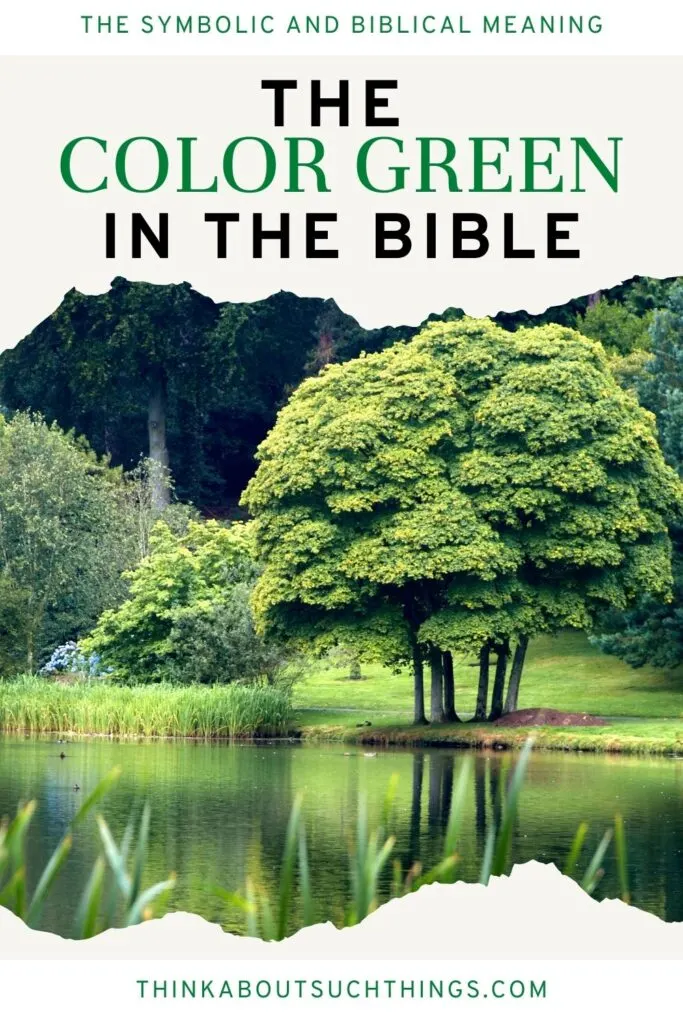
The Abundance of God’s Kingdom
The overarching theme of green in the Bible is its profound connection to God’s provision, His faithfulness, and the ultimate triumph of life over death. From the initial greenness of creation to the prophetic visions of a restored earth, the color serves as a constant reminder of God’s sustaining power and the eternal hope He offers to humanity. It is a symbol of the flourishing life that is possible when humanity is in harmony with its Creator, a life characterized by peace, prosperity, and unending spiritual renewal.
In conclusion, the color green in the Bible is far more than just an aesthetic choice; it is a profound theological symbol. It whispers of God’s creative power, His unwavering promise of renewal, and the ultimate hope for a redeemed and vibrant creation. Understanding these biblical meanings allows us to appreciate the depth of symbolism woven into scripture, offering a richer understanding of God’s relationship with His people and His enduring love for all of creation.
aViewFromTheCave is a participant in the Amazon Services LLC Associates Program, an affiliate advertising program designed to provide a means for sites to earn advertising fees by advertising and linking to Amazon.com. Amazon, the Amazon logo, AmazonSupply, and the AmazonSupply logo are trademarks of Amazon.com, Inc. or its affiliates. As an Amazon Associate we earn affiliate commissions from qualifying purchases.