
The term “cold press juicer” has become increasingly prevalent in health and wellness circles, often associated with superior nutritional benefits and higher quality juice. But what exactly does this method entail, and how does it differ from conventional juicing? Understanding the “cold press” mechanism is crucial for anyone seeking to maximize the nutritional value and flavor of their homemade beverages. This article delves into the technology behind cold press juicing, its distinct advantages, and the sophisticated engineering that sets these appliances apart.
The Technological Foundation of Cold Press Juicing
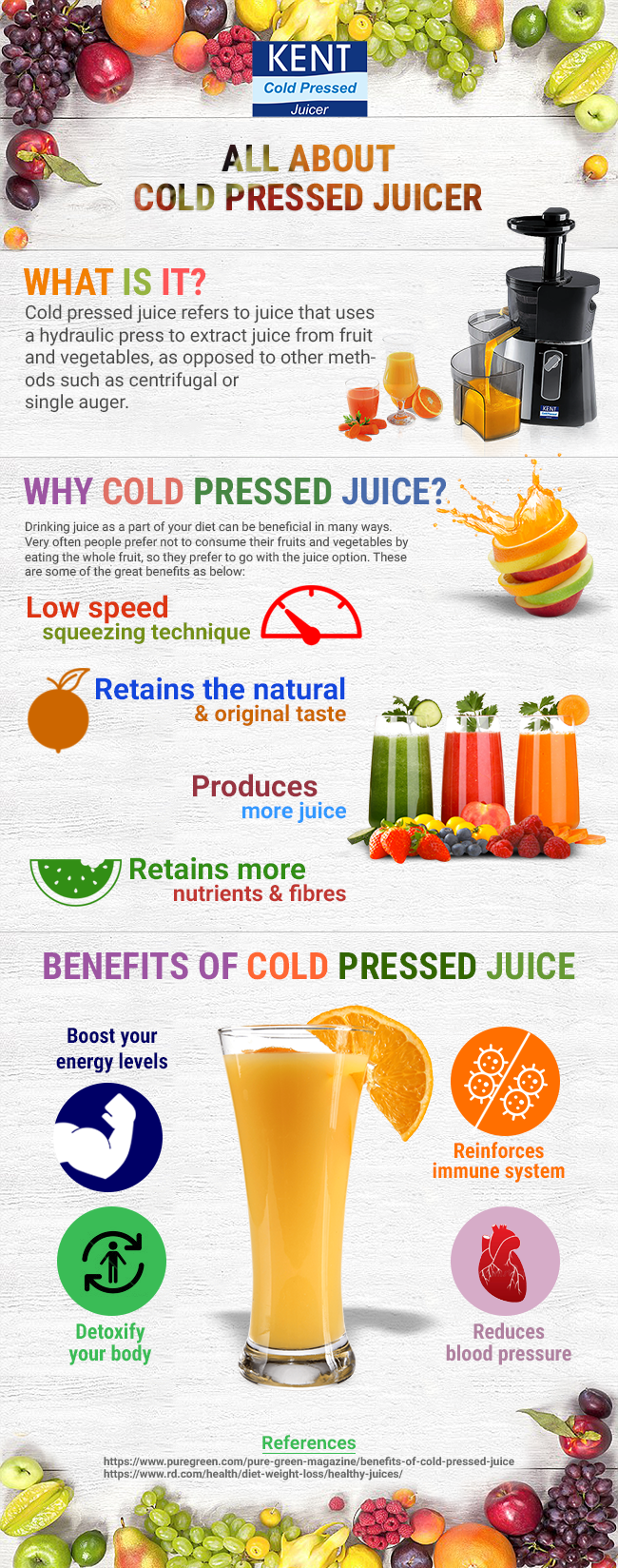
At its core, cold press juicing, also known as masticating juicing, is a process that utilizes a slow-moving auger (or a set of gears) to grind and press fruits and vegetables against a sieve or mesh. This method extracts juice without generating significant heat, hence the “cold press” designation. This contrasts sharply with centrifugal juicers, which use high-speed blades to shred produce and separate juice through centrifugal force. The technological distinction lies in the mechanics of extraction and the resulting impact on juice quality.
The Masticating Auger: The Heart of the Machine
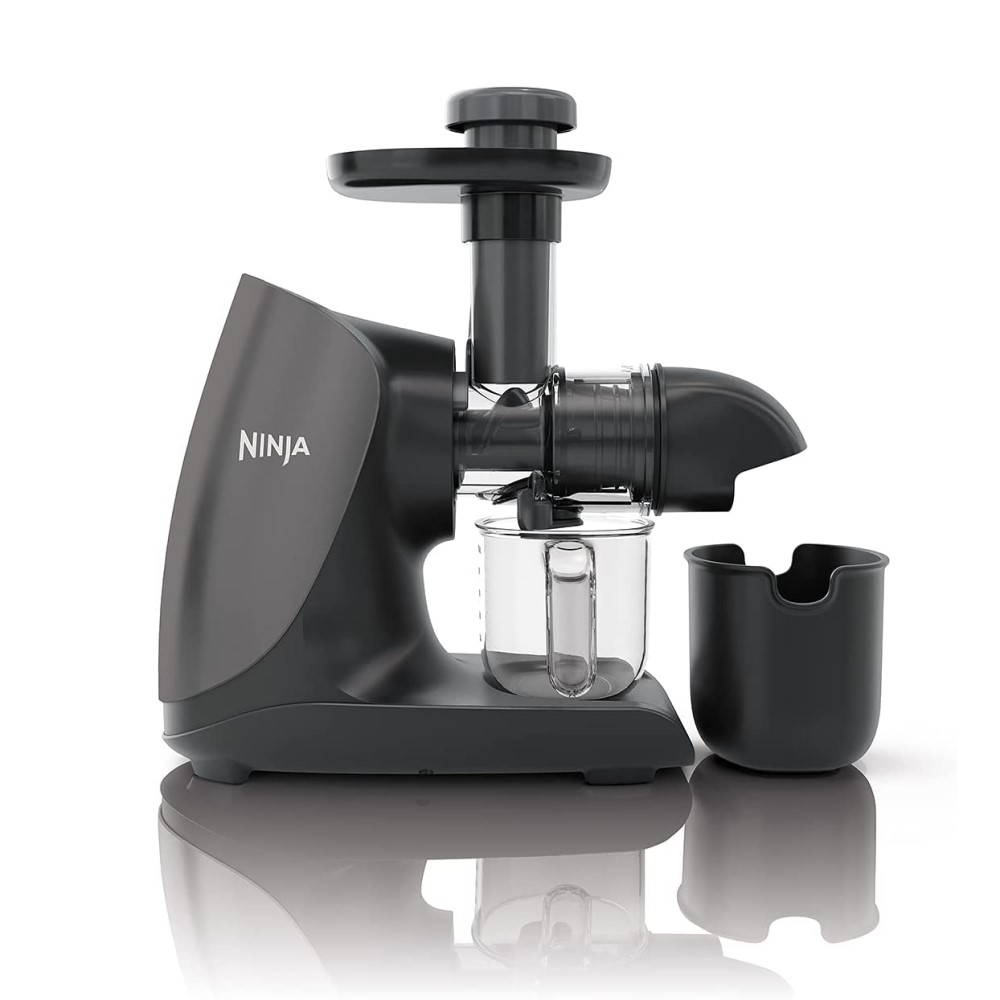
The primary technological component of a cold press juicer is the auger. This is typically a screw-like mechanism, often made of durable materials like BPA-free plastic or stainless steel. As the auger rotates at a slow speed – usually between 40 to 120 revolutions per minute (RPM) – it effectively breaks down the cellular structure of the produce. This gentle grinding action allows for a more thorough extraction of juice from the pulp. The slow speed is paramount; it minimizes friction and heat buildup, which is critical for preserving the delicate enzymes, vitamins, and antioxidants present in the fruits and vegetables.
The Importance of Slow Speed Extraction
The technological advantage of slow speed extraction cannot be overstated. High-speed centrifugal juicers, while faster, generate heat due to the rapid rotation of their blades. This heat can degrade heat-sensitive nutrients like Vitamin C and certain enzymes. Furthermore, the high speed can introduce more oxygen into the juice, leading to faster oxidation and a shorter shelf life, as well as potential changes in flavor and color. Cold press juicers, by operating at a much lower RPM, mitigate these issues. This slower, more deliberate approach ensures that the juice retains a higher concentration of its original nutritional profile and offers a fresher, more vibrant taste.
Sophisticated Filtration and Pulp Separation
Beyond the auger, cold press juicers employ sophisticated filtration systems. As the auger presses the produce, the resulting pulp and juice mixture is forced through a fine mesh or sieve. This mesh allows the liquid juice to pass through while retaining the solid pulp. The design of this mesh is a key technological feature, engineered to effectively separate the juice without creating excessive back-pressure or leaving too much moisture in the pulp. Some higher-end models may even offer interchangeable sieve types, allowing users to customize the texture of their juice, from very smooth to slightly pulpier. The efficiency of this separation directly impacts the yield of juice, making the design of the sieve a critical technological element.
The Technological Superiority for Nutritional Preservation
The technological design of cold press juicers is specifically engineered to optimize the nutritional content of the extracted juice. This focus on preservation sets them apart from less advanced juicing technologies and directly translates into tangible health benefits for the consumer.
Preserving Heat-Sensitive Nutrients and Enzymes
Fruits and vegetables are rich in vital nutrients and enzymes that are crucial for bodily functions and overall health. Many of these compounds, particularly certain vitamins (like Vitamin C and some B vitamins) and enzymes, are sensitive to heat and oxidation. The low-speed, low-heat extraction process of cold press juicers ensures that these delicate nutrients are not destroyed or significantly diminished. Centrifugal juicers, with their high-speed blades, can generate enough heat to denature these valuable components. By preserving the integrity of these nutrients, cold press juice offers a more potent and bioavailable source of vitamins, minerals, and antioxidants. This technological approach to extraction is what allows cold press juices to be marketed as “living” or “vital” juices.
Minimizing Oxidation for Longer Shelf Life and Better Flavor
Oxidation is a natural process that occurs when juice is exposed to air. This process can degrade both the nutritional content and the flavor of the juice. The slow, steady pressing action of a cold press juicer minimizes the introduction of air into the juice compared to the violent churning action of a centrifugal juicer. This reduced aeration means that cold pressed juice oxidizes much more slowly. As a result, cold pressed juice can typically be stored in an airtight container in the refrigerator for up to 48-72 hours with minimal loss of nutritional value and flavor degradation. Centrifugal juices, on the other hand, often need to be consumed immediately for optimal quality. This technological advantage in preserving freshness and flavor is a significant factor for consumers who may not drink their juice immediately after juicing.
Higher Yield and Drier Pulp
The masticating action of the auger in a cold press juicer is incredibly efficient at breaking down the cellular walls of produce. This thorough breakdown allows for a more complete extraction of juice, often resulting in a higher yield from the same amount of fruits and vegetables compared to centrifugal juicers. The pulp that is expelled from a cold press juicer is typically much drier, indicating that almost all the available liquid has been extracted. This technological efficiency not only maximizes the nutritional value derived from the produce but also makes the juicing process more economical in the long run, as you get more juice for your money. The design of the auger and the mesh works in tandem to achieve this superior extraction rate.
The Engineering Behind the Performance: Types of Cold Press Juicers
While the core principle of cold press juicing remains consistent, the technology has evolved, leading to different types of machines designed for specific needs and budgets. Understanding these variations helps consumers make informed decisions based on their juicing habits and preferences.
Single-Auger Juicers: The Popular Choice
Single-auger juicers are the most common type of cold press juicer found in home kitchens. They feature a single, powerful auger that rotates slowly to crush and press the produce. These machines are known for their efficiency, ability to juice a wide variety of fruits and vegetables (including leafy greens), and their relatively straightforward operation. The engineering here focuses on a robust motor, a durable auger, and an effective mesh design to deliver consistent results. Many single-auger models also come with attachments for making nut milks or sorbets, showcasing the versatility of the underlying technology. The compact design of many single-auger juicers also makes them a practical choice for smaller kitchens.
Twin-Gear Juicers: Maximum Efficiency and Versatility
Twin-gear juicers, also known as triturating juicers, employ two interlocking augers that rotate in opposite directions. This dual-action design is exceptionally effective at crushing and grinding produce, leading to an even more efficient juice extraction and drier pulp than single-auger models. The interlocking gears create a powerful crushing and squeezing action that breaks down fibrous vegetables like celery and kale with remarkable ease. This engineering marvel is particularly well-suited for juicing hard vegetables and fibrous greens. Twin-gear juicers are often considered the pinnacle of cold press juicing technology, offering superior yields and the ability to handle the toughest produce, though they are typically more expensive and larger than single-auger units.
Vertical vs. Horizontal Cold Press Juicers: Design and Functionality
Cold press juicers are also categorized by their orientation: vertical and horizontal. Vertical cold press juicers typically have the motor at the base and the auger positioned upright. This design often results in a smaller countertop footprint and can make feeding produce more intuitive, as gravity assists in pushing the ingredients down towards the auger. The engineering in vertical models focuses on optimizing the flow of produce and juice through the unit. Horizontal cold press juicers, on the other hand, have the auger positioned horizontally. This orientation is often preferred for its superior performance with leafy greens and wheatgrass, as the horizontal action can more effectively grab and process these fibrous ingredients. The engineering in horizontal models emphasizes the grinding and squeezing action for optimal extraction of these challenging items. While both designs achieve cold pressing, the specific mechanics of produce intake and processing can influence their effectiveness with different types of ingredients.
The Technological Advantages in Practice: Benefits for the Consumer
The technological innovations behind cold press juicers translate into a series of tangible benefits for the consumer, moving beyond mere theoretical advantages to practical improvements in health, taste, and efficiency.
Enhanced Nutritional Intake and Bioavailability
The primary benefit of cold press juicing lies in its ability to deliver a more nutrient-dense juice. By preserving vitamins, minerals, enzymes, and antioxidants that are often degraded by heat and oxidation in other juicing methods, cold press juice provides a superior source of nourishment. The slow extraction process ensures that these beneficial compounds remain intact, making them more readily available for the body to absorb and utilize. This heightened bioavailability means that consumers can potentially achieve greater health benefits from their juice intake, supporting immune function, energy levels, and overall well-being. The sophisticated engineering of these juicers is, in essence, a technology designed to unlock the full nutritional potential of produce.
Superior Taste and Texture
The absence of heat and excessive aeration in cold press juicing results in a juice that not only retains more nutrients but also tastes significantly better. The natural flavors of fruits and vegetables are preserved, leading to a more vibrant, pure, and less bitter taste profile. Furthermore, the efficient filtration and pulp separation contribute to a smoother, less fibrous texture, which many consumers find more palatable. This enhanced sensory experience makes drinking fresh juice a more enjoyable habit, encouraging consistent consumption and thereby maximizing the health benefits. The careful design of the auger and mesh screen directly influences the final texture and flavor profile.
Versatility and Efficiency in the Kitchen
Modern cold press juicers are technologically advanced appliances designed for ease of use and versatility. While they are inherently more complex than simple blenders, manufacturers have invested heavily in user-friendly interfaces, easy assembly, and straightforward cleaning procedures. Many models are also designed to handle a wide array of produce, from soft berries to hard root vegetables and fibrous leafy greens, often with minimal preparation. This versatility allows consumers to experiment with a vast range of juice recipes, catering to diverse dietary needs and taste preferences. The efficiency of extraction also means less waste, as the pulp is drier and the yield is higher, contributing to a more sustainable and economical approach to juicing. The engineering aims to balance powerful extraction with user convenience and minimal environmental impact.
aViewFromTheCave is a participant in the Amazon Services LLC Associates Program, an affiliate advertising program designed to provide a means for sites to earn advertising fees by advertising and linking to Amazon.com. Amazon, the Amazon logo, AmazonSupply, and the AmazonSupply logo are trademarks of Amazon.com, Inc. or its affiliates. As an Amazon Associate we earn affiliate commissions from qualifying purchases.