
Unpacking Cognition in the Digital Age
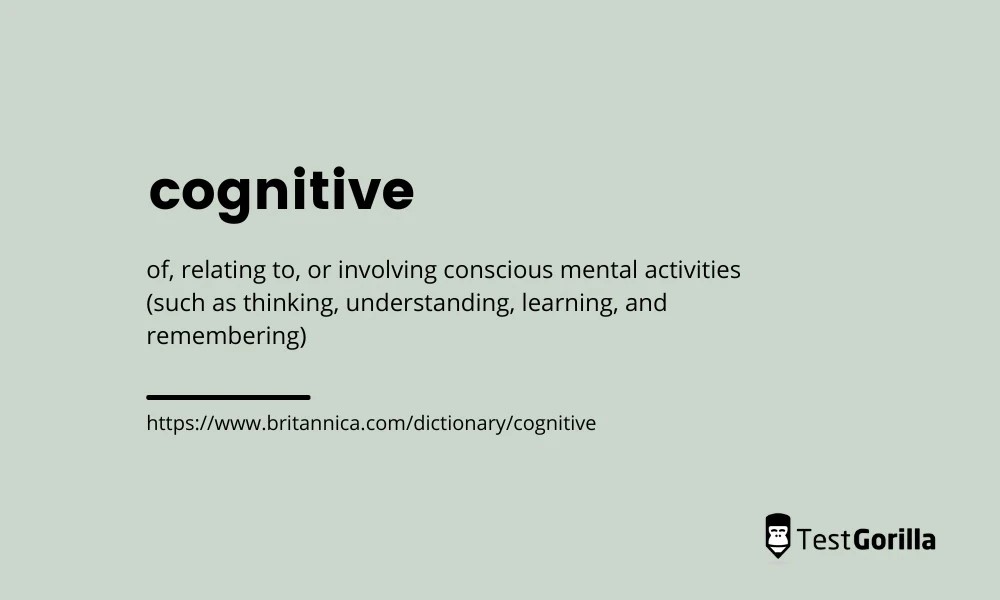
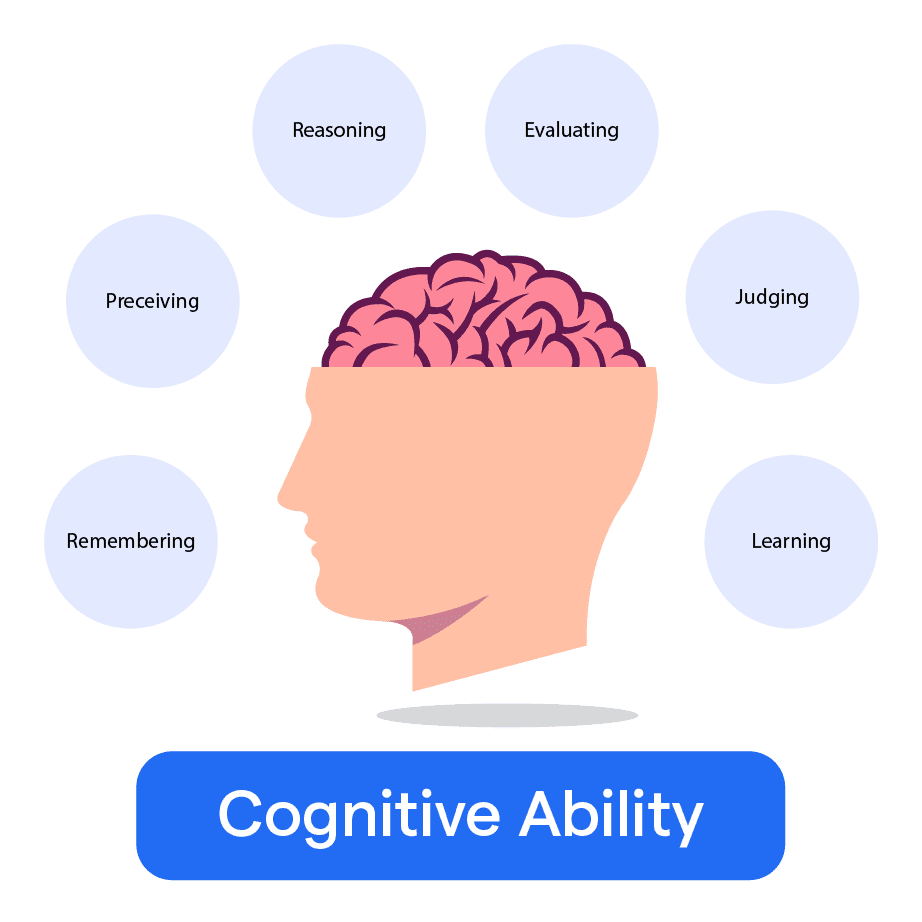
The term “cognitive” has permeated our technological lexicon, evolving from a strictly psychological concept to a cornerstone of artificial intelligence, software design, and human-computer interaction. At its core, “cognitive” refers to the mental processes involved in acquiring knowledge and understanding through thought, experience, and the senses. It encompasses a vast array of functions: thinking, knowing, remembering, judging, problem-solving, and decision-making. In the context of technology, the pursuit of “cognitive” capabilities often translates into building systems that can mimic, augment, or automate these complex human intellectual processes.
The Foundation of Human Cognition
To understand what cognitive means in technology, it’s crucial to first grasp its human origin. Our brains are sophisticated biological computers, constantly processing vast amounts of sensory input, forming memories, learning from experiences, and making inferences. This intricate web of activity allows us to navigate the world, interact with others, and solve novel problems. Key aspects include perception (interpreting sensory data), attention (focusing on relevant information), memory (encoding, storing, and retrieving data), language (understanding and generating communication), and executive functions (planning, problem-solving, and decision-making). The grand challenge for cognitive technology lies in translating these nuanced biological processes into algorithmic structures and computational models that machines can execute.
The Dawn of Cognitive Computing
The idea of machines performing cognitive tasks is not new, tracing back to early AI research. However, the term “cognitive computing” gained prominence as a paradigm shift from traditional programmed systems. Unlike rule-based software that simply executes pre-defined instructions, cognitive systems are designed to learn, reason, and interact more like humans. They are built to handle ambiguity, adapt to new information, and discover insights from unstructured data, which constitutes a significant portion of the world’s digital information. This involves a blend of advanced analytics, machine learning, natural language processing, and deep learning techniques, all aimed at creating systems that can “understand” and respond intelligently to complex inquiries and data sets. Early examples often focused on expert systems, but modern cognitive computing leverages massive data sets and computational power to achieve unprecedented levels of sophistication in tasks previously exclusive to human intellect.
Cognitive AI: Mimicking the Mind
Cognitive Artificial Intelligence (AI) represents the leading edge of this endeavor, striving to build systems that not only process information but also understand, reason, learn, and interact in ways that approximate human cognition. This isn’t about replicating human consciousness, but rather about developing algorithms and models that can perform specific cognitive functions with increasing autonomy and accuracy.
Machine Learning and Neural Networks
At the heart of much cognitive AI are machine learning algorithms, particularly deep learning models inspired by the structure and function of the human brain—artificial neural networks. These networks consist of interconnected “neurons” organized in layers, capable of learning patterns and representations directly from data. By processing vast datasets, neural networks can identify subtle correlations, classify information, and even generate new content. For instance, in image recognition, a neural network learns to distinguish between different objects by identifying features (edges, shapes, textures) much like a human visually processes the world. This ability to learn from experience, rather than explicit programming, is a fundamental cognitive trait that machine learning brings to AI.
Natural Language Processing and Understanding
One of the most significant advancements in cognitive AI lies in Natural Language Processing (NLP) and Natural Language Understanding (NLU). For machines to truly “think” or “understand,” they must be able to comprehend and interact in human language. NLP enables computers to process and analyze large amounts of natural language data, performing tasks like sentiment analysis, text summarization, and translation. NLU goes a step further, focusing on extracting meaning and context from text, understanding nuances, sarcasm, and ambiguity. Cognitive systems powered by NLU can interpret user queries, engage in meaningful conversations (as seen in advanced chatbots and virtual assistants), and even generate human-like text, demonstrating a rudimentary form of linguistic cognition. This capability is vital for interacting with users in a natural, intuitive way, moving beyond rigid command-line interfaces.
Computer Vision and Pattern Recognition
Another critical pillar of cognitive AI is computer vision, the field that enables computers to “see” and interpret visual information from the world. This involves algorithms that can acquire, process, analyze, and understand digital images and videos. Like human sight, computer vision systems perform tasks such as object detection, facial recognition, activity analysis, and scene understanding. Leveraging deep neural networks, these systems can learn to identify complex visual patterns, allowing for applications ranging from autonomous vehicles recognizing pedestrians and traffic signs to medical imaging analysis detecting abnormalities. The ability to perceive and make sense of the visual world is a complex cognitive skill that computer vision endeavors to replicate and often surpass in specific contexts.
The Impact of Cognitive Tech on Industries
The integration of cognitive technologies is profoundly reshaping various industries, moving beyond theoretical research into practical, impactful applications that drive efficiency, enhance decision-making, and personalize experiences.
Enhancing Decision-Making and Analytics
Cognitive systems excel at sifting through enormous volumes of data—structured and unstructured—to identify patterns, anomalies, and insights that would be imperceptible or too time-consuming for humans to uncover. In finance, cognitive platforms analyze market trends, news articles, and social media sentiment to inform investment strategies. In healthcare, they assist doctors in diagnosing diseases by cross-referencing patient symptoms with vast medical literature and patient records. These systems don’t replace human decision-makers but augment their capabilities, providing richer context and predictive analytics to support more informed and strategic choices. By automating data ingestion and preliminary analysis, cognitive AI frees human experts to focus on higher-level reasoning and nuanced interpretation.
Personalizing User Experiences
A key application of cognitive technology is the ability to create highly personalized and adaptive user experiences. By understanding individual user preferences, behaviors, and even emotional states (through sentiment analysis), cognitive systems can tailor content, recommendations, and interactions. Streaming services use cognitive algorithms to suggest movies and shows based on viewing history and explicit preferences. E-commerce platforms leverage them to recommend products, while adaptive learning platforms personalize educational content based on a student’s learning pace and style. This level of personalization fosters deeper engagement and satisfaction, making digital interactions feel more intuitive and relevant, mimicking a human’s ability to understand and cater to individual needs.
Driving Automation and Efficiency
Cognitive technologies are also at the forefront of driving automation across various sectors. Robotic Process Automation (RPA) combined with cognitive capabilities allows businesses to automate complex, knowledge-intensive tasks that traditionally required human intervention. This includes processing invoices, managing customer service inquiries (via intelligent chatbots), and automating IT support. By automating repetitive and rule-based tasks that also require some level of “understanding” or “judgment,” businesses can significantly reduce operational costs, minimize errors, and free up human employees to focus on more creative, strategic, and interpersonal work. From smart factories optimizing production lines to intelligent logistics systems routing deliveries, cognitive automation is making operations leaner and more responsive.
Ethical Considerations and the Future of Cognitive Technology
As cognitive technology continues its rapid advancement, it brings forth a new set of ethical considerations and challenges that demand careful attention and proactive solutions. The ability of machines to learn, reason, and make decisions necessitates a robust framework for accountability and responsible development.
Bias, Transparency, and Accountability
One of the most pressing ethical concerns revolves around bias. Cognitive systems learn from the data they are fed; if that data reflects existing societal biases (e.g., gender, racial, socioeconomic), the AI will perpetuate and even amplify those biases in its decisions. This can lead to unfair or discriminatory outcomes in areas like hiring, loan approvals, or even criminal justice. Ensuring fairness requires diverse, representative datasets and rigorous testing. Transparency, or the “explainability” of AI (XAI), is also critical. Understanding how a cognitive system arrived at a particular decision is crucial for trust and accountability, especially in high-stakes applications. Without transparency, it becomes difficult to identify and correct errors or biases, raising questions about who is responsible when AI makes a detrimental mistake.
The Symbiotic Relationship: Human and AI Cognition
Looking ahead, the future of cognitive technology is not one of human replacement, but rather of a deepening symbiotic relationship between human and AI cognition. Instead of simply automating tasks, cognitive AI is increasingly designed to act as an intelligent co-pilot, augmenting human capabilities. This means AI taking on routine analytical tasks, offering insights, and handling vast data processing, while humans focus on creativity, critical thinking, ethical judgment, and complex problem-solving that still elude machines.
For instance, in creative fields, AI can generate initial drafts or explore design variations, but human artists provide the vision and emotional depth. In medical diagnostics, AI flags potential issues, but human doctors make the final diagnosis and treatment plans, integrating empathy and contextual understanding. This partnership allows both humans and machines to operate at their respective strengths, leading to greater innovation, efficiency, and a more profound understanding of the world. The ongoing development will focus on creating more intuitive interfaces, refining AI’s ability to understand nuanced human intent, and establishing ethical guidelines that ensure cognitive technology serves humanity’s best interests.
aViewFromTheCave is a participant in the Amazon Services LLC Associates Program, an affiliate advertising program designed to provide a means for sites to earn advertising fees by advertising and linking to Amazon.com. Amazon, the Amazon logo, AmazonSupply, and the AmazonSupply logo are trademarks of Amazon.com, Inc. or its affiliates. As an Amazon Associate we earn affiliate commissions from qualifying purchases.