
The term “chrono” is a ubiquitous presence in the horological world, yet it is frequently misunderstood by casual observers and budding collectors alike. Derived from the Greek word chronos, meaning time, the prefix is the definitive hallmark of the chronograph—a device that functions as both a standard timepiece and a stopwatch. In the world of high-end horology and everyday watch culture, understanding what “chrono” implies is essential for appreciating the mechanical complexity, historical utility, and design significance that these watches bring to the wrist.
The Mechanical Essence of the Chronograph
At its core, a chronograph is not merely a watch that displays the time; it is an instrument designed to measure elapsed intervals. While a standard three-hand watch simply tracks the passage of hours, minutes, and seconds, a chronograph includes an independent system that can be started, stopped, and reset to zero. This functionality transforms the watch from a passive tool into an active piece of equipment.

The Mechanics of Measurement
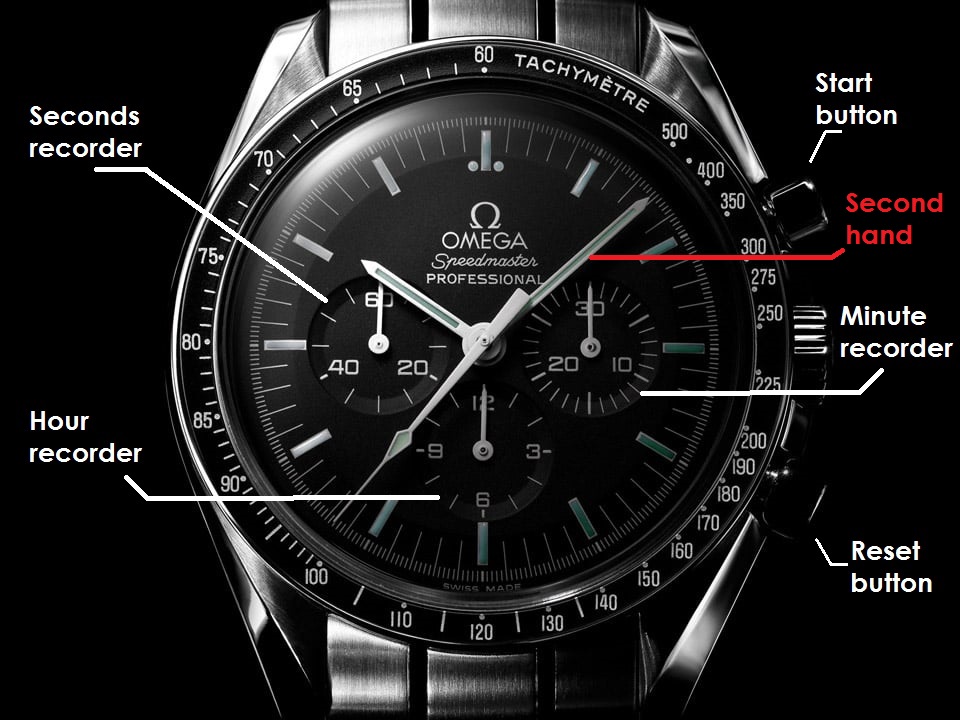
The magic of a chronograph lies in the coupling mechanism that connects the watch’s main movement to the stopwatch complication. When the pusher at the two-o’clock position is pressed, it engages a clutch—often a vertical or lateral clutch—that allows the seconds hand to sweep across the dial. When the pusher is pressed again, the mechanism disengages, freezing the measurement. Finally, a second pusher at the four-o’clock position activates a heart-shaped cam system that snaps the hands back to their original position, ready for the next interval.
Manual vs. Automatic Chronographs
Understanding the “chrono” label requires distinguishing between movement types. Historically, all chronographs were manual-wind, requiring the wearer to turn the crown to provide energy to the movement. In 1969, the horological industry reached a pivotal moment with the introduction of automatic chronograph movements. Today, while manual chronographs are prized by purists for their slimmer profile and the unobstructed view of the movement provided by a display case back, automatic chronographs offer the convenience of self-winding technology, powered by the natural motion of the wearer’s wrist.
Historical Utility and the Evolution of the “Chrono”
The term “chrono” earned its place in watchmaking through genuine utility. Before the digital revolution brought precise electronic timing to every smartphone, the mechanical chronograph was the pinnacle of portable measurement. It was not a luxury accessory; it was a professional tool used in fields where every second dictated the outcome of success or failure.
Aviation and Navigation
Perhaps the most famous association with the chronograph is aviation. Pilots relied on their chronos to calculate fuel consumption, timing legs of a flight, and navigating using dead reckoning. The watch became a cockpit instrument strapped to the wrist. The “chrono” allowed a pilot to keep track of the total flight time while simultaneously recording specific durations for maneuvers. This history is why so many iconic chronographs, such as the Breitling Navitimer, remain synonymous with the golden age of flight.
Motorsports and Racing
As the automotive industry grew in the early 20th century, the chrono became the essential companion for racing drivers. Precision timing was needed to calculate lap times and average speeds. The creation of the tachymeter scale—often found etched onto the bezel of a chronograph—transformed the watch into a calculator. By timing a vehicle over a measured mile, a driver could use the chronograph’s sweep hand to read their average speed directly from the bezel. Brands like TAG Heuer (formerly Heuer) built their reputations on these racing chronographs, securing their place in the history of motorsport.
The Professional Tool Watch Era
By the mid-20th century, the “chrono” had solidified its identity as a tool watch. It was designed for divers, doctors, and engineers. A pulsometer scale on a watch, for instance, allowed a doctor to time a patient’s pulse rate against a 15-beat interval, showcasing how the chrono complication could be adapted for specialized professional metrics beyond simple duration.
Design Language and Aesthetic Signature
Beyond the gears and springs, the word “chrono” carries a specific aesthetic weight. The visual language of a chronograph is one of the most recognizable in the design world. The presence of sub-dials—commonly referred to as “registers”—creates a balanced, technical, and often aggressive look that appeals to those who value function-driven design.
The Layout of the Dial
A standard chronograph configuration usually features a “tri-compax” or “bi-compax” layout. The registers track seconds, minutes, and occasionally hours. The arrangement of these sub-dials is a signature of the brand’s design DNA. Whether it is the iconic layout of the Omega Speedmaster or the idiosyncratic, bold registers of a Zenith El Primero, the dial configuration is the face of the watch’s utility.
The Pushers and Crown
A chronograph is rarely mistaken for a standard watch because of its “chunky” profile, dictated by the presence of two additional buttons (pushers) on the side of the case. These buttons, whether they are sleek, recessed pump-pushers or large, screw-down varieties, add a mechanical intensity to the watch’s silhouette. For many collectors, the tactile sensation of the pusher click—the mechanical “pop” that provides feedback when starting or stopping the chrono—is the primary reason for purchasing a chronograph over a simpler, time-only model.
Why the Chronograph Remains a Staple Today
In an era where digital devices provide precision down to the microsecond, the continued relevance of the mechanical chronograph is a testament to human appreciation for engineering and tangible interaction. Owning a chrono is no longer about the functional necessity of timing a flight or a lap; it is about the celebration of a tradition that bridges the gap between physics and fashion.
The Emotional Connection
The chronograph represents an intersection of history and personal style. When a person wears a chrono, they are carrying a piece of engineering that honors the innovators of the past. There is a psychological satisfaction in knowing that the watch is a fully realized mechanical system capable of capturing a moment in time, isolated from the digital noise of the modern world.
The Investment of Craftsmanship
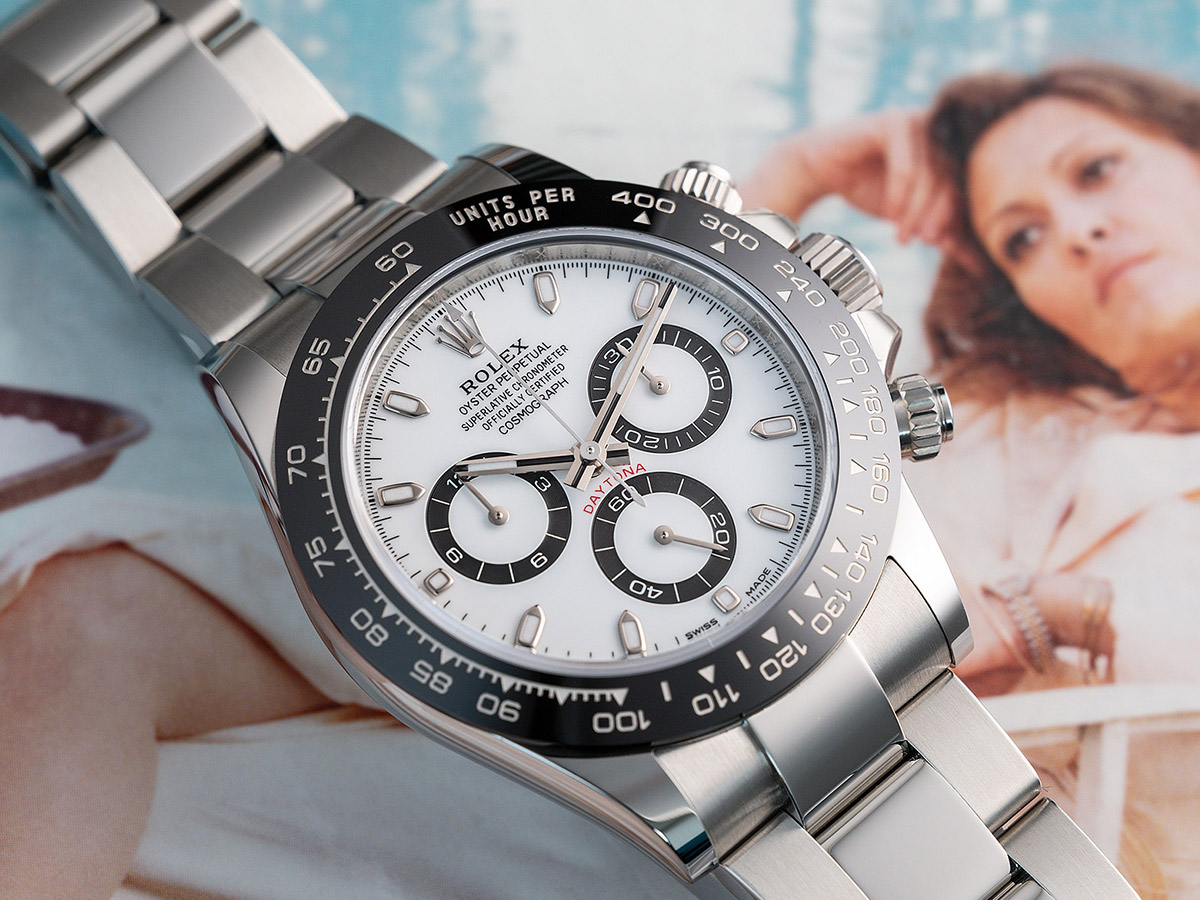
From a collector’s perspective, the “chrono” is often the most prized complication. Because of the sheer number of parts required to build a functioning chronograph movement—often double or triple the amount found in a standard watch—these timepieces represent the pinnacle of a watchmaker’s skill. The complexity of the assembly, the need for precise calibration, and the decorative finishing on the visible components make them significant assets in any collection. Whether one is looking at a vintage piece that survived the space race or a modern, silicon-powered ceramic watch, the “chrono” label signifies that the wearer has chosen a device that prioritizes mechanical depth.
In conclusion, “chrono” is far more than an abbreviation for chronograph. It is a signifier of a specialized lineage of timekeeping. It represents the transition of the watch from a simple teller of time to a tool of precision. By understanding the mechanical, historical, and aesthetic layers behind the term, one gains a deeper appreciation for why the chronograph remains the most enduring and beloved complication in the industry. It is a celebration of human ingenuity, wrapped around the wrist, forever capturing the seconds as they slip by.
aViewFromTheCave is a participant in the Amazon Services LLC Associates Program, an affiliate advertising program designed to provide a means for sites to earn advertising fees by advertising and linking to Amazon.com. Amazon, the Amazon logo, AmazonSupply, and the AmazonSupply logo are trademarks of Amazon.com, Inc. or its affiliates. As an Amazon Associate we earn affiliate commissions from qualifying purchases.