
When we think about China and its economic powerhouse status, questions about its currency inevitably arise. While the traditional answer is the Renminbi (RMB), often referred to as the Yuan, the landscape of money in China is rapidly evolving. Driven by technological advancements and a desire for greater financial control and innovation, China is at the forefront of a global shift towards digital currencies. This article will delve into what China uses for money today, exploring the ubiquitous digital Yuan, its implications for technology and brands, and the broader financial ecosystem it operates within.
The concept of money itself is undergoing a profound transformation. Gone are the days when physical cash was the undisputed king. In many parts of the world, digital transactions have become the norm, but China is taking this a step further with its central bank digital currency (CBDC), the e-CNY. Understanding this digital evolution is crucial for anyone interested in China’s economic trajectory, its technological ambitions, and the future of global finance.
The Renminbi: The Foundation of China’s Monetary System
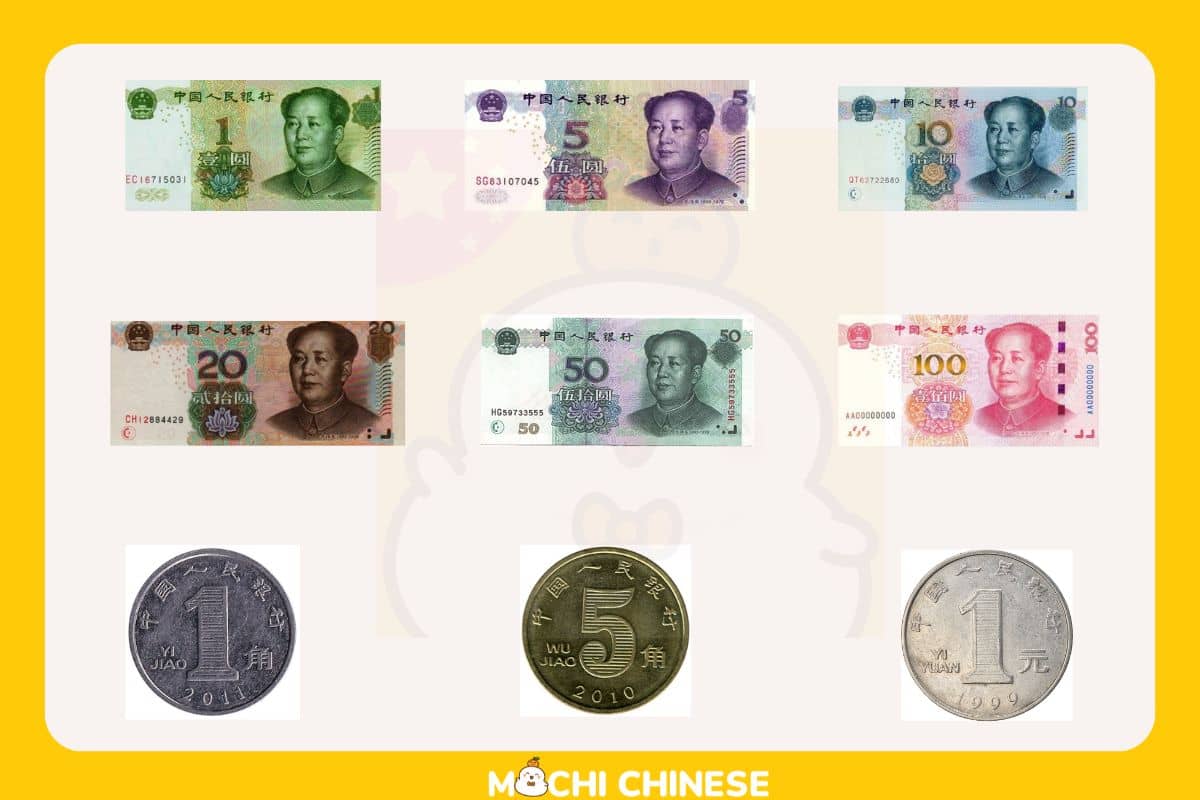
Before diving into the digital frontier, it’s essential to understand the bedrock of China’s monetary system: the Renminbi (RMB). The RMB is the official currency of the People’s Republic of China. The basic unit of the Renminbi is the Yuan (¥). So, when people refer to “Chinese money,” they are generally talking about the Renminbi, with the Yuan being the most commonly used denomination.
Understanding the Yuan and its Denominations
The Yuan is further subdivided into smaller units:
- Jiao (角): One Yuan is equal to 10 Jiao.
- Fen (分): One Jiao is equal to 10 Fen.
While Fen coins and smaller denomination Yuan notes are still in circulation, their practical use has diminished significantly in recent years due to the widespread adoption of mobile payments. You’ll encounter denominations like ¥1, ¥5, ¥10, ¥20, ¥50, and ¥100 for banknotes, and coins for 1 Yuan, 1 Jiao, and 5 Jiao.
The Yuan’s Journey to International Recognition
Historically, the Yuan’s exchange rate was heavily managed by the People’s Bank of China (PBOC). However, in recent decades, China has gradually allowed for greater market determination of its currency’s value. The RMB is now a significant player in global foreign exchange markets and is even included in the International Monetary Fund’s (IMF) Special Drawing Rights (SDR) basket, a testament to its growing international importance.
Despite its increasing global presence, the Yuan is not yet a fully free-floating currency like the US Dollar or the Euro. China continues to manage its exchange rate to maintain economic stability and competitiveness. This managed approach, however, is being complemented by the development of its digital counterpart.
The Digital Yuan (e-CNY): The Future of Money in China
The most compelling answer to “what does China use for money” in the current context is undoubtedly the digital Yuan, or e-CNY. This is not just another app for mobile payments; it is a state-backed digital form of the official fiat currency, issued and controlled by the People’s Bank of China. The e-CNY represents a paradigm shift in how money functions within China and has far-reaching implications across technology, branding, and finance.
The Technology Behind the e-CNY
The development and implementation of the e-CNY are deeply rooted in technological innovation. It operates on a two-tier system:
- The PBOC issues the e-CNY to authorized financial institutions (like commercial banks).
- These institutions then distribute the e-CNY to the public through their existing payment infrastructure.
This means that while the e-CNY is a digital currency, it often flows through familiar payment channels. However, the underlying technology offers distinct advantages:
- Blockchain and Distributed Ledger Technology (DLT): While not solely reliant on public blockchains, the e-CNY leverages DLT principles for security, traceability, and efficiency. This allows for secure record-keeping of transactions, crucial for preventing fraud and ensuring transparency.
- Smart Contracts: The e-CNY has the potential to incorporate smart contracts, enabling programmable money. This means that funds can be automatically disbursed or restricted based on predefined conditions, opening up possibilities for automated payments, conditional subsidies, and more.
- Offline Payments: A significant technological feat is the e-CNY’s ability to support offline transactions. This allows users to make payments even without an internet connection, enhancing accessibility and resilience, especially in areas with limited connectivity or during network outages. This is a key differentiator from many existing digital payment solutions.
- Enhanced Security and Privacy: The e-CNY is designed with robust security features to protect against counterfeiting and illicit activities. While offering a degree of anonymity akin to cash for small transactions, it also provides a traceable audit trail for larger or suspicious activities, striking a balance between user privacy and regulatory oversight.
The technological infrastructure supporting the e-CNY is a testament to China’s commitment to digital advancement. It is being integrated into various apps and platforms, making it increasingly seamless for users to adopt.
Implications for Tech and Digital Security
The e-CNY has profound implications for the technology sector and digital security:
- Driving Fintech Innovation: The e-CNY ecosystem is a fertile ground for fintech innovation. Developers are creating new applications and services that leverage the currency’s features, from payment gateways and loyalty programs to financial management tools. This competition fosters a dynamic environment where new technologies and business models emerge.
- The Rise of Digital Wallets: Users access and manage their e-CNY through dedicated digital wallets. These wallets are becoming increasingly sophisticated, offering features beyond just payment, such as account management, transaction history, and potentially integration with other digital services.
- Strengthening Digital Security Measures: As more financial transactions move into the digital realm, the importance of digital security becomes paramount. The e-CNY’s design incorporates advanced cryptographic techniques and security protocols to safeguard user data and prevent cyber threats. This also spurs continuous investment and development in cybersecurity solutions across the board.
- Data Analytics and Economic Insights: The traceable nature of e-CNY transactions provides the PBOC with unprecedented data insights into economic activity. This can facilitate more targeted monetary policy, better economic forecasting, and more efficient allocation of resources. However, it also raises important questions about data privacy and government oversight.
The integration of the e-CNY is not just about replacing physical cash; it’s about building a more robust, efficient, and interconnected digital economy.
The Role of Mobile Payments: WeChat Pay and Alipay
While the digital Yuan is the future, it’s crucial to acknowledge the present dominance of mobile payment platforms in China. For years, WeChat Pay (Weixin Pay) and Alipay have revolutionized how Chinese consumers and businesses transact. These platforms, while not central bank digital currencies themselves, have laid the groundwork for the e-CNY’s widespread adoption and represent a significant part of China’s “money” landscape.
The Dominance of Super-Apps
WeChat Pay, integrated into the ubiquitous WeChat messaging app, and Alipay, part of the Alibaba ecosystem, have become more than just payment tools. They are “super-apps” that offer a vast array of services, from ordering food and booking travel to paying bills and investing.
- Ubiquitous Acceptance: Nearly every merchant in China, from street vendors to major retailers, accepts WeChat Pay and Alipay. This level of penetration has made it difficult for businesses to operate without offering these payment options.
- Seamless User Experience: The ease of use of these apps has contributed significantly to their popularity. A simple scan of a QR code is often all it takes to complete a transaction.
- Data Rich Ecosystems: These platforms gather vast amounts of data on consumer behavior, which they leverage for personalized recommendations, targeted advertising, and financial services.
The Interplay Between Mobile Payments and the e-CNY
The established infrastructure and user habits built by WeChat Pay and Alipay are crucial for the e-CNY’s rollout. The e-CNY is designed to be interoperable with these existing payment networks, allowing users to seamlessly switch between them. This integration aims to leverage the convenience and widespread reach of these super-apps while introducing the unique benefits of a CBDC.
The success of WeChat Pay and Alipay demonstrates the appetite for digital transactions in China. The e-CNY builds upon this foundation, offering an official, government-backed digital currency that promises enhanced security, stability, and programmability.
Money and Branding: The e-CNY’s Impact on Corporate Identity and Marketing
The introduction of the e-CNY is not merely a financial or technological development; it also has significant implications for how brands operate and engage with consumers in China.
Opportunities for Brand Innovation
The e-CNY’s features, particularly its programmability, open up new avenues for brands to innovate their marketing and customer engagement strategies:
- Targeted Promotions and Loyalty Programs: Brands can use smart contracts to issue e-CNY-based vouchers or rewards that are automatically redeemed upon meeting specific conditions (e.g., spending a certain amount, purchasing specific products). This allows for highly personalized and efficient loyalty programs.
- Automated Disbursements and Subsidies: For businesses that offer subsidies or rebates, the e-CNY can automate the process, ensuring timely and secure delivery of funds directly to consumers.
- New Payment Experiences: Brands can integrate e-CNY payments directly into their apps and platforms, offering a streamlined and modern payment experience that aligns with China’s digital-first consumer culture.
Building Trust and Reputation in a Digital Currency Landscape
For brands, operating within an e-CNY environment presents both opportunities and challenges in building trust and managing their reputation:
- Leveraging Official Endorsement: For brands that are early adopters and successfully integrate e-CNY payments, it can signal a commitment to innovation and adherence to government initiatives, potentially boosting their reputation.
- Ensuring Security and Transparency: As consumers become more accustomed to digital currencies, they will expect the same level of security and transparency from brands as they do from the official e-CNY. Brands must ensure their payment systems are robust and that customer data is protected.
- Adapting Marketing Messages: Marketing strategies will need to adapt to highlight the benefits of using e-CNY for transactions, such as enhanced security, convenience, and potential rewards. This requires a nuanced understanding of consumer perceptions of digital currencies.
- Navigating Regulatory Landscapes: Brands operating in China must stay abreast of evolving regulations surrounding the e-CNY and digital payments to ensure compliance and maintain a positive corporate identity.
The intertwining of money, technology, and branding in China is a dynamic and evolving field. The e-CNY is a catalyst for this evolution, pushing businesses to rethink their strategies and embrace the digital future.

Conclusion: A Multifaceted Approach to Money in China
So, what does China use for money? The answer is multifaceted and reflects a nation embracing a digital future while honoring its traditional financial structures.
The Renminbi (Yuan) remains the official currency, the foundation upon which the entire monetary system is built. However, its physical form is increasingly being supplemented and, in some contexts, superseded by its digital counterpart.
The digital Yuan (e-CNY) is rapidly becoming the most significant innovation in China’s monetary landscape. Driven by cutting-edge technology, it promises enhanced efficiency, security, and programmability, reshaping financial transactions and influencing industries from tech to branding.
Meanwhile, the established dominance of mobile payment giants like WeChat Pay and Alipay has cultivated a deeply ingrained digital payment culture, paving the way for the e-CNY’s widespread adoption and creating a rich ecosystem of digital services.
For businesses and individuals, understanding this evolving monetary ecosystem is no longer optional. It requires an appreciation for the underlying technologies, the strategic implications for brands, and the evolving nature of personal and business finance in one of the world’s most dynamic economies. China’s approach to money is a compelling case study in how tradition and innovation can converge to create a new financial frontier.
aViewFromTheCave is a participant in the Amazon Services LLC Associates Program, an affiliate advertising program designed to provide a means for sites to earn advertising fees by advertising and linking to Amazon.com. Amazon, the Amazon logo, AmazonSupply, and the AmazonSupply logo are trademarks of Amazon.com, Inc. or its affiliates. As an Amazon Associate we earn affiliate commissions from qualifying purchases.