
Car insurance, at first glance, might seem like a complex, abstract financial product, often reduced to a monthly premium or a thick stack of policy documents. However, to truly understand “what car insurance looks like,” one must delve beyond the surface. It’s not merely a legal requirement; it’s a critical component of personal financial planning, a safety net designed to protect your assets, your well-being, and your future from the unpredictable risks inherent in vehicle ownership and operation. In its essence, car insurance looks like peace of mind, financial security, and a structured approach to managing potential liabilities that could otherwise devastate an individual’s financial standing.

This exploration will unpack the multifaceted nature of car insurance, examining its core components, the factors that shape its cost, the process of navigating its landscape, and ultimately, its profound financial value. By understanding these dimensions, consumers can move beyond simply purchasing a policy to making informed decisions that align with their financial goals and risk tolerance.
The Foundational Pillars of Car Insurance
To grasp what car insurance truly looks like, it’s imperative to understand the fundamental elements that constitute a policy. These pillars define the scope of protection and the financial obligations of both the insurer and the insured.
Understanding Your Policy Declarations
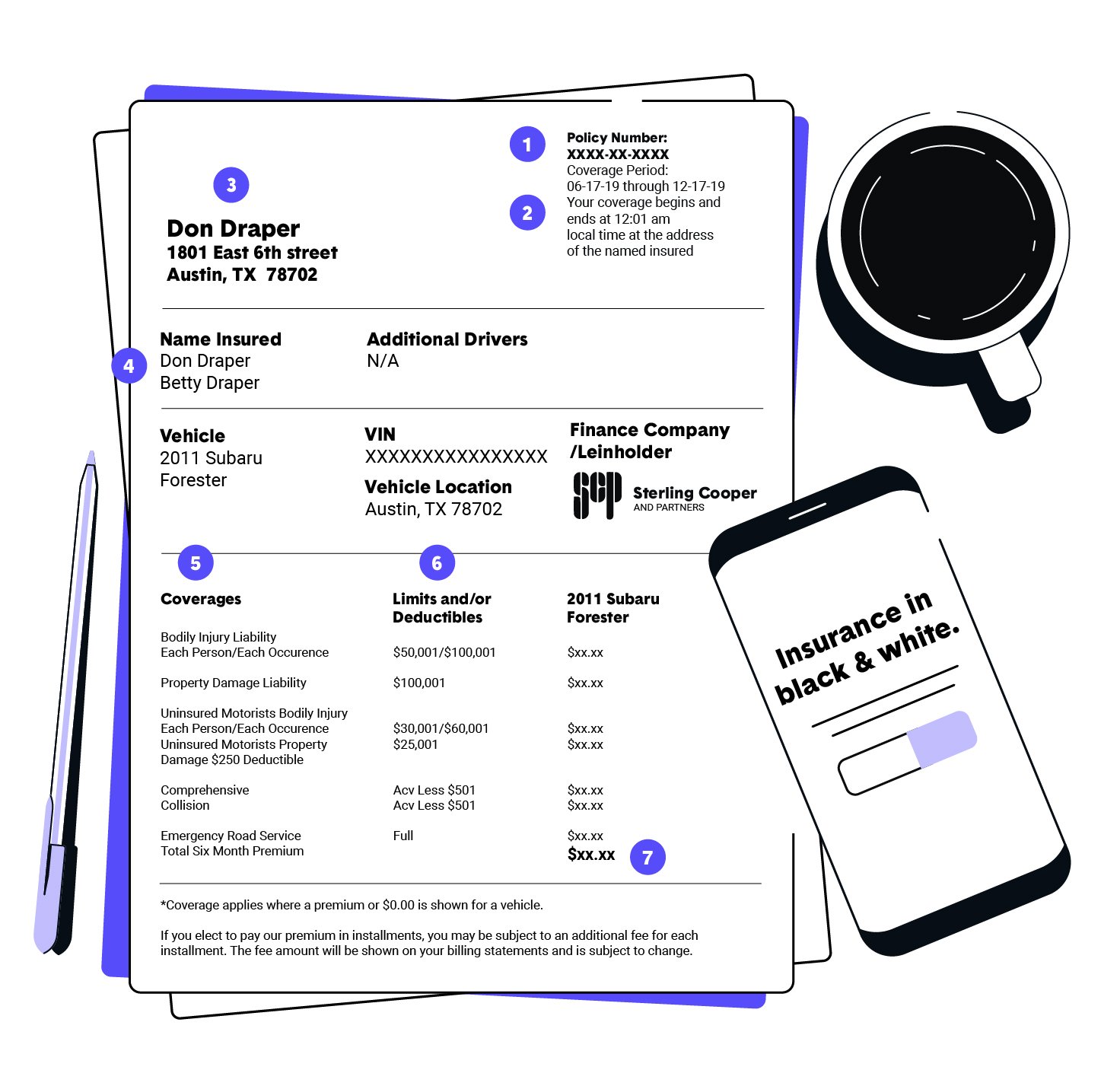
The most tangible representation of your car insurance is its Policy Declarations page. This document is a snapshot of your coverage, summarizing all the critical details. It typically includes:
- Insured Individuals: Who is covered under the policy.
- Insured Vehicles: Which vehicles are protected, including their make, model, VIN, and year.
- Coverage Types and Limits: A detailed breakdown of each type of coverage purchased, the maximum amount the insurer will pay for a covered loss (limits), and the scenarios under which each applies.
- Deductibles: The out-of-pocket amount you must pay before your insurance coverage kicks in for certain types of claims.
- Policy Period: The effective start and end dates of your coverage.
- Premium: The total cost for the policy period, often broken down into installment payments.
- Discounts Applied: Any reductions in premium due to specific qualifications (e.g., multi-policy, good driver, anti-theft devices).
This page is the financial contract between you and your insurer, outlining the terms of your financial protection. Reading it carefully ensures you know exactly what financial security you possess.
Key Coverage Types: Protecting Against Diverse Risks
Car insurance doesn’t look like a single, monolithic product; rather, it’s an amalgamation of various coverage types, each designed to address specific financial risks.
- Liability Coverage (Bodily Injury & Property Damage): This is often the most critical and, in many places, legally mandated coverage. It protects you financially if you cause an accident resulting in injury to others or damage to their property. Bodily injury liability covers medical expenses, lost wages, and pain and suffering for others, while property damage liability covers repairs or replacement of their vehicle or other property. Without adequate liability coverage, a single at-fault accident could lead to devastating out-of-pocket expenses and potential lawsuits.
- Collision Coverage: This pays for damages to your own vehicle resulting from a collision with another car or object, regardless of who is at fault. It’s an essential financial safeguard for repairing or replacing your car after an accident.
- Comprehensive Coverage: This protects your vehicle from non-collision-related incidents, such as theft, vandalism, fire, natural disasters (hail, floods), and impacts with animals. It’s vital for protecting your asset from a broad spectrum of unforeseen events.
- Uninsured/Underinsured Motorist (UM/UIM) Coverage: This protects you if you’re involved in an accident with a driver who either has no insurance or insufficient insurance to cover the damages or injuries they cause. This is a crucial layer of financial protection against the irresponsibility of others.
- Medical Payments (MedPay) / Personal Injury Protection (PIP): These cover medical expenses for you and your passengers after an accident, regardless of fault. PIP can also cover lost wages and essential services. These are particularly important in “no-fault” states, where your own insurance pays for your medical bills up to a certain limit, regardless of who caused the accident.
- Other Optional Coverages: This might include towing and roadside assistance, rental car reimbursement, gap insurance (which covers the difference between your car’s actual cash value and the amount you still owe on a loan), and new car replacement coverage. These add-ons enhance financial convenience and protection tailored to specific needs.
Deciphering Premiums, Deductibles, and Limits
The financial core of car insurance revolves around premiums, deductibles, and limits.
- Premiums: This is the price you pay for coverage, typically monthly, semi-annually, or annually. It’s the cost of transferring financial risk from yourself to the insurer.
- Deductibles: For collision and comprehensive coverage, this is the amount you agree to pay out-of-pocket for each claim before the insurer pays the rest. A higher deductible generally leads to lower premiums, but means greater immediate financial responsibility if you file a claim.
- Limits: These are the maximum amounts your insurer will pay for a covered loss. For liability, limits are often expressed as three numbers (e.g., 25/50/25), representing thousands of dollars for bodily injury per person, bodily injury per accident, and property damage per accident. Choosing appropriate limits is a key financial decision, balancing affordability with adequate protection against significant financial exposure.
The Financial Dynamics of Car Insurance Premiums
Car insurance looks different for everyone because its cost, or premium, is highly individualized. It’s a complex algorithm of risk assessment, where insurers calculate the likelihood of you filing a claim and the potential cost of that claim. Understanding these dynamics is crucial for managing your personal finance related to vehicle ownership.
Factors That Shape Your Rates
Numerous variables contribute to the premium you pay, reflecting an insurer’s statistical analysis of risk.
- Your Driving Record: This is arguably the most significant factor. A history of accidents, traffic violations (speeding tickets, DUIs), or numerous claims will almost certainly lead to higher premiums, as it indicates a higher risk profile. Conversely, a clean driving record often translates to significant financial savings.
- Vehicle Type: The make, model, year, and even color of your car influence rates. More expensive cars to repair, vehicles frequently stolen, or high-performance cars generally incur higher premiums. Safety features, however, can sometimes lead to discounts.
- Location: Where you live and primarily drive your car plays a substantial role. Urban areas with higher traffic density, greater rates of theft and vandalism, or a higher incidence of accidents typically have higher insurance costs than rural areas.
- Age and Gender: Younger, less experienced drivers, particularly males under 25, statistically face higher premiums due to a greater propensity for accidents. Rates generally decrease with age and experience, assuming a clean driving record.
- Credit Score (in most states): Many insurers use a credit-based insurance score as a predictor of claim likelihood. Studies have shown a correlation between higher credit scores and fewer insurance claims, leading to lower premiums for those with good credit.
- Annual Mileage: The more you drive, the higher the exposure to risk. Low-mileage discounts are common for those who drive significantly less than the average.
- Coverage Levels and Deductibles: As discussed, choosing higher limits and lower deductibles will naturally increase your premium, reflecting greater financial protection from the insurer.
Strategies for Cost Reduction
Managing the financial burden of car insurance involves proactive strategies to reduce your premiums without compromising essential coverage.
- Shop Around Annually: Premiums vary significantly between insurers. Using online comparison tools or working with an independent agent to get multiple quotes annually is one of the most effective ways to find better rates.
- Bundle Policies: Many insurers offer discounts for bundling car insurance with other policies, like home or renters insurance. This multi-policy discount can lead to significant savings.
- Maintain a Clean Driving Record: Avoiding accidents and traffic violations is the best long-term strategy for keeping premiums low. Many insurers offer good driver or accident-free discounts.
- Increase Your Deductible: If you have an emergency fund capable of covering a higher deductible, opting for one can substantially lower your monthly or annual premium.
- Take Advantage of Discounts: Ask your insurer about available discounts for things like good student status, completing a defensive driving course, installing anti-theft devices, having a vehicle with strong safety features, or being a loyal customer.
- Improve Your Credit Score: If permitted in your state, improving your credit score can positively impact your insurance rates over time.
- Consider Usage-Based Insurance: Telematics programs use devices or apps to monitor your driving habits (speed, braking, mileage). Safe drivers can earn discounts based on their actual driving behavior.
The Claims Process: When Insurance “Looks Like” Action
While the policy documents define the financial contract, car insurance truly “looks like” action when an incident occurs and you need to file a claim. This is where the theoretical financial protection becomes a tangible reality.
From Incident to Resolution: A Step-by-Step Guide
The claims process is the moment of truth for your insurance coverage, demonstrating its financial utility.
- Safety First: After an accident, ensure everyone’s safety, move to a safe location if possible, and call emergency services if necessary.
- Gather Information: Collect details from all parties involved (names, contact info, insurance info, license plates), witnesses, and take photos/videos of the scene and vehicle damage.
- Report the Claim Promptly: Contact your insurance company as soon as safely possible. Delaying can complicate the process. Provide all details gathered.
- Damage Assessment: The insurer will assign an adjuster to assess the damage to your vehicle. This might involve an in-person inspection or photo submission. They will determine the cost of repairs or the actual cash value (ACV) if the vehicle is totaled.
- Repair or Payout:
- Repairs: If your car is repairable, you’ll take it to a body shop (often your choice, though the insurer may recommend partners). Once repairs are complete and you pay your deductible, the insurer pays the rest directly to the shop or reimburses you.
- Total Loss: If the repair cost exceeds a certain percentage of the car’s ACV, it’s deemed a total loss. The insurer will pay you the ACV of your vehicle, minus your deductible, allowing you to purchase a replacement.
- Liability and Injury Claims: If liability is in question or injuries are involved, the process becomes more complex, involving investigations, medical evaluations, and negotiations to determine fault and fair compensation for damages and medical expenses for all parties.
Understanding Payouts and Repairs
Financial payouts from car insurance look different based on the claim type and policy terms. For collision and comprehensive claims, the payout is typically for the “actual cash value” (ACV) of the vehicle, which is its market value just before the loss, factoring in depreciation. This is often less than what you paid for the car or what it would cost to buy a brand new one. For repairs, the insurer covers the cost beyond your deductible. For liability claims, the payout goes to the injured third party or to cover their property damage, up to your policy limits.
Why Timely Reporting Matters
Timely reporting isn’t just a procedural detail; it’s a critical financial and legal necessity. Delays can hinder accurate investigation, make it harder to gather evidence, and potentially allow the other party to file their claim first, which can affect liability decisions. Most importantly, your policy likely has a clause requiring prompt notification, and failure to comply could jeopardize your financial coverage.
The Long-Term Financial Value of Car Insurance
Beyond the immediate protection it offers, car insurance represents a profound long-term financial strategy for every vehicle owner. Its value extends far beyond compliance with legal requirements.
Beyond Legal Requirements: Peace of Mind and Asset Protection
While state laws often mandate minimum liability coverage, the true financial value of car insurance lies in its ability to offer comprehensive peace of mind. Without it, the financial implications of an accident—medical bills, vehicle repairs or replacement, legal fees, lost wages, and potential lawsuits—could be catastrophic, leading to bankruptcy or significant debt. Car insurance acts as a financial guardian, shielding your savings, investments, and future earning potential from these unforeseen liabilities. It ensures that a single unfortunate event doesn’t derail your entire financial plan. It protects not just your vehicle, but your entire financial well-being.
Periodically Reviewing Your Coverage Needs
What car insurance looks like to you should evolve with your life circumstances. Your financial needs and risk exposure change over time, necessitating periodic reviews of your policy.
- Life Events: Marriage, buying a new home, having children, or even a change in employment can alter your financial situation and your need for higher liability limits or different coverage types.
- Vehicle Changes: As your car ages, its actual cash value decreases. You might consider dropping collision and comprehensive coverage if the cost of the premium outweighs the potential payout for an older, less valuable vehicle. Conversely, purchasing a new, expensive car might warrant higher coverage limits or additional options like gap insurance.
- Driving Habits: If you start working from home and drive significantly less, you might qualify for low-mileage discounts or usage-based insurance programs.
- Financial Situation: As your assets grow, increasing your liability limits becomes paramount to protect those assets from potential lawsuits.
- Market Changes: Insurance rates and available products are constantly changing. A review allows you to capitalize on new discounts or more competitive rates from other providers.
Regularly assessing your policy ensures that your financial protection remains appropriate, effective, and cost-efficient.
The Evolving Face of Automotive Protection
The landscape of car insurance is not static. It’s constantly evolving, influenced by technological advancements in vehicles (e.g., ADAS, electric vehicles), changing driving patterns, and emerging risks. Insurers are developing new products like pay-per-mile insurance, coverage for ride-sharing drivers, and policies specifically designed for autonomous vehicles. Understanding these innovations is key to ensuring your financial protection remains current and relevant in a rapidly changing automotive world. What car insurance looks like today, with its blend of traditional coverage and tech-driven solutions, is a dynamic reflection of our relationship with personal mobility and financial risk management.
In conclusion, “what car insurance looks like” is far more than a policy document or a monthly bill. It is a vital financial instrument, a complex system of risk management, and an indispensable safeguard for your personal financial stability in an unpredictable world. By understanding its components, navigating its costs, and actively managing your coverage, you empower yourself to make intelligent financial decisions that protect your assets and provide invaluable peace of mind.
aViewFromTheCave is a participant in the Amazon Services LLC Associates Program, an affiliate advertising program designed to provide a means for sites to earn advertising fees by advertising and linking to Amazon.com. Amazon, the Amazon logo, AmazonSupply, and the AmazonSupply logo are trademarks of Amazon.com, Inc. or its affiliates. As an Amazon Associate we earn affiliate commissions from qualifying purchases.