
A “bumper-to-bumper” warranty, often touted as the most comprehensive coverage available for a new vehicle, can conjure images of absolute peace of mind. The name itself suggests an all-encompassing shield against any potential mechanical or electrical malfunction. However, this enticing promise often comes with significant caveats, and understanding what a bumper-to-bumper warranty doesn’t cover is crucial for any car owner to avoid unexpected expenses and potential disappointment. While it offers broad protection, it’s not an unlimited pass to a lifetime of free repairs. Instead, it’s a carefully defined agreement with specific exclusions designed to protect both the consumer and the manufacturer.

This article will delve into the common limitations and exclusions typically found in bumper-to-bumper warranties. By clarifying these boundaries, consumers can make more informed decisions about their vehicle’s coverage, manage their expectations, and proactively protect themselves against out-of-pocket costs for issues that fall outside this extensive, yet not absolute, protection plan.
The Scope and Intent of Bumper-to-Bumper Coverage
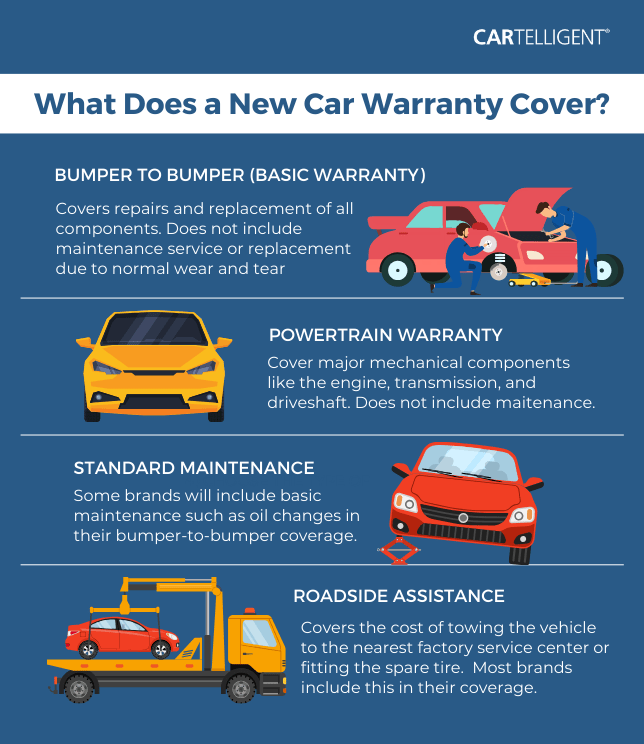
A bumper-to-bumper warranty, also known as a comprehensive warranty, is designed to cover most of the vehicle’s components from the front bumper to the rear bumper. This is in contrast to a powertrain warranty, which typically focuses solely on the engine, transmission, and drivetrain. The intention behind a bumper-to-bumper warranty is to provide a high level of assurance against defects in materials and workmanship for the vast majority of parts that contribute to the vehicle’s operation and comfort. This includes, but is not limited to, systems like the electrical components, steering, suspension, braking, climate control, and infotainment systems.
What is Typically Included?
The allure of a bumper-to-bumper warranty lies in its breadth. It aims to cover the intricate web of systems that make a modern vehicle function. This can encompass:
- Engine Components: Beyond the core powertrain, this can include parts like the alternator, starter motor, and various sensors.
- Transmission and Drivetrain: While the powertrain warranty covers the core, the bumper-to-bumper often extends to other related components.
- Electrical Systems: This is a significant area of coverage, including components like the power windows, locks, mirrors, sunroof, interior lighting, dashboard displays, and the car’s computer systems.
- Climate Control: Air conditioning and heating systems, including compressors, evaporators, and controls, are usually covered.
- Suspension and Steering: Parts like shock absorbers, struts, ball joints, and steering racks are typically included.
- Braking System: Components such as brake calipers, master cylinders, and ABS modules can fall under this warranty.
- Infotainment and Navigation Systems: Many modern vehicles come with advanced technology, and these systems are often part of the bumper-to-bumper coverage.
The Underlying Principle: Defects vs. Wear and Tear
The fundamental principle distinguishing covered items from excluded ones hinges on the difference between manufacturing defects and normal wear and tear. Bumper-to-bumper warranties are primarily intended to protect against issues that arise due to faulty manufacturing processes, defective parts, or improper assembly. They are not designed to be a substitute for routine maintenance or to cover components that naturally degrade over time and with use. This distinction is critical for consumers to grasp. A part that fails because it was inherently flawed at the time of manufacture is a strong candidate for warranty repair. A part that fails because it has reached the end of its expected service life through normal operation is generally not covered.
Common Exclusions: Where the “Bumper-to-Bumper” Stops
Despite its expansive name, a bumper-to-bumper warranty has well-defined boundaries. Several categories of components and issues are almost universally excluded from this type of coverage. Understanding these exclusions is paramount to avoid unwelcome surprises when a repair is needed. These exclusions are generally logical, as they pertain to items that are either consumable, subject to extreme variability in usage, or considered routine maintenance items.
Maintenance Items and Consumables
This is perhaps the most significant category of exclusions. Manufacturers expect vehicle owners to perform regular maintenance to keep their cars in good working order. Therefore, parts that are designed to be replaced periodically as part of this maintenance are not covered by a bumper-to-bumper warranty.
- Fluids: Engine oil, coolant, brake fluid, transmission fluid, power steering fluid, and windshield washer fluid are all considered consumables and are not covered.
- Filters: Air filters (engine and cabin), oil filters, and fuel filters are routine replacement items.
- Belts and Hoses: While some specific belts or hoses might fail due to a defect, general wear and tear on drive belts, radiator hoses, and heater hoses is typically excluded.
- Wiper Blades: These are designed to be replaced as they wear out.
- Tires: Tire wear is directly related to driving habits and road conditions, making them an excluded item. Tire defects might be covered under a separate tire warranty, but not the bumper-to-bumper.
- Brake Pads and Rotors: Similar to tires, brake components wear down with use and are generally not covered, unless a specific defect causes premature failure.
- Spark Plugs and Glow Plugs: These are maintenance items with a finite lifespan.
- Light Bulbs: Headlights, taillights, interior lights, and other bulbs are not covered once they burn out.
Wear and Tear Items
Beyond routine consumables, certain parts are expected to degrade over time and mileage. These items are not considered manufacturing defects and thus fall outside the scope of a bumper-to-bumper warranty.
- Clutch Components: In manual transmission vehicles, the clutch disc, pressure plate, and throw-out bearing are subject to wear from usage.
- Exhaust System Components: While a catalytic converter might fail due to a defect, rust or normal wear on mufflers and pipes is often excluded.
- Battery: Car batteries have a limited lifespan and are considered wear-and-tear items.
- Suspension Bushings and Mounts: While major suspension components might be covered, rubber bushings and mounts can degrade over time.
- Paint, Upholstery, and Trim: Cosmetic issues related to the vehicle’s exterior and interior finish are generally not covered unless they are the result of a manufacturing defect immediately apparent at the time of sale.
Specific Situations and External Factors Not Covered
Beyond the inherent nature of certain parts, various external factors and user-induced situations can lead to damage or malfunction that will void or negate bumper-to-bumper warranty coverage. It is imperative for owners to be aware of these conditions to maintain their warranty validity and avoid costly repairs.
Damage from Accidents and Neglect
This is a critical exclusion. If a vehicle is involved in a collision, any resulting damage, even to components that would normally be covered by the warranty, will not be repaired under the warranty. The cost of repairs will fall to the responsible party, their insurance, or the vehicle owner.
- Accidental Damage: Crashes, minor fender benders, and even hitting potholes that cause suspension damage are typically not covered.
- Vandalism: Intentional damage to the vehicle is not a warranty issue.
- Environmental Damage: Hail, flood damage, salt corrosion (particularly in regions with harsh winters), and other environmental factors are usually excluded.
Improper Use and Neglect
A vehicle is designed for specific operating conditions and requires proper care. Deviating from these requirements can lead to warranty denial.
- Off-Roading or Racing: Using the vehicle for purposes it was not designed for, such as competitive racing or extreme off-roading, can void the warranty.
- Overloading: Exceeding the vehicle’s weight capacity can stress components and lead to failure that won’t be covered.
- Neglect of Maintenance: Failure to adhere to the manufacturer’s recommended maintenance schedule, as outlined in the owner’s manual, is a common reason for warranty claims to be denied. This includes missing oil changes, not replacing filters, or ignoring warning lights.
- Tampering or Unauthorized Modifications: Altering the vehicle’s original specifications without manufacturer approval can void the warranty. This includes performance modifications, unauthorized stereo installations, or other significant changes to the vehicle’s systems.
Other Common Exclusions
- Glass: Windshields, side windows, and rear windows are typically not covered by bumper-to-bumper warranties, although they might be covered by a comprehensive auto insurance policy. Chips or cracks are usually the owner’s responsibility.
- Tire Wear and Damage: As mentioned previously, tires are a wear item. Damage from road hazards (nails, screws, sharp objects) is also not covered.
- Cosmetic Issues: Scratches, dents, fading paint, and wear on leather or fabric upholstery are generally not covered unless they are a result of a manufacturing defect present from the outset.
- Aftermarket Parts: If an aftermarket part has caused a failure in a warranted component, the warranty may be denied for that specific repair.
Maintaining Your Warranty and Understanding Your Contract
The nuances of any warranty, including a bumper-to-bumper agreement, are best understood by thoroughly reviewing the specific contract provided by the manufacturer. Each manufacturer has its own terms and conditions, and while common exclusions exist, there can be variations. Proactive steps can ensure that your warranty remains valid and that you are prepared for any potential issues.
Reading the Fine Print: Key Contractual Elements
The warranty booklet that comes with your new vehicle is more than just a formality; it’s a legally binding document detailing your rights and responsibilities.
- Duration and Mileage Limits: Understand the exact time frame and mileage for which the bumper-to-bumper warranty is valid. This is typically shorter than the powertrain warranty.
- Definition of Components Covered: Pay close attention to the specific systems and parts that are explicitly listed as covered.
- Definition of Exclusions: Equally important is the section detailing what is not covered. This is where you’ll find the information about maintenance, wear and tear, and other common exclusions.
- Owner Responsibilities: The contract will outline your obligation to maintain the vehicle according to the manufacturer’s schedule and to report any issues promptly.
- Procedure for Claims: Familiarize yourself with the process for initiating a warranty claim, including where to take the vehicle for repairs and what documentation is required.
The Importance of Regular Maintenance and Documentation
Adhering to the manufacturer’s recommended maintenance schedule is not just good practice for the longevity of your vehicle; it’s a requirement for maintaining your warranty.
- Following the Maintenance Schedule: Ensure all scheduled oil changes, filter replacements, fluid checks, and other recommended services are performed by a qualified mechanic.
- Keeping Records: Meticulously keep all receipts and service records. These documents serve as proof that you have met your maintenance obligations. In the event of a warranty dispute, these records will be your strongest defense against claims of neglect.
- Promptly Reporting Issues: Do not delay in reporting any malfunction or unusual noise from your vehicle to the dealership or authorized service center. Ignoring a problem can sometimes exacerbate it, leading to further damage that might then be deemed outside the warranty.

When in Doubt, Consult Your Dealership or Manufacturer
Navigating the intricacies of a warranty can be complex. If you are ever unsure about whether a particular repair is covered, or if you have questions about your warranty terms, the best course of action is to contact your dealership’s service department or the manufacturer’s customer service line. They can provide clarification and guidance specific to your vehicle and warranty. Understanding the limitations of your bumper-to-bumper warranty empowers you to be a more informed and responsible vehicle owner, ensuring that you receive the benefits you are entitled to and are prepared for the inevitable maintenance and wear-and-tear that comes with driving.
aViewFromTheCave is a participant in the Amazon Services LLC Associates Program, an affiliate advertising program designed to provide a means for sites to earn advertising fees by advertising and linking to Amazon.com. Amazon, the Amazon logo, AmazonSupply, and the AmazonSupply logo are trademarks of Amazon.com, Inc. or its affiliates. As an Amazon Associate we earn affiliate commissions from qualifying purchases.