
When a consumer asks, “What does bubble tea taste like?” they are rarely inquiring merely about the chemical composition of tea leaves, sugar, and milk. In the context of modern brand strategy and market positioning, the “taste” of bubble tea is a complex multi-sensory experience that encompasses lifestyle, community, and a meticulously engineered corporate identity. For a brand manager or a marketing strategist, bubble tea tastes like the successful intersection of cultural heritage and hyper-modern consumerism. It is a product where the flavor profile is inextricable from the brand promise.
To understand what bubble tea tastes like from a branding perspective, one must look past the cup. It is a liquid identity that has scaled globally by leveraging customization, visual aesthetics, and a unique sensory hierarchy that differentiates it from traditional coffee or carbonated soft drink markets.

The Sensory Architecture of Global Brand Identity
The foundational “taste” of bubble tea is built on a specific sensory architecture. Unlike a standard cup of black tea, which relies on a singular aromatic profile, bubble tea is a layered experience. In branding, this is known as “sensory layering”—a technique used to create a more memorable and distinctive brand association.
Flavor as a Brand Signifier
At its core, the flavor profile is often a balance between the tannic bitterness of high-quality tea (Assam, Oolong, or Jasmine) and the creamy, comforting sweetness of milk or non-dairy creamers. From a brand strategy standpoint, this balance represents “accessible indulgence.” It is a premium experience that remains approachable. Brands like Heytea or Nayuki have mastered this by utilizing real fruit and high-end cheese foams, shifting the “taste” from sugary street food to a sophisticated, artisanal beverage. This shift allows these brands to command higher price points and occupy premium real estate in high-end shopping districts.
The Texture of Consumer Engagement
Perhaps the most defining characteristic of bubble tea—and its most potent brand differentiator—is the texture. The addition of tapioca pearls (boba) introduces a “chewiness” (often referred to in Taiwanese culture as “QQ”) that changes the beverage from a drink into a snack. In branding terms, this is a “signature interaction.” Just as the “pop” of a Pringles can or the “click” of a high-end car door communicates quality and identity, the chewiness of bubble tea creates a unique physical engagement with the product. It transforms a passive drinking experience into an active, tactile one, making the brand more memorable in the consumer’s mind.
Customization and the Personal Branding Revolution
When we ask what bubble tea tastes like, the answer is increasingly: “Whatever the consumer wants it to taste like.” This is the pinnacle of personalized branding. In the modern marketplace, consumers—particularly Gen Z and Millennials—do not want to be passive recipients of a brand’s vision; they want to be co-creators.
The Psychology of Choice
The standard bubble tea ordering process involves selecting the tea base, the milk type, the sugar percentage (0%, 25%, 50%, 75%, 100%), the ice level, and a variety of toppings. This modularity is a brilliant brand strategy. It provides the consumer with a sense of agency and “personal branding.” When a customer shares their “standard order” on social media, they are not just sharing a drink; they are sharing a reflection of their personal preferences and health consciousness.
For the brand, this “taste of autonomy” fosters deep loyalty. By allowing the customer to fine-tune the product to their exact specifications, the brand reduces the risk of dissatisfaction. The product “tastes” exactly how the user intended it to, creating a positive feedback loop between the consumer’s choice and the brand’s fulfillment.
Modular Menus as a Business Strategy
From an operational perspective, this customization allows brands to stay agile. They can introduce seasonal flavors (such as taro in autumn or mango in summer) without overhauling their entire supply chain. The “taste” of the brand remains consistent because the foundational elements (the tea and the pearls) are standardized, while the top-level flavors can pivot to meet current trends. This agility is what has allowed bubble tea brands to outpace traditional beverage companies in terms of innovation and market relevance.
Case Studies in Liquid Identity: How Brands Mastered the Market

The question of “what it tastes like” varies significantly depending on which brand’s ecosystem you enter. Different market leaders have carved out specific niches by defining their “taste” through distinct brand values.
Heytea and the Premiumization Strategy
Heytea transformed the market by changing the “taste” of bubble tea from artificial powders to fresh, high-quality ingredients. Their “Cheezo Tea” (tea topped with a salty-sweet cheese foam) created a brand sensation. To the consumer, Heytea tastes like “innovation” and “status.” Their brand strategy focuses on scarcity, high-end interior design, and a minimalist aesthetic that mimics luxury fashion brands. Here, the taste is secondary to the “vibe” of the brand—a sophisticated, urban lifestyle.
Gong Cha and Global Standardization
In contrast, Gong Cha represents the “taste of consistency.” As one of the world’s largest bubble tea franchises, their brand strategy is built on reliability. No matter if you are in London, New York, or Seoul, a Gong Cha milk tea will taste identical. This is the McDonald’s of the bubble tea world. Their “taste” is one of comfort and familiarity. For a global brand, this level of standardization is an incredible feat of logistics and quality control, ensuring that the brand’s promise is delivered uniformly across thousands of locations.
Visual Branding and the “Instagrammable” Aesthetic
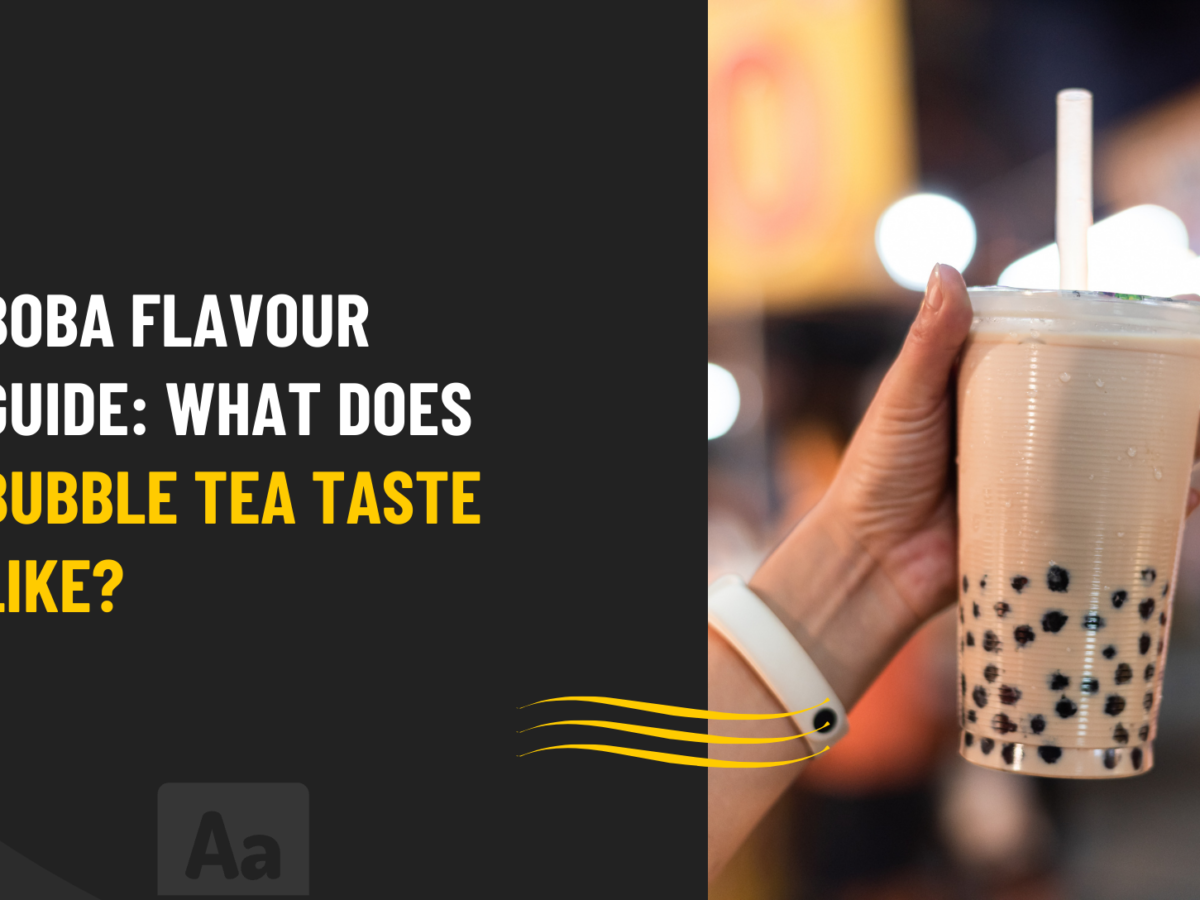
In the digital age, a product’s “taste” is heavily influenced by how it looks. Bubble tea is arguably the most visual beverage on the market. The distinct layers of milk and tea, the dark pearls at the bottom, and the oversized neon straws are all designed for visual consumption.
Packaging as a Walking Advertisement
The “taste” of bubble tea is often associated with its iconic packaging. The sealed plastic film top, which requires a sharp jab from a pointed straw to puncture, provides a satisfying “pop” that signals the start of the experience. The cup itself acts as a walking billboard. Brands invest heavily in the design of their cups, often collaborating with artists or other brands (like luxury fashion houses or popular video games) to create limited-edition packaging. This makes the brand feel “current” and “collectible.”
The Interior Design of Third-Wave Boba Shops
Modern bubble tea shops are no longer just takeaway counters; they are “lifestyle hubs.” The brand strategy involves creating “Instagrammable” spaces with neon lights, pastel color palettes, and minimalist furniture. This environment influences the perception of taste. A drink consumed in a beautifully designed, high-energy space will be perceived as higher quality than the same drink consumed in a sterile environment. The “taste” of the brand is therefore a combination of the physical product and the curated environment in which it is served.
Future Trends: The Evolution of the Bubble Tea Brand Landscape
As the market matures, the “taste” of bubble tea is evolving to include more functional and ethical dimensions. This is where brand strategy must look toward the future to maintain growth and relevance.
Health-Conscious Branding
There is a growing demand for bubble tea that “tastes healthy.” Brands are responding by offering plant-based milk alternatives (oat, almond, soy), natural sweeteners like stevia, and functional additives like collagen or probiotics. The brand strategy here is to decouple bubble tea from its reputation as a high-calorie treat and rebrand it as a customizable wellness beverage.
Sustainability and Corporate Responsibility
The “taste” of a brand can be soured by a poor environmental record. As bubble tea relies heavily on single-use plastics (cups, straws, seal films), leading brands are now pivoting toward sustainable materials. A brand that “tastes like progress” is one that uses biodegradable straws and offers incentives for customers who bring their own cups. This shift in corporate identity is essential for maintaining the loyalty of a socially conscious consumer base.
Conclusion: The Holistic Taste of a Successful Brand
Ultimately, what does bubble tea taste like? It tastes like a masterclass in modern branding. It is the flavor of a product that has successfully navigated the transition from a regional specialty to a global phenomenon by mastering the art of the “total experience.”
For the consumer, it is a customizable, sensory-rich, and visually appealing indulgence. For the strategist, it is a robust brand framework that leverages personalization, visual identity, and sensory layering to create a high-frequency consumer habit. The success of bubble tea lies in the fact that its “taste” is not just in the mouth—it is in the eyes, the hands, the social media feed, and the community. It is a brand that you can chew, a brand that you can design, and a brand that has successfully turned a simple beverage into a global cultural currency.
aViewFromTheCave is a participant in the Amazon Services LLC Associates Program, an affiliate advertising program designed to provide a means for sites to earn advertising fees by advertising and linking to Amazon.com. Amazon, the Amazon logo, AmazonSupply, and the AmazonSupply logo are trademarks of Amazon.com, Inc. or its affiliates. As an Amazon Associate we earn affiliate commissions from qualifying purchases.