
In the rapidly evolving landscape of personal development, where optimization and self-improvement are paramount, a term has gained significant traction: body recomp. While the initial reaction might associate it with purely aesthetic pursuits, a deeper dive reveals that body recomposition is a multifaceted concept with implications that extend far beyond the mirror. It’s a strategic approach to altering your body’s composition – specifically, the ratio of lean muscle mass to body fat.
However, to truly understand body recomp, we need to peel back the layers and explore its nuances. This isn’t about rapid weight loss or extreme muscle gain in isolation. Instead, it’s a deliberate, often sustained, process that integrates key pillars of personal optimization. To fully grasp its meaning and potential, we must consider it through the lenses of Tech for tracking and analysis, Brand for its personal narrative and presentation, and Money for the investment of time, resources, and the potential return on your health and well-being.
Deconstructing Body Recomposition: Beyond the Scales
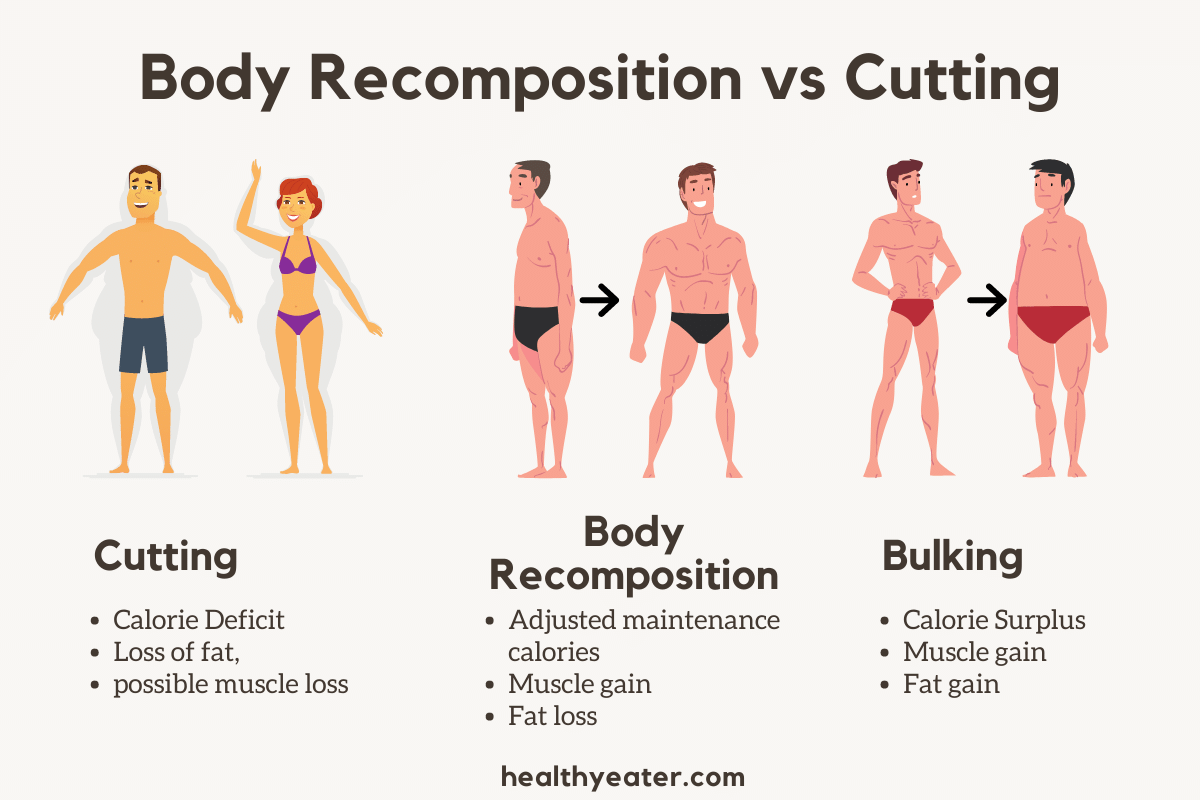
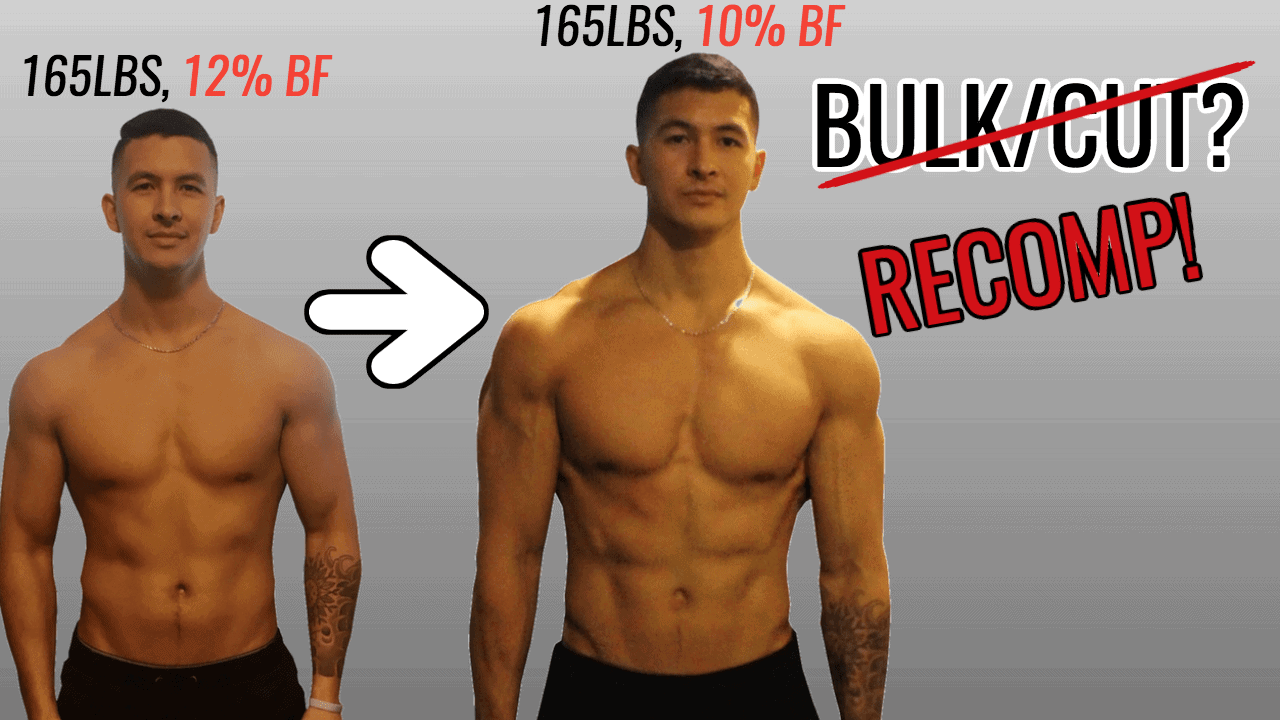
At its core, body recomp is the process of simultaneously building lean muscle and losing body fat. This is distinct from traditional weight loss, which primarily focuses on reducing the number on the scale, often without a targeted approach to muscle preservation or growth. Similarly, it differs from a bulk, which prioritizes muscle gain, even at the expense of increased body fat.
The magic of body recomp lies in its dual objective. It’s about sculpting a healthier, more functional, and aesthetically pleasing physique by strategically manipulating diet and exercise. This means creating an environment where your body is encouraged to build muscle tissue while simultaneously tapping into its fat stores for energy.
The Scientific Underpinnings of Body Recomp
Understanding the physiological processes involved is crucial. Muscle tissue is metabolically active, meaning it burns more calories at rest than fat tissue. Therefore, increasing your muscle mass can lead to a higher resting metabolic rate, making it easier to manage body fat in the long run.
This process hinges on two primary levers:
- Nutrition: A carefully calibrated nutritional strategy is paramount. This typically involves consuming adequate protein to support muscle protein synthesis, coupled with a controlled caloric intake. The exact caloric target can vary depending on individual goals and metabolic responses, but it often hovers around maintenance or a slight deficit.
- Exercise: Resistance training is the cornerstone of body recomp. Lifting weights or engaging in other forms of resistance exercise signals to your muscles that they need to adapt and grow. This is complemented by strategic cardiovascular exercise, which aids in fat loss and improves overall cardiovascular health.
The challenge and the art of body recomp lie in finding the delicate balance between these two elements. Too much of a caloric deficit can hinder muscle growth, while too large a surplus can lead to excessive fat gain. Similarly, insufficient resistance training will limit muscle-building potential, while excessive cardio without adequate recovery can be counterproductive.
Body Recomp Through the Lens of Tech: Data-Driven Transformation
In the modern era, technology plays an indispensable role in optimizing any personal endeavor, and body recomp is no exception. The title “what does body recomp mean” quickly leads to the question of how to achieve it effectively. This is where technology empowers individuals with the tools and insights to make informed decisions and track progress with unprecedented precision.
Smart Tools for Tracking and Analysis
The journey of body recomp is inherently data-driven. Without diligent tracking, it’s akin to navigating without a compass. This is where technology shines:
- Fitness Trackers and Wearables: Devices like smartwatches and fitness bands are invaluable. They go beyond simply counting steps. They can monitor heart rate variability, sleep patterns, activity levels, and even estimate caloric expenditure. This data provides a holistic view of your body’s response to training and diet, allowing for real-time adjustments. For instance, consistently poor sleep, as indicated by a wearable, can signal the need to adjust training intensity or stress management.
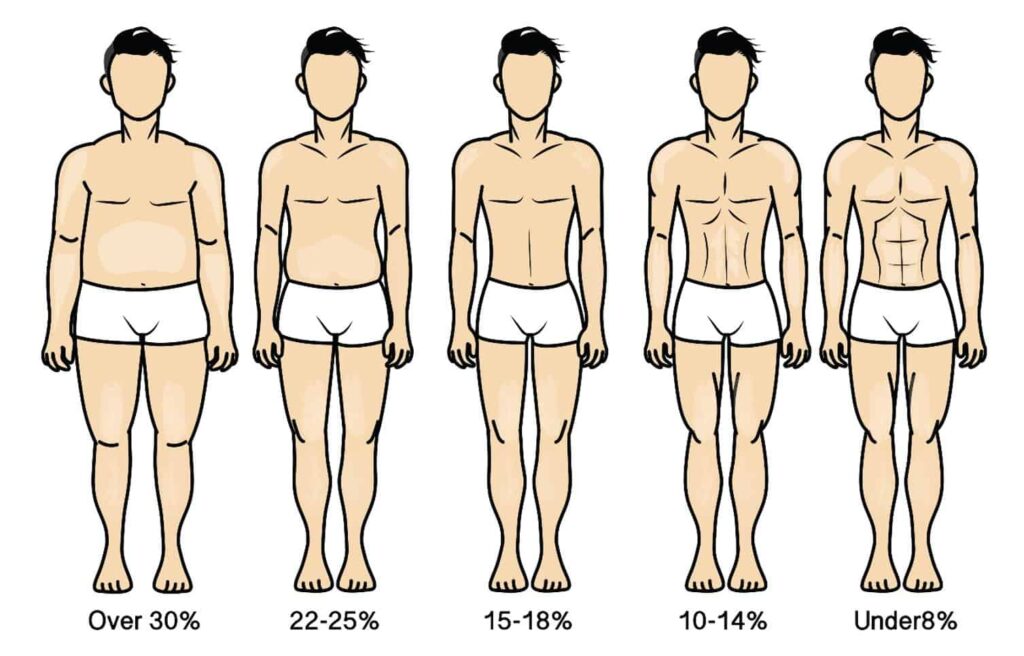
- Body Composition Scanners: While not as ubiquitous as wearables, devices like bioelectrical impedance analysis (BIA) scales or even more advanced DXA (Dual-energy X-ray Absorptiometry) scans offer precise measurements of body fat percentage and lean muscle mass. This is crucial for body recomp, as the scale alone can be misleading. You might be gaining muscle and losing fat, resulting in minimal change on the scale, which could be misinterpreted as lack of progress without these more detailed metrics.
- Nutrition Tracking Apps: The accuracy of your food intake is non-negotiable for body recomp. Apps like MyFitnessPal, Cronometer, or Lose It! allow you to log your meals and track macronutrient and micronutrient intake. This ensures you’re hitting your protein targets, managing your caloric intake, and obtaining essential vitamins and minerals. Advanced apps can even offer AI-powered recipe suggestions or barcode scanning for effortless logging.
- Smart Scales and Body Fat Monitors: These devices, often integrated with smartphone apps, go beyond simple weight measurements. They utilize electrical signals to estimate body fat percentage, muscle mass, and even bone density. While accuracy can vary, consistent use can reveal trends and provide valuable insights into your body composition changes.
Leveraging AI and Software for Personalized Plans
Beyond basic tracking, technology offers sophisticated tools for personalization and optimization:
- AI-Powered Fitness Apps: Many fitness applications now leverage AI to create personalized workout plans based on your goals, fitness level, available equipment, and even recovery status. These apps can adapt your training routine as you progress, ensuring you’re continuously challenged and avoiding plateaus. They can suggest exercise variations, rep ranges, and rest periods tailored to your specific needs.
- Personalized Nutrition Software: Similar to fitness apps, AI-driven nutrition platforms can analyze your dietary habits, metabolic rate, and body composition data to recommend customized meal plans. These tools can help identify nutrient deficiencies, suggest optimal food choices, and even generate grocery lists, taking the guesswork out of your nutrition.
- Data Visualization and Trend Analysis: The raw data collected from wearables and tracking apps can be overwhelming. Technology helps to transform this data into understandable charts and graphs, allowing you to visualize your progress over time. Identifying trends in sleep, activity, and nutrition can inform strategic adjustments to your recomp plan. For example, a dip in energy levels correlating with a specific dietary change can be quickly identified and addressed.
The integration of technology transforms body recomp from a trial-and-error process into a science-backed, data-driven journey. It empowers individuals with the knowledge and tools to make precise adjustments, leading to more efficient and effective results.
Body Recomp as a Brand: Sculpting Your Personal Narrative
The concept of “brand” extends far beyond corporate logos and marketing campaigns. In the context of personal development, your brand is the perception you cultivate, the story you tell about yourself, and how you present yourself to the world. Body recomp, therefore, has a significant branding component, both internally and externally.
The “Body Brand” and Personal Presentation
Your physical appearance is often the first aspect of your brand that others perceive. While superficiality should be avoided, the way you look can influence confidence, self-esteem, and how you interact with your environment. Body recomp, by focusing on a healthy and strong physique, can significantly impact this “body brand”:
- Enhanced Confidence and Self-Esteem: Achieving a body composition that aligns with your goals can lead to a profound increase in self-confidence. When you feel good about how you look and perform physically, it often translates into a more positive outlook and greater willingness to engage in social and professional activities. This internal shift is a powerful branding tool, making you appear more assertive and self-assured.
- Improved Physical Performance and Energy: A stronger, more functional body directly impacts your capacity to perform in all aspects of life. Whether it’s tackling demanding work projects, participating in hobbies, or simply having the energy to keep up with daily life, improved physical well-being translates into a more robust and capable individual. This enhanced capability becomes part of your personal brand – the person who gets things done with vigor.
- Aesthetics and Presentation: While not the sole focus, the aesthetic outcomes of body recomp – increased muscle definition, reduced body fat – contribute to a more polished and intentional personal presentation. This can be particularly relevant in professional settings or for individuals seeking to project an image of discipline, health, and vitality. It’s about presenting a version of yourself that reflects your commitment to self-improvement.
Personal Branding Through Consistency and Discipline
Body recomp is not a quick fix; it’s a testament to sustained effort and discipline. This very process becomes a powerful element of your personal brand:
- Demonstrating Discipline and Commitment: Successfully undergoing body recomposition requires consistent adherence to diet and exercise plans, even when motivation wanes. This demonstrated discipline is a highly valued trait in both personal and professional spheres. It signals to others that you are a reliable, goal-oriented individual who can commit to a long-term vision.
- Creating a Narrative of Transformation: Your body recomp journey can be a compelling personal narrative. Sharing your progress, the challenges you’ve overcome, and the strategies you’ve employed can inspire others and build a reputation for resilience and dedication. This narrative becomes a key component of your personal brand, showcasing your ability to achieve significant transformations.
- Building Trust and Credibility: When you embody the principles of health and fitness through body recomp, you naturally build trust and credibility, especially if your professional life intersects with wellness, fitness, or even leadership. Your physical well-being becomes a tangible representation of your commitment to self-optimization, which can be highly attractive to potential collaborators, clients, or employers.
In essence, body recomp is more than just a physical transformation; it’s a strategic enhancement of your personal brand. It’s about sculpting not only your physique but also the perception of yourself as a disciplined, capable, and confident individual.
Body Recomp and Money: The Investment of Time and Resources
The notion of “money” in the context of body recomp can be approached from several angles, all of which highlight it as a significant investment. This isn’t just about financial expenditure; it’s about the allocation of valuable resources like time, energy, and mental capital, with the potential for substantial returns.
Financial Outlay for Body Recomposition
While it’s possible to undertake body recomp on a budget, there are often associated costs that contribute to its financial dimension:
- Quality Nutrition: Prioritizing high-quality protein sources, fresh produce, and healthy fats can incur higher grocery bills compared to a diet focused on processed foods. Meal prepping services or specialized dietary supplements can further add to this expense.
- Gym Memberships and Home Gym Equipment: Access to a well-equipped gym is often beneficial for effective resistance training. Investing in a gym membership or setting up a home gym with weights, resistance bands, or other equipment requires financial outlay.
- Professional Guidance: Hiring a certified personal trainer or a registered dietitian can provide personalized plans and expert advice, accelerating progress and preventing costly mistakes. While this is an investment, it can lead to more efficient and effective results.
- Apparel and Footwear: Investing in appropriate athletic wear and supportive footwear is essential for comfort, performance, and injury prevention during training.
- Recovery Tools: Foam rollers, massage guns, and other recovery tools, while not strictly essential, can contribute to better muscle recovery and reduce the risk of injury, representing a further financial consideration.
The Return on Investment: More Than Just Aesthetics
The “money” aspect of body recomp truly comes into play when considering the return on investment (ROI). The benefits extend far beyond a toned physique:
- Improved Health and Reduced Healthcare Costs: A stronger, leaner body is inherently healthier. This can lead to a reduced risk of chronic diseases such as type 2 diabetes, heart disease, and certain types of cancer. Over the long term, this translates into significant savings on healthcare expenses, fewer sick days, and a higher quality of life. This is perhaps the most impactful financial ROI.
- Increased Productivity and Earning Potential: Enhanced physical and mental well-being directly contributes to improved focus, energy levels, and cognitive function. This can lead to increased productivity in the workplace, a greater capacity for complex tasks, and ultimately, a higher earning potential. A stronger, more resilient individual is often a more effective professional.
- Enhanced Longevity and Quality of Life: Investing in your physical health through body recomp is an investment in your future. A body that is well-maintained can support a longer, more active, and more fulfilling life. This means having the physical capacity to enjoy hobbies, travel, and spend quality time with loved ones well into your later years. The intangible returns here are immeasurable.
- Time Efficiency Through Optimization: While body recomp requires a significant time commitment, leveraging technology and expert guidance can optimize this process. By understanding what works best for your body, you can avoid wasting time on ineffective strategies. This efficiency in resource allocation (time) is a key financial consideration.
In conclusion, body recomp, when viewed through the lens of money, is not simply an expense but a strategic investment. It requires an allocation of financial resources, time, and effort, but the returns – in terms of health, productivity, longevity, and overall well-being – are substantial and far-reaching. It’s about prioritizing long-term value over immediate gratification, a principle that resonates deeply with smart financial planning and a commitment to personal growth.
aViewFromTheCave is a participant in the Amazon Services LLC Associates Program, an affiliate advertising program designed to provide a means for sites to earn advertising fees by advertising and linking to Amazon.com. Amazon, the Amazon logo, AmazonSupply, and the AmazonSupply logo are trademarks of Amazon.com, Inc. or its affiliates. As an Amazon Associate we earn affiliate commissions from qualifying purchases.