
In the landscape of global fast-food franchises, few brand elements are as enduring—and as frequently questioned—as the Subway BMT. For decades, customers have stood at the counter, ordered the iconic sandwich, and wondered about the three letters that define it. While most casual diners might guess it refers to the ingredients, the reality of the BMT is a sophisticated lesson in brand evolution, heritage marketing, and the strategic use of acronyms to bridge the gap between local roots and global dominance.
To understand what the BMT stands for is to understand how a brand transitions from a localized startup into a worldwide powerhouse without losing the “soul” of its identity. This article examines the BMT through the lens of brand strategy, exploring how a simple name became a pillar of corporate identity and what modern marketers can learn from Subway’s most famous menu item.

The Historical Foundation: From Transit to Taste
Every legendary brand has an origin story that tethers it to a specific time and place. For Subway, that place was the Northeastern United States in the mid-1960s. When Fred DeLuca and Peter Buck opened their first submarine sandwich shop, they weren’t just selling food; they were selling a concept that was deeply intertwined with the urban hustle of New York and Connecticut.
The New York Roots: Why Brooklyn-Manhattan Transit?
Originally, BMT stood for Brooklyn-Manhattan Transit. This was a direct homage to the New York City subway system. In the brand’s early days, the “subway” theme was literal. The décor featured maps of the transit system, and the sandwiches were named to evoke the grit and energy of the city.
From a brand strategy perspective, this was a brilliant move for a local business. By aligning the product with a major piece of regional infrastructure, Subway (then “Pete’s Super Submarines”) established immediate geographical relevance. It positioned the sandwich as the “fuel” for the urban commuter. However, as the brand began to scale, a significant challenge emerged: how do you take a hyper-local reference and make it resonate in London, Tokyo, or Sydney?
Pivot to the Modern Era: Biggest, Meatiest, Tastiest
As Subway expanded beyond the reach of the New York City subway lines, the literal meaning of BMT began to lose its “brand equity.” A customer in California or Florida had no emotional connection to the Brooklyn-Manhattan Transit system. This is where Subway executed a masterclass in brand “retrofitting.”
Instead of abandoning the name—which had already gained significant recognition—Subway rebranded the acronym to stand for “Biggest, Meatiest, Tastiest.” This pivot allowed the company to maintain its heritage while providing a descriptive value proposition to new markets. This transition illustrates a vital rule in branding: when your origins become an obstacle to growth, find a way to reinterpret them that adds value to the customer experience without erasing your history.
The Power of the Acronym in Global Brand Strategy
The BMT is not just a sandwich name; it is a linguistic tool. In the world of brand strategy, acronyms serve a specific purpose: they create a “shorthand” for quality and familiarity. When a brand successfully migrates a product name into the common vernacular, it achieves a level of “top-of-mind awareness” that competitors struggle to match.
Creating “Sticky” Naming Conventions
Why has the “BMT” survived while other menu items have come and gone? The answer lies in the “stickiness” of the name. Three-letter acronyms are cognitively easy to remember and quick to communicate. In a fast-paced retail environment, reducing the “friction” of ordering is essential. “I’ll have a BMT” is a faster, more decisive transaction than listing out a complex series of ingredients.
From a design and marketing perspective, the brevity of the BMT name allows for cleaner visual layouts on menu boards and promotional materials. It functions as a sub-brand within the larger Subway ecosystem. By giving the product its own identity, Subway created a “hero product”—a signature item that serves as an entry point for the consumer.
Consistency Across Jurisdictions
One of the greatest challenges in corporate identity is maintaining consistency across thousands of franchise locations. By leaning into the BMT acronym, Subway ensured that regardless of local language or cultural differences, the core identity of their flagship sandwich remained unchanged.
While the “Biggest, Meatiest, Tastiest” tagline can be translated, the “BMT” mark remains a constant. This creates a sense of “brand safety” for travelers. A consumer knows that a BMT in Dubai will offer the same core experience as a BMT in Denver. This level of predictability is the cornerstone of successful global franchising and relies heavily on protected, recognizable trademarks like the BMT.
Brand Reinvention Without Identity Loss
The evolution of the BMT is a prime example of how brands can reinvent themselves without alienating their core audience. Many companies fail when they attempt a “hard reset” of their identity. Subway’s approach was more surgical, opting for an evolutionary change rather than a revolutionary one.
Maintaining Heritage While Adapting to New Markets
The genius of the BMT’s naming strategy is that it allows the brand to be “multi-vocal.” To a historian or a New Yorker, the sandwich still carries the nostalgia of the transit system. To a teenager in the Midwest, it simply represents a hearty meal.
This duality is a powerful asset in brand positioning. It allows a company to appear “established” and “storied” to one demographic while appearing “functional” and “direct” to another. In modern marketing, this is often referred to as “Brand Layering”—the ability to have multiple stories attached to a single brand asset.
The Psychology of Familiarity
Human beings are wired to prefer the familiar. In branding, this is known as the “Mere Exposure Effect.” By keeping the BMT name for over half a century, Subway has leveraged decades of exposure. Even if a customer doesn’t know exactly what the letters stand for, the sequence “B-M-T” triggers a sense of recognition.
When a brand changes its name, it resets its “familiarity clock.” By choosing to re-define the BMT rather than replace it, Subway preserved its “legacy equity.” This lesson is vital for established brands considering a rebrand: before you throw away an old name, ask if it can be imbued with a new meaning that fits your current trajectory.
Lessons for Modern Marketers from the BMT Playbook
The BMT story offers several actionable insights for brand managers, entrepreneurs, and marketing strategists. Whether you are managing a local shop or a multinational corporation, the principles of the BMT’s success are universal.
Authenticity and Storytelling
In an era where consumers are increasingly skeptical of corporate marketing, “heritage” acts as a proxy for authenticity. The fact that the BMT has a “secret” history involving the New York subway system provides a layer of storytelling that a purely corporate name like “The Deluxe Meat Sub” lacks.
Marketers should look for these hidden stories within their own brands. Is there a piece of your history that can be polished and presented to the public? Story-driven branding creates an emotional connection that transcends the functional benefits of the product. It turns a transaction into a conversation.
Flexibility in Brand Definitions
The transition from “Brooklyn-Manhattan Transit” to “Biggest, Meatiest, Tastiest” demonstrates the importance of “semantic flexibility.” A brand name should be sturdy enough to provide identity, but flexible enough to survive a shift in market conditions.
When naming a product or a company, consider how that name might age. If it is too tied to a specific technology or geography, it may become a liability. The BMT succeeded because it was an acronym—a vessel that could be filled with new meaning as the company grew.
Leveraging the “Curiosity Gap”
Finally, the BMT thrives on the “Curiosity Gap.” The very fact that people still search for “what does BMT stand for” is a win for Subway’s marketing department. It keeps the brand in the public discourse. It creates a “did you know?” moment that customers share with one another.
In your own brand strategy, consider leaving small “Easter eggs” or mysteries. Not everything needs to be explained on the front of the packaging. By inviting the customer to dig deeper into your brand’s story, you increase their engagement and investment in your identity.
Conclusion: The Enduring Legacy of the BMT
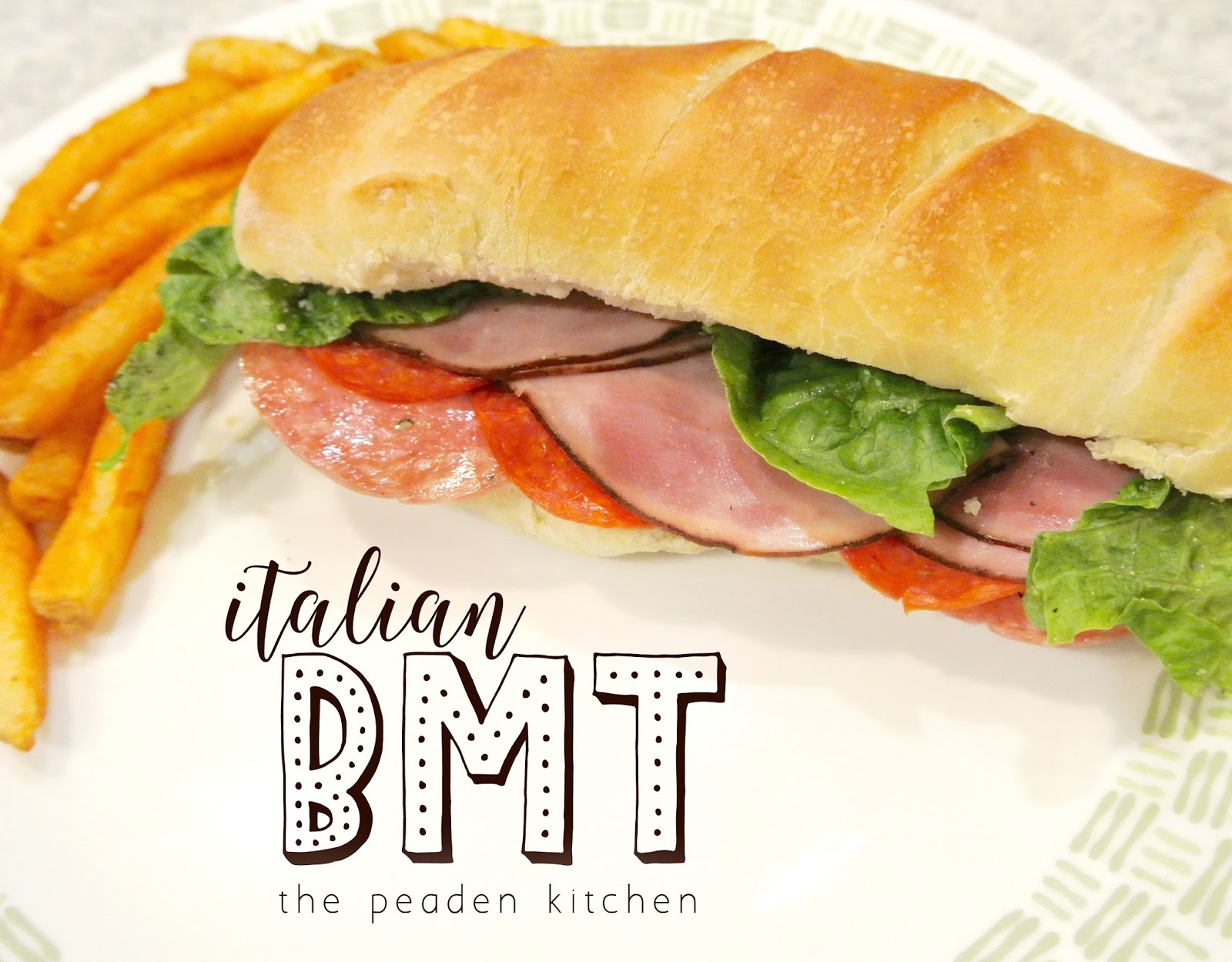
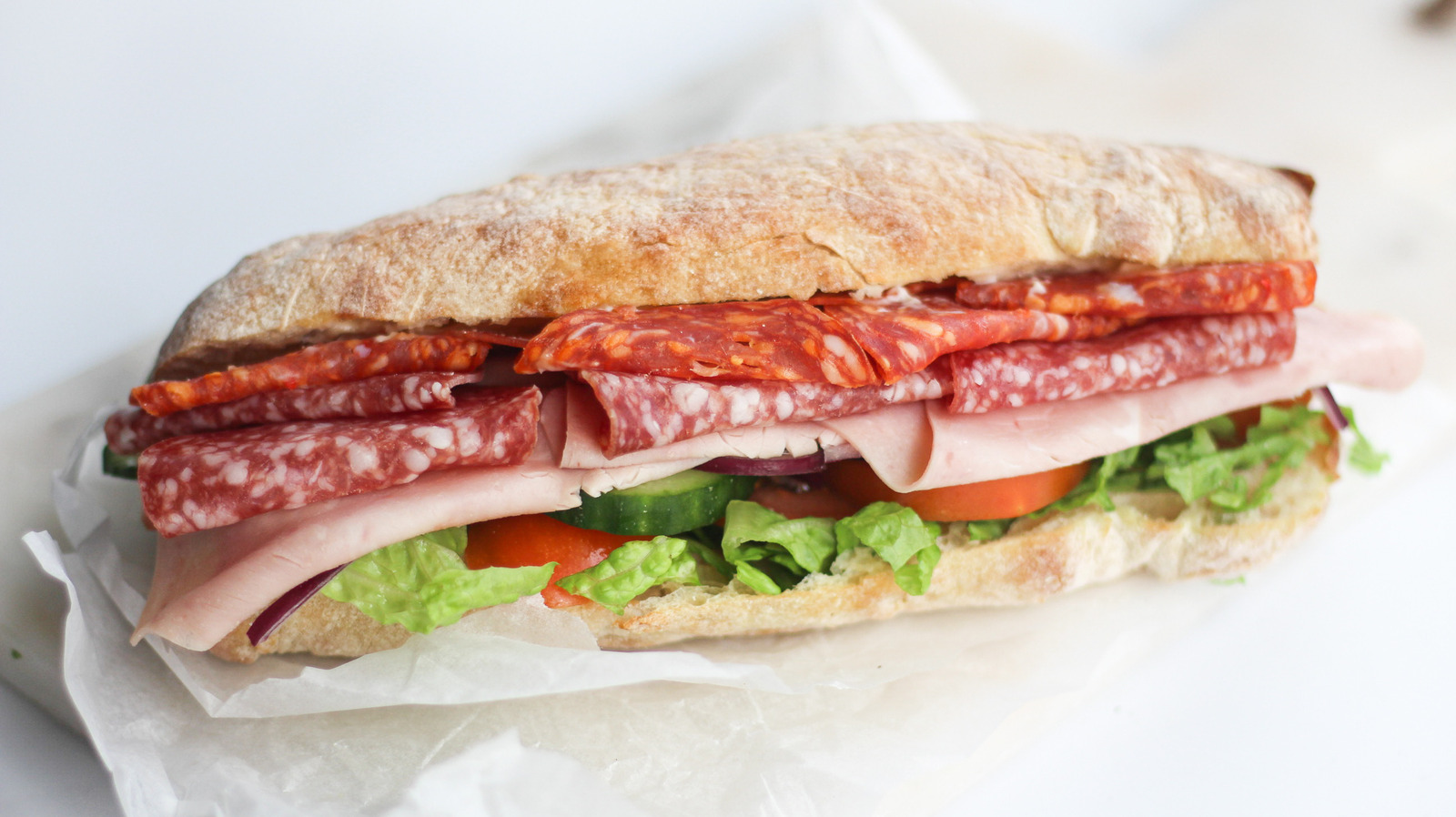
The Subway BMT is more than just a combination of pepperoni, salami, and ham. It is a masterclass in brand longevity. By successfully navigating the transition from a local transit reference to a global descriptive acronym, Subway has maintained a link to its past while securing its future.
For brand strategists, the BMT serves as a reminder that a name is not just a label—it is an asset that must be managed, protected, and occasionally reimagined. In a world of fleeting trends and constant rebranding, the BMT stands as a testament to the power of staying power, proving that sometimes, the best way to move forward is to give your history a new reason to exist. Whether it’s the Brooklyn-Manhattan Transit or the Biggest, Meatiest, and Tastiest, the BMT remains a cornerstone of one of the world’s most recognizable corporate identities.
aViewFromTheCave is a participant in the Amazon Services LLC Associates Program, an affiliate advertising program designed to provide a means for sites to earn advertising fees by advertising and linking to Amazon.com. Amazon, the Amazon logo, AmazonSupply, and the AmazonSupply logo are trademarks of Amazon.com, Inc. or its affiliates. As an Amazon Associate we earn affiliate commissions from qualifying purchases.