
The allure of blonde hair is undeniable, whether it’s a sun-kissed natural hue or a meticulously crafted salon shade. However, maintaining that perfect blonde often comes with its own set of challenges. One of the most common issues faced by blonde hair enthusiasts is the unwelcome development of brassy or yellow tones, which can detract from the desired cool or neutral blonde. Enter blue shampoo, a widely discussed haircare product that promises to combat these undesirable shifts in color. But what exactly is blue shampoo, and how does it achieve its neutralizing effect on blonde hair? This article will delve into the science and application of blue shampoo, exploring its mechanisms, benefits, and best practices for its use, all within the technological framework of color science and product formulation.

Understanding the Science of Color Neutralization
The effectiveness of blue shampoo lies in the fundamental principles of color theory, specifically the concept of complementary colors. When applied to hair, the pigments in blue shampoo work by counteracting unwanted warm tones, thereby enhancing and preserving the desired cool or neutral blonde shade.
The Color Wheel and Hair Tones
The color wheel is a visual representation of color relationships, where colors are arranged in a circular format. Complementary colors are positioned directly opposite each other on the wheel. When two complementary colors are mixed, they cancel each other out, resulting in a neutral shade, or brown. In the context of hair color, understanding these relationships is crucial for managing unwanted tones.
- Yellow Tones: Blonde hair, particularly when subjected to environmental factors like sun exposure, heat styling, or even certain water impurities, can oxidize. This oxidation process often leads to the emergence of warm, brassy tones, most commonly yellow. On the color wheel, the direct complement to yellow is violet. However, the technology behind blue shampoo leverages a slightly different approach, focusing on the interplay between blues and yellows within the broader spectrum.
- Orange Tones: Deeper blondes and brunettes that are lightened can sometimes develop orange undertones. The complement to orange on the color wheel is blue. This is why blue shampoo is particularly effective at neutralizing the more brassy, orange-leaning yellow tones that can appear in lighter blondes.
- Red Tones: While less common in typical blonde maintenance, red undertones can emerge in very dark hair that has been lifted. The complement to red is green. Shampoos designed to counteract red tones would therefore incorporate green pigments.
The Role of Pigments in Blue Shampoo
Blue shampoo contains finely milled, highly concentrated blue pigments. These pigments are typically semi-permanent or temporary, meaning they adhere to the surface of the hair shaft rather than penetrating it deeply like permanent dyes. When the blue shampoo is lathered and massaged into wet hair, these blue pigments deposit onto the hair cuticle.
- Light Reflection and Perception: The science behind how we perceive color plays a significant role. When light hits the hair, it reflects off the surface. If the hair has yellow undertones, the light reflected will appear warmer. By depositing blue pigments onto the hair, the shampoo effectively “neutralizes” the yellow by absorbing or reflecting certain wavelengths of light. The blue molecules are designed to absorb the yellow wavelengths, making the hair appear less yellow and therefore more neutral or ash-toned to the human eye.
- pH and Cuticle Interaction: The formulation of blue shampoo also considers the pH level. Typically, shampoos for colored hair have a slightly lower pH, which helps to close the hair cuticle. A closed cuticle is smoother and reflects light more evenly, contributing to a shinier appearance and also helping to keep the deposited pigments in place for longer. The interaction between the pigment particles and the hair cuticle is a finely tuned aspect of hair dye technology.
How Blue Shampoo Works: The Neutralization Process
The practical application of blue shampoo is straightforward, but understanding why it works involves a bit more about how the pigments interact with the hair’s existing color. The goal is not to add blue color to the hair, but rather to cancel out the unwanted yellow.
Depositing and Depositing-Neutralizing Pigments
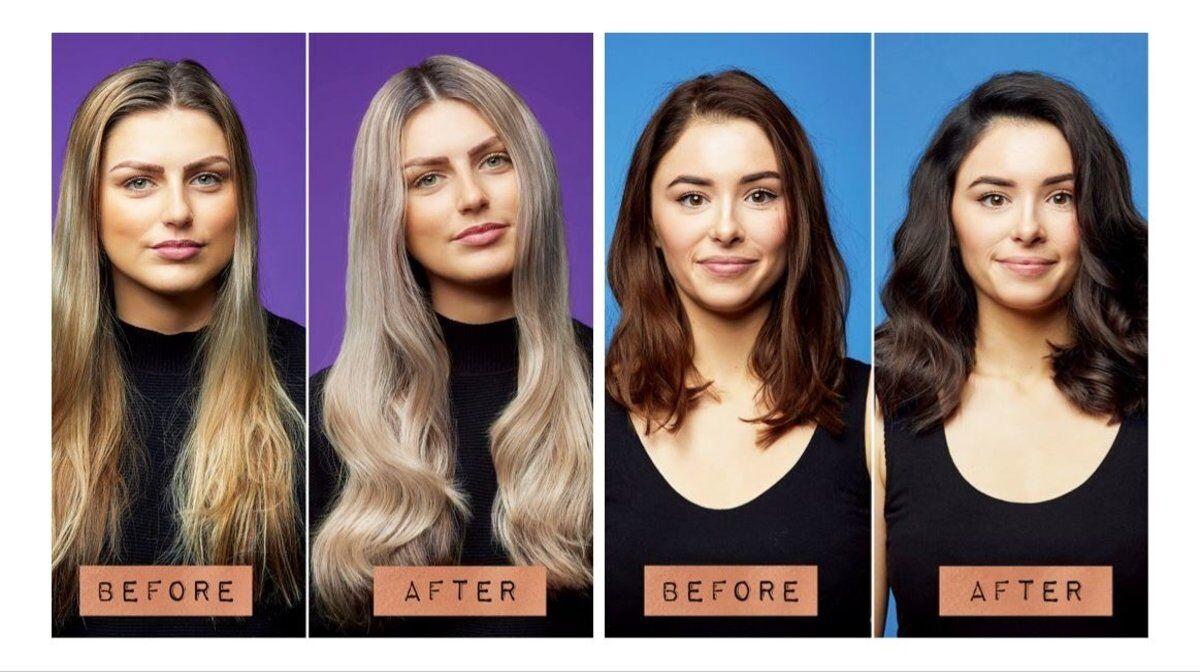
When blue shampoo is used, it doesn’t dye the hair blue in the way a direct dye would. Instead, it deposits a very fine layer of blue pigment onto the surface of the hair shaft. This deposited layer acts as a visual counterbalance to the underlying yellow tones.
- Surface-Level Application: The blue pigments are designed to sit on the outer layer of the hair, the cuticle. This is a crucial distinction from permanent hair dyes, which alter the hair’s internal melanin. Because the pigments are on the surface, their effect is temporary and can be washed away with subsequent washes, especially if regular, non-color-depositing shampoos are used.
- Optical Illusion: The neutralization is, in essence, an optical illusion created by the brain’s perception of color. When the blue pigment is present, it absorbs the yellow wavelengths of light, preventing them from being reflected back to the eye. This makes the hair appear less yellow and more of the intended blonde shade. Think of it like overlaying a thin, sheer blue filter onto a yellow object – the yellow still exists, but its perceived intensity is significantly reduced.
The Frequency and Duration of Use
The effectiveness and potential for over-toning depend heavily on how often blue shampoo is used and how long it’s left on the hair. This is where user control and understanding of the technology come into play.
- Targeted Application: Blue shampoo is generally recommended for use once or twice a week, or as needed, to maintain the desired tone. Overuse can lead to the blue pigments building up, resulting in a slightly blue or purple cast, particularly on very porous or lightened hair. This is an example of saturation, where the hair can only absorb so much pigment before unwanted side effects become visible.
- Processing Time: The duration the shampoo is left on the hair during each wash is another critical factor. Most manufacturers suggest leaving blue shampoo on for 2-5 minutes, allowing sufficient time for the pigments to deposit and neutralize. For those with very light or porous blonde hair, shorter processing times, even just 30 seconds to a minute, might be sufficient. This controlled exposure ensures the desired neutralization without over-depositing color.
Optimal Usage and Considerations for Blonde Hair
While blue shampoo is a powerful tool for blonde hair maintenance, its effective and safe use requires an understanding of its properties and how they interact with different hair types and conditions. This involves a technical approach to hair care, where product choice and application are carefully considered.
Identifying the Right Blue Shampoo
Not all “blue” shampoos are created equal, and the specific shade of blue in the formulation can influence its effectiveness. The intensity and undertones of the blue pigment are carefully engineered to target specific warm tones.
- Blue vs. Violet: It’s important to distinguish between blue and violet shampoos. Violet shampoos are designed to counteract yellow tones, as violet is the direct complement to yellow. Blue shampoos are generally more effective at neutralizing brassy yellow tones that lean towards orange, and can also tackle some orange undertones themselves. For very light, platinum blondes, a violet-toned shampoo might be preferred to combat pure yellow. For warmer blondes or those experiencing more pronounced brassiness, a blue shampoo often provides a more effective solution.
- Pigment Concentration: The concentration of pigments varies between brands and product lines. Some blue shampoos are designed for daily use and have a lower pigment concentration, offering a gentler toning effect. Others are more potent and are intended for weekly or bi-weekly use. Reading product descriptions and understanding the intended use is key to selecting the right product for your specific needs.
Hair Porosity and Its Impact
The porosity of hair refers to its ability to absorb and retain moisture, which is directly influenced by the condition of the hair cuticle. This is a significant factor in how hair interacts with color-depositing products like blue shampoo.
- Low Porosity Hair: Hair with a tightly closed cuticle is considered low porosity. This type of hair can be resistant to absorbing moisture and color. For low porosity hair, blue shampoo might require a longer processing time or a slightly warmer water temperature (though caution is advised with heat) to allow the pigments to deposit effectively. However, there’s also a higher risk of superficial pigment buildup if not rinsed thoroughly.
- High Porosity Hair: Hair with an open cuticle, often due to damage from chemical treatments, heat styling, or environmental factors, is considered high porosity. This hair readily absorbs moisture and color but also loses it quickly. High porosity hair is more susceptible to over-toning with blue shampoo. The pigments can penetrate more deeply and adhere more readily, potentially leading to an unintended blue or purple cast. Shorter processing times and cooler water are generally recommended for high porosity hair. A careful balance of the shampoo’s chemical properties and the hair’s structural characteristics is essential.

Preventing Over-Toning and Maintaining Balance
The goal of blue shampoo is to neutralize, not to dye. Over-toning can occur when the pigments deposit more intensely than desired, leading to an unnatural hue. This highlights the importance of precise application and regular assessment.
- Strand Test: Before applying blue shampoo to your entire head, especially for the first time or if you have very light or porous blonde hair, performing a strand test is highly recommended. Apply the shampoo to a small, inconspicuous section of hair and leave it on for the recommended time. Rinse and assess the color. This allows you to gauge how your hair will react to the product and adjust the processing time accordingly. This is a fundamental application of experimental design in a personal context.
- Alternating with Hydrating Shampoos: To prevent pigment buildup and keep hair healthy, it’s advisable to alternate blue shampoo with your regular hydrating shampoo. This ensures that the toning benefits are delivered without overwhelming the hair with pigments. A consistent schedule and the use of complementary haircare products are key to a balanced haircare regimen. The technology behind modern haircare involves a synergistic approach to product formulation and usage.
By understanding the scientific principles behind color neutralization, the mechanisms of pigment deposition, and the individual characteristics of your hair, you can effectively use blue shampoo to maintain vibrant, healthy-looking blonde hair, free from unwanted brassy tones.
aViewFromTheCave is a participant in the Amazon Services LLC Associates Program, an affiliate advertising program designed to provide a means for sites to earn advertising fees by advertising and linking to Amazon.com. Amazon, the Amazon logo, AmazonSupply, and the AmazonSupply logo are trademarks of Amazon.com, Inc. or its affiliates. As an Amazon Associate we earn affiliate commissions from qualifying purchases.