
In the modern agricultural landscape, the age-old question of “what does blight look like on tomato plants” has migrated from the dusty pages of botanical textbooks into the sophisticated neural networks of AgTech (Agricultural Technology). Blight—specifically early blight (Alternaria solani) and late blight (Phytophthora infestans)—remains one of the most devastating threats to global food security. However, the method of identification is undergoing a digital revolution. Where farmers once relied on manual inspections and subjective assessments, they now utilize computer vision, multispectral imaging, and deep learning algorithms to detect necrotic patterns with surgical precision.
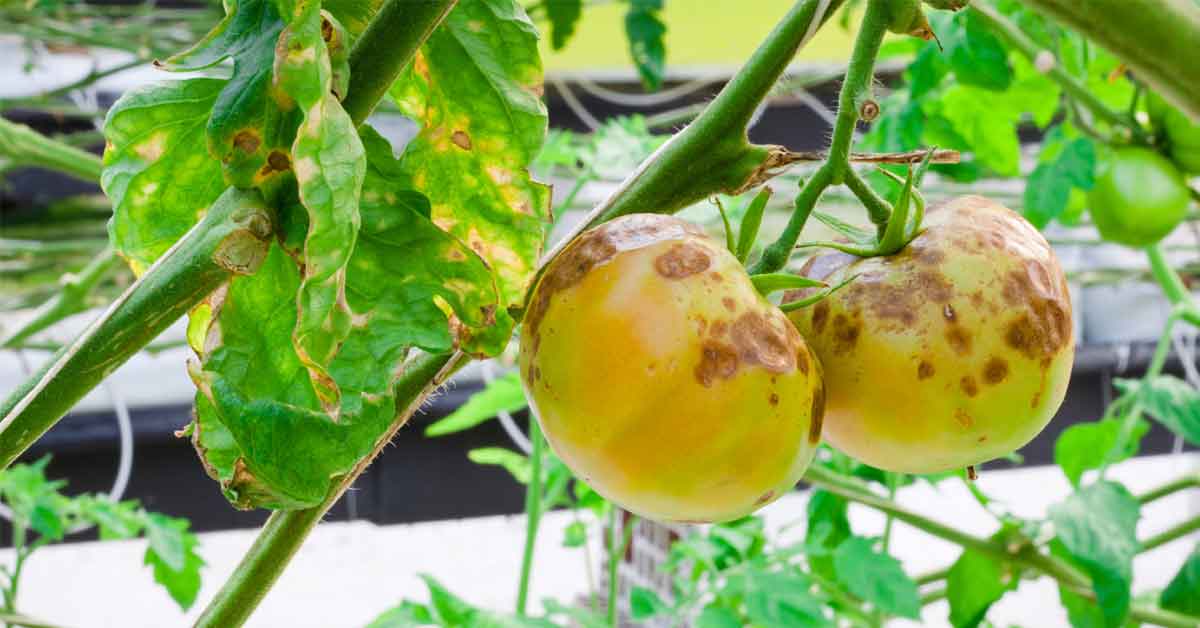
This technological shift does more than just identify a disease; it transforms biological symptoms into actionable data points. To understand what blight looks like today is to understand the intersection of phytopathology and high-level software engineering.
The Digital Diagnosis: How Computer Vision Identifies Early Signs of Blight
The human eye is limited by its perception of the visible spectrum and its inability to process thousands of data points simultaneously. In the tech sector, the identification of blight is approached through Computer Vision (CV), specifically using Convolutional Neural Networks (CNNs). These AI models are trained to recognize the specific morphological characteristics of blight that might be invisible to a casual observer.
Training Models on Pathological Datasets
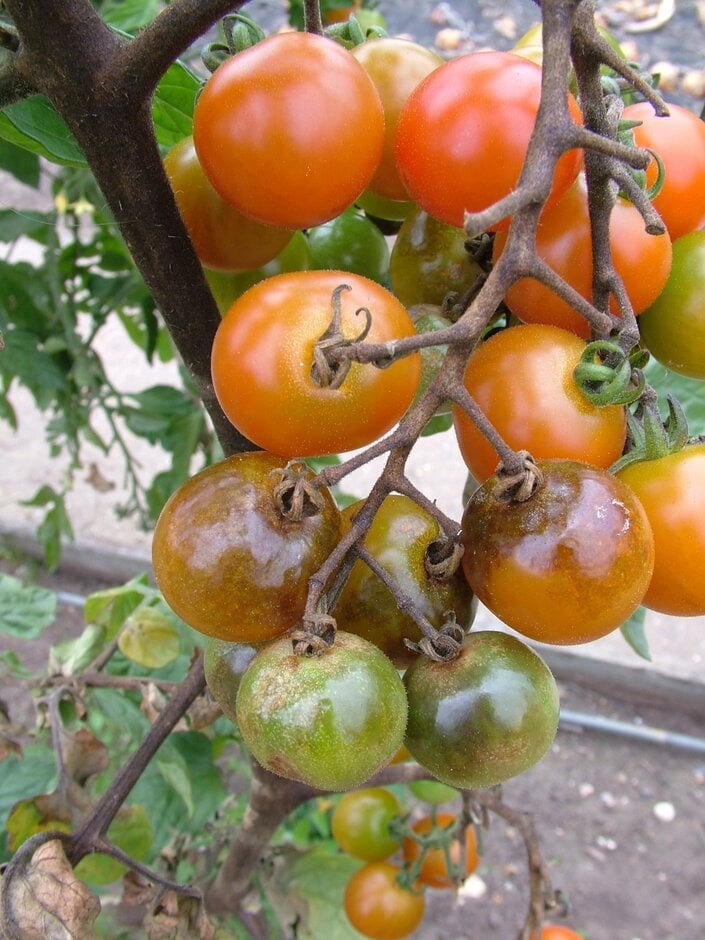
To a machine, “what blight looks like” is defined by a dataset. Developers utilize massive libraries of annotated images—such as the PlantVillage dataset—containing thousands of photos of healthy versus infected tomato leaves. During the training phase, the AI learns to identify the “target-like” concentric rings characteristic of early blight. By analyzing pixel clusters, the software distinguishes between the dark, water-soaked patches of late blight and the dry, papery lesions of early blight. The technology focuses on edge detection and texture analysis, allowing the software to categorize the severity of the infection on a scale that human observation cannot match.
Real-time Analysis via Edge Computing
Modern identification does not happen in a vacuum; it happens at the “edge.” Edge computing allows mobile devices and specialized hardware to process high-resolution images of tomato plants locally without needing a constant cloud connection. When a user points a smartphone camera at a leaf, the on-device AI executes an inference model. It looks for chlorosis (yellowing) and necrosis (cell death) patterns. If the model identifies the specific jagged margins of a late blight lesion, it can provide an immediate diagnostic report. This real-time processing is essential for containment, as late blight can decimate an entire field in a matter of days.
Smart Hardware: IoT Sensors and Drone Integration for Field-Wide Detection
While smartphone apps are excellent for small-scale gardening, industrial-scale tomato production requires a more robust tech stack. This involves the deployment of Internet of Things (IoT) sensors and Unmanned Aerial Vehicles (UAVs) equipped with advanced optical sensors.
Multispectral Imaging and NDVI Mapping
One of the most significant breakthroughs in identifying blight is the use of multispectral imaging. Unlike standard RGB cameras, multispectral sensors capture data within specific wavelength bands, including near-infrared (NIR). When tomato plants are stressed by blight, their cellular structure changes, affecting how they reflect light.
By calculating the Normalized Difference Vegetation Index (NDVI), software can visualize “unseen” blight. On an NDVI map, healthy vegetation reflects high levels of NIR, while blighted tissue shows a significant drop. This allow tech-integrated farms to see “hotspots” of infection days before the brown spots actually become visible to the naked eye. This “pre-visual” identification is the holy grail of AgTech, enabling preventative measures that save entire harvests.
Automated Alert Systems for Large-Scale Farming
The integration of these hardware components creates a comprehensive monitoring ecosystem. IoT nodes placed throughout the greenhouse or field monitor humidity and leaf wetness—the two primary environmental drivers of blight. When the sensors detect conditions ripe for Phytophthora infestans, they trigger automated alerts to the farm management software. If a drone flight subsequently identifies a drop in NIR reflectance in a specific quadrant, the system can automatically flag that area for a localized fungicide application, significantly reducing chemical usage and operational costs.
Software Ecosystems for the Modern Grower
The tech behind blight identification isn’t just about the “look” of the disease; it’s about the “data” of the disease. Specialized software platforms now act as the central nervous system for agricultural operations, synthesizing visual data into management strategies.
App-Based Diagnostics for Urban Gardeners
For the hobbyist or small-scale farmer, companies like Plantix and LeafSnap have democratized access to high-level diagnostic AI. These apps utilize a community-driven feedback loop; every time a user uploads a photo of blight, the global model becomes more accurate. These platforms offer a “SaaS” (Software as a Service) approach to gardening, providing not just identification but a full digital history of the plant’s health, weather integration, and curated treatment plans based on local regulations.
Data Security and Intellectual Property in Agricultural Tech
As identification software becomes more precise, the value of the data increases. There is an emerging niche in digital security specifically for AgTech. Large corporate farms treat their crop health data as a trade secret. If a competitor knows a specific region is struggling with blight through intercepted drone data, it could influence market pricing and futures. Consequently, modern blight-detection software now incorporates end-to-end encryption and blockchain-based data logging to ensure that the visual “fingerprint” of a farm’s health remains private and secure.
The Future of Biotech and Digital Twins in Preventing Crop Disease
Looking forward, the identification of blight is moving toward the realm of predictive simulation and “Digital Twins.” This represents the pinnacle of current agricultural technology, moving from reactive identification to proactive prevention.
Simulating Infection Spread through Predictive Analytics
A Digital Twin is a virtual replica of a physical tomato plant or field. By feeding real-time visual data and environmental metrics into a digital twin, AI can simulate how blight will look in three days, one week, or one month under various weather conditions. These simulations use Monte Carlo methods and complex fluid dynamics to predict how spores will travel through the air or water. This tech allows growers to “see” the future of the infection, providing a visual roadmap for intervention before the biological blight even manifests.
Synthetic Data and Generative AI for Pathogen Recognition
One of the challenges in tech-based identification is the lack of “rare” disease images. To solve this, developers are using Generative Adversarial Networks (GANs) to create synthetic images of blighted tomatoes. These AI-generated images are so realistic that they can be used to train other AI models. This “AI training AI” cycle allows for the creation of incredibly sensitive diagnostic tools that can identify even the rarest mutations or strains of blight. It ensures that the software is prepared for new variations of the pathogen that haven’t even emerged in the wild yet.
Conclusion: The New Face of Agricultural Intelligence
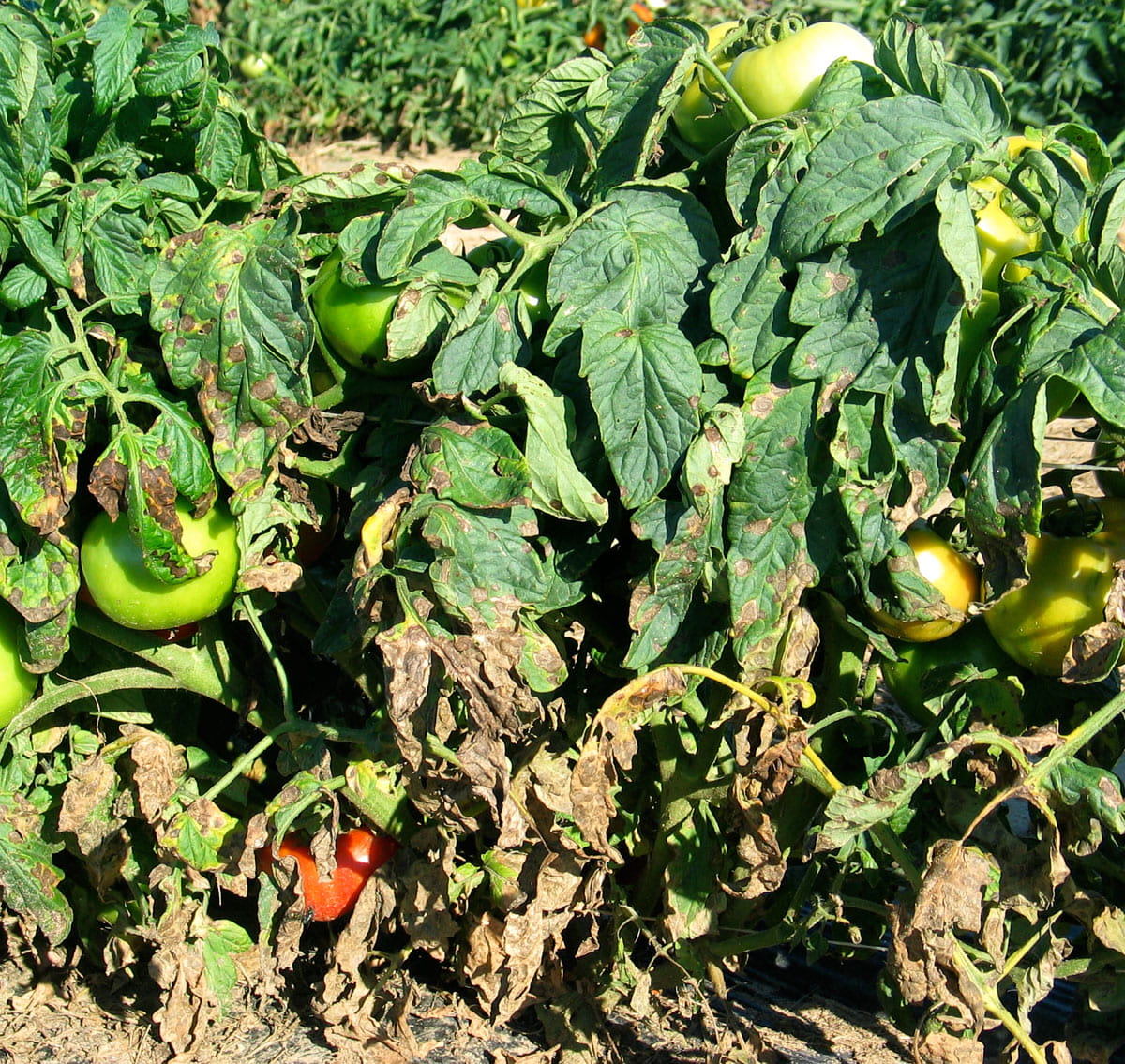
What does blight look like on tomato plants? To the modern technologist, it looks like a drop in NIR reflectance, a specific cluster of necrotic pixels in a CNN, and a localized spike in humidity data on an IoT dashboard.
The transition from manual observation to high-tech identification is not merely a matter of convenience; it is a necessity in an era of climate volatility and rising food demand. By leveraging computer vision, multispectral imaging, and predictive analytics, the tech industry has provided farmers with a digital “sixth sense.” This technological evolution ensures that when blight does strike, it is identified with a level of speed and accuracy that was once unimaginable, moving us closer to a future where crop failure is a data problem to be solved rather than an inevitable biological disaster.
aViewFromTheCave is a participant in the Amazon Services LLC Associates Program, an affiliate advertising program designed to provide a means for sites to earn advertising fees by advertising and linking to Amazon.com. Amazon, the Amazon logo, AmazonSupply, and the AmazonSupply logo are trademarks of Amazon.com, Inc. or its affiliates. As an Amazon Associate we earn affiliate commissions from qualifying purchases.