
In the contemporary landscape of consumer goods, few products have successfully navigated the transition from hyper-local traditional medicine to global skincare staple as effectively as African Black Soap. However, for brand strategists and marketing professionals, the question “What does black soap do?” extends far beyond its dermatological benefits. In a strategic context, Black Soap serves as a masterclass in heritage branding, cultural capital, and the commodification of authenticity.
What Black Soap “does” is provide a blueprint for how a raw, unrefined commodity can disrupt a multi-billion dollar industry by leveraging transparency, ethical storytelling, and a rejection of traditional cosmetic packaging norms. This article explores the strategic mechanics behind the rise of Black Soap as a brand phenomenon and what it teaches us about modern corporate identity.
1. The Power of Authenticity: Defining the Heritage Brand
In an era of “greenwashing” and synthetic perfection, authenticity has become the most valuable currency a brand can possess. Black Soap—traditionally known as Ose Dudu or Alata Samina—is not just a product; it is a repository of West African heritage. From a brand perspective, it represents the pinnacle of “Foundational Branding.”
The Narrative of Unrefined Excellence
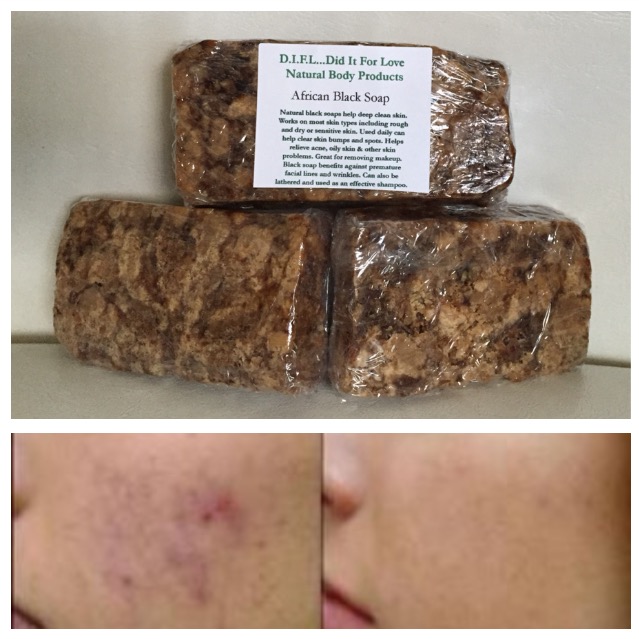
Modern branding often focuses on the “polish”—the sleek bottle, the minimalist logo, and the laboratory-tested perfection. Black Soap does the opposite. Its physical appearance—lumpy, uneven, and earthy—functions as a visual shorthand for “purity.” By refusing to conform to the uniform shape of a standard soap bar, the product communicates a message of being untouched by corporate over-processing. For a brand, this visual non-conformity acts as an immediate differentiator in a crowded marketplace.
Leveraging Cultural Capital
The “brand” of Black Soap is built on centuries of communal knowledge. When a company incorporates Black Soap into its portfolio, it isn’t just selling a surfactant; it is borrowing cultural capital. This heritage provides an “un-buyable” backstory. In strategic terms, this is known as “Legacy Anchoring.” By tethering a brand to an ancient tradition, marketers bypass the skepticism often directed at new, synthetic inventions. The product does the heavy lifting of establishing trust before the consumer even reads the ingredient list.
2. Market Positioning: From Local Tradition to Global Luxury
The evolution of Black Soap’s market position is a fascinating study in “Premiumization.” Historically found in local markets or specialized ethnic grocers, the product has migrated to the shelves of high-end retailers like Sephora and Ulta. Understanding what Black Soap “does” in terms of market movement requires looking at how it redefined its target demographic.
Disrupting the “Ethnic” Aisle Silhouette
For decades, retail strategies relied on strict categorization, often siloing traditional products into “ethnic” sections. However, the strategic rebranding of Black Soap focused on its universal efficacy. By highlighting its role as a “miracle worker” for acne, hyperpigmentation, and aging, brands successfully moved Black Soap into the “Derm-Cosmetic” and “Clean Beauty” categories. This shift expanded the Total Addressable Market (TAM) from a specific cultural demographic to a global audience seeking organic solutions.
The Rise of the “Hero Product” Strategy
In brand architecture, a “Hero Product” is an item that serves as the entry point for a consumer into a wider ecosystem. Black Soap has become the ultimate hero product for many organic and Black-owned skincare brands. Because of its high efficacy and low price point relative to luxury serums, it acts as a “gateway” brand asset. Once a consumer experiences the “doing” of Black Soap—the immediate results on their skin—brand loyalty is established, allowing the company to cross-sell more expensive moisturizers and oils.
3. The Clean Beauty Narrative: Leveraging Transparency for Consumer Trust
The modern consumer is increasingly literate in ingredient labels. “Clean Beauty” is no longer a niche; it is a market requirement. Black Soap does something unique here: it offers a “Short-Label” strategy that serves as a defensive moat against competitors using complex chemical formulations.

The Radical Transparency of Simple Ingredients
Most Black Soaps consist of just four to five ingredients: cocoa pods, palm tree leaves, shea butter, and water. In the world of marketing, this is “Radical Transparency.” While other brands spend millions on R&D to explain why their synthetic ingredients are safe, Black Soap brands simply point to the earth. This simplicity reduces the cognitive load on the consumer and builds an aura of safety and honesty around the brand identity.
Visual Identity and Aesthetic Minimalism
The branding of Black Soap often leans into “Wabi-sabi” aesthetics—the beauty of imperfection. In terms of design strategy, this allows brands to use sustainable, recycled, or minimal packaging that aligns with the “raw” nature of the product. This consistency between the product’s physical form and its brand promise is critical. When the packaging, the product, and the marketing message all point toward “unprocessed nature,” the brand’s integrity is solidified.
4. Scaling with Integrity: Supply Chain as a Brand Pillar
Perhaps the most significant thing Black Soap “does” for a modern brand is provide a platform for Corporate Social Responsibility (CSR). In the 21st century, how a product is made is just as important as what the product is.
Ethical Sourcing as a Value Proposition
Most authentic Black Soap is produced by women’s cooperatives in Ghana and Nigeria. For a global brand, this supply chain is not just a logistics matter; it is a core part of the brand’s value proposition. By highlighting “Fair Trade” and “Sustainably Sourced” labels, brands transform the act of buying soap into an act of social activism. This creates an emotional resonance with the “Conscious Consumer,” a demographic that is willing to pay a premium for products that support global equity.
The Risk of Cultural Appropriation vs. Appreciation
As Black Soap becomes more mainstream, brand strategy must navigate the fine line between appreciation and appropriation. What the product “does” in a negative sense is expose brands that attempt to “sanitize” or “westernize” the product to the point of losing its origin. Successful brands manage this by ensuring their marketing materials give credit to the West African origins and by investing back into the communities that produce the raw materials. This creates a “Circular Brand Economy” that benefits both the corporation and the artisan.
5. The Future of Heritage Commodities in the Digital Age
As we look toward the future of branding, Black Soap serves as a precursor to a wider trend: the “Global-Local” (Glocal) movement. This involves taking highly localized, traditional products and using digital storytelling to give them global reach.
Social Proof and the Viral Loop
What Black Soap does in the digital space is generate “Organic Social Proof.” Because the results are often dramatic—clearing skin issues that high-end chemicals could not—it is a favorite for “Before and After” content on platforms like TikTok and Instagram. This user-generated content (UGC) is the most powerful marketing tool available today. It costs the brand nothing but provides high-trust testimonials that drive rapid scaling.
Diversification and Brand Extension
The success of Black Soap has paved the way for brand extensions. We are now seeing “Black Soap Infused” shampoos, body washes, and even household cleaners. Strategically, this allows a brand to “halo” the trust built by the original soap bar onto an entire product line. This is the ultimate goal of any brand strategy: to create a name so trusted that its presence on any label guarantees a purchase.
Conclusion: The Strategic Legacy of Black Soap
So, what does Black Soap do?
From a dermatological perspective, it cleanses and heals. But from a brand strategy perspective, it disrupts, educates, and empowers. It proves that authenticity is more powerful than a massive advertising budget and that a product’s “imperfections” can actually be its greatest marketing strengths.
For brands looking to survive in an increasingly skeptical market, the lessons of Black Soap are clear: lean into your heritage, simplify your message, be radically transparent about your ingredients, and ensure your supply chain tells a story worth hearing. Black Soap isn’t just a skincare product; it is a blueprint for the future of ethical, heritage-driven commerce. By understanding the strategic “doing” of this ancient product, modern brands can find their own path to authenticity and global resonance.
aViewFromTheCave is a participant in the Amazon Services LLC Associates Program, an affiliate advertising program designed to provide a means for sites to earn advertising fees by advertising and linking to Amazon.com. Amazon, the Amazon logo, AmazonSupply, and the AmazonSupply logo are trademarks of Amazon.com, Inc. or its affiliates. As an Amazon Associate we earn affiliate commissions from qualifying purchases.