
When a consumer asks, “What does Black Opium smell like?” they are rarely looking for a simple chemical breakdown of notes. In the world of high-end perfumery and global retail, scent is more than an olfactory experience—it is a sophisticated brand asset. Since its launch in 2014 by Yves Saint Laurent (YSL) Beauty, Black Opium has transcended its status as a fragrance to become a masterclass in brand positioning, sensory marketing, and commercial longevity.
To understand what Black Opium smells like, one must look past the liquid in the bottle and examine the strategic architecture that built its identity. It is a fragrance defined by contrast: the dark, bitter energy of coffee met with the luminous softness of white flowers. This olfactory tension is the foundation of a brand identity designed to capture a specific demographic, maintain market dominance, and redefine the “gourmand” category for a modern era.
The Olfactory Identity: Translating Scent into Brand Language
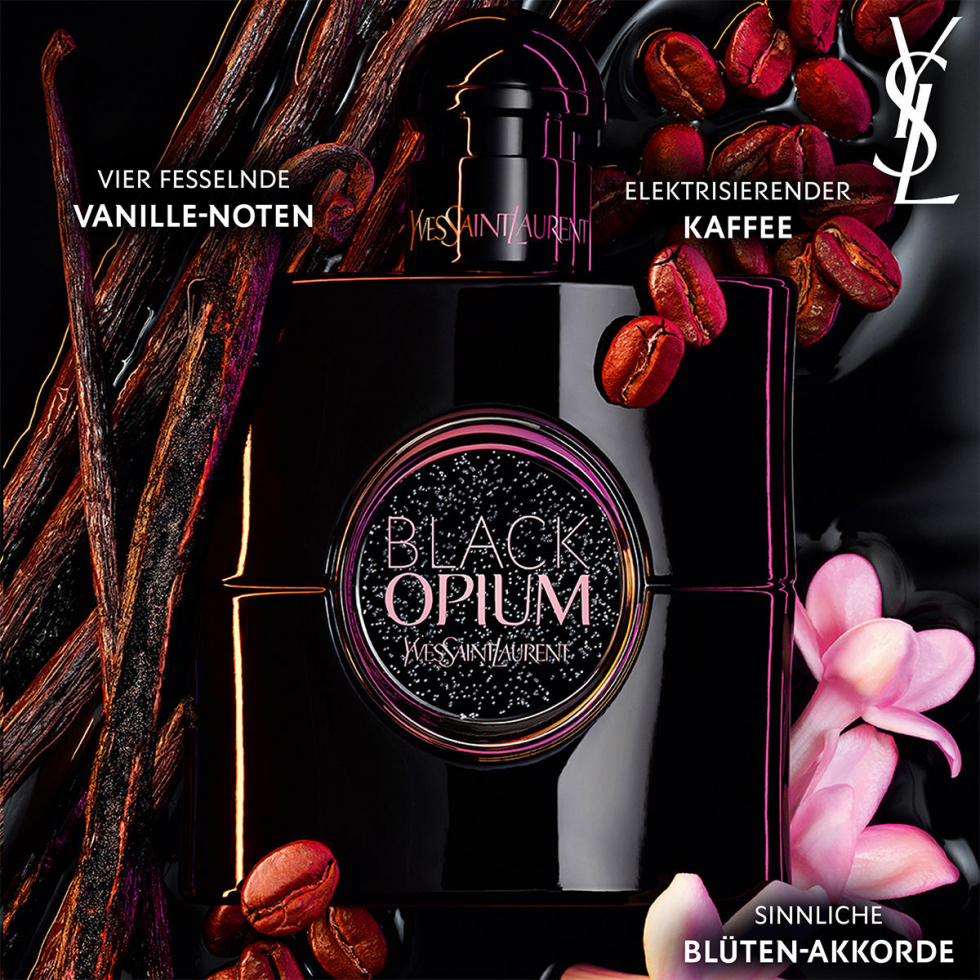
At its core, Black Opium is categorized as an “Amber Vanilla” fragrance, but its brand identity is built on a specific, disruptive element: the coffee note. In the fragrance industry, the scent profile is the “product,” but the emotional response is the “brand.”
The Disruptive Power of the Coffee Note
Traditional feminine fragrances often leaned heavily on florals or citrus. By placing a high concentration of black coffee at the heart of the fragrance, YSL created a “hook.” This scent profile smells like energy, adrenaline, and urban life. In branding terms, this was a move to differentiate the product in a saturated market. The bitterness of the coffee provides a counter-narrative to the sweetness of the vanilla, creating a “rock-and-roll” edge that separates it from more traditional, “dainty” scents.
The Contrast of White Florals and Vanilla
The “smell” of Black Opium is also defined by its base and heart of jasmine, orange blossom, and vanilla. This represents the brand’s “commercial safety net.” While the coffee provides the edge, the vanilla and white flowers provide the wearability and mass appeal. From a brand strategy perspective, this is a “balanced portfolio” within a single bottle. The edgy notes attract the trendsetters, while the sweet, familiar notes ensure repeat purchases and high consumer satisfaction ratings.
Positioning and the “Rock-Chic” Persona
Every successful brand has a persona, and Black Opium’s is meticulously crafted. The scent is the sensory manifestation of the “rock-chic” aesthetic that YSL has championed for decades. When asking what it smells like, the answer is inseparable from the image of the woman who wears it: she is adventurous, nocturnal, and unapologetically bold.
Targeting the Millennial and Gen Z Demographics
The original Opium fragrance, launched in 1977, was a powerhouse of spice and incense, targeted at an older, more established clientele. Black Opium was a strategic pivot to capture a younger audience. The “smell” was adjusted to be sweeter and more “edible” (gourmand), aligning with the flavor preferences of a generation raised on flavored lattes and dessert-inspired beauty products. This repositioning allowed YSL to revitalize its heritage brand while remaining relevant to a demographic that values “vibe” as much as quality.
Building a Brand Story Around Edgy Sophistication
The marketing campaigns for Black Opium, often featuring ambassadors like Zoë Kravitz, reinforce the scent’s identity. The fragrance doesn’t smell like a garden; it smells like a city at night. The brand strategy utilizes “dark” imagery—neon lights, leather jackets, and shadows—to tell a story of rebellion. This narrative is essential because it informs how the consumer perceives the scent. They aren’t just smelling vanilla; they are smelling the confidence of a night out in Paris or New York.
The Power of Visual Identity and Packaging
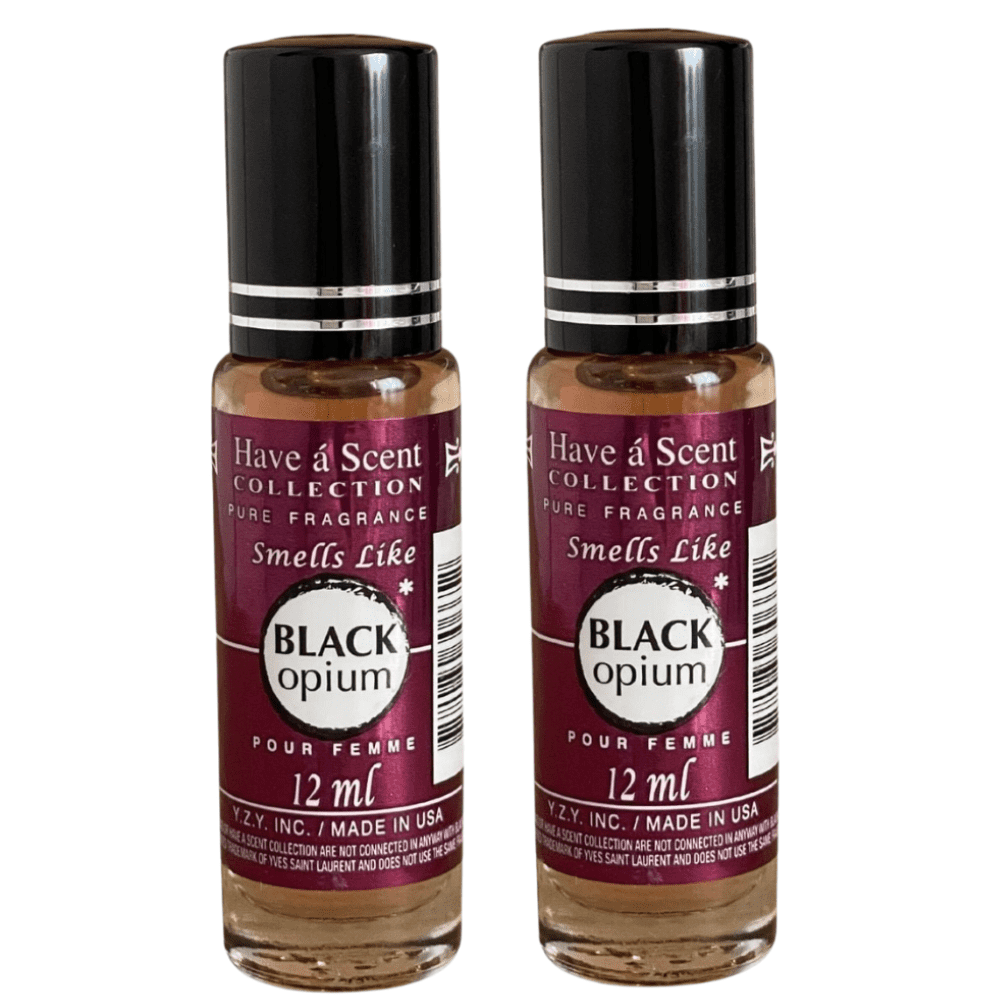
A brand’s visual identity must complement its sensory identity. The bottle of Black Opium is as recognizable as the fragrance itself, serving as a critical touchpoint in the consumer journey. The “smell” is teased by the sight of the vessel long before the first spray.
Glitzy Noir: The Bottle Design as a Marketing Tool
The bottle is finished in a glittery, matte black texture that feels like sandpaper or sequins. This tactile experience reinforces the “glam-rock” branding. The circular “window” in the center of the bottle reveals the pink juice inside, creating a visual contrast that mirrors the olfactory contrast between the dark coffee and the light florals. In the world of brand design, this is known as “synesthesia marketing”—where the visual and tactile elements prepare the brain for the olfactory experience.
Consistency Across Touchpoints
From the textured box to the heavy glass of the bottle, every physical aspect of Black Opium is designed to feel premium yet accessible. The glitter does not rub off; it is part of the glass. This communicates a sense of quality and durability, essential for a luxury brand maintaining a high price point. When a consumer wonders what the fragrance smells like, the bottle tells them: it is dark, it is sparkling, and it is expensive.
Market Longevity and the Flanker Strategy
One of the most impressive feats of the Black Opium brand is its ability to stay at the top of the bestseller lists for over a decade. This is achieved through a “flanker strategy”—the practice of releasing variations of the original scent to keep the brand in the cultural conversation.
Leveraging Brand Equity through Line Extensions
YSL has released numerous versions of Black Opium, such as “Black Opium Extreme,” “Black Opium Illicit Green,” and “Black Opium Le Parfum.” Each of these variations tweaks the “smell” slightly—adding more coffee, introducing green mandarin, or deepening the vanilla—but they all maintain the core DNA. This strategy allows the brand to appeal to different sub-segments of the market. If a consumer finds the original too sweet, there is a “flanker” that is more bitter. If they want something more intense for winter, there is an “extreme” version. This keeps the consumer within the brand ecosystem.
Maintaining Relevance in a Saturated Market
The fragrance market is notoriously fickle, with thousands of new launches every year. Black Opium maintains its position through aggressive marketing and a clear understanding of its “signature.” By staying true to the coffee-floral-vanilla core, the brand ensures that it remains a “reliable” choice. It has become a “safe” gift and a “blind-buy” favorite, which is the ultimate goal of any corporate fragrance strategy.
Personal Branding: What the Scent Communicates About the Wearer
Finally, the question “What does Black Opium smell like?” is answered by the personal brand of the wearer. Scent is a powerful tool for self-expression, and Black Opium carries a specific social currency.
The Psychology of Scent Selection in Identity Building
In professional and social settings, the fragrance a person chooses acts as a silent introduction. Choosing Black Opium suggests a persona that is modern, assertive, and perhaps a bit mysterious. It is a “power scent” for the evening but has become a staple for daytime wear for those who want to project a sense of “approachable darkness.” The vanilla provides the approachability, while the coffee provides the power.

Sensory Association and Memory
Because of its massive popularity, the smell of Black Opium is now associated with a specific era of fashion and social life. For many, it smells like the mid-2010s to the early 2020s. For others, it smells like “going out.” This level of cultural saturation is a testament to the brand’s success. It has moved beyond being a product to being a landmark in the cultural landscape.
In conclusion, Black Opium smells like a carefully calculated balance of disruption and comfort. It is the scent of a bitter espresso enjoyed in a field of white flowers, wrapped in a warm blanket of vanilla. But more importantly, it is the smell of a brand that knew exactly who its audience was and built a multi-sensory world for them to inhabit. Through strategic positioning, iconic packaging, and a relentless commitment to its core identity, Black Opium has secured its place as a cornerstone of the modern luxury brand portfolio.
aViewFromTheCave is a participant in the Amazon Services LLC Associates Program, an affiliate advertising program designed to provide a means for sites to earn advertising fees by advertising and linking to Amazon.com. Amazon, the Amazon logo, AmazonSupply, and the AmazonSupply logo are trademarks of Amazon.com, Inc. or its affiliates. As an Amazon Associate we earn affiliate commissions from qualifying purchases.