
In the high-octane world of motor racing, where milliseconds separate glory from defeat, rules are paramount. Among the myriad of flags and signals used to govern a race, few carry as much weight and dread as the black flag. It is the ultimate sanction, a definitive judgment from race control that signals the immediate expulsion of a competitor from the event. Far more than just a piece of cloth, the black flag embodies the very essence of sporting integrity, safety, and competitive fairness. Its implications extend beyond the track, weaving complex narratives through the realms of technology, brand reputation, and financial stability, echoing the core interests of a modern digital and business-focused audience.
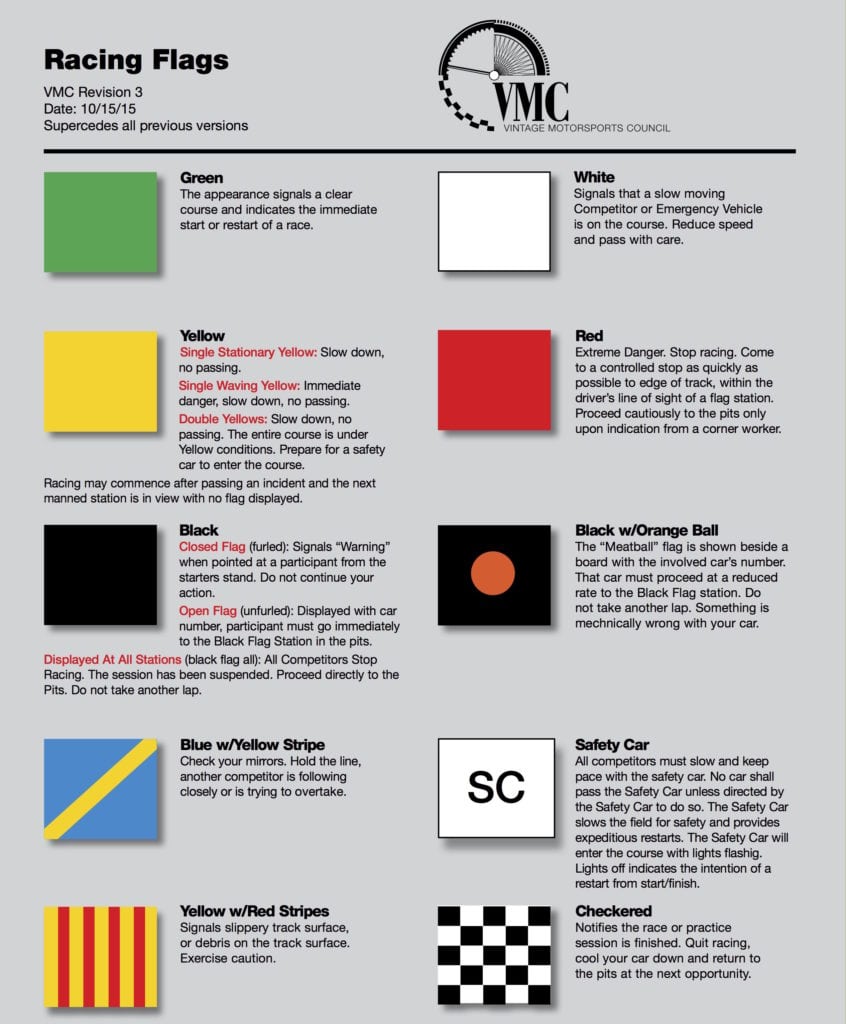
For any driver or team, seeing the black flag displayed with their car number is a gut-wrenching moment. It signifies a profound transgression, an act so severe that continued participation is deemed unacceptable. This article delves into the multi-faceted meaning of the black flag, exploring its practical application, the technological advancements that inform its deployment, the lasting impact it has on a driver’s and team’s brand, and the significant financial consequences that accompany such a grave penalty.
The Ultimate Penalty: Understanding the Black Flag’s Core Meaning
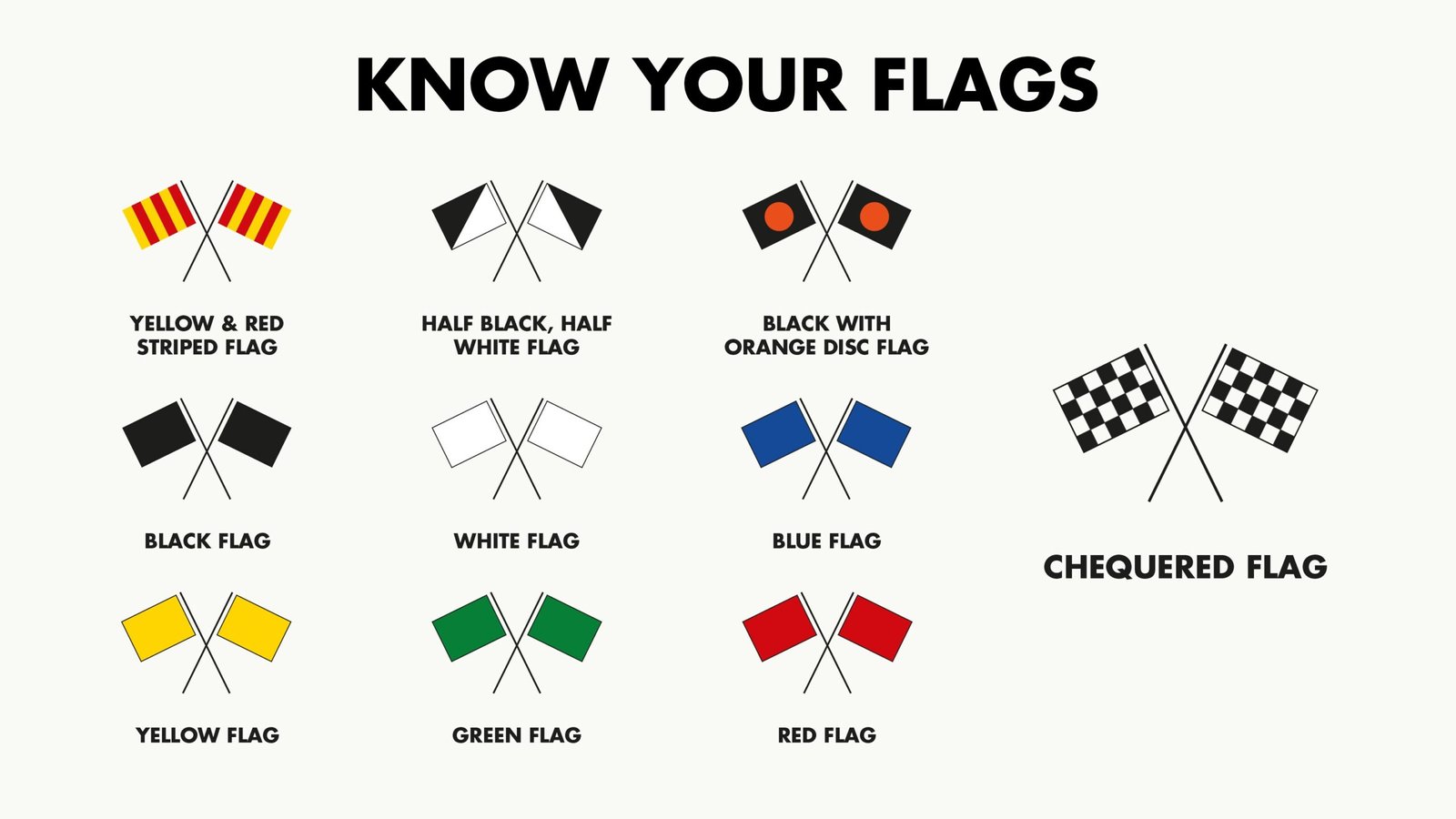
At its heart, the black flag in racing is an unequivocal order: “You are disqualified; return to the pits immediately.” It’s not a warning, nor a recommendation, but a mandatory instruction that, if ignored, can lead to even more severe sanctions. The visual simplicity of a black flag belies the complexity of the scenarios that can trigger its deployment and the profound consequences that follow.
Immediate Consequences and Safety Implications
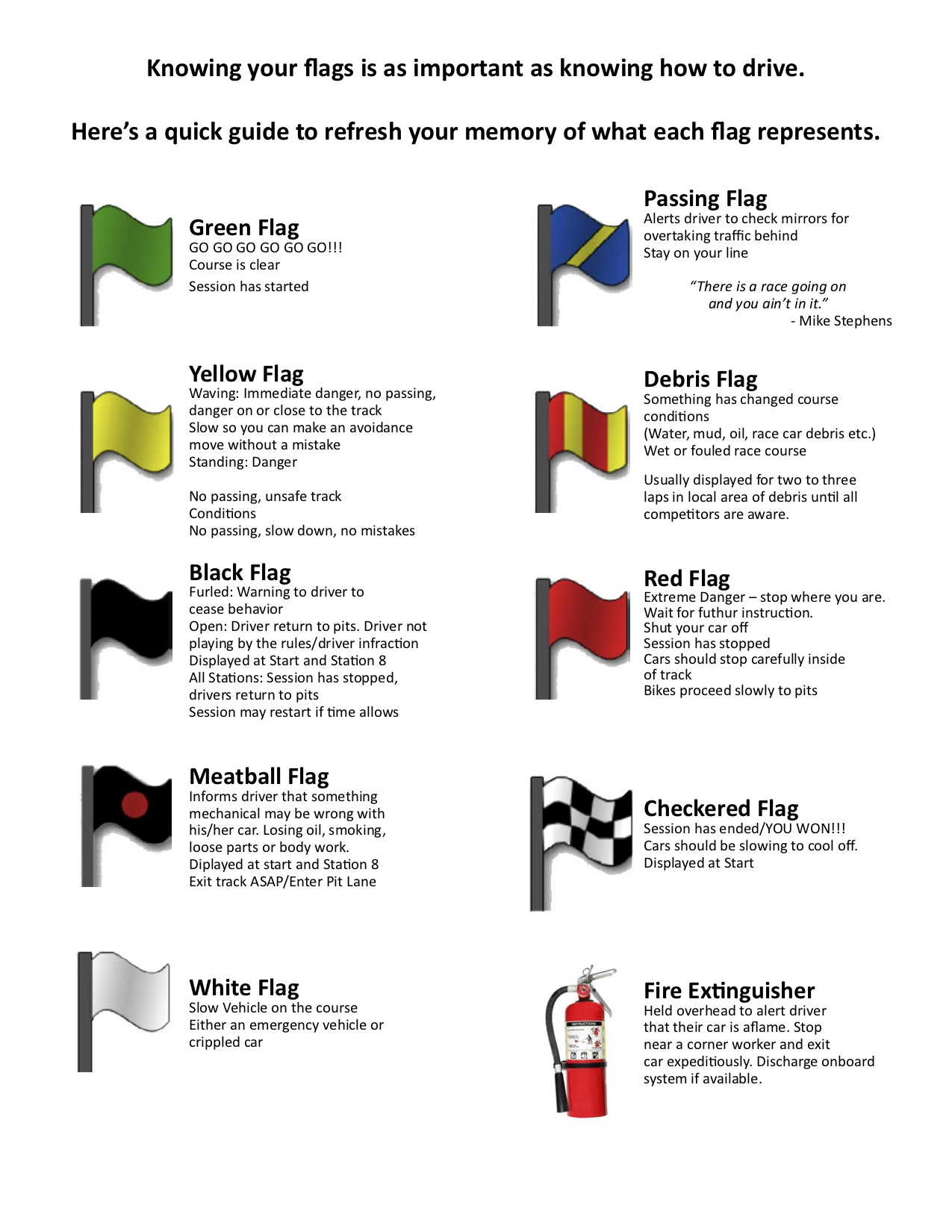
When a driver is shown the black flag, their race is over. There’s no appeal in that immediate moment, no second chance to rectify the situation on track. The instruction is to safely return to the pits and retire from the competition. This immediate removal serves several critical purposes. Firstly, it ensures safety. Many black flag offenses involve a car that is mechanically unsafe (e.g., loose bodywork, fluid leaks, a dangerous handling issue) or a driver whose actions are endangering others (e.g., reckless driving, ignoring crucial safety instructions). Removing such a participant is paramount to preventing accidents and protecting other competitors, track marshals, and spectators.
Secondly, it maintains competitive integrity. A driver who has gained an unfair advantage, intentionally or otherwise, or who is deliberately flouting the rules, cannot be allowed to continue influencing the race outcome. The black flag acts as a swift corrective measure, ensuring that the competition remains fair and contested within the agreed-upon regulations. The immediate end to their race also means zero points for the driver and team, a significant blow in any championship chase, regardless of their position at the time of disqualification.
The Spectrum of Offenses Leading to Disqualification
The reasons for a black flag can vary widely across different racing series, but they generally fall into categories of severe rule violations or safety concerns. Some common scenarios include:
- Mechanical or Safety Infringements: A car deemed unsafe to continue, such as significant bodywork damage, a loose wheel, a fluid leak, or a persistent technical malfunction that cannot be resolved safely in the pits.
- Failure to Obey Instructions: Repeatedly ignoring other flags (like blue flags to let faster cars past, or yellow flags indicating a hazard), pit lane speed limits, or direct commands from race control.
- Dangerous Driving: Overtly aggressive or reckless driving that puts other competitors at undue risk, or actions deemed unsportsmanlike and detrimental to the sport’s image.
- Technical Non-Compliance: Post-race technical inspections might reveal a car was operating outside the regulations, but in some cases, an obvious non-compliance can be spotted during the race.
- Prohibited Actions: Such as impeding medical vehicles, tampering with rival cars (highly rare but possible), or actions that constitute a major breach of sporting conduct.
- Driver Conduct: In extreme cases, a driver’s behavior (e.g., physically assaulting another driver or official) could lead to an immediate black flag and potentially further penalties.
Each of these scenarios underscores the gravity of the black flag. It’s not a casual penalty but a clear signal that the threshold for acceptable conduct or compliance has been crossed, demanding an immediate and decisive response from race officials.
The Black Flag’s Technological Underpinnings and Enforcement
The application and enforcement of the black flag, like much else in modern racing, have been profoundly reshaped by technology. The days of relying solely on a marshal waving a physical flag are far from over, but they are now augmented and often superseded by sophisticated digital systems, sensors, and real-time data analysis. These technological advancements not only make race control more efficient but also ensure greater accuracy and fairness in rule enforcement, directly impacting how and why a black flag is deployed.
From Manual Signals to Digital Displays: The Evolution of Race Communication
Historically, flags were the primary means of communication between race officials and drivers. A marshal waving a black flag at the start/finish line or a designated flag point was the sole indicator for a driver to return to the pits. While physical flags are still used, particularly for local cautions, the black flag’s message is increasingly delivered via cutting-edge digital systems.
Modern racing cockpits are equipped with digital dashboards that can display a wide array of information, including flag signals. A black flag icon illuminated on a driver’s steering wheel display, often accompanied by an audible warning, provides an immediate and unambiguous notification. This digital redundancy minimizes the chance of a driver “missing” a flag, especially at high speeds, in poor visibility, or amidst the chaos of a busy track. Furthermore, pit wall displays and team radio communications ensure that both the driver and their team are instantly aware of the black flag, allowing for immediate strategic response regarding the car’s return to the garage. This blend of visual and auditory cues, powered by robust communication networks, showcases technology’s role in enhancing safety and real-time decision-making.
Data, Sensors, and AI: Modern Race Control and Offense Detection
The precision with which black flag offenses are identified and enforced today is largely thanks to a sophisticated array of sensors, data analytics, and increasingly, AI tools. Race control centers are veritable command hubs, monitoring every aspect of the race using vast amounts of telemetry and video feeds.
- Telemetry Data: Modern race cars are equipped with hundreds of sensors that transmit real-time data back to the pits and race control. This data includes speed, acceleration, braking points, engine parameters, tire temperatures, and much more. Anomalies in this data can alert officials to potential issues. For instance, consistent exceeding of pit lane speed limits, dangerous throttle inputs, or erratic driving patterns can be flagged by algorithms designed to detect deviations from safe or legal parameters.
- Track Limit Monitoring: High-resolution cameras, GPS tracking, and even inductive loops embedded in the track precisely monitor track limits. Repeated or egregious violations, especially those gaining a significant advantage, can lead to penalties, including a black flag.
- Video Analysis (VAR-like Systems): Drawing parallels with VAR in football, race stewards utilize multiple camera angles (onboard, trackside, helicopter) to review incidents in real-time or near real-time. Sophisticated software allows them to zoom, slow down, and analyze interactions between cars, dangerous maneuvers, or non-compliance with procedural rules. This forensic level of analysis ensures that black flag decisions are data-driven and objectively justifiable.
- AI and Machine Learning: Emerging AI tools are beginning to assist race control by processing vast quantities of data from sensors and video feeds. AI can identify patterns of dangerous driving, detect unusual car behavior that might indicate a safety issue, or even predict potential areas of conflict, aiding stewards in proactive monitoring and post-incident review. While human oversight remains crucial, AI can significantly enhance the efficiency and accuracy of identifying black flag-worthy offenses.
Simulation and Training: Preparing Drivers for Flag Procedures
Technology isn’t just for enforcement; it’s also crucial for preparation. Advanced racing simulators, often indistinguishable from real cockpits, provide drivers with immersive training environments. These simulators can replicate every flag, every warning, and every scenario, including the dreaded black flag. Drivers practice responding correctly to all signals, understanding the precise procedures for returning to the pits safely and efficiently. This simulation-based training instills muscle memory and reinforces protocol adherence, making drivers better equipped to avoid black flag situations and to respond appropriately should one occur. It’s a testament to how tech enhances both the policing and the education within the sport.
Brand, Reputation, and the Shadow of the Black Flag
Beyond the immediate racing implications, a black flag carries a significant weight in the world of branding and reputation management. In an era where every move by athletes and teams is scrutinized and amplified by social media and traditional media alike, a black flag incident can leave a lasting stain, impacting personal, corporate, and even sport-wide identities.
Impact on Driver and Team Branding
For a professional racing driver, their personal brand is meticulously cultivated around images of skill, speed, bravery, and sportsmanship. A black flag directly undermines this carefully constructed persona. It can paint a driver as reckless, undisciplined, or even a cheater, particularly if the offense is perceived as deliberate or dangerous. Such labels can be incredibly difficult to shake off, potentially affecting fan perception, future contract negotiations, and career progression. A driver’s marketability, which is intrinsically linked to their brand, can plummet.
Similarly, a black flag reflects poorly on the entire racing team. Teams invest enormous resources not just in car performance but also in developing a strong brand identity – often one of precision, professionalism, and adherence to the highest standards. A black flag suggests a failure in discipline, car preparation (if mechanical), or driver management. It can be seen as a team’s inability to control its assets or ensure compliance, leading to questions about their overall competence and integrity. This can harm the team’s standing within the paddock and among potential recruits.
Sponsor Relations and Corporate Identity
The lifeblood of most racing teams and drivers comes from sponsorships. Corporate sponsors align their brand with racing entities to associate with success, excitement, and positive values. A black flag incident can be a significant setback for these relationships. Sponsors do not want their brand to be linked with controversy, dangerous conduct, or rule-breaking. In the wake of a black flag, sponsors may activate clauses in their contracts that allow for reduced payments, withdrawal of support, or a complete severance of ties if the negative publicity is severe enough.
Managing the fallout requires swift and transparent communication, often involving apologies and pledges to learn from the incident. Teams and drivers with strong corporate identities need to demonstrate accountability and a commitment to fair play to mitigate the damage to their commercial partnerships. A well-managed crisis can minimize the long-term impact, but the initial blow to brand trust is undeniable.
Upholding the Integrity of the Sport
Ultimately, the black flag plays a crucial role in safeguarding the brand and integrity of the sport itself. Motor racing, across all its disciplines, thrives on the spectacle of fair competition, breathtaking skill, and human-machine interaction at the absolute limit. When rules are consistently and justly enforced – with the black flag as the ultimate arbiter – it reassures fans, participants, and stakeholders that the sport is clean, credible, and worthy of their investment and passion.
If black flag offenses were tolerated or inconsistently applied, it would erode trust, encourage dangerous driving, and devalue victories. The sport’s corporate identity, its appeal to broadcasters, advertisers, and new generations of fans, rests on this foundation of integrity. The judicious use of the black flag, while painful for those involved, reinforces the robust framework of rules that defines racing and ensures its long-term appeal as a legitimate, thrilling, and fair contest.
The Financial Repercussions of a Black Flag
The immediate sporting consequence of a black flag is disqualification, but its ripple effects extend deeply into the financial health of drivers, teams, and the broader racing ecosystem. In a sport where every point, every position, and every sponsor dollar counts, the financial implications of a black flag can be substantial, underscoring the high stakes involved in adhering to the rules.
Direct Penalties and Lost Earnings
The most immediate financial hit comes from direct penalties and lost earnings for the specific race. A black flag almost always results in zero points for the championship standings. For drivers and teams, championship points directly translate into prize money at the end of the season, and sometimes even race-by-race performance bonuses. Losing points from a potential top-ten finish can mean forfeiting tens or even hundreds of thousands of dollars in prize money, depending on the series and the car’s expected performance.
Beyond prize money, many racing contracts for drivers include performance clauses and bonuses tied to race finishes, pole positions, or fastest laps. A black flag means none of these can be achieved, directly impacting a driver’s take-home pay for that event. Teams also suffer as their overall championship standing dictates their share of the sport’s central revenue pool, making every lost point a financial blow. Furthermore, some black flag offenses come with additional fines levied by the sanctioning body, adding another direct financial burden to the team or driver.
Sponsorship Contracts and Future Income
The financial implications often extend far beyond a single race’s earnings to impact crucial sponsorship deals. As discussed in the branding section, sponsors are keen to associate with success and positive publicity. A black flag event, especially one born of dangerous driving or flagrant rule-breaking, creates negative publicity. Most sponsorship contracts contain clauses related to driver conduct, team image, or performance. A significant incident like a black flag can trigger renegotiations, reductions in sponsorship payments, or even the outright termination of contracts.
Losing a major sponsor can deal a devastating blow to a team’s budget, which might be in the millions. This loss can then spiral, affecting research and development budgets, staff salaries, and the ability to upgrade equipment. For a driver, a tarnished reputation due to a black flag can make it harder to secure new endorsements or maintain existing ones, directly impacting their long-term earning potential and career viability. The perceived value of a driver or team as a marketing platform diminishes when they are associated with rule violations.
The Economic Ripple Effect on Teams and the Sport
The financial ripple effect of a black flag can permeate throughout a racing organization. If a black flag is due to a mechanical issue that could have been prevented, it might lead to internal reviews, requiring additional investment in quality control or engineering talent. If it’s due to driver error, increased investment in driver coaching or simulation training might be needed to prevent future occurrences, all of which draw from a finite budget.
More broadly, consistent issues leading to black flags within a specific series could affect its overall economic health. If the sport is perceived as chaotic, unfairly officiated, or prone to dangerous incidents, it can deter major sponsors, reduce viewership, and ultimately impact broadcast rights and commercial revenue for the entire sport. While a single black flag incident is unlikely to trigger such a large-scale effect, the principle highlights how rule enforcement and the integrity it upholds are foundational to the economic model of professional racing. The black flag, therefore, is not just a sporting penalty; it’s a direct financial instrument of accountability that reinforces responsible and compliant behavior.
In conclusion, the black flag in racing is far more than a simple signal to stop. It represents the ultimate enforcement of rules crucial for safety, fairness, and the integrity of the sport. Its deployment is increasingly underpinned by sophisticated technology, from digital dashboards to advanced data analytics and AI-driven monitoring. The consequences reverberate through the carefully constructed brands of drivers and teams, impacting sponsor relations and the very corporate identity they project. And finally, the financial repercussions, from lost prize money and contractual penalties to damaged sponsorship prospects, serve as a potent reminder of the high economic stakes involved in adhering to the stringent regulations of professional motor racing. Understanding the black flag is to understand the intricate balance of competition, technology, branding, and money that defines this exhilarating sport.
aViewFromTheCave is a participant in the Amazon Services LLC Associates Program, an affiliate advertising program designed to provide a means for sites to earn advertising fees by advertising and linking to Amazon.com. Amazon, the Amazon logo, AmazonSupply, and the AmazonSupply logo are trademarks of Amazon.com, Inc. or its affiliates. As an Amazon Associate we earn affiliate commissions from qualifying purchases.