
The question “What does black coffee taste like?” appears deceptively simple, a query for a descriptive answer about sensory perception. Yet, beneath this surface lies a complex interplay of chemistry, cultivation, processing, brewing, and, crucially, branding. For the beverage industry, and particularly for the vast global coffee market, the perception of black coffee’s taste is not merely an inherent quality but a meticulously crafted and powerfully communicated brand element. Understanding what black coffee “tastes like” is, in essence, understanding how brands sculpt sensory experiences, influence consumer expectations, and forge deep connections through shared, yet often individualized, palates. This exploration delves into the multi-faceted nature of black coffee’s flavor profile, not just as a chemical compound, but as a cornerstone of brand identity, marketing strategy, and consumer engagement.
The Essence of Black Coffee: Beyond Bitter
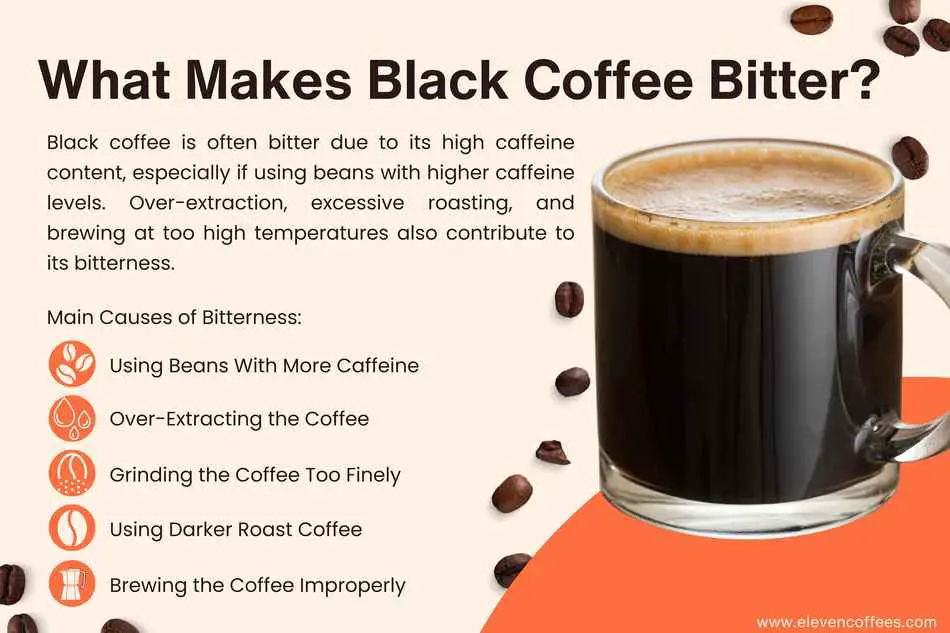
While often reduced to a single descriptor – “bitter” – the reality of black coffee’s taste is far more nuanced and varied, forming the bedrock upon which countless brands build their narratives. This inherent complexity allows brands to position themselves, differentiate their offerings, and create distinct sensory signatures that resonate with specific consumer segments.
The Chemical Symphony: Acidity, Bitterness, Sweetness, and Body
At its core, the taste of black coffee is a result of a sophisticated interplay of chemical compounds. Understanding these components is essential for brands to manipulate and market them effectively.
Acidity: The Bright Spark of Flavor
Often misunderstood as sourness, acidity in coffee refers to a pleasant brightness, a tartness that can range from the delicate citrus notes of a Kenyan light roast to the wine-like tang of an Ethiopian Yirgacheffe. Brands leverage this acidity to define their coffee’s character. A brand aiming for a refreshing, invigorating cup will highlight its coffee’s bright acidity, associating it with freshness and vitality. Conversely, brands targeting those who prefer a smoother, less sharp profile will often select beans and roasting profiles that minimize perceived acidity, opting for a more mellow character. This isn’t about eliminating acidity entirely – as it’s vital for complexity – but about managing its expression to align with a desired brand persona. For example, a brand emphasizing its premium, single-origin offerings will meticulously detail the specific acidic notes – “hints of bergamot,” “a lively green apple tang” – as a key differentiator, turning a chemical compound into a sophisticated flavor cue.
Bitterness: The Foundational Depth
Bitterness is perhaps the most universally recognized characteristic of black coffee. However, its perception and desirability are heavily influenced by branding. Brands understand that while some bitterness is essential for coffee’s robust character and mouthfeel, overwhelming bitterness can be off-putting. High-quality coffee brands invest in sourcing beans with desirable bitterness profiles – often linked to specific compounds like chlorogenic acids. They then employ precise roasting techniques to develop this bitterness into a pleasing depth rather than a harsh assault. A brand that successfully balances bitterness with other flavor notes is perceived as sophisticated and expert. Marketing often focuses on the “rich,” “full-bodied,” or “bold” aspects of bitterness, reframing it as a signifier of quality and a satisfying sensory experience. Think of brands that market their “dark roast” with descriptors like “intense,” “powerful,” or “smoky” – these are all ways to brand and evoke a specific type of bitterness that appeals to a particular audience.
Sweetness: The Subtle Allure
While black coffee contains no added sugar, it possesses natural sweetness derived from sugars and other compounds developed during roasting. This sweetness can manifest as caramel, chocolate, fruit, or honey-like notes. Brands that excel at highlighting this inherent sweetness create a more approachable and palatable black coffee experience. They might emphasize “caramel undertones,” “hints of dark chocolate,” or “a natural sweetness that lingers.” This positioning is crucial for brands aiming to attract consumers who might be hesitant about the perceived bitterness of black coffee. By promoting these sweet notes, brands subtly educate consumers and invite them to discover a richer, more complex flavor profile, thereby enhancing the perceived value and enjoyment of their product. A brand that can deliver a “smooth, naturally sweet” black coffee is effectively building a brand of accessibility and refined taste.
Body: The Mouthfeel Narrative
Body refers to the weight or texture of the coffee in the mouth – its viscosity. Is it thin and watery, or rich and syrupy? This tactile sensation is a critical component of the overall taste experience and a significant branding tool. Brands use descriptors like “velvety,” “silky,” “heavy,” or “light” to communicate the body of their coffee. A brand focusing on espresso blends, for instance, will often highlight a coffee with a heavier body, creating an association with intensity and a satisfying, lingering presence. Conversely, brands promoting filter coffee might emphasize a lighter, more delicate body, aligning with perceptions of clarity and refinement. The perceived body can significantly influence how a consumer experiences the other flavor components, making it a fundamental aspect of a brand’s sensory promise.
The Role of Roast Profile: A Brand’s Signature Flavor Weaver
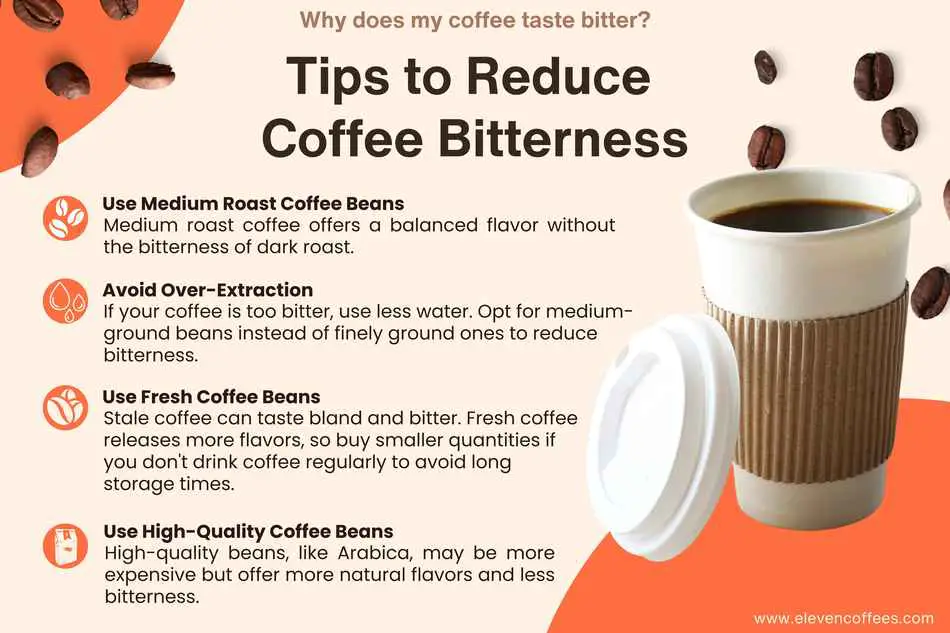
The roast profile is arguably the most influential factor a brand can control in shaping the taste of black coffee. It’s where raw potential is transformed into a distinct sensory identity. Brands meticulously select roast levels – from light, highlighting delicate floral and fruity notes, to dark, emphasizing smoky and caramelized characteristics – to align with their brand ethos and target consumer preferences.
Light Roasts: The Delicate Artisan
Light roasts are favored by brands that champion origin characteristics and nuanced flavors. The goal here is to preserve as much of the bean’s inherent acidity and delicate aromatics as possible. Brands promoting light roasts often use language that evokes delicacy, brightness, and origin specificity: “vibrant acidity,” “floral notes,” “hints of fruit.” These coffees are marketed to consumers who appreciate complexity, are interested in the journey of the bean, and enjoy a less intense, more sparkling cup. The brand narrative here is often one of craftsmanship, single-origin purity, and a sophisticated palate. The taste is thus positioned as an exploration of terroir and meticulous processing, a sensory journey of discovery.
Medium Roasts: The Balanced Connoisseur
Medium roasts strike a balance, developing some sweetness and body while retaining a degree of acidity. This profile is incredibly versatile and appeals to a broad range of consumers. Brands opting for medium roasts often position their coffee as the “perfect all-rounder” – balanced, smooth, and satisfying. Descriptors might include “well-rounded,” “smooth finish,” “caramel sweetness,” and “balanced acidity.” This is the profile frequently adopted by brands seeking to establish a reputation for consistent quality and broad appeal. The taste is presented as approachable yet complex, offering a comforting yet engaging experience that can be enjoyed daily. It’s the embodiment of a reliable, high-quality brand.
Dark Roasts: The Bold Statement Maker
Dark roasts are characterized by deep, rich flavors, often with smoky, chocolatey, or toasty notes, and a pronounced, sometimes bittersweet, character. Brands using dark roasts often aim for a bold, intense, and comforting sensory experience. The marketing language here emphasizes power, depth, and richness: “intense,” “bold,” “smoky,” “dark chocolate,” “roasty.” These coffees are typically associated with a more traditional coffee-drinking experience and appeal to consumers who prefer a strong, full-bodied cup. For these brands, the taste of bitterness is embraced and celebrated, framed as a signifier of robust flavor and a powerful sensory impact. It’s a statement of confidence and intensity.
The Art of Perception: How Brands Shape What We Taste
The taste of black coffee is not solely an objective reality; it is profoundly shaped by external influences, chief among them being the power of branding. From the packaging design to the marketing narrative, brands actively sculpt consumer expectations and perceptions of flavor.
Packaging and Visual Identity: The First Sip
The visual presentation of black coffee is the initial touchpoint for many consumers and a critical element of brand storytelling. The color palette, typography, imagery, and overall design of coffee packaging communicate a wealth of information about the intended taste experience before a single drop is brewed.
Color Psychology in Coffee Branding
Colors are deeply ingrained with emotional and sensory associations. For coffee, dark browns, blacks, and deep reds often signify richness, depth, and intensity, aligning with darker roasts. Lighter browns, greens, and earthy tones can evoke natural origins, freshness, and lighter roasts with brighter acidity. A brand employing a minimalist, elegant design with subtle gold accents might be signaling a premium, sophisticated taste profile. Conversely, a bold, graphic design with vibrant colors could suggest a more adventurous or modern flavor experience. Brands strategically use these visual cues to prime consumers for a particular taste, influencing their expectations and, consequently, their sensory interpretation. A consumer seeing a package adorned with imagery of lush coffee farms and bearing the words “Single Origin – Ethiopia” is already predisposed to expect bright, potentially fruity, and complex flavors, aligning their perception with the brand’s narrative.
Typography and Imagery: Conveying Tone and Origin
The choice of fonts and imagery on coffee packaging is equally significant. A classic, serif font might convey tradition, heritage, and a timeless quality, suggesting a smooth, robust taste. A modern, sans-serif font could communicate innovation, dynamism, and a contemporary flavor profile. Imagery, whether it’s a photograph of the coffee beans, a landscape from the origin country, or an abstract illustration, plays a vital role in evoking the sensory experience. A brand showcasing images of misty mountains and volcanic soil is implicitly suggesting a coffee with a distinct terroir and a complex, mineral-rich taste. The visual language on the packaging becomes a silent but powerful narrator of the coffee’s story and, by extension, its taste.
Marketing Narratives and Sensory Language: Building the Flavor Story
Beyond the visual, the written and spoken word employed in marketing is paramount in defining and communicating the taste of black coffee. Brands use carefully curated language to describe flavor, evoking specific sensory experiences and emotions.
Evocative Descriptors: Painting a Taste Picture
Brands move beyond simple terms like “bitter” or “strong.” Instead, they employ evocative sensory language to paint a vivid picture of the taste profile. Terms like “velvety smooth,” “bright citrus notes,” “deep chocolate undertones,” “caramel sweetness,” “wine-like acidity,” “smoky finish,” or “nutty aroma” are used to guide consumer perception. These descriptors are not just descriptions; they are invitations to experience the coffee in a particular way, aligning the consumer’s imagination with the brand’s intended sensory experience. A brand that meticulously describes its coffee as having “notes of apricot and jasmine” is not just listing flavors; it’s crafting an expectation of delicate, aromatic complexity.
Origin Stories and Terroir: The Taste of Place
Many premium coffee brands build their identity around the origin of their beans, emphasizing the concept of “terroir.” Just as in winemaking, the unique combination of soil, climate, altitude, and processing methods in a specific geographical region contributes to the coffee’s distinct flavor profile. Brands leverage these origin stories to imbue their coffee with a sense of place and authenticity. Describing a coffee as “high-altitude Colombian” immediately suggests certain flavor characteristics – often a balance of sweetness, acidity, and body – to consumers familiar with the region’s reputation. This geographical narrative adds a layer of perceived quality and complexity, allowing brands to position their coffee as a unique sensory exploration rooted in a specific place.
Brand Archetypes and Taste Association: Crafting an Identity
Brands can be associated with archetypes that, in turn, influence taste perception. A “Sage” archetype brand might focus on the science and art of coffee, emphasizing precision and nuanced tasting notes. A “Hero” archetype might promote a bold, strong coffee for those who need energy and drive. An “Innocent” archetype might highlight a smooth, comforting, and naturally sweet coffee for a gentle start to the day. Consumers subconsciously link these brand personalities to expected taste experiences, further solidifying the connection between brand identity and sensory perception. The taste of black coffee, therefore, becomes a direct manifestation of the brand’s core values and promises.
Consumer Engagement and Brand Loyalty: The Taste of Connection
Ultimately, the goal of any brand is to create loyal customers. For black coffee, taste is a powerful driver of this loyalty. When a consumer repeatedly experiences a black coffee that consistently meets or exceeds their expectations, a deep connection is formed, often transcending mere preference.
Building Expectation and Delivering Consistency
Brands that succeed in defining a specific taste profile for their black coffee are able to build consistent expectations. When a consumer purchases their favorite brand, they know what to anticipate: the familiar bitterness, the subtle sweetness, the comforting aroma. This consistency is a hallmark of a well-executed brand strategy. It fosters trust and reliability, making the purchase decision easier and more rewarding. The act of enjoying that particular black coffee becomes a ritual, a predictable pleasure that strengthens the bond between the consumer and the brand. A brand that can consistently deliver a “smooth, low-acid, chocolatey” black coffee will retain customers who seek that precise sensory experience.
The Taste as a Unique Selling Proposition (USP)
In a crowded market, the distinct taste of black coffee can be a brand’s most potent Unique Selling Proposition (USP). While competitors might offer similar products, the specific flavor profile – the unique balance of acidity, bitterness, sweetness, and body, shaped by roast, origin, and processing – can set a brand apart. Brands that can articulate and consistently deliver on a distinctive taste advantage are more likely to capture and hold market share. This USP isn’t just about being different; it’s about being desirably different, offering a sensory experience that resonates with a specific consumer segment and fulfills their unmet needs or desires for taste.
Cultivating Community Through Shared Taste Experiences
Brands can foster a sense of community by creating shared taste experiences around black coffee. This can manifest through tasting events, online forums, or social media engagement where consumers discuss and celebrate the flavor profiles of a particular brand. When consumers feel they are part of a group that appreciates the same nuances in their black coffee – the specific roast notes, the subtle origin characteristics – it reinforces their brand loyalty and transforms taste from a personal experience into a social one. This shared appreciation validates their choices and deepens their emotional connection to the brand, solidifying the idea that “our black coffee tastes like this, and we all love it.” This collective sensory agreement becomes a powerful branding tool.
In conclusion, the question of “What does black coffee taste like?” is far more than a simple sensory inquiry. It is a gateway to understanding how brands meticulously craft, communicate, and leverage taste as a fundamental element of their identity. From the chemical composition of the bean to the nuanced language of marketing and the emotional resonance of brand loyalty, the taste of black coffee is a narrative woven by brands, inviting consumers into a rich, complex, and ultimately personal sensory journey. The success of a coffee brand often hinges on its ability to define this taste, not just for itself, but for its discerning audience.
aViewFromTheCave is a participant in the Amazon Services LLC Associates Program, an affiliate advertising program designed to provide a means for sites to earn advertising fees by advertising and linking to Amazon.com. Amazon, the Amazon logo, AmazonSupply, and the AmazonSupply logo are trademarks of Amazon.com, Inc. or its affiliates. As an Amazon Associate we earn affiliate commissions from qualifying purchases.