
In the traditional sense, a bibliography is a systematic list of books, articles, and other sources used by an author to research a specific topic or cited within a particular work. However, as we navigate the third decade of the 21st century, the definition of a bibliography has expanded far beyond a static list of printed texts at the end of a paper. In the realm of technology, a bibliography has evolved into a dynamic map of information provenance, a critical component of data integrity, and a structured dataset that fuels the algorithms of modern search engines and artificial intelligence.
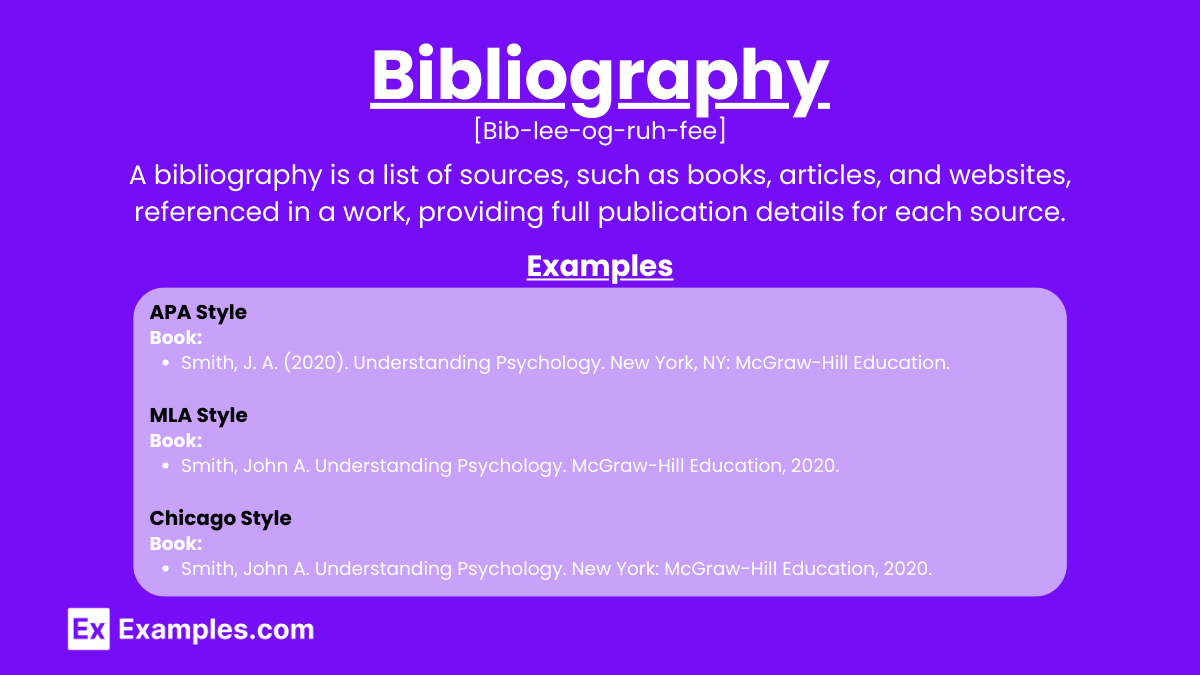
Understanding what a bibliography means today requires looking through the lens of digital transformation. It is no longer just a requirement for academic formatting; it is a vital tool for navigating the vast sea of digital content, ensuring cybersecurity through source verification, and leveraging software to automate the organization of human knowledge.
Defining the Bibliography: From Ink and Paper to Digital Databases
At its core, the word “bibliography” is derived from the Greek words biblion (book) and graphein (to write). For centuries, this meant a handwritten or typewritten list that allowed readers to trace an author’s influences. In the modern tech landscape, however, a bibliography is a structured collection of metadata.
The Etymology and Core Concept
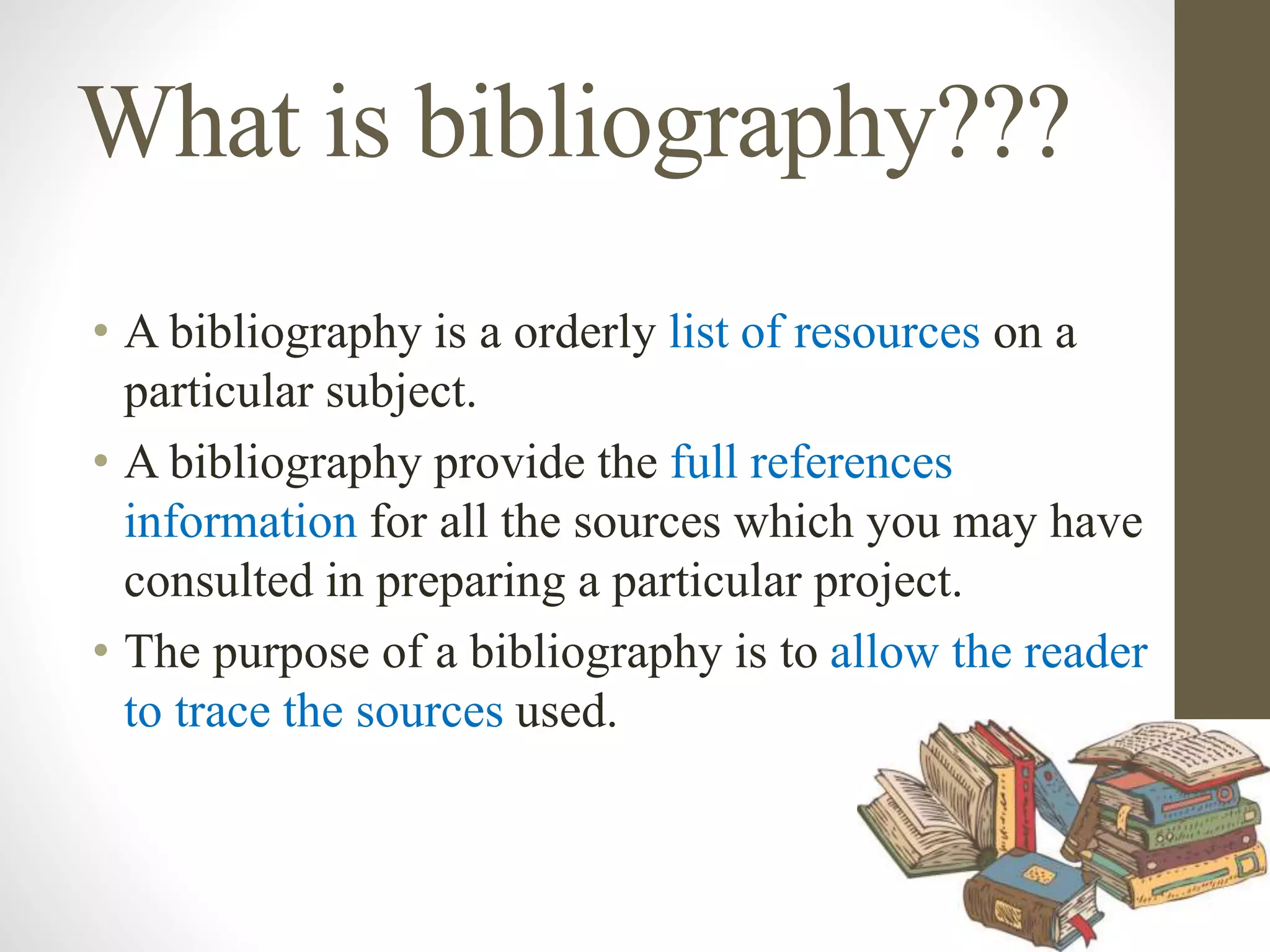
Traditionally, a bibliography served two purposes: to provide a “work cited” list (sources actually quoted) and a “selected bibliography” (relevant background reading). In the digital age, this core concept remains the same—it is about attribution and verification. By providing a bibliography, a creator allows the reader to verify the data points presented. In tech-heavy fields like software engineering or data science, the bibliography often includes whitepapers, documentation, and GitHub repositories, serving as a technical audit trail.
The Transition to Digital Citations and Linked Data
With the advent of the internet, bibliographies transitioned from static text to “Linked Data.” Tech platforms now use Digital Object Identifiers (DOIs) to create permanent, clickable links to sources. This shift changed the bibliography from a passive list into an active network. When we ask what a bibliography means in a tech context, we are often referring to a graph of interconnected nodes of information. This connectivity allows researchers to see not just who an author cited, but who has cited that author since the work was published, creating a bidirectional flow of information.
Essential Tech Tools for Automating Bibliography Creation
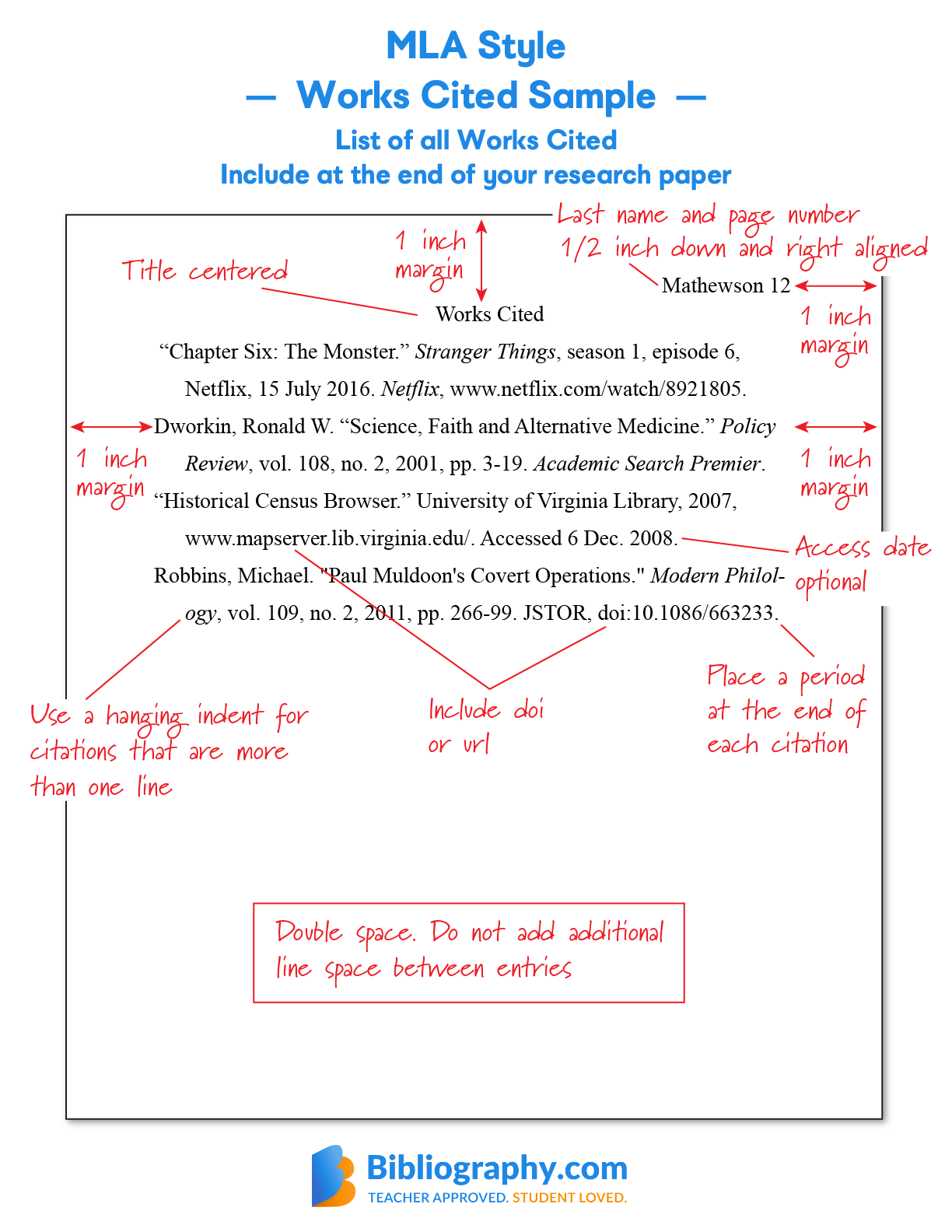
For modern researchers, developers, and tech journalists, the manual creation of a bibliography is a relic of the past. The “how” of bibliographies has been completely revolutionized by Reference Management Software (RMS), which utilizes sophisticated databases to store and format information.
Reference Management Software: Zotero, Mendeley, and EndNote
Software tools like Zotero and Mendeley have redefined the bibliographic process. These are not merely digital filing cabinets; they are powerful database tools that can scrape metadata from web browsers. When you visit a technical journal or a digital library, these apps use “translators” to identify the title, authors, and publication date automatically. They then store this information in a structured format (such as RIS or BibTeX) that can be instantly converted into any citation style, from APA to IEEE. This automation minimizes human error, ensuring that the “bibliography” is an accurate reflection of the source material.
Browser Extensions and One-Click Citations
The integration of bibliography tools directly into the web browser represents a significant technological leap. Extensions can now detect the “COinS” (ContextObjects in Spans) metadata embedded in the HTML of a webpage. This allows for one-click harvesting of sources. For tech professionals who need to document their research for a new software project or a security audit, these tools transform the act of “writing a bibliography” into an act of “managing digital assets.”
The Role of Artificial Intelligence in Modern Attribution
The rise of Large Language Models (LLMs) like ChatGPT and Claude has brought the concept of the bibliography to the forefront of the AI conversation. One of the primary criticisms of AI is its tendency to “hallucinate” or provide information without a source. Consequently, the bibliography has become the “gold standard” for AI reliability.
AI-Powered Citation Generators and Search Engines
Newer AI-integrated search engines, such as Perplexity AI or Google’s SGE (Search Generative Experience), function by constructing a bibliography in real-time. Unlike traditional chatbots, these tools perform a real-time web crawl, retrieve documents, and then use AI to summarize them while providing a clear bibliography of where each claim originated. In this context, a bibliography means “verifiable evidence.” It is the bridge between a machine-generated guess and a trustworthy technical fact.
Combating Hallucinations: Verifying Sources with Tech
Technologists are currently developing “Retrieval-Augmented Generation” (RAG) systems. In a RAG setup, the AI is forced to look at a specific set of documents (a digital bibliography) before it answers a prompt. This ensures that the output is grounded in specific, cited literature. For anyone working in tech, the bibliography is becoming the primary tool used to “fact-check” AI, transforming it from an academic footnote into a vital safety mechanism for information accuracy.
Why Digital Bibliographies Matter for Cybersecurity and Information Integrity
In an era of deepfakes and automated misinformation, the bibliography serves a purpose beyond simple citation; it is a tool for digital forensics and cybersecurity.
Tracking the Provenance of Digital Content
Content provenance—knowing where a piece of digital information came from—is a major focus for tech companies today. A bibliography, in a broader sense, is a record of provenance. Tech initiatives like the C2PA (Coalition for Content Provenance and Authenticity) are essentially trying to create a “digital bibliography” for every image and video on the internet. By embedding metadata that lists the “sources” and “edits” of a file, we can verify its authenticity. When we ask what a bibliography means in this niche, it refers to the verifiable history of a digital asset.
Bibliographies as a Defense Against Misinformation
The “Bibliography” section of a technical whitepaper or a Wikipedia entry is often the first line of defense against the spread of false information. Tech tools that analyze the “authority” of a bibliography can help determine if a source is trustworthy. For example, if a technical article’s bibliography consists entirely of dead links or predatory journals, algorithms can flag that content as low-quality. The bibliography is thus a signal in the noise of the internet, helping both humans and search engine algorithms identify high-authority technical content.
Future Trends: The Evolution of Bibliographic Metadata
As we look toward the future, the bibliography is set to become even more integrated into the fabric of the internet through blockchain and dynamic media.
Blockchain and Permanent Academic Records
One of the issues with digital bibliographies is “link rot”—the phenomenon where URLs go dead over time. The tech community is looking toward blockchain and decentralized storage (like IPFS) to solve this. Imagine a bibliography where every source is recorded on a ledger, ensuring that the reference remains accessible forever, regardless of whether a specific website goes down. In this future, a bibliography is a permanent, immutable record of human thought.
Dynamic Bibliographies in Interactive Media
The next step in the evolution of the bibliography is interactivity. Instead of a static list at the end of a technical review or a software tutorial, we are seeing the rise of “hover-over” citations and dynamic bibliographies. In interactive documentation, clicking a bibliographic entry might open a virtualized environment or a code snippet, allowing the reader to interact directly with the source. This shifts the bibliography from a list of “things to read” to a list of “resources to use.”
Conclusion
So, what does bibliography mean in the modern tech era? It is far more than a list of books. It is a sophisticated metadata structure, a defense mechanism against AI hallucinations, a tool for digital provenance, and a networked map of human knowledge. Whether you are using reference management software to organize a thesis, or an AI developer using RAG to ensure your model cites its sources, the bibliography remains the foundation of information integrity. In a world of infinite data, the ability to point toward a source—and verify it through technology—is more valuable than ever.
aViewFromTheCave is a participant in the Amazon Services LLC Associates Program, an affiliate advertising program designed to provide a means for sites to earn advertising fees by advertising and linking to Amazon.com. Amazon, the Amazon logo, AmazonSupply, and the AmazonSupply logo are trademarks of Amazon.com, Inc. or its affiliates. As an Amazon Associate we earn affiliate commissions from qualifying purchases.