
The Bible, a collection of ancient scriptures, offers profound wisdom that transcends time and specific disciplines. While it doesn’t contain a chapter dedicated to modern fitness routines or gym memberships, its overarching principles provide a compelling framework for understanding the importance of physical well-being and responsible stewardship of the body. Examining biblical texts reveals a consistent emphasis on self-discipline, the body as a temple, and the pursuit of excellence in all endeavors, all of which can be directly applied to the practice of exercise. This exploration delves into these biblical perspectives, demonstrating how ancient wisdom can inform and inspire contemporary approaches to physical fitness, not as a mere trend, but as a matter of spiritual and practical significance.
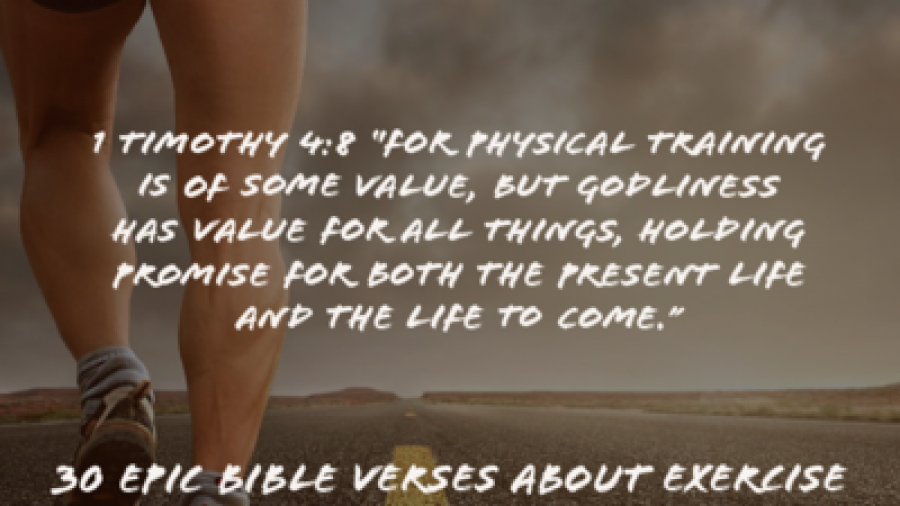
The Body as a Sacred Trust: A Temple of the Holy Spirit
The concept of the human body as a vessel for God’s spirit is a cornerstone of biblical teaching. This perspective elevates physical health from a superficial concern to a matter of sacred responsibility. Understanding the body as a temple has significant implications for how believers are called to treat it, including through regular physical activity.
Stewardship of God’s Creation
One of the earliest accounts of creation in Genesis highlights humanity’s role as stewards of God’s creation. This stewardship extends to our own physical beings. The body, with its intricate design and capabilities, is a divine gift, and as such, it is entrusted to our care. This implies a responsibility to maintain its health and functionality, rather than neglecting it or subjecting it to harmful practices.
1 Corinthians 6:19-20 powerfully articulates this idea: “Or do you not know that your body is a temple of the Holy Spirit within you, whom you have from God? You are not your own, for you have been bought with a price. Therefore, honor God with your body.” This verse directly links our physical bodies to the presence of the Holy Spirit and calls for honoring God through our actions, which inherently includes caring for our physical well-being. Neglecting the body through inactivity can be seen as a failure to properly steward this sacred trust.
The Body as a Tool for Ministry and Service
The Bible consistently portrays a life of purpose and service. Our physical bodies are not meant for idleness but are instruments through which we can accomplish God’s work in the world. A healthy body is better equipped to engage in demanding tasks, serve others, and participate fully in community life.
Proverbs 24:16 speaks to the resilience and perseverance found in righteousness: “For the righteous falls seven times and rises again.” While this verse has broader spiritual applications, it can also be interpreted physically. A body that is conditioned through exercise is more likely to recover from setbacks, whether they be illness or the natural wear and tear of life. Similarly, the apostle Paul, in passages like Philippians 4:13, speaks of being able to do all things through Christ who strengthens him. This strength can be both spiritual and physical, and a well-maintained body contributes to our overall capacity to serve. The ability to engage in acts of compassion, to work diligently, and to participate in worship with energy are all enhanced by good physical health.
The Dangers of Idleness and Gluttony
While not directly advocating for treadmills or weightlifting, the Bible does caution against certain behaviors that are detrimental to physical health. Idleness and gluttony are frequently condemned, suggesting an underlying principle of moderation and active engagement.
Proverbs 21:25 speaks of the consequences of idleness: “The desire of the sluggard kills him, for his hands refuse to work.” This points to the destructive nature of inaction. In a modern context, this can translate to the detrimental effects of a sedentary lifestyle. Similarly, Proverbs 23:20-21 warns against excessive indulgence in food and drink: “Be not among drunkards, or among gluttonous eaters of meat, for the drunkard and the glutton will come to poverty, and drowsiness will clothe a man with rags.” While “poverty” here can have financial connotations, it also speaks to a state of depletion and weakness, a lack of vitality that can result from poor physical habits. Exercise, by promoting a balanced lifestyle, stands in direct opposition to these forms of self-neglect.
Discipline, Self-Control, and the Pursuit of Excellence
Beyond the direct care of the body, biblical teachings emphasize virtues like discipline and self-control, which are fundamental to any successful exercise program. These qualities, when cultivated, extend beyond physical fitness to impact all areas of life.
The Analogy of the Athlete in Training
The New Testament frequently uses athletic metaphors to illustrate spiritual truths. The apostle Paul, in 1 Corinthians 9:24-27, draws a direct parallel between the rigor of an athlete’s training and the commitment required of believers: “Do you not know that in a race all the runners compete, but only one receives the prize? So run that you may obtain it. Every athlete exercises self-control in all things. They do it to receive a perishable wreath, but we an imperishable one.”

This passage is a powerful testament to the importance of discipline. Athletes endure rigorous training, strict diets, and intense competition, all driven by the pursuit of a goal. The Bible uses this analogy to encourage believers to apply similar dedication to their spiritual lives, but the principle of disciplined effort is transferable. A consistent exercise regimen requires similar dedication, self-denial, and perseverance. Choosing to rise early for a workout, pushing through fatigue, or abstaining from unhealthy foods are all acts of self-control that mirror the discipline of an athlete.
The Pursuit of Excellence in All Things
The principle of doing all things heartily, “as unto the Lord” (Colossians 3:23), encourages excellence in every endeavor. This principle extends to our physical capabilities. Striving for health and fitness can be seen as a way to bring our physical selves to their optimal potential, thereby honoring God more fully in all that we do.
When we are physically stronger, more energetic, and healthier, we are better positioned to excel in our work, our relationships, and our service to others. Exercise, therefore, is not just about aesthetics or avoiding illness; it’s about enhancing our capacity to live a life of purpose and impact. It’s about developing the discipline to pursue higher standards in all aspects of our lives, including the care of our bodies, as a reflection of our dedication to God.
Overcoming Laziness and Discouragement
The journey of exercise often involves facing challenges, including moments of laziness and discouragement. Biblical narratives offer encouragement and examples of perseverance in the face of adversity. The faith of individuals like David, who was a shepherd and warrior, implies a level of physical robustness and resilience. The prophets, often undertaking arduous journeys, demonstrate a physical fortitude that comes from a life of purpose.
Hebrews 12:1-3 encourages believers to “run with endurance the race that is set before us, looking to Jesus, the founder and perfecter of our faith.” This exhortation to endurance is directly applicable to the long-term commitment required for effective exercise. Overcoming the temptation to quit, pushing past plateaus, and maintaining motivation are all aspects of this spiritual and physical endurance. The understanding that our efforts are not in vain, and that we are working towards a greater good, can provide the sustained motivation needed to continue.
Practical Applications and Considerations for a Balanced Life
While the Bible doesn’t provide specific workout plans, its overarching themes of stewardship, discipline, and purpose offer a robust foundation for approaching exercise in a balanced and meaningful way.
Integrating Physical Activity into a Godly Life
A biblical perspective encourages the integration of physical activity into a holistic approach to life that honors God. This means viewing exercise not as an obligation separate from one’s faith, but as an expression of it. It involves making conscious choices about how we use our bodies, recognizing their sacred nature, and cultivating the discipline to maintain them.
This integration can manifest in various ways. For instance, prayer can be a source of strength and motivation for workouts. Gratitude for the body’s capabilities can fuel a desire to maintain them. Community can be fostered through group fitness activities or by encouraging one another in healthy habits. The goal is to ensure that exercise contributes to, rather than detracts from, a life lived in accordance with biblical principles. It should not become an idol, consuming all time and attention, but rather a tool that enhances our ability to serve God and others.
The Importance of Moderation and Wisdom
The biblical emphasis on balance and avoiding extremes is crucial when considering exercise. While discipline is encouraged, it should not lead to unhealthy obsession or self-harm. Wisdom, as described in Proverbs, is essential in discerning appropriate levels of physical exertion and in making sound decisions about diet and rest.
Ecclesiastes 3:1 speaks of “a time for everything, and a season for every activity under heaven.” This suggests that our approach to exercise should be adaptable to different seasons of life and personal circumstances. It also implies that there can be times for vigorous activity and times for rest and recovery. The pursuit of health should be characterized by prudence and a recognition of our limitations, rather than by an unrestrained drive for perfection that could lead to burnout or injury.

Exercise as a Form of Worship and Thanksgiving
Ultimately, a biblical perspective elevates exercise from a mere physical activity to a potential act of worship and thanksgiving. By caring for the body that God has given us, we are expressing gratitude for His creation and acknowledging its divine origin. The strength and energy gained through exercise enable us to serve God more effectively, to love our neighbors more fully, and to experience the richness of life that He intended for us.
When we engage in physical activity with a heart of gratitude and a desire to honor God, even the most mundane workout can become a sacred offering. It is a tangible way of demonstrating that we value the physical vessel through which we experience and interact with the world, recognizing it as a gift from the Creator. Therefore, approaching exercise through the lens of biblical principles can transform it into a profound expression of faith and a pathway to a more vibrant and purposeful life.
aViewFromTheCave is a participant in the Amazon Services LLC Associates Program, an affiliate advertising program designed to provide a means for sites to earn advertising fees by advertising and linking to Amazon.com. Amazon, the Amazon logo, AmazonSupply, and the AmazonSupply logo are trademarks of Amazon.com, Inc. or its affiliates. As an Amazon Associate we earn affiliate commissions from qualifying purchases.