
In the pursuit of financial stability, growth, and responsible stewardship, the concept of discipline is paramount. While often discussed in secular terms of self-control and habit formation, the Bible offers a profound and time-tested perspective on discipline, revealing it not merely as a behavioral strategy but as a fundamental principle for a life of purpose, integrity, and ultimately, prosperity. For those seeking to manage their finances effectively, build wealth responsibly, and live a life that reflects sound values, understanding the biblical view of discipline is not just beneficial – it’s transformative. This exploration will delve into the scriptural foundations of discipline and illuminate its direct relevance to personal finance, investing, and the broader landscape of financial stewardship.

The Biblical Roots of Discipline: More Than Just Self-Control
The Bible consistently emphasizes the importance of discipline, often portraying it as a path to wisdom, righteousness, and enduring success. It’s not presented as a punitive measure or a stifling restriction, but rather as a guiding force that shapes character, fosters growth, and leads to desirable outcomes. When we consider this through the lens of financial management, the parallels become strikingly clear. Financial discipline, much like its biblical counterpart, is about making intentional choices that align with long-term goals, even when immediate gratification beckons.
Wisdom and Instruction: The Guiding Principles
The book of Proverbs, a cornerstone of biblical wisdom literature, is replete with verses underscoring the value of discipline. Proverbs 1:7 states, “The fear of the Lord is the beginning of knowledge; fools despise wisdom and instruction.” This foundational verse links reverence for a higher power with the pursuit of knowledge and instruction – the very building blocks of wise decision-making, including financial choices. True wisdom, as presented in Scripture, is not innate; it is cultivated through diligent learning and the application of godly principles.
This applies directly to personal finance. Without a foundational understanding of financial principles – budgeting, saving, investing, debt management – one is susceptible to making foolish decisions that can lead to financial hardship. The Bible encourages us to seek instruction, to learn diligently, and to apply that learning. This is the initial step in developing financial discipline: educating oneself and committing to a path of sound financial practices. This isn’t about complex algorithms or market speculation initially, but about understanding the fundamental mechanics of money management.
Character Development: Cultivating Diligence and Responsibility
Beyond acquiring knowledge, biblical discipline is intimately tied to character development. It’s about cultivating virtues like diligence, responsibility, and perseverance. In Proverbs 6:6-8, we are directed to the ant: “Go to the ant, you sluggard; consider its ways and be wise! It has no commander, no overseer or ruler, yet it stores its provisions in summer and gathers its food at harvest.” This passage highlights the ant’s innate diligence and foresight. It works without external compulsion, demonstrating a proactive and responsible approach to its future needs.
This is a powerful metaphor for financial discipline. A disciplined individual, like the ant, takes initiative. They don’t wait for crises to manage their money; they plan, they save, and they prepare. This involves the discipline to resist impulsive spending, to prioritize saving even small amounts consistently, and to invest for the long term. It’s the character trait of diligence that ensures consistent effort in financial planning and execution, leading to greater security and opportunity. Without this inner drive for responsibility, financial goals remain elusive, much like a harvest unplanted.
The Purpose of Discipline: A Path to Righteousness and Growth
The Bible often frames discipline as a means of correction and refinement, leading to spiritual and moral growth. Hebrews 12:11 famously states, “No discipline seems pleasant at the time, but painful. Later on, however, it produces a harvest of righteousness and peace for those who have been trained by it.” While this verse is primarily spiritual, its underlying principle is universally applicable.
In the financial realm, this “pain” might be the sacrifice of immediate gratification – forgoing a luxury purchase to save for a down payment, or enduring the tedious process of budgeting. The “harvest of righteousness and peace” then translates to financial security, the absence of crushing debt, the freedom to pursue opportunities, and the peace of mind that comes from knowing one is a responsible steward of their resources. This growth, this refined financial character, is the ultimate reward for consistent, disciplined effort. It fosters an environment where wealth can be built and managed with integrity and purpose.
Financial Discipline in Practice: Applying Biblical Principles
The biblical emphasis on discipline provides a robust framework for approaching personal finance, investing, and business endeavors. It moves beyond mere adherence to rules and encourages a deeper, value-driven approach to managing God-given resources.
Budgeting and Stewardship: The Discipline of Knowing and Managing
A fundamental aspect of financial discipline, deeply rooted in biblical principles of stewardship, is effective budgeting. The Bible doesn’t offer a specific budgeting template, but its overarching message of prudence and accountability strongly implies its necessity. Jesus, in the parable of the talents (Matthew 25:14-30), highlights the importance of wisely managing what has been entrusted to us. This principle extends directly to our finances.

Budgeting is the disciplined act of understanding where your money is coming from and where it is going. It requires honesty, foresight, and the discipline to stick to a plan, even when unexpected expenses arise or temptations to overspend appear. The discipline of budgeting allows individuals to be intentional with their resources, ensuring they are allocated towards their priorities – whether that be saving for retirement, investing in a business, or meeting essential needs. It transforms money from a force that controls you into a tool that you control, enabling you to be a faithful steward of your financial assets. This is not about restriction, but about intentionality and purposeful allocation, reflecting a mature understanding of responsibility.
Saving and Investing: The Discipline of Patience and Foresight
The biblical call to diligence and foresight directly translates into the disciplines of saving and investing. Proverbs 21:20 reminds us, “The wise store up treasures, but the foolish devour all they have.” This simple yet profound statement speaks volumes about the importance of delayed gratification and the cultivation of assets for future security.
Saving is the disciplined act of setting aside a portion of current income for future use. It requires discipline to resist immediate consumption and to prioritize long-term financial health. Investing, on the other hand, builds upon saving, requiring the discipline of patience and research. It involves understanding risk, committing to long-term growth rather than short-term speculation, and trusting in the process. Many biblical passages speak of diligence in work and the rewards that follow, implying a sustained effort rather than quick gains. Applying this to investing means understanding that wealth accumulation is often a marathon, not a sprint, and requires consistent, disciplined commitment. This approach fosters financial resilience, enabling individuals to weather economic downturns and seize opportunities when they arise.
Debt Management: The Discipline of Prudence and Responsibility
The Bible offers a cautionary, yet practical, perspective on debt. Proverbs 22:7 states, “The rich rule over the poor, and the borrower is slave to the lender.” This highlights the inherent power imbalance and the potential for bondage that debt can create. This verse, while stark, underscores the biblical emphasis on prudence and the avoidance of unnecessary financial entanglements.
Managing debt, particularly high-interest consumer debt, requires significant discipline. It involves making the disciplined choice to prioritize repayment, often by sacrificing other spending desires. It requires diligence in seeking out better interest rates, consolidating debts where appropriate, and actively working towards becoming debt-free. The “slavery” described by Proverbs is not just financial; it’s the mental and emotional burden of constant obligation. The discipline of responsible debt management liberates individuals, restoring their financial autonomy and allowing them to direct their resources towards more productive and purposeful ends, aligning with a principle of being a good steward rather than a perpetual debtor.
The Long-Term Impact: Building a Legacy of Financial Integrity
Ultimately, the biblical perspective on discipline in the context of money transcends mere personal gain. It speaks to building a life of integrity, leaving a positive legacy, and honoring the principles of responsible stewardship.
Diligence in Work and Business: The Discipline of Purposeful Effort
The Bible consistently commends diligence in work and business. Proverbs 10:4 says, “Lazy hands make for poverty, but diligent hands bring wealth.” This isn’t an endorsement of greed, but a recognition that purposeful, disciplined effort is a key component of creating value and generating income.
Applying biblical discipline to one’s work or business means approaching it with integrity, dedication, and a commitment to excellence. It involves the discipline to consistently show up, to improve one’s skills, to treat others with fairness, and to operate with honesty. For entrepreneurs, this translates to disciplined planning, meticulous execution, and a long-term vision. For employees, it means being reliable, productive, and adding value. This diligent effort, guided by righteous principles, is often the bedrock of sustainable financial success and can contribute to building a business that not only thrives financially but also serves its community and operates with a sense of purpose.
Generosity and Giving: The Discipline of Sharing Abundance
A truly disciplined approach to finances, as seen in Scripture, is not solely focused on accumulation but also on responsible distribution. The Bible consistently promotes generosity and the giving of a portion of one’s resources. Malachi 3:10 speaks of bringing “the whole tithe into the storehouse.” This command, while within a specific covenantal context, reflects a broader principle of sharing abundance and supporting those in need.
The discipline of giving requires a conscious decision to set aside resources for charitable causes, to support one’s faith community, or to help others. It requires the discipline to prioritize generosity even when personal desires might urge otherwise. This act of giving, when approached with a willing heart and a disciplined plan, fosters a spirit of gratitude, combats materialism, and allows individuals to participate in a cycle of blessing and provision. It demonstrates that true financial well-being is not just about what you possess, but how you use what you have been given.
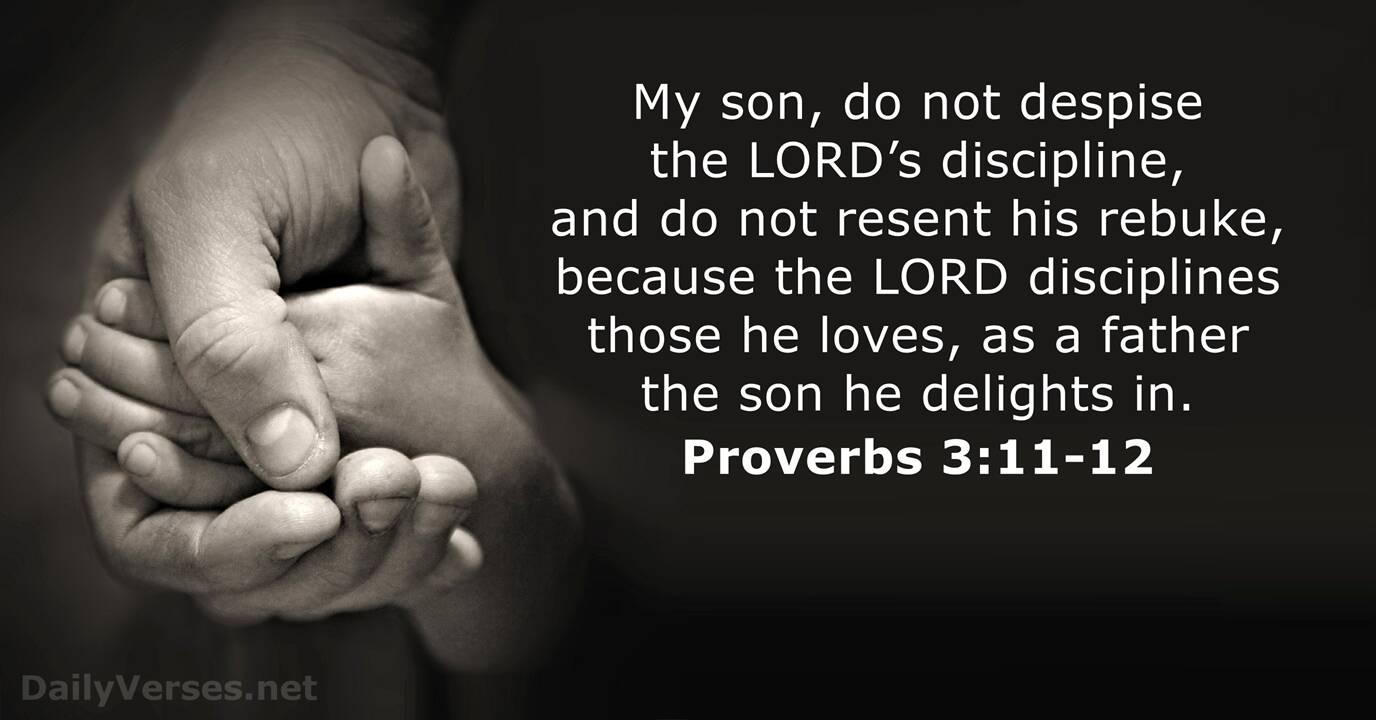
Financial Freedom and Purpose: The Ultimate Reward
When biblical principles of discipline are applied to our financial lives, the outcome is far more than just a healthy bank account. It is the cultivation of financial freedom, the ability to live with purpose, and the capacity to bless others. The discipline of responsible stewardship, rooted in wisdom and integrity, frees us from the bondage of debt and the anxieties of financial instability. It empowers us to make choices that align with our values, to pursue meaningful work, and to contribute positively to the world around us. The peace and security that arise from such discipline are invaluable, allowing individuals to live lives of greater impact and fulfillment, reflecting a deeper understanding of true wealth as defined by enduring principles and eternal values.
aViewFromTheCave is a participant in the Amazon Services LLC Associates Program, an affiliate advertising program designed to provide a means for sites to earn advertising fees by advertising and linking to Amazon.com. Amazon, the Amazon logo, AmazonSupply, and the AmazonSupply logo are trademarks of Amazon.com, Inc. or its affiliates. As an Amazon Associate we earn affiliate commissions from qualifying purchases.